
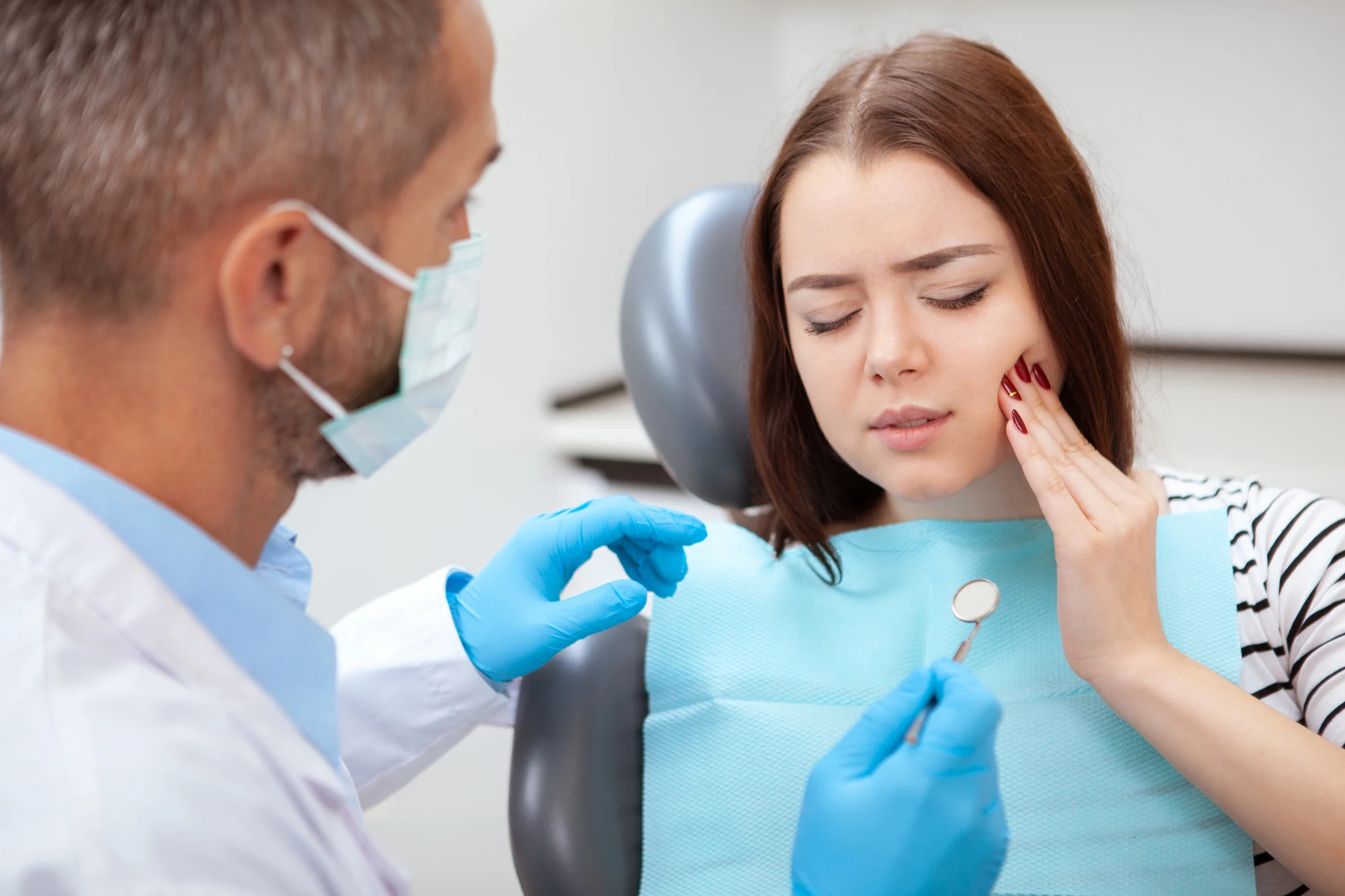
A dental crown can protect a weakened tooth and restore its shape and function. But crowns aren't indestructible. Over time, they can crack, loosen, or develop problems around the tooth underneath. If you're searching for a same-day crown dentist near you in Versailles, KY, knowing the warning signs can help you address a problem before it becomes more serious.
A crown doesn't have to fall off before you take action. Changes in how it feels, looks, or functions can be worth discussing with your dentist.

What to Watch for and What You Should Do
1. Your Crown Feels Loose or Moves
A healthy crown should feel secure when you bite and chew. If it suddenly feels like it's shifting, rocking, or moving when you touch it with your tongue, don't ignore it.
A loose crown can result from problems with the cement, damage to the crown, or changes affecting the tooth underneath. Your dentist can determine what's causing the movement and whether the crown can be repaired or needs replacement.
Don't Wait for It to Fall Off
A loose crown can be more easily dislodged while eating. It may also leave the underlying tooth exposed to bacteria and damage.
Until you can see your dentist, avoid chewing hard or sticky foods on that side. Don't try to glue the crown back yourself permanently.
2. You Notice New or Increasing Sensitivity
Some sensitivity can be normal after receiving a crown, especially during the first few weeks. But sensitivity that appears later, becomes stronger, or doesn't go away deserves attention.
Pay Attention to What Triggers It
Notice whether the tooth reacts to:
- Hot foods or drinks
- Cold foods or drinks
- Sweets
- Biting pressure
Sensitivity can have several causes, including decay, a fractured tooth, worn restorations, gum recession, or exposed tooth structure.
New sensitivity doesn't automatically mean your crown has failed. It simply means the tooth should be evaluated to determine what's happening.
3. Your Crown Is Cracked, Chipped, or Worn
Crowns are made to withstand everyday chewing, but they can still become damaged.
You may notice a visible crack, a chipped edge, a rough spot, or a change in the way your teeth meet. Hard foods and habits such as grinding or clenching can place additional stress on a crown.
Don't Assume a Small Chip Is Harmless
A minor cosmetic chip may not require the same treatment as a major fracture. However, your dentist should determine how significant the damage is.
Depending on the condition of the crown and tooth, treatment may involve smoothing a minor problem, repairing the restoration, or replacing it.
4. You Have Pain When You Bite Down
Pain when biting or chewing shouldn't be ignored, especially if it's new.
The Problem May Be Under the Crown
A crown can look perfectly normal on the outside while the tooth underneath develops a problem. Decay, a crack, or inflammation affecting the tooth can cause discomfort when you put pressure on it.
A dentist may examine your bite and the surrounding tooth and use dental imaging when appropriate to determine what's causing the pain.
Don't assume that simply avoiding the tooth will solve the problem. Persistent pain is a reason to schedule an evaluation.
5. You Notice a Bad Taste, Bad Breath, or Irritation Around the Crown
Changes around the gumline can also signal a problem.
If you notice persistent bad breath, a bad taste, swollen gums, or irritation around your crown, tell your dentist. Bacteria can accumulate around a poorly fitting restoration and contribute to decay or gum problems.
Your Gums Can Provide Important Clues
Healthy gums around a crown shouldn't remain consistently swollen, tender, or irritated.
Good brushing, daily cleaning between your teeth, and regular dental visits can help protect the tooth and tissues surrounding your crown.

What Should You Do If Your Crown Is Failing?
Don't wait for the crown to completely fall off before calling your dentist. Early evaluation gives your dentist an opportunity to determine whether the crown can still be saved or whether replacement is needed.
If the crown comes off, keep it and bring it to your appointment. Avoid using household glue or other permanent adhesives.
Your Dentist Will Check More Than the Crown
Your dentist may evaluate:
- The crown's fit
- The tooth underneath
- Your bite
- The surrounding gums
- Signs of decay or infection
The recommended treatment depends on what the examination reveals.
How Can You Help Your Crown Last Longer?
Practice Good Oral Hygiene
Brush twice a day with fluoride toothpaste and clean between your teeth daily. Keeping the area around your crown clean helps protect the underlying tooth and surrounding gums.
Avoid Excessive Pressure
Try not to chew ice or extremely hard foods with a crowned tooth. If you grind or clench your teeth, ask your dentist whether a custom nightguard could help protect your restoration.
Keep Your Regular Dental Visits
Routine examinations allow your dentist to monitor the crown and the tooth underneath. Your dentist can identify changes before they become bigger problems.
Frequently Asked Questions
How Long Should a Dental Crown Last?
Many crowns last about five to 15 years with proper care, although individual results vary. Crowns can last longer, but they may eventually need replacement because of wear or damage.
Can a Loose Crown Be Repaired?
Sometimes. Your dentist will need to determine why the crown became loose and whether the crown and underlying tooth are still healthy enough to use.
Should I Go to the Dentist If My Crown Falls Off?
Yes. Contact your dentist as soon as possible. Bring the crown with you if you still have it, and don't use super glue to put it back in place.
Is Sedation Available for Crown Treatment?
Sedation may be an option for patients who feel anxious about dental treatment. Ask your dentist which options may be appropriate for your procedure and comfort needs.

Do You Need a Same-Day Crown Dentist Near You in Versailles, KY?
At Georgetown Sedation Dentistry, we can evaluate a loose, damaged, or uncomfortable crown and help determine the next step. If you need a new crown, we can also discuss same-day treatment options when appropriate. If dental anxiety is a concern, ask us about available sedation options. Contact Georgetown Sedation Dentistry to schedule an appointment and protect your smile.

150 Mt Vernon Dr, Georgetown, KY 40324 Suite 201
Monday 8 AM - 5 PM
Tuesday 8 AM - 5 PM
Wednesday CLOSED
Thursday 8 AM - 5 PM
Friday 8 AM - 5 PM
Saturday CLOSED
Sunday CLOSED

.svg)
.svg)
.svg)
.svg)
© 2024. Georgetown Sedation Dentistry | Privacy Policy | ADA Compliance
Website by: Digital Resource