
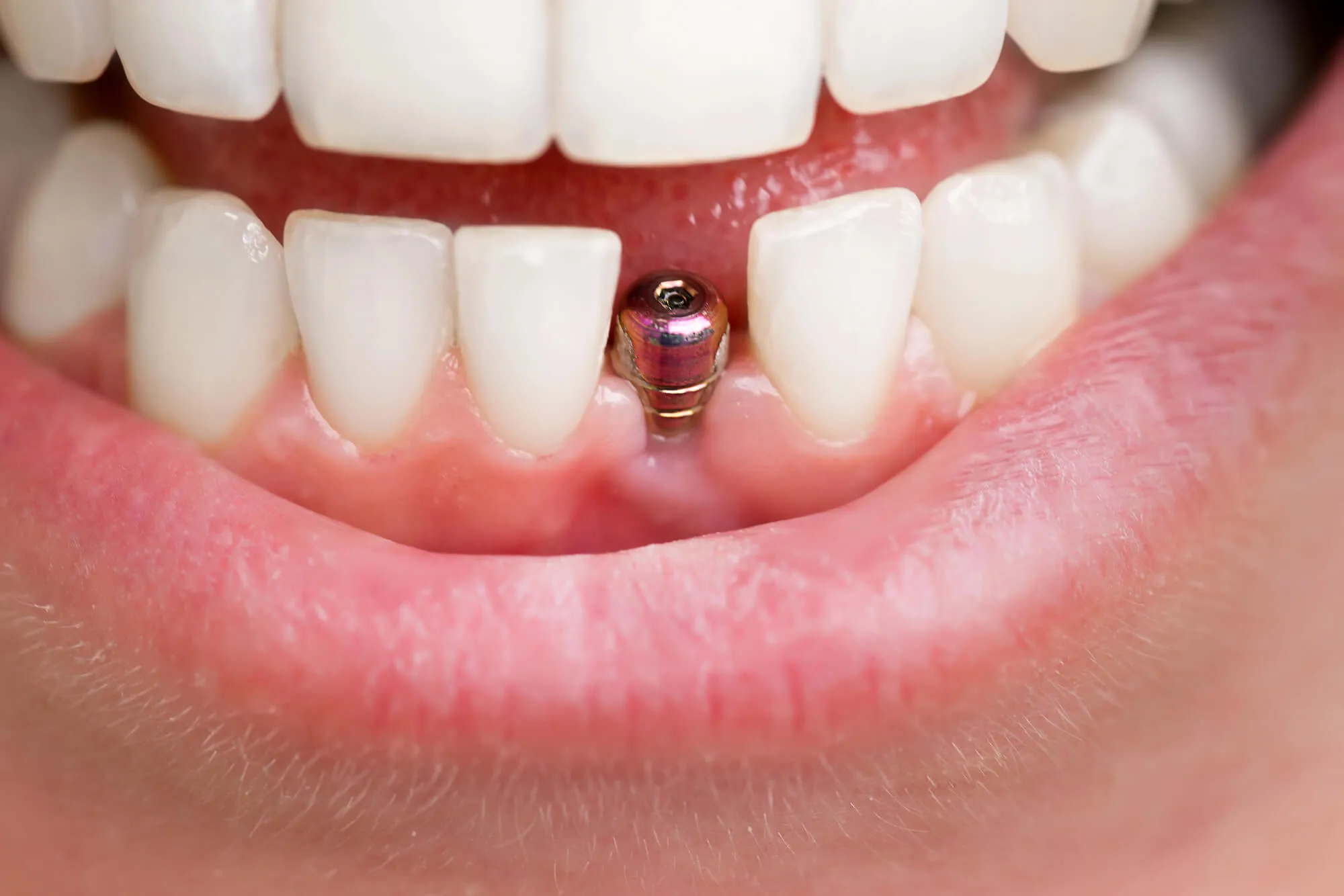
Dental implants are designed to provide a stable replacement for missing teeth, but they are not completely immune to complications. If you are considering dental implants in Georgetown, KY, it helps to understand what can affect their long-term health.
Implant failure can have different causes. Some occur during healing, while others can develop later. The good news is that several risk factors can be addressed through careful treatment planning, good oral hygiene, regular dental care, and attention to changes in your mouth.
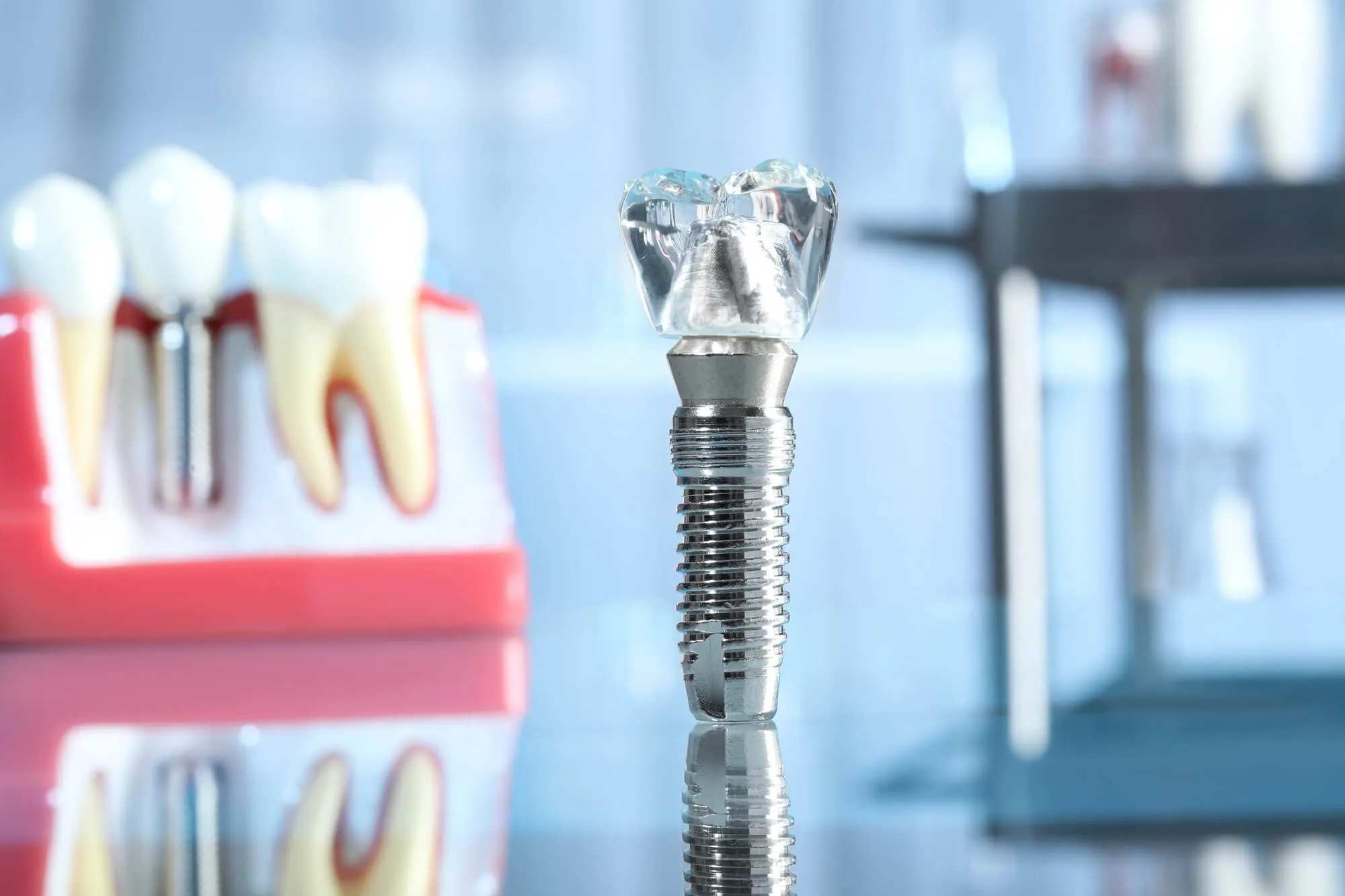
Risk Factors for Dental Implant Failure
1. Poor Oral Hygiene
An implant cannot develop a cavity because it is not a natural tooth. That does not mean the surrounding tissues are protected from bacteria.
Plaque can affect the tissues around an implant
Bacteria and plaque can contribute to inflammation around an implant. A condition called peri-implantitis can damage the supporting tissues and bone and may eventually contribute to implant loosening.
Daily brushing and cleaning between your teeth and around the implant are important. Your dentist may also recommend specific tools for cleaning areas that are difficult to reach.
2. Smoking and Tobacco Use
Smoking is another factor that can affect implant health.
Tobacco can interfere with healing
Smoking can compromise the tissues surrounding an implant and has been associated with implant complications. Tobacco use can also contribute to gum problems, which may create additional challenges for maintaining the tissues around an implant.
If you smoke or use tobacco, tell your dental provider before implant treatment. That information can help your dental team plan your care and discuss ways to reduce risks.
3. Grinding and Clenching
Your implants are designed to withstand normal chewing forces, but excessive pressure can create problems.
Bruxism can overload an implant
Grinding or clenching your teeth can put additional force on an implant and its restoration. According to the American Academy of Implant Dentistry, excessive biting forces can contribute to damage or loosening over time.
If you grind your teeth at night or frequently clench your jaw during the day, tell your dentist. A protective appliance may sometimes be recommended.
4. Insufficient Bone Support
An implant needs adequate bone support to become stable.
Bone quality matters before placement
Successful integration of the implant with the jawbone is an important part of treatment. If there is insufficient bone, your dentist may need to consider additional treatment or a different approach before placing the implant.
This is one reason an implant evaluation is more than looking at the empty space where a tooth is missing. Your dentist needs to assess the surrounding structures and determine whether the site can support an implant.
5. Ignoring Problems After Implant Placement
A small change does not automatically mean an implant has failed. But ignoring symptoms can make a problem more difficult to manage.
Know when to call your dentist
Contact your dental provider if an implant or restoration becomes loose, your bite suddenly feels different, or you develop persistent pain, swelling, bleeding, or difficulty cleaning around the area.
A loose implant requires professional evaluation rather than home observation. Your dentist may use an oral examination and imaging to determine what is happening.
What Can You Do to Protect Your Implant?
Implant care does not stop after the restoration is placed.
Consistency matters
Brush as directed, clean between your teeth, and follow the cleaning instructions provided for your particular restoration. Regular dental visits allow your provider to monitor the implant, surrounding tissues, bite, and restoration.
You should also tell your dentist about changes in your general health or medications. The ADA recommends regular dental visits because some oral health problems can develop without obvious symptoms.
How Sedation Can Fit Into Implant Treatment
Some patients are comfortable with the idea of an implant but anxious about the procedure itself. If that sounds familiar, sedation may be worth discussing.
Ask about your comfort options early
Depending on your health history and planned treatment, different sedation approaches may be available. Before treatment, your dental team should explain how to prepare, whether you need to adjust eating or medications, and whether you need someone to drive you home.
During treatment, your level of sedation and vital signs will be monitored according to the planned approach. Afterward, you will receive instructions about driving, eating, activity, and recovery.
Sedation does not change the implant treatment itself. It is an option that may make the experience more manageable for appropriate patients.
Questions to Ask Before and After Treatment
Ask how much bone is available, whether you have any gum problems, and whether grinding or tobacco use could affect your treatment. After placement, ask what symptoms should prompt a call and how often you should return for maintenance.
Knowing what to watch for can help you respond to problems before they become more serious.
Dental Implants Frequently Asked Questions
Can an implant fail even if I take good care of it?
Yes. Implant complications can have multiple causes, including problems with bone integration, infection around the implant, excessive forces, and other individual factors. Good care can help reduce some risks, but cannot eliminate every possible complication.
Does smoking automatically prevent someone from getting an implant?
Not necessarily. Tobacco use can affect implant health and healing, so it should be discussed openly with your dental provider before treatment.
How do I know if my implant is failing?
Pain, swelling, bleeding, mobility, or a sudden change in your bite can warrant an evaluation. These symptoms can have different causes, so your dentist should determine what is happening.
Can grinding damage an implant?
Excessive grinding and clenching can place additional stress on implants and restorations. Your dentist can evaluate your bite and discuss protective options if needed.

Learn More About Dental Implants in Georgetown, KY
If you are considering dental implants, we can help you understand the treatment process and factors that may affect your results.
At Georgetown Sedation Dentistry, we can also discuss sedation options if dental anxiety is among your concerns. Contact our office to schedule a consultation and get answers before moving forward.

150 Mt Vernon Dr, Georgetown, KY 40324 Suite 201
Monday 8 AM - 5 PM
Tuesday 8 AM - 5 PM
Wednesday CLOSED
Thursday 8 AM - 5 PM
Friday 8 AM - 5 PM
Saturday CLOSED
Sunday CLOSED


© 2024. Georgetown Sedation Dentistry | Privacy Policy | ADA Compliance
Website by: Digital Resource