
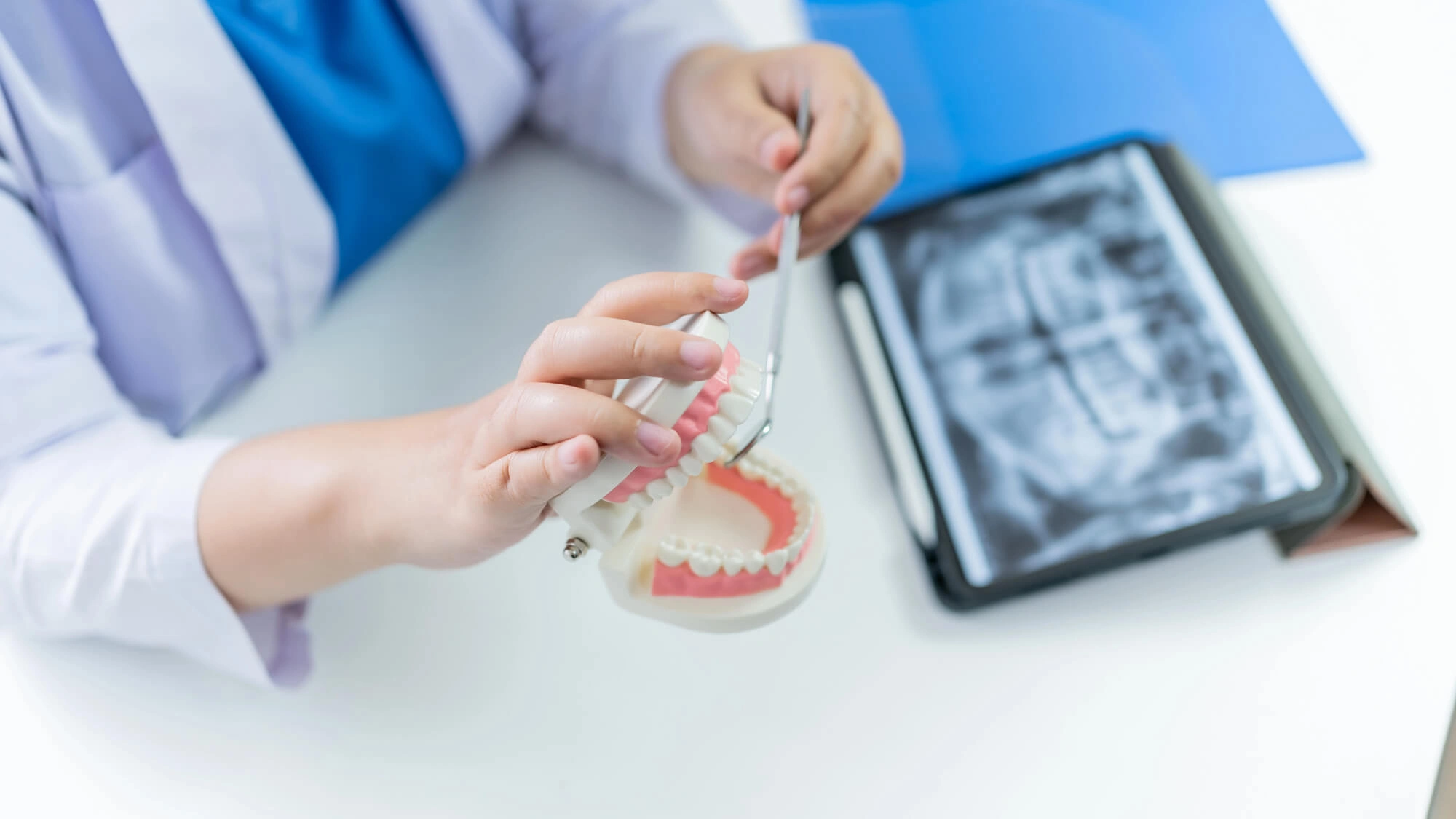
Most dental problems can be treated by your general dentist, but some situations require specialized surgical care. Knowing when to see an oral surgeon can help you avoid unnecessary delays, prevent complications, and receive the treatment that's best suited to your needs.
If you're looking for an oral surgeon in Lexington, KY, you may already have a referral from your dentist, or you may simply be wondering whether your symptoms require more advanced care. While every situation is different, several signs may indicate it's time to schedule an evaluation with an oral surgeon.

Situations Where Specialized Care May Be the Right Next Step
1. You Have a Tooth That Can't Be Saved
Dentists always try to preserve your natural teeth whenever possible. However, some teeth become too damaged to restore with a filling, crown, or root canal.
Examples include:
- Severe tooth decay
- A tooth that's fractured below the gumline
- Extensive structural damage
- A tooth that hasn't responded to previous treatment
In these situations, removing the tooth may be the healthiest option.
Surgical Extractions Can Protect Your Oral Health
Some teeth are more difficult to remove because of their position, root shape, or surrounding bone.
An oral surgeon has specialized training to perform complex extractions while minimizing trauma to nearby teeth and tissues. If you're planning to replace the tooth with a dental implant, careful surgical planning can also help prepare the area for future treatment.
2. Your Wisdom Teeth Are Causing Problems
Wisdom teeth don't always need to be removed, but they can create problems when they don't have enough room to erupt properly.
Signs to watch for include:
- Pain near the back of the mouth
- Swollen or tender gums
- Jaw stiffness
- Repeated infections
- Food becoming trapped around partially erupted teeth
These symptoms shouldn't be ignored, especially if they keep returning.
Waiting Can Sometimes Make Treatment More Difficult
Impacted wisdom teeth may press against neighboring teeth or become harder to remove as their roots continue developing.
An evaluation can help determine whether removal is the best option before additional complications occur.
3. You're Considering Dental Implants
Dental implants are designed to replace missing teeth with long-term stability, but successful treatment begins with careful planning.
Before implant placement, an oral surgeon may evaluate:
- Bone density
- Jaw structure
- Gum health
- The location of nearby nerves and sinuses
This information helps create a treatment plan tailored to your individual needs.
Some Cases Are More Complex
Patients who need multiple implants, full-arch restorations, or bone grafting often require advanced surgical techniques.
An oral surgeon has the training and experience to manage these more complex situations while helping create a stable foundation for your new smile.
4. You Have Ongoing Jaw or Facial Pain
Persistent discomfort doesn't always originate from a tooth.
Jaw pain can sometimes be related to:
- Impacted teeth
- Jawbone infections
- Cysts
- Other conditions affecting the jaw or facial structures
Because these issues aren't always visible, a professional evaluation is often necessary.
Don't Ignore Pain That Doesn't Go Away
Occasional soreness may resolve on its own, but pain that continues or worsens deserves attention.
Identifying the underlying cause early can help prevent additional problems and make treatment more straightforward.
5. You Notice Swelling or Signs of an Oral Infection
Swelling is your body's way of signaling that something isn't right.
You should contact a dental professional if you experience:
- Facial swelling
- Gum swelling
- Drainage or a bad taste in your mouth
- Difficulty opening your mouth
- Fever along with dental pain
These symptoms may indicate an infection that requires timely treatment.

Infections Can Spread
Dental infections don't always remain confined to one tooth.
Without treatment, they can spread into surrounding tissues and become more difficult to manage. Seeking care sooner rather than later helps protect both your oral and overall health.
6. You've Experienced Facial Trauma
Sports injuries, falls, and vehicle accidents can damage more than just your teeth.
An oral surgeon may evaluate and treat:
- Knocked-out teeth
- Broken teeth
- Jaw injuries
- Facial bone fractures
Prompt care often improves healing and may increase the likelihood of preserving damaged teeth or surrounding structures.
7. Your Dentist Recommends an Oral Surgeon
Being referred to an oral surgeon doesn't necessarily mean your condition is severe.
General dentists regularly work with specialists whenever a patient would benefit from additional surgical expertise.
Specialized Training Supports Complex Treatment
Oral surgeons receive advanced education in surgical procedures involving the teeth, jaw, and facial structures.
Depending on your treatment, they may also offer sedation options to help make your procedure more comfortable and reduce anxiety.
Frequently Asked Questions
Can I Schedule an Appointment with an Oral Surgeon Without a Referral?
Yes. Many oral surgeons accept patients who contact their office directly. However, it's also common for general dentists to recommend a referral after evaluating your condition.
Do Oral Surgeons Only Remove Wisdom Teeth?
No. They also perform procedures such as dental implant placement, bone grafting, surgical tooth extractions, treatment for oral pathology, and care for certain facial injuries.
Will I Need Sedation During Oral Surgery?
Not always. The type of anesthesia or sedation depends on the procedure, your medical history, and your comfort level. Your provider will discuss the available options before treatment.
How Do I Know If My Tooth Extraction Is Considered Complex?
Teeth that are impacted, severely broken, infected, or difficult to access often require a surgical extraction. Your dentist or oral surgeon can determine the best approach after examining the tooth.

Are You Looking for an Oral Surgeon in Lexington, KY?
At Georgetown Sedation Dentistry, we understand that learning you may need oral surgery can feel overwhelming. That's why we begin with a thorough evaluation to understand your symptoms, explain your treatment options, and answer any questions you may have.
If oral surgery is the best solution for your needs, we'll help you understand what to expect and discuss available sedation options to keep you as comfortable as possible throughout your care.
If you're experiencing tooth pain, swelling, jaw discomfort, or another dental concern, contact Georgetown Sedation Dentistry today to schedule a consultation. We'll help you determine the next steps and create a treatment plan that's tailored to your smile and your comfort.

150 Mt Vernon Dr, Georgetown, KY 40324 Suite 201
Monday 8 AM - 5 PM
Tuesday 8 AM - 5 PM
Wednesday CLOSED
Thursday 8 AM - 5 PM
Friday 8 AM - 5 PM
Saturday CLOSED
Sunday CLOSED

.svg)
.svg)
.svg)
.svg)
© 2024. Georgetown Sedation Dentistry | Privacy Policy | ADA Compliance
Website by: Digital Resource