

If you’ve been researching full arch implants, you’ve probably seen phrases that suggest everything happens instantly. You may have even heard the idea of a “same-day smile” and wondered what that actually means, what you leave with after surgery, and how long it takes to reach the final result.
The truth is that full arch implants can move quickly at the start. However, the best outcomes still follow a phased process—temporary teeth during healing, then final teeth once the implants are fully stable.
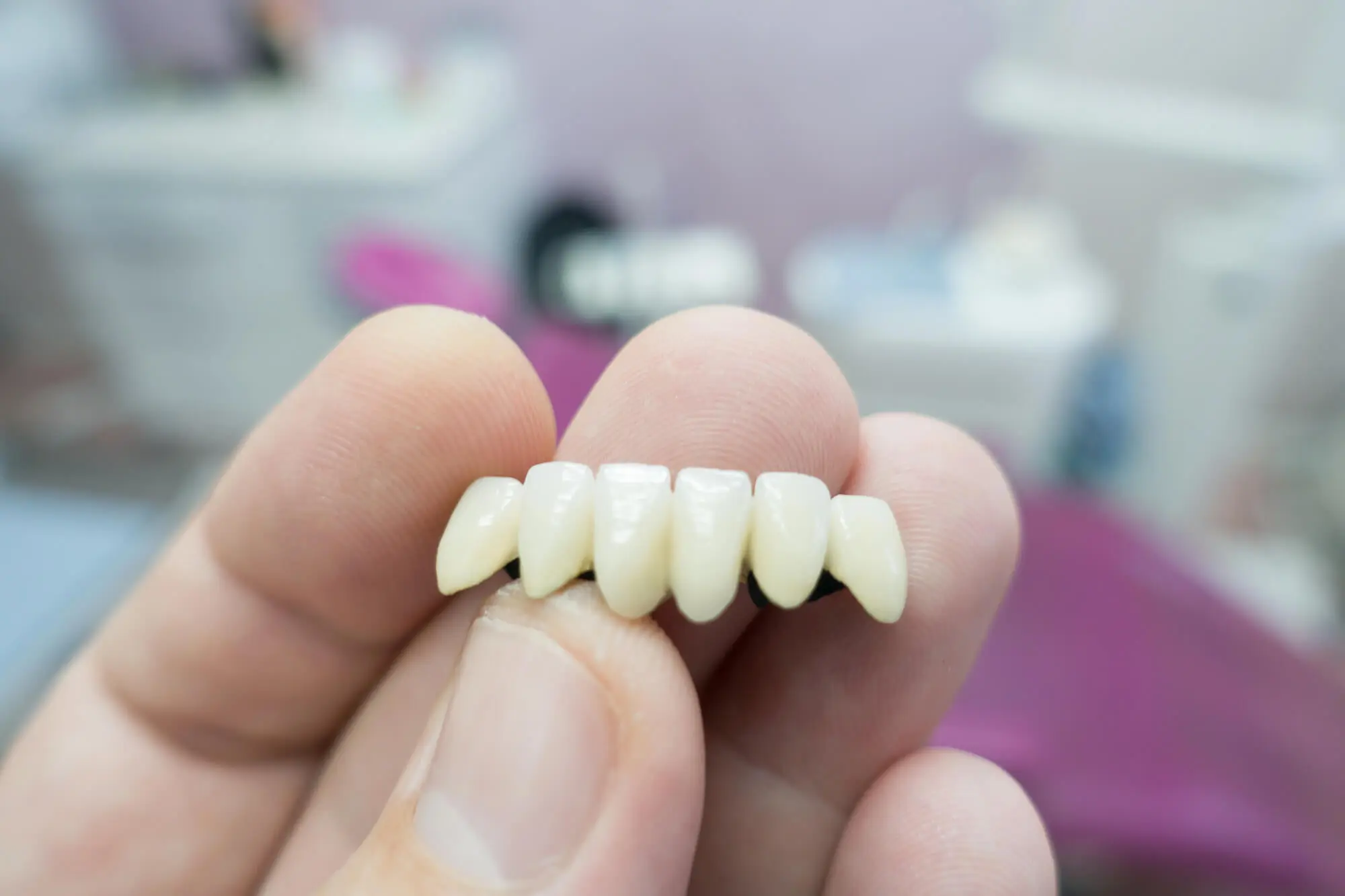
First, What Are Full Arch Implants?
Full arch implants are a way to replace all (or nearly all) teeth on the upper jaw, lower jaw, or both, using a fixed set of teeth anchored to dental implants.
Instead of placing an implant for every missing tooth, full arch treatment uses a strategic number of implants (often four to six per arch) to support a complete bridge of teeth.
That’s why full arch implants are often compared to dentures. Dentures can restore appearance, but they can also move, rub, click, or require adhesives. Full arch implants are designed for stability. The goal is to make your teeth feel like they belong to you again because they’re anchored, not floating.
You might also see All-on-X used interchangeably with full arch implants. The “X” simply refers to the number of implants used to support the arch, which varies based on anatomy and treatment goals.
Can You Get a Same-Day Smile with Full Arch Implants?
When people say “same-day smile,” they’re usually talking about temporary teeth placed right after surgery—not the final, permanent teeth.
Here’s the simple breakdown:
- Same-day smile (temporary teeth): Designed to help you look and function confidently right away while your implants heal.
- Final teeth (permanent restoration): Placed after healing, when the implants are confirmed to be stable. This is where durability, bite precision, and final aesthetics are fully dialed in.
So yes—some patients can leave surgery with a same-day smile. However, the “finish line” is the final restoration, which comes after the healing phase.
A Realistic Full Arch Implants Timeline (From Consult to Final Teeth)
Every case is different, but most full arch implant timelines follow a similar rhythm.
Step 1: Consultation + 3D Imaging
This is the least dramatic day, but arguably the most important.
A proper consult typically answers questions like:
- How much bone is available (and where)?
- Are there infections or failing teeth that need removal?
- Where are the nerves and sinus spaces?
- Is your bite stable, or does it need to be rebuilt?
- Are you a candidate for immediate temporary teeth?
This is also where people often feel the first real sense of relief. When you’ve been living with broken teeth, loose dentures, or constant dental stress, clarity is calming.
You don’t have to “figure it out” on your own anymore. You get a plan.
Step 2: Pre-Op Planning
Between the consult and surgery, the team typically works through the following:
- Implant positioning and surgical planning
- Timing for extractions (same day or staged)
- Whether bone support is needed
- Temporary teeth strategy
- Comfort plan, including sedation options
This step matters more than most people realize. Full arch implants aren’t a “wing it” procedure. The goal is a smile that looks good and functions correctly—where your bite feels balanced and comfortable long-term.
Step 3: Surgery Day
This is where many patients brace for the worst—especially if they’ve had a bad dental experience before or live with high anxiety.
Patients often say the fear beforehand is worse than the day itself. Fortunately, comfort can be managed. Some patients do fine with local anesthesia. Others need a different approach.
This is where true IV sedation becomes more than a luxury. It’s a tool that helps people complete life-changing dental care without white-knuckling through it.
For the right patient, IV sedation can mean:
- Deep relaxation
- Less awareness of time and sensation
- Minimal memory of the procedure
- A calmer overall experience
If your goal is “pain-free dentists” and what you really mean is stress-free dentistry, sedation can be the difference between delaying treatment and finally moving forward.
Step 4: The Temporary Teeth Phase
If you receive temporary fixed teeth, this phase is where your long-term results are safeguarded.
Even if you feel pretty good after the first week or two, your body is still doing the behind-the-scenes work: integration, where bone stabilizes around the implants.
This stage is where good guidance and good habits matter most:
- Follow soft-food instructions (even if you feel like you could chew normally)
- Keep hygiene consistent and gentle
- Attend follow-ups so adjustments can be made early
A common question people ask is when their new teeth will start to feel normal. Most people experience a gradual shift:
- First week: swelling and “newness” sensations
- Weeks 2–4: comfort stabilizes, speech improves
- Weeks 6–12: you stop thinking about it constantly
- After final teeth: it feels like the solution fully “locks in”
Step 5: Final Teeth
After the implants are confirmed stable, the final restoration is created and placed. This is where details get dialed in:
- Bite precision
- Aesthetics (shape, shade, smile line)
- Long-term comfort
- Durability
Temporary teeth are meant to carry you through the healing process. Permanent teeth are built for real life—meals, conversations, photos, and confidence.
What Can Change the Timeline?
Full arch implants aren’t one-size-fits-all. A few things can alter your sequence or pacing:
- Active infection that needs to be addressed first
- Bone limitations that require grafting or alternative strategies
- Health factors that affect healing (like uncontrolled diabetes)
- Smoking/vaping, which raises implant complication risk
- Emergency dental situations (pain, swelling, broken teeth)
This is why emergency care often intersects with full arch treatment. Many people don’t start researching full arch implants until something breaks or hurts—and suddenly the “someday” plan becomes a “right now” decision.
Are You a Candidate for Full Arch Implants?
People disqualify themselves too early.
They assume things, such as:
- “My mouth is too far gone.”
- “I’ve had problems too long.”
- “I’m too anxious.”
- “I’m too old.”
However, candidacy usually comes down to a few core factors:
- Anatomy and bone availability (which imaging can assess)
- Infection and gum health management
- Willingness to follow the healing-phase rules
- Comfort planning that fits you (including sedation if needed)
Age is rarely the deciding factor. Planning is.
Are You Interested in Getting Full Arch Implants?
The takeaway: full arch implants are a process—built for real life. They can be life-changing, but they only tell part of the story. A strong outcome usually comes from a well-designed surgical plan, a comfort-first approach, and protecting the healing phase so the final teeth last.
If you’re considering full arch implants, the best next step is a consultation with our experts at Georgetown Sedation Dentistry. We can offer 3D imaging and a real timeline—so you know what’s possible, what’s next, and how it can be done in a way that feels manageable. Contact us today to get started!

150 Mt Vernon Dr, Georgetown, KY 40324 Suite 201
Monday 8 AM - 5 PM
Tuesday 8 AM - 5 PM
Wednesday CLOSED
Thursday 8 AM - 5 PM
Friday 8 AM - 5 PM
Saturday CLOSED
Sunday CLOSED

.svg)
.svg)
.svg)
.svg)
© 2024. Georgetown Sedation Dentistry | Privacy Policy | ADA Compliance
Website by: Digital Resource