

Losing most or all of your teeth can affect much more than your appearance. It may make it more difficult to eat your favorite foods, change the way you speak, and even affect your confidence. Fortunately, modern dentistry offers several tooth replacement options, including full-arch implants, which provide a stable, long-term solution for replacing an entire upper or lower arch of missing teeth.
If you're considering full-arch implants, it's natural to wonder whether they're worth the investment. The answer depends on several factors, including your oral health, lifestyle, treatment goals, and expectations. Understanding these considerations can help you make a well-informed decision before beginning treatment.
Here's what you should know before deciding whether full-arch implants are the right choice for you.

What Are Full-Arch Implants?
A Complete Solution for Missing Teeth
Full-arch implants replace an entire row of missing teeth using several strategically placed dental implants that support a custom-made prosthesis. Unlike traditional removable dentures, implant-supported restorations are securely anchored to the jawbone, providing greater stability during everyday activities such as eating and speaking.
How They Differ From Individual Dental Implants
Instead of replacing each missing tooth separately, full-arch implants restore an entire upper or lower arch with fewer implants. This approach allows patients with extensive tooth loss to regain both function and appearance without requiring an implant for every missing tooth.
Factors to Consider Before Choosing Full-Arch Implants
Your Overall Oral Health
Healthy gums and a stable oral environment play an important role in successful implant treatment. Before recommending implants, your dentist will evaluate your teeth, gums, and any existing oral health conditions that may require treatment first, such as gum disease or untreated infections. Addressing these issues beforehand helps create the best possible foundation for long-term implant success.
Bone Density Matters
Dental implants rely on the jawbone for support. If significant bone loss has occurred after teeth have been missing for an extended period, additional procedures such as bone grafting may be recommended before implant placement. Advanced digital imaging allows your dentist to carefully evaluate your bone structure and determine the most appropriate treatment plan.
Your Daily Habits Affect Long-Term Success
Although implants don't develop cavities, they still require proper care. Maintaining good oral hygiene, attending routine dental visits, and avoiding tobacco products whenever possible all contribute to keeping your implants and surrounding tissues healthy. Your everyday habits can significantly influence the long-term success of your restoration.
Full-Arch Implants Are a Long-Term Commitment
Choosing implants isn't simply about replacing missing teeth. It's also about committing to ongoing maintenance. Daily brushing and flossing, professional cleanings, and periodic evaluations help protect both the implants and the restoration for years to come.
What Are the Benefits of Full-Arch Implants?
Greater Stability While Eating and Speaking
Because the restoration is supported by dental implants, it remains securely in place during daily activities. Many patients appreciate the added confidence that comes from eating, speaking, and smiling without worrying about movement.
A Natural-Looking Smile
Modern implant-supported restorations are carefully designed to resemble natural teeth in both appearance and function. The result is a smile that looks balanced while allowing comfortable everyday use.
Support for Long-Term Oral Health
Dental implants stimulate the jawbone in a way that removable dentures cannot. This stimulation helps maintain bone structure and supports the natural contours of the face over time.

What to Expect Before, During, and After Treatment
Before the Procedure
Your treatment begins with a comprehensive examination that includes digital imaging, an evaluation of your oral health, and a discussion of your goals. Your dentist will also explain the treatment timeline and discuss whether sedation dentistry is appropriate for your procedure.
During Implant Placement
Implant surgery is carefully planned to maximize precision and patient comfort. Many patients choose sedation dentistry to help them remain relaxed throughout the procedure. Depending on your needs and medical history, your dentist may recommend different levels of sedation to improve your overall experience.
Recovery and Healing
Healing occurs gradually as the implants integrate with the jawbone. Your dentist will provide detailed instructions regarding diet, oral hygiene, activity restrictions, and follow-up appointments. Following these recommendations supports proper healing and helps prepare your implants for the final restoration.
Common Misconceptions About Full-Arch Implants
Myth: They're Only for Older Adults
Age alone doesn't determine whether someone is a candidate for full-arch implants.
Instead, your dentist considers your oral health, bone quality, and overall medical history before recommending treatment.
Myth: Implant Surgery Is Extremely Painful
Modern implant procedures prioritize patient comfort through local anesthesia and, when appropriate, sedation dentistry. Many patients find the experience much more comfortable than they expected.
Myth: Implants Don't Require Maintenance
Although implants can't develop cavities, the surrounding gums and supporting tissues still require daily care. Maintaining excellent oral hygiene and attending regular dental visits remain essential for protecting your investment.
Frequently Asked Questions
How Long Do Full-Arch Implants Last?
With proper care, the dental implants themselves can last for many years. The attached restoration may eventually require maintenance or replacement due to normal wear over time.
Am I Automatically a Candidate If I'm Missing All My Teeth?
Not necessarily. Your dentist will evaluate your bone density, gum health, medical history, and overall oral condition before determining whether full-arch implants are the best option.
Will I Be Without Teeth During Treatment?
Treatment plans vary from patient to patient. In many situations, temporary restorations are available while your implants heal and integrate with the jawbone.
Is Sedation Available During Implant Surgery?
Yes. Many patients choose sedation dentistry to feel more comfortable during implant placement. Your dentist will recommend the most appropriate option based on your health history, anxiety level, and treatment needs.
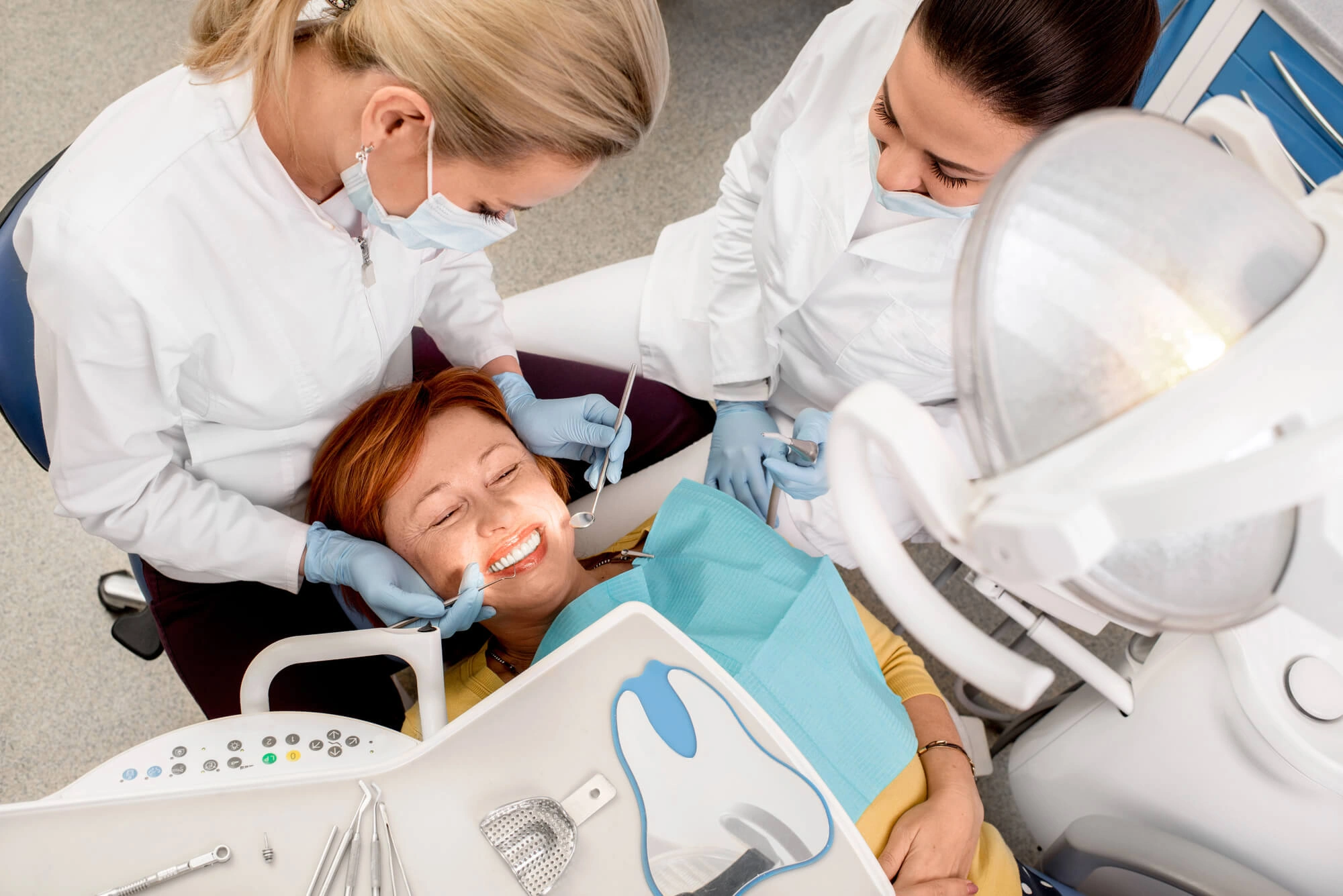
Are You Considering Full-Arch Implants?
At Georgetown Sedation Dentistry, we understand that replacing an entire arch of missing teeth is an important decision. That's why we begin with a thorough evaluation of your oral health, jawbone, and treatment goals before recommending a personalized solution.
If full-arch implants are the right option for you, we'll guide you through every step of the process while offering sedation options designed to help you feel comfortable and confident during treatment.
If you're ready to learn more about full-arch implants or would like to discuss your tooth replacement options, contact Georgetown Sedation Dentistry today to schedule a consultation. We're here to help you make an informed decision about restoring your smile.

150 Mt Vernon Dr, Georgetown, KY 40324 Suite 201
Monday 8 AM - 5 PM
Tuesday 8 AM - 5 PM
Wednesday CLOSED
Thursday 8 AM - 5 PM
Friday 8 AM - 5 PM
Saturday CLOSED
Sunday CLOSED

.svg)
.svg)
.svg)
.svg)
© 2024. Georgetown Sedation Dentistry | Privacy Policy | ADA Compliance
Website by: Digital Resource