
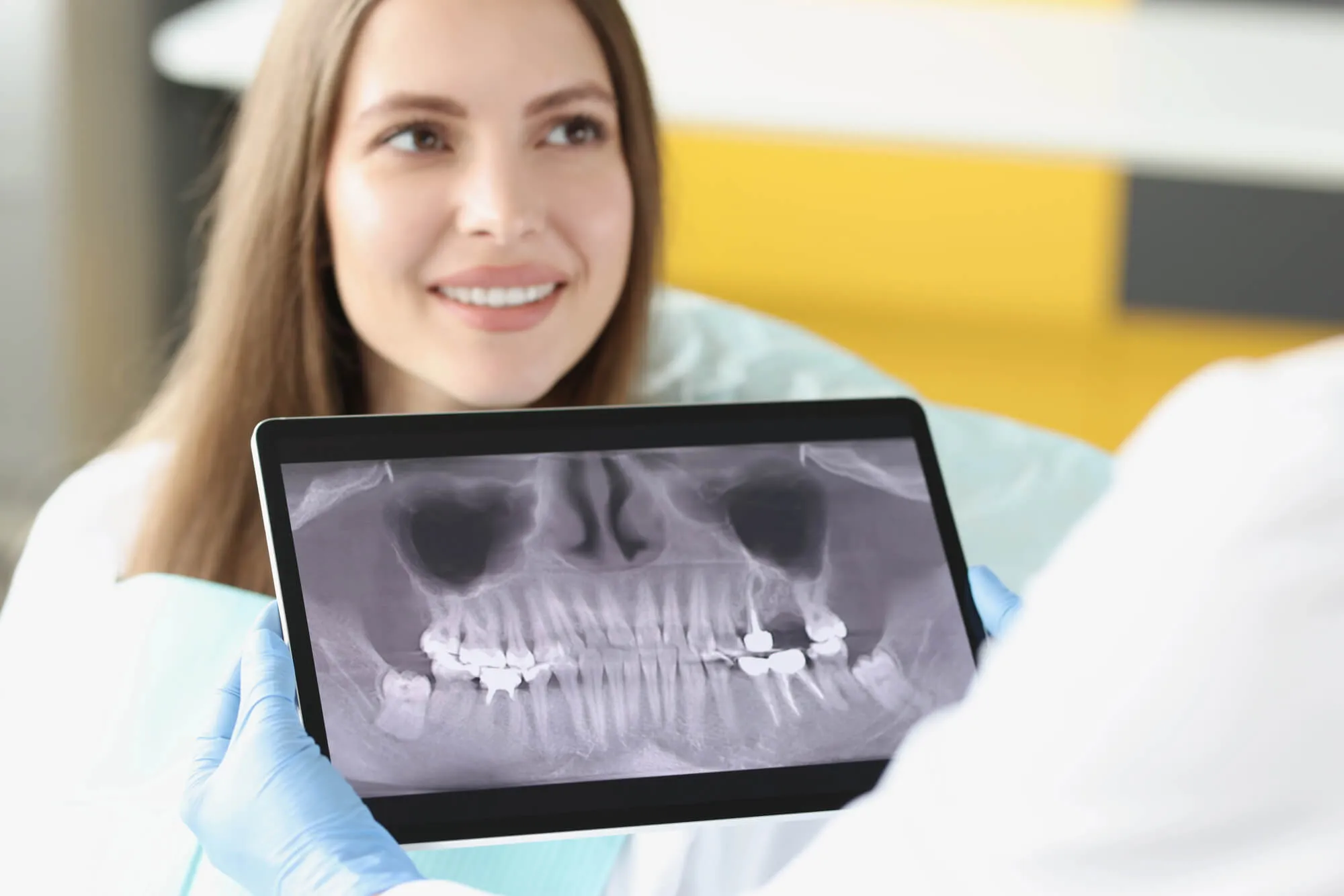
Many patients exploring permanent dental implants assume the word “permanent” means they will never need attention again. The truth is a little more practical. Dental implants are designed to be a long-term tooth replacement option, but “permanent” does not mean indestructible or maintenance-free. Understanding this distinction helps patients set realistic expectations before committing to treatment.
The implant post itself is placed into the jawbone and is intended to function as a stable foundation for a replacement tooth. With proper planning, healing, and long-term care, implants can last for many years. However, the visible crown, gum tissue, bite forces, and daily hygiene habits all influence how well the entire restoration holds up over time. Each of these factors contributes to the overall health of the implant system, not just the implant itself.
A better way to think about dental implants is this: they are a long-term solution that depends on healthy support. Just like natural teeth, they need consistent care to stay strong, comfortable, and functional. Patients who actively maintain their oral health often experience fewer complications over time.

The Parts of a Dental Implant and How Long They Typically Last
A dental implant is not just one piece. It usually includes three main parts: the implant post, the abutment, and the crown or prosthetic tooth. Knowing how these components work together can make treatment recommendations easier to understand.
The Implant Post
The implant post is the part placed into the jawbone. It acts like an artificial tooth root and is designed to integrate with the bone during healing. This part is often the longest-lasting component.
Successful integration with the jawbone is one of the most important factors in implant stability. Once integrated, the implant helps stimulate the jawbone in a way that supports continued bone preservation.
The Abutment
The abutment connects the implant post to the visible restoration. It is strong, but like any dental component, it may need evaluation or maintenance over time. Routine examinations help ensure this connection remains secure and functional.
The Crown or Prosthetic Tooth
The crown is the part you see when you smile. Because it handles daily chewing forces, it may eventually wear down or need replacement before the implant post itself does. The lifespan of a crown often depends on biting habits and the materials used during fabrication.
What Can Shorten the Lifespan of Permanent Dental Implants?
Even well-placed implants can develop problems if the surrounding environment becomes unhealthy. The most common risks are often preventable. Recognizing these risks early can help patients make informed decisions about their long-term care.
Poor Oral Hygiene
Implants cannot get cavities, but plaque can still build up around them. If bacteria collect near the gumline, the tissue around the implant can become irritated or inflamed. Daily plaque removal remains one of the simplest ways to protect implant health. Patients who establish a consistent cleaning routine early often find long-term maintenance easier to manage.
Gum Disease and Peri-Implantitis
Gum health is essential for implant stability. Inflammation around implants can affect the supporting bone if it is not addressed early. Early treatment is often less invasive than waiting for symptoms to worsen.
Smoking and Tobacco Use
Tobacco use can interfere with healing and may increase the risk of complications. Patients who smoke should discuss this honestly before treatment. Reducing or quitting tobacco use may improve both healing and long-term outcomes.
Teeth Grinding and Excessive Bite Force
Grinding or clenching can place extra pressure on implant crowns, abutments, and supporting bone. A night guard may be recommended if bite force is a concern. Many patients are unaware they grind their teeth until signs of wear become visible.

Common Misconceptions About Permanent Dental Implants
“They Never Need Maintenance”
Permanent does not mean maintenance-free. Implants still require brushing, flossing, and professional dental cleanings. Consistent maintenance helps preserve both function and appearance.
“Once They Heal, You’re Done”
Healing is only one phase. Long-term monitoring helps catch small changes before they become bigger concerns. Preventive care is often more effective than corrective treatment later.
“Implants Can’t Develop Problems”
The implant itself may be artificial, but the gums and bone around it are living tissues. Those tissues still need protection and care. Healthy supporting tissues are essential for long-term implant success.
Surprising Factors That Help Implants Last Longer
Routine Professional Maintenance
Regular dental visits allow your provider to check implant stability, gum health, and crown condition. These visits can also identify changes that may not yet be causing symptoms. Professional cleanings can remove hardened deposits that are difficult to eliminate through home care alone.
Early Detection of Minor Issues
Small issues, such as inflammation or bite changes, are easier to manage when caught early. Addressing minor concerns promptly can help prevent more extensive treatment later.
Consistent Home Care Habits
Daily cleaning matters. Using the right tools around implants helps reduce plaque buildup and supports healthier gum tissue. Even a few minutes of daily care can have a lasting impact on implant longevity.
Before, During, and After Getting Permanent Dental Implants
Before Treatment
Before implant placement, your provider evaluates your oral health, jawbone structure, medical history, and treatment goals. Imaging helps determine whether the bone can support an implant or whether additional preparation is needed. Comprehensive planning helps reduce unexpected challenges during treatment.
During Implant Placement
The implant is surgically placed into the jawbone. Sedation or anesthesia options may be discussed to help keep the experience comfortable and manageable. Understanding your comfort options beforehand can help reduce treatment anxiety.
After Treatment
Healing takes time. The implant must integrate with the bone before the final restoration is placed. After that, maintenance becomes the key to long-term success. Following post-operative instructions closely supports a smoother recovery process.
What Patients Should Know About Long-Term Success
The long-term success of permanent dental implants depends on more than the day they are placed. Healthy gums, strong bone support, routine dental visits, and consistent home care all matter. Patients should understand that implants are a long-term investment, and small daily habits can make a major difference in how well they last.
The goal is not just keeping the implant in place, but maintaining comfortable, healthy function for years to come.
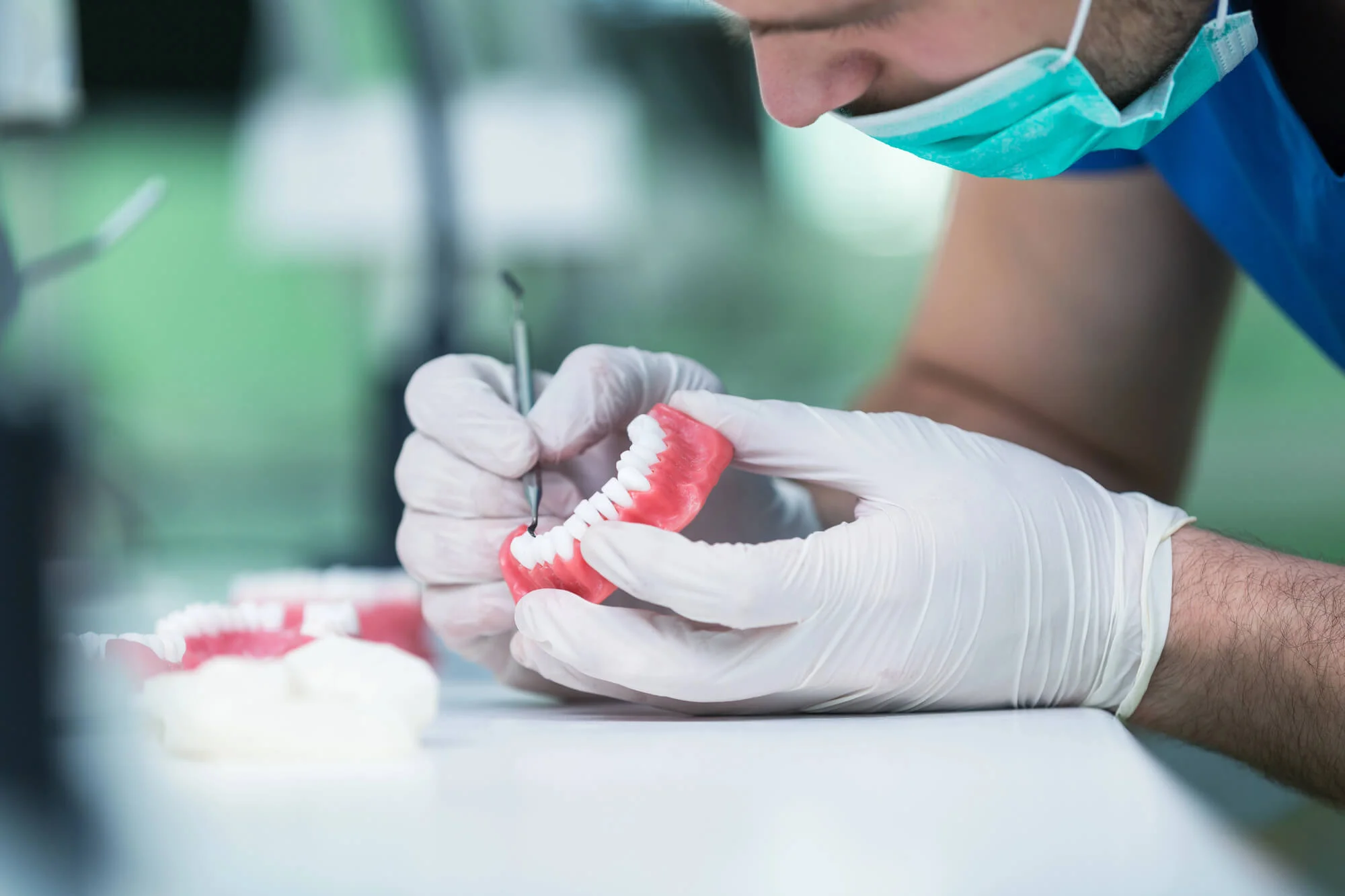
Talk to Our Team About Permanent Dental Implants and Your Treatment Options
At Georgetown Sedation Dentistry, we understand that deciding whether permanent dental implants are right for you can feel like a major decision. Our team is here to answer your questions, explain every step of the process, and help you understand what to expect before, during, and after treatment.
Whether you're concerned about comfort, healing time, long-term maintenance, or sedation options, we're happy to discuss your needs and help you make an informed decision. Contact Georgetown Sedation Dentistry today to schedule a consultation and learn more about your options for permanent dental implants.

150 Mt Vernon Dr, Georgetown, KY 40324 Suite 201
Monday 8 AM - 5 PM
Tuesday 8 AM - 5 PM
Wednesday CLOSED
Thursday 8 AM - 5 PM
Friday 8 AM - 5 PM
Saturday CLOSED
Sunday CLOSED

.svg)
.svg)
.svg)
.svg)
© 2024. Georgetown Sedation Dentistry | Privacy Policy | ADA Compliance
Website by: Digital Resource