

Teeth are designed to be strong—but they’re not indestructible. For patients who suffer from bruxism (chronic teeth grinding or clenching), years of pressure can slowly wear teeth down, leading to serious functional and aesthetic issues.
If you’ve noticed your teeth looking shorter, flatter, or more sensitive, you may be dealing with the long-term effects of grinding. The good news? A full mouth reconstruction can restore your smile, rebuild your bite, and protect your oral health for the future.
What Is Bruxism?

Bruxism is the habitual grinding or clenching of teeth, often occurring during sleep. Many patients don’t even realize they have it until symptoms begin to appear.
Over time, this repeated pressure can wear down enamel, flatten or chip teeth, and even lead to chronic jaw pain or tension. Some patients also experience frequent headaches or facial soreness without realizing that grinding is the underlying cause. Because bruxism often happens unconsciously, the damage can progress gradually—sometimes for years—before patients seek treatment.
How Bruxism Leads to Severe Tooth Damage
The force generated by grinding is significantly stronger than normal chewing. In fact, bruxism can place hundreds of pounds of pressure on your teeth.
As this excessive force continues over time, enamel begins to wear away, exposing the softer dentin underneath. This not only increases tooth sensitivity but also makes teeth more vulnerable to chips and fractures. Gradually, teeth lose their natural shape and height, which can alter your bite and create uneven pressure across your smile.
Eventually, this cycle leads to widespread damage that affects not just individual teeth, but your entire bite system. At this stage, a comprehensive solution like a full mouth reconstruction is often needed.
Signs You May Need Full Mouth Reconstruction
Bruxism-related damage doesn’t always happen overnight—but there are clear signs to watch for.
You may benefit from treatment if you notice:
- Teeth that appear worn down or shortened
- Increased tooth sensitivity
- Cracks, chips, or fractures
- Jaw pain or stiffness
- Difficulty chewing comfortably
- Changes in your bite or how your teeth fit together
When multiple teeth are affected, addressing them individually isn’t enough. A full-mouth approach ensures everything works together properly.
What Is Full Mouth Reconstruction?
A full mouth reconstruction is a customized treatment plan that rebuilds or restores all (or most) of your teeth.
Rather than focusing on one problem at a time, this approach considers how your entire oral system works together. It addresses function—how your teeth come together when you bite—while also restoring structural integrity and improving the appearance of your smile. The end goal is to create a balanced, durable, and natural-looking result that supports long-term oral health.
Treatments Commonly Used in Reconstruction
Because every case is different, full mouth reconstruction often involves a combination of procedures.
These may include:
- Dental crowns to rebuild worn teeth
- Veneers to restore shape and appearance
- Dental implants for missing teeth
- Bridges or restorations for structural support
- Bite adjustments to correct alignment
Instead of a one-size-fits-all solution, your dentist carefully designs a plan tailored to your specific needs and level of wear.
Rebuilding Your Bite: Why It Matters
One of the most important aspects of treating bruxism damage is restoring proper bite alignment.
When teeth are worn down unevenly, it can put excessive pressure on certain areas, increasing the risk of future damage and contributing to jaw discomfort or TMJ issues. A full mouth reconstruction corrects these imbalances by rebuilding the proper height and shape of your teeth.
This not only improves how your teeth function but also helps protect your restoration from ongoing wear, creating a more stable and comfortable bite.

The Role of Sedation in Full Mouth Reconstruction
For many patients, the idea of undergoing multiple dental procedures can feel overwhelming. That’s where sedation dentistry plays a key role.
Why Sedation Matters
Full mouth reconstruction often involves multiple treatments and longer appointments that require precision and focus. Sedation helps keep you relaxed throughout the process, reducing awareness of time and minimizing any discomfort. This allows your dentist to work more efficiently while ensuring you remain comfortable from start to finish.
Fewer Visits, More Progress
One of the biggest advantages of sedation is the ability to complete more work in fewer visits.
Instead of spreading treatment across many shorter appointments, sedation allows your dentist to restore multiple teeth or perform combined procedures in a single session. This not only speeds up your overall treatment timeline but also reduces the number of times you need to return to the office—making the process far more convenient.
A More Comfortable Experience
Sedation also plays a major role in improving the overall patient experience. It helps reduce anxiety, physical tension, and sensitivity, especially during longer procedures. Many patients describe feeling deeply relaxed, with little memory of the appointment afterward.
This makes full mouth reconstruction feel far more manageable, even for those who have previously avoided dental care due to fear or discomfort.
Protecting Your Results After Treatment
Once your full mouth reconstruction is complete, protecting your new smile is essential—especially if bruxism was the underlying cause.
Long-Term Protection Strategies
Your dentist may recommend:
- A custom nightguard to prevent grinding
- Regular dental checkups to monitor wear
- Stress management techniques if clenching is stress-related
These steps help ensure your restored teeth remain strong and functional for years to come.
The Emotional Impact: More Than Just Teeth
A cracked, worn-down smile doesn’t just affect function—it can also impact how you feel about yourself.
Patients who undergo full mouth reconstruction often notice a significant boost in confidence. Eating becomes easier and more enjoyable, chronic discomfort may improve, and smiling feels natural again. These changes can have a ripple effect on daily life, from social interactions to overall well-being.
The Takeaway: Rebuild, Restore, and Protect
Bruxism can take a serious toll on your teeth over time—but it doesn’t have to be permanent.
With a carefully planned full mouth reconstruction, it’s possible to restore your smile’s appearance, rebuild proper function, and protect against future damage. Combined with sedation dentistry, the process can be more efficient and comfortable than many patients expect.
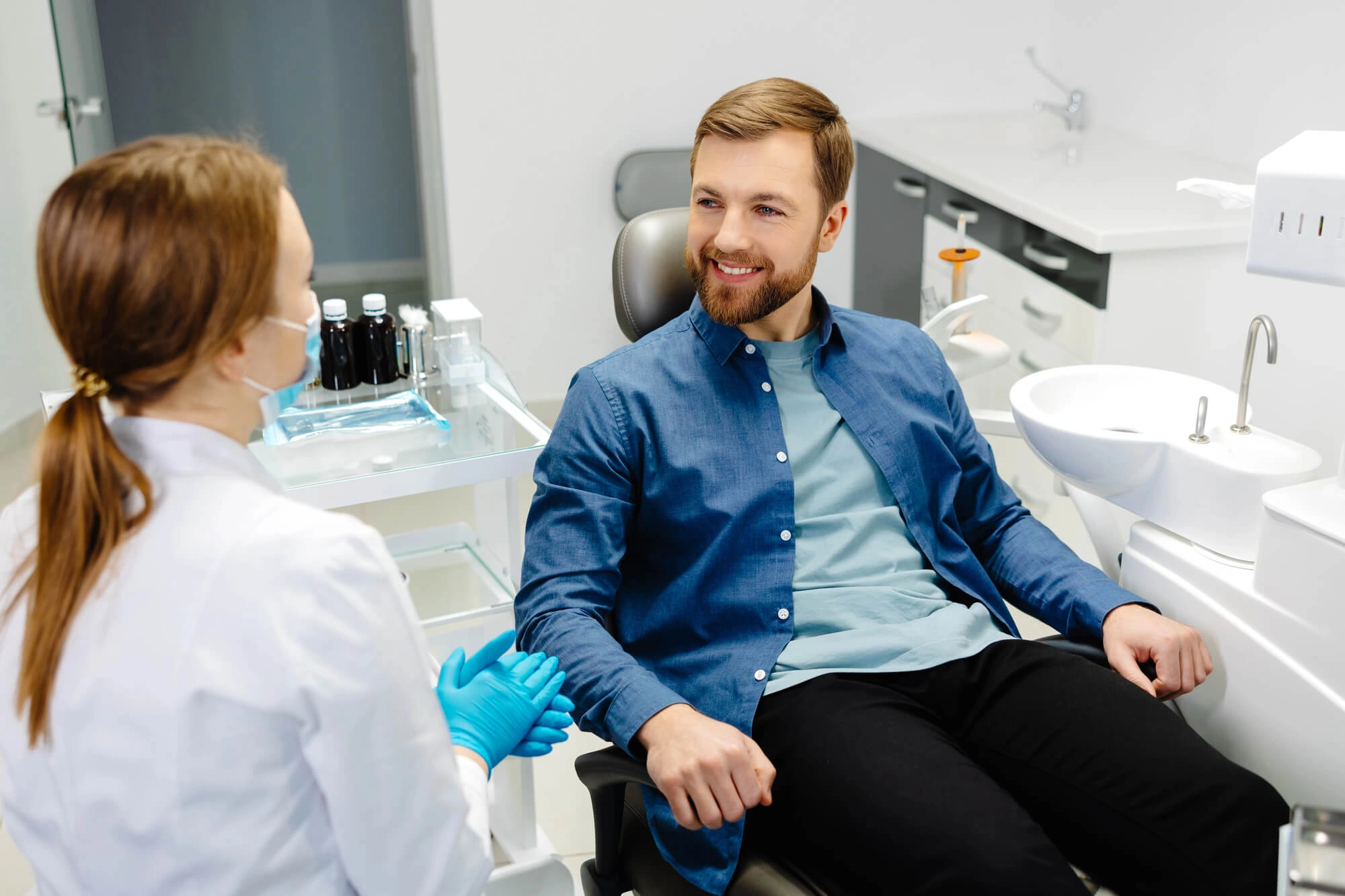
Address Worn Teeth with Full Mouth Reconstruction
If you’re dealing with worn, damaged teeth from grinding, don’t wait for the problem to get worse. A personalized treatment plan from Georgetown Sedation Dentistry can help you restore your smile and protect your oral health long-term. Call us today to get started!

150 Mt Vernon Dr, Georgetown, KY 40324 Suite 201
Monday 8 AM - 5 PM
Tuesday 8 AM - 5 PM
Wednesday CLOSED
Thursday 8 AM - 5 PM
Friday 8 AM - 5 PM
Saturday CLOSED
Sunday CLOSED

.svg)
.svg)
.svg)
.svg)
© 2024. Georgetown Sedation Dentistry | Privacy Policy | ADA Compliance
Website by: Digital Resource