

If you’re researching dental implants in Lexington, KY, you may be wondering: Can a general dentist place dental implants, or do I need a specialist?
The short answer is that while some general dentists may offer implant placement, dental implant surgery is a complex procedure that often requires advanced training, surgical precision, and a deep understanding of bone structure and oral health. Choosing the right provider can make the difference between long-term success and serious complications.
At Georgetown Sedation Dentistry, patient safety, comfort, and long-lasting results come first. Let’s break down why implant expertise matters—and when seeing a specialist is the smarter choice.
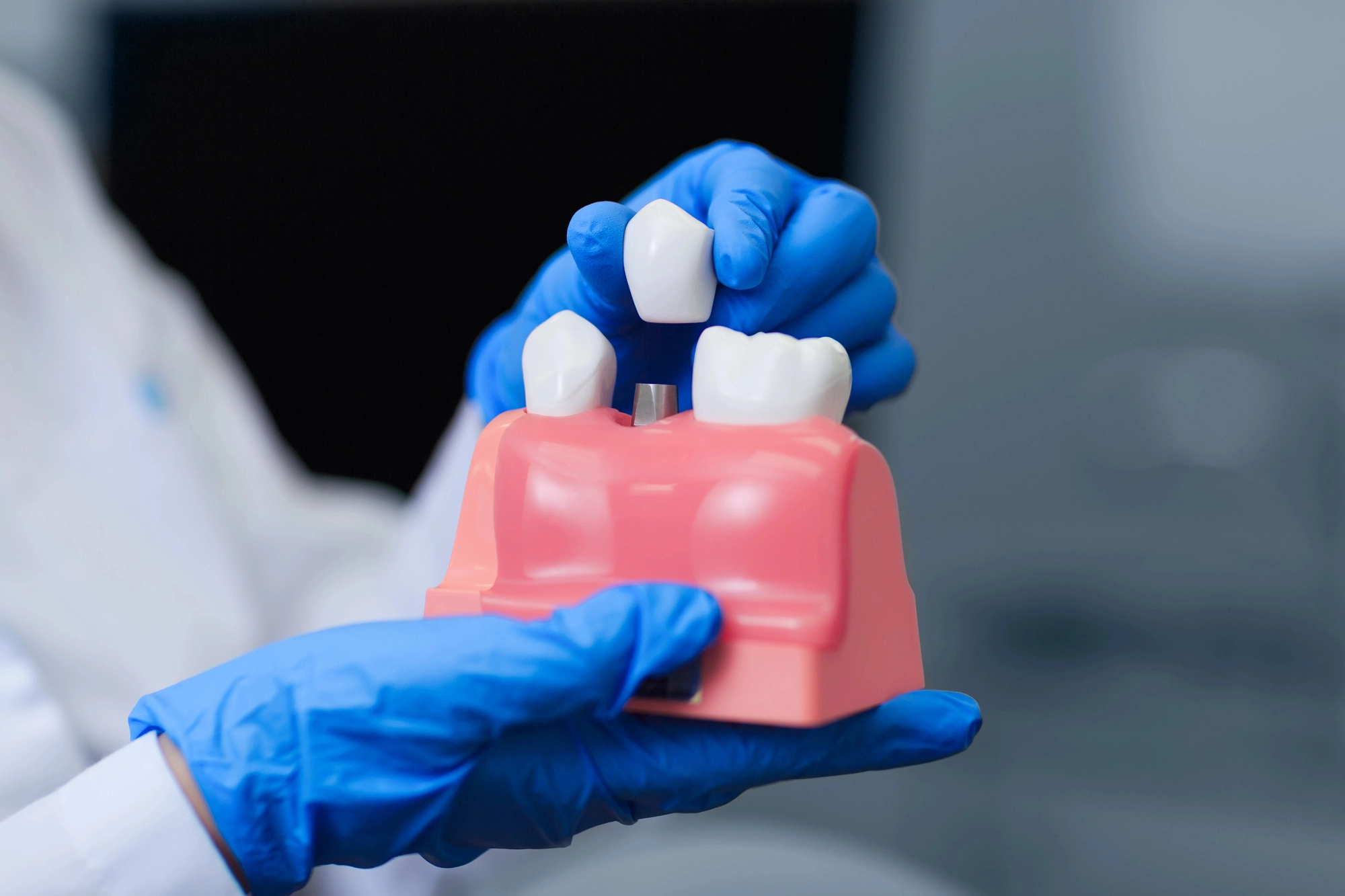
Understanding Dental Implants
A dental implant is not just a replacement tooth. It’s a multi-step surgical procedure designed to replicate both the root and crown of a natural tooth.
A complete dental implant includes:
- A titanium post that is surgically placed into the jawbone
- An abutment that connects the post to the restoration
- A custom dental crown that restores function and appearance
The key to implant success is osseointegration, the process where the implant fuses with your jawbone. This fusion creates a stable, long-lasting foundation. However, achieving it requires precise placement, proper bone density, and careful treatment planning.
That’s where experience truly matters.
Can a General Dentist Legally Place Implants?
In many states, general dentists are legally allowed to place dental implants. However, legality and expertise are not the same thing.
Dental school provides foundational knowledge, but implant surgery requires:
- Advanced surgical training
- In-depth understanding of bone anatomy
- Experience managing complications
- Knowledge of sedation and patient comfort techniques
- Precision planning using 3D imaging
Some general dentists pursue additional continuing education in implantology. Others may refer patients to oral surgeons or implant specialists for the surgical portion of care.
When considering dental implants, it’s important to ask about training, experience, and the number of implants the provider has successfully placed.
Why Implant Surgery Is More Complex Than It Looks
On the surface, placing an implant might seem straightforward: insert a post and attach a crown. In reality, implant dentistry is highly technical.
Here’s why:
Bone Density and Volume Assessment
Not every patient has enough bone to support an implant. Bone loss can occur after tooth extraction, gum disease, or long-term denture use. Specialists are trained to evaluate whether:
- Bone grafting is needed
- A sinus lift is required
- The jawbone can support long-term stability
Misjudging bone quality can lead to implant failure.
Proximity to Nerves and Sinuses
Implants must be positioned carefully to avoid:
- The inferior alveolar nerve (which can cause numbness or pain if damaged)
- The sinus cavity in the upper jaw
- Adjacent tooth roots
Even slight misplacement can result in chronic discomfort or the need for corrective surgery.
Surgical Complications
While implant success rates are high, complications can occur, including:
- Infection
- Implant failure
- Improper integration with the bone
- Soft tissue complications
Specialists are trained to anticipate and manage these risks effectively.
Healing and Long-Term Integration
Implant placement doesn’t end when the titanium post is inserted. The healing phase is just as critical. Osseointegration can take several months and must be carefully monitored.
If the implant is placed under too much pressure, exposed to infection, or positioned improperly, it may fail to integrate fully. Specialists understand how to manage healing timelines, temporary restorations, and follow-up care to protect long-term success.
Proper oversight during this stage significantly reduces the risk of implant failure and future complications.

The Role of a Specialist in Dental Implant Surgery
Dental implant specialists, such as oral surgeons or periodontists, complete years of additional surgical training beyond dental school. Their education focuses heavily on:
- Bone grafting techniques
- Complex extractions
- Sedation and anesthesia
- Advanced implant protocols
This specialized training becomes especially important in complex cases involving:
- Multiple missing teeth
- Full-mouth reconstruction
- Medical conditions affecting healing
When it comes to getting dental implants, choosing a provider with advanced surgical expertise can significantly improve long-term outcomes.
What About Sedation and Comfort?
Implant surgery can cause anxiety for many patients. A specialist with sedation experience can provide:
- Oral conscious sedation
- IV sedation
- Advanced pain management techniques
Sedation dentistry not only improves comfort but also allows for more efficient and precise treatment during longer procedures.
At Georgetown Sedation Dentistry, patient comfort is prioritized alongside clinical excellence. Implant procedures are performed with careful planning, modern technology, and sedation options designed to reduce stress and enhance the overall experience.
Risks of Choosing the Wrong Provider
Dental implants are an investment in your health and confidence. Choosing a provider based solely on convenience or price can lead to costly revisions later.
Potential risks of inadequate training include:
- Nerve damage
- Improper bite alignment
- Aesthetic issues
- Chronic pain or infection
Correcting a failed implant often requires bone grafting and additional surgery, making the process longer and more expensive than getting it done correctly the first time.
When a General Dentist May Be Appropriate
Not every implant case is highly complex. In straightforward situations, such as a single implant with adequate bone support, a general dentist with advanced implant training may successfully complete the procedure.
The key questions to ask include:
- How many implants have you placed?
- What advanced training have you completed?
- Do you use 3D cone beam imaging for planning?
- What is your complication rate?
- Who handles surgical complications if they arise?
Transparency and experience matter.
Why Experience Matters
Implant success isn’t just about placing a post in the jaw. It’s about:
- Proper diagnosis
- Strategic surgical planning
- Bone health evaluation
- Safe placement
- Long-term follow-up care
A specialist brings advanced surgical skills and the ability to manage even the most complex cases. That expertise can protect both your health and your investment.

Interested in Dental Implants in Lexington, KY? Make the Right Choice for Your Smile
Dental implants are one of the most effective, long-lasting solutions for missing teeth. They restore chewing ability, facial structure, speech clarity, and confidence. However, their success depends heavily on who performs the surgery.
If you’re researching dental implants in Lexington, KY, take the time to choose a provider with advanced surgical training and a strong track record. Your smile—and your long-term oral health—deserve nothing less.
At Georgetown Sedation Dentistry, our team is committed to delivering high-quality care with precision, safety, and comfort at the forefront of every procedure. Contact our office if you have any additional questions!

150 Mt Vernon Dr, Georgetown, KY 40324 Suite 201
Monday 8 AM - 5 PM
Tuesday 8 AM - 5 PM
Wednesday CLOSED
Thursday 8 AM - 5 PM
Friday 8 AM - 5 PM
Saturday CLOSED
Sunday CLOSED

.svg)
.svg)
.svg)
.svg)
© 2024. Georgetown Sedation Dentistry | Privacy Policy | ADA Compliance
Website by: Digital Resource