
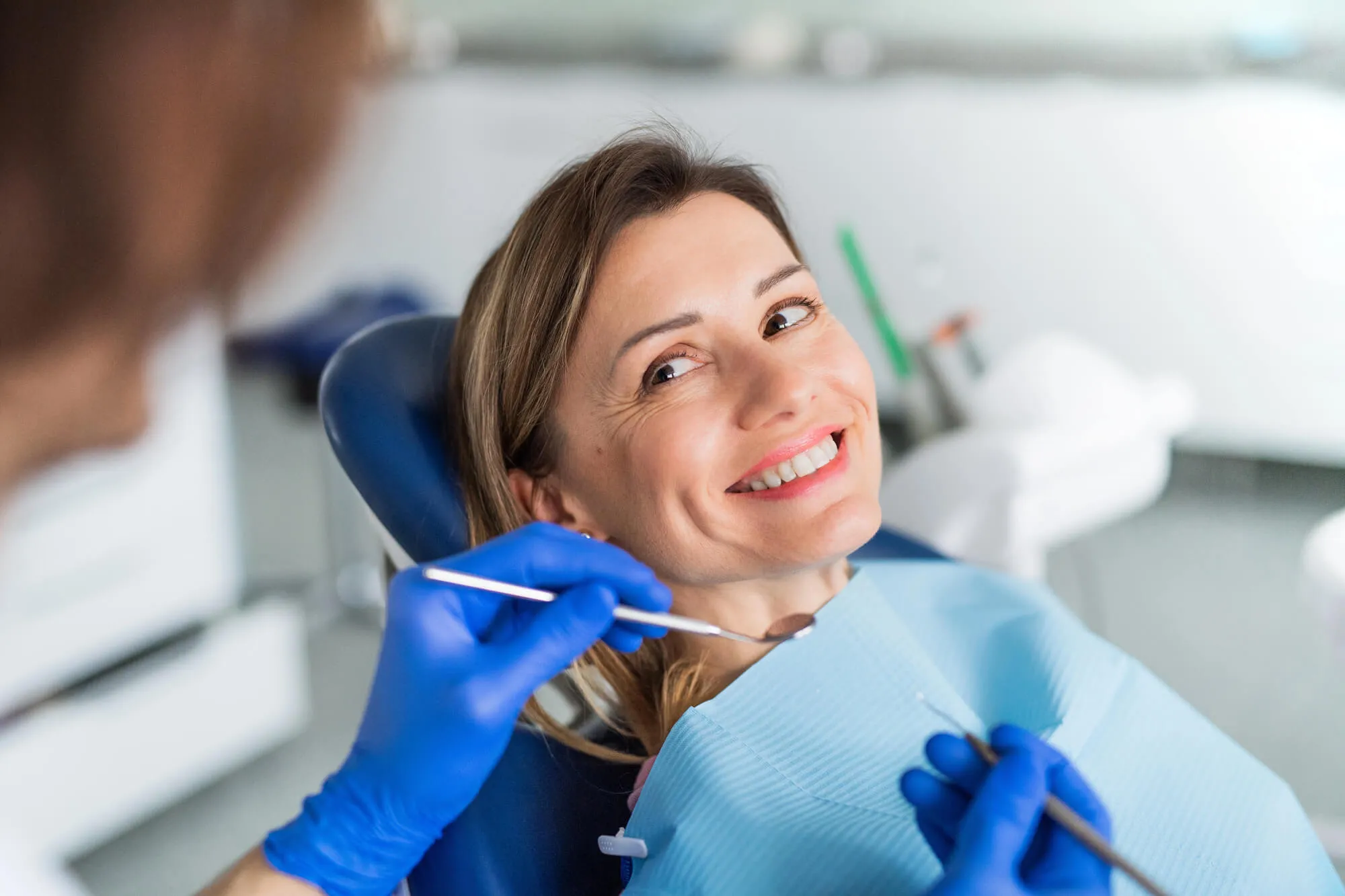
If the thought of a needle makes you nervous, you're far from alone. Fear of needles, also called trypanophobia, affects many people and can make even routine dental visits feel overwhelming. Unfortunately, avoiding treatment because of this fear can allow small dental problems to become larger, more painful, and more expensive to fix.
Many patients searching for a sedation dentist in Versailles, KY, are looking for more than fast treatment. They also want an experience that feels comfortable and stress-free. That's where sedation dentistry can make a meaningful difference. It helps patients relax before and during treatment, making it easier to receive the care they need without unnecessary anxiety.
If you've ever wondered whether sedation dentistry could help you overcome a fear of needles, here's what you should know.
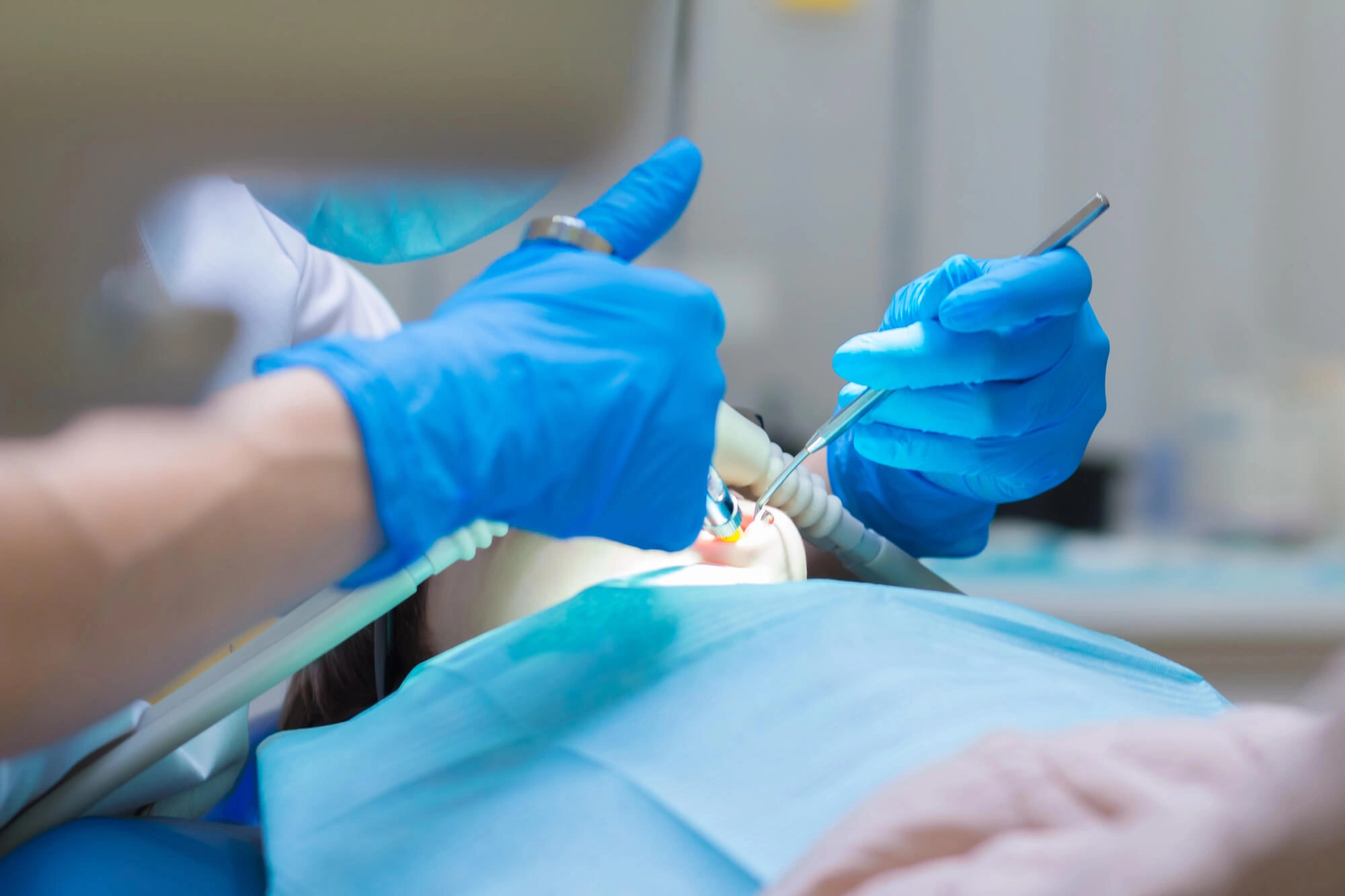
Why Needle Anxiety Is More Common Than Many People Realize
Fear of Needles Isn't Always the Same as Dental Anxiety
People often assume that anyone who avoids the dentist is afraid of dental procedures. In reality, many individuals are comfortable with cleanings, exams, and even restorative work, but become extremely anxious when injections are involved.
Needle anxiety can develop for many reasons, including:
Previous painful medical or dental experiences
- Fear of pain
- Feeling a loss of control during treatment
- Watching or hearing about negative experiences from others
Understanding the source of your anxiety is the first step toward finding a solution that works for you.
Delaying Treatment Can Lead to Bigger Problems
When fear keeps you from visiting the dentist, dental issues rarely improve on their own. A small cavity may eventually require a crown, root canal, or extraction. Gum disease can worsen without professional care, and damaged teeth become more vulnerable over time.
Addressing needle anxiety early can help you receive treatment before dental problems become more complex.
How Sedation Dentistry Helps Patients Feel More Comfortable
Sedation Helps You Relax Without Necessarily Putting You to Sleep
One of the biggest misconceptions about sedation dentistry is that patients are completely unconscious. In reality, most forms of dental sedation are designed to help you feel deeply relaxed while remaining awake enough to respond to simple instructions.
Depending on the type of sedation your dentist recommends, you may feel calm, sleepy, or less aware of your surroundings throughout the procedure.
Sedation Often Begins Before Local Anesthetic
Many patients worry most about receiving the numbing injection. Fortunately, sedation can often be administered before local anesthetic is given.
Because you're already relaxed, the injection may feel much less intimidating. Some patients remember very little about this part of the appointment afterward.
Local Anesthetic Still Plays an Important Role
Sedation reduces anxiety, but it doesn't replace local anesthetic. The anesthetic numbs the treatment area so you remain comfortable throughout the procedure, while sedation helps you stay relaxed during the experience.
Working together, these two approaches allow many patients with needle anxiety to receive dental care much more comfortably than they expected.
What to Expect Before, During, and After Sedation
Before Your Appointment
Your sedation dentist will review your medical history, discuss any medications you're taking, and determine which sedation option is appropriate for your needs.
You'll also receive instructions that may include:
- Whether you should avoid eating or drinking beforehand
- Arranging transportation home if deeper sedation is used
- Wearing comfortable clothing
- Asking questions about the procedure before treatment begins
During Your Procedure
Once sedation takes effect, you'll likely feel significantly calmer. Throughout your appointment, your dental team will monitor you carefully to ensure your comfort and safety.
Depending on the type of sedation used, you may remember everything, remember only parts of the visit, or feel as though the appointment passed surprisingly quickly.
After Your Visit
Recovery varies depending on the sedation method. Some patients return to normal activities relatively quickly, while others may need someone to drive them home and rest for the remainder of the day.
Following your dentist's aftercare instructions will help ensure a smooth recovery.

Common Myths About Sedation Dentistry
Myth: Sedation Is Only for Major Dental Procedures
Sedation isn't reserved for oral surgery or lengthy treatments. It may also benefit patients receiving fillings, crowns, deep cleanings, or other procedures if anxiety makes treatment difficult.
Myth: You'll Be Completely Unconscious
Most dental sedation keeps patients awake but deeply relaxed. General anesthesia is only used in specific situations and isn't the standard option for most dental visits.
Myth: Sedation Is Only for People With Severe Dental Anxiety
Even if you're only anxious about needles, sedation may still be appropriate. Your sedation dentist can recommend an option based on your individual concerns rather than assuming every patient needs the same approach.
Is Sedation Dentistry Right for Everyone?
Several Factors Help Determine the Best Option
Not every type of sedation is suitable for every patient. Your sedation dentist will consider factors such as:
Overall health
- Medical conditions
- Current medications
- Planned dental procedure
- Level of anxiety
- Personal preferences
Personalized Care Matters
Sedation dentistry isn't one-size-fits-all. An individualized approach helps ensure you receive the safest and most effective option based on your needs and treatment goals.
Frequently Asked Questions
Will I Still Feel the Needle?
Sedation helps you feel calmer before local anesthetic is administered. While local anesthetic is still necessary to numb the treatment area, many patients find the experience much less stressful because they're already relaxed.
Can I Eat Before My Appointment?
It depends on the type of sedation you'll receive. Some forms require fasting beforehand, while others have fewer restrictions. Always follow the instructions provided by your dental team.
Will I Remember the Procedure?
Some sedation methods may reduce your memory of the appointment, while others simply help you remain calm and comfortable throughout treatment. Your experience depends on the sedation option selected.
Is Sedation Dentistry Safe?
Yes. When provided by trained dental professionals, sedation dentistry is carefully planned and monitored. Your medical history, medications, and overall health are reviewed to determine the safest approach for your situation.
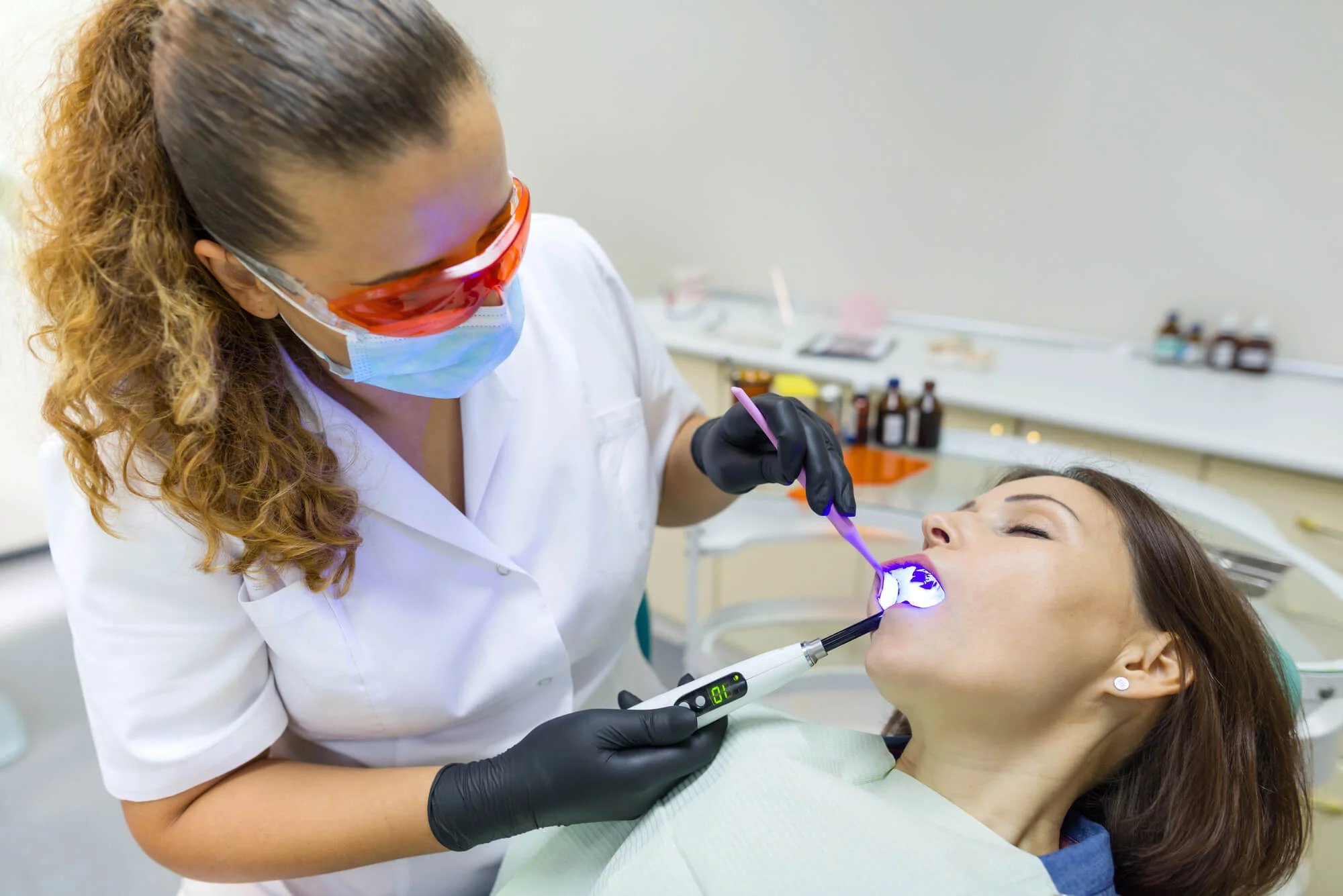
Looking for a Sedation Dentist in Versailles, KY?
At Georgetown Sedation Dentistry, we help patients with needle anxiety feel more comfortable through personalized sedation options.
Whether you need a same-day crown or another procedure, our team will discuss your concerns and recommend the right approach for you. Contact Georgetown Sedation Dentistry today to learn more or schedule a consultation.

150 Mt Vernon Dr, Georgetown, KY 40324 Suite 201
Monday 8 AM - 5 PM
Tuesday 8 AM - 5 PM
Wednesday CLOSED
Thursday 8 AM - 5 PM
Friday 8 AM - 5 PM
Saturday CLOSED
Sunday CLOSED

.svg)
.svg)
.svg)
.svg)
© 2024. Georgetown Sedation Dentistry | Privacy Policy | ADA Compliance
Website by: Digital Resource