
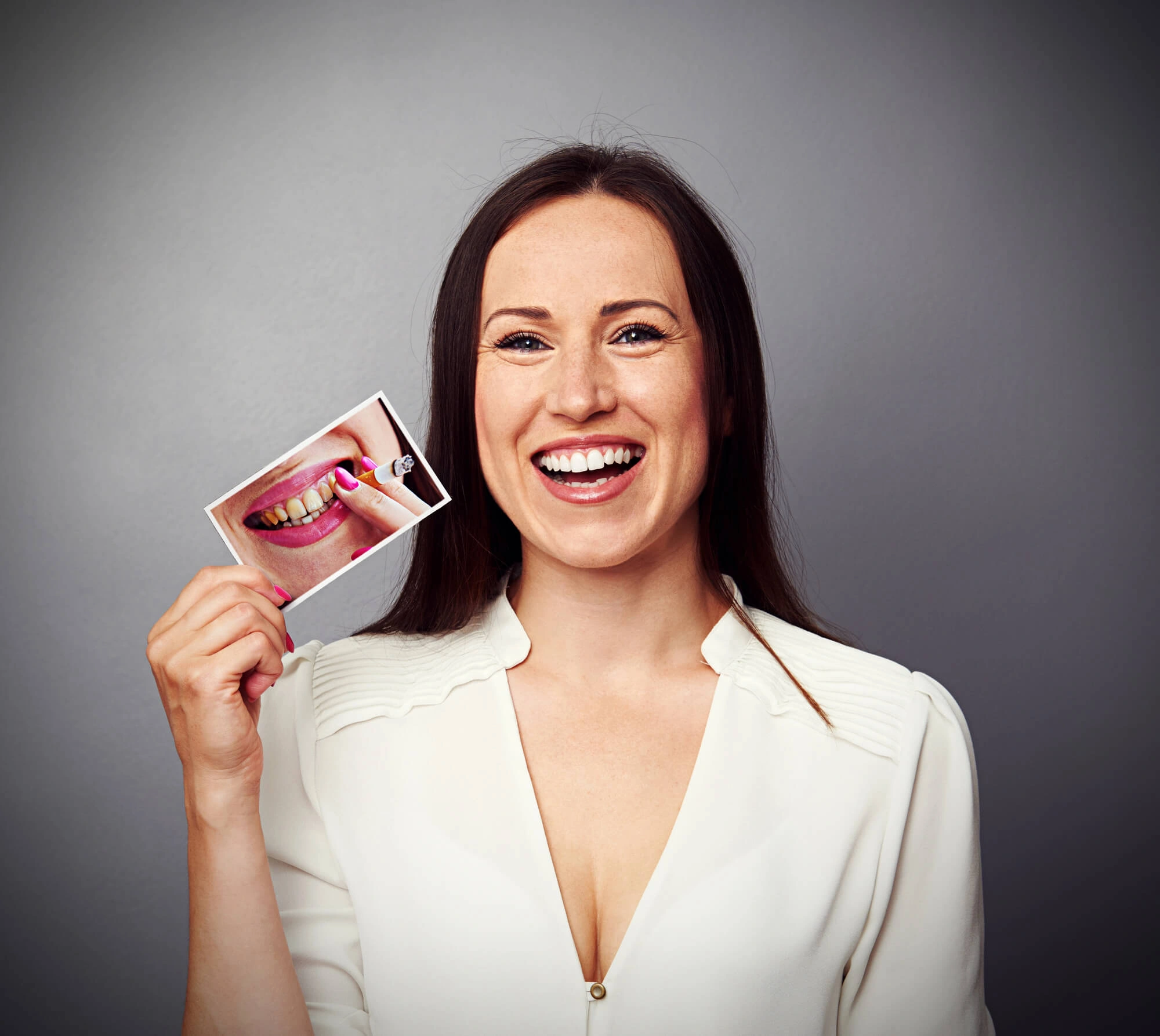
A brighter smile can boost your confidence, which is why teeth whitening remains one of the most requested cosmetic dental treatments. However, not all tooth discoloration is the same. While some stains respond well to professional whitening, others may require a different approach to achieve the results you're hoping for.
If you're considering teeth whitening in Georgetown, it's important to understand what causes tooth stains and whether whitening is the right solution for your specific situation. Knowing what to expect before treatment can help you make informed decisions and avoid unrealistic expectations.
Here's a closer look at the different types of tooth stains and what professional whitening can—and can't—do.

Why Do Teeth Become Stained?
Surface Stains Develop Over Time
Surface stains, also known as extrinsic stains, affect the outer layer of the tooth (enamel). These stains are often caused by everyday habits, including:
- Drinking coffee, tea, or red wine
- Smoking or using tobacco products
- Eating dark-colored foods such as berries or tomato-based sauces
- Poor oral hygiene that allows plaque and stain buildup
Because these stains remain on or near the enamel, they're often the most responsive to professional whitening treatments.
Some Stains Come From Within the Tooth
Intrinsic stains develop beneath the enamel and are usually more difficult to remove. They can result from:
- Natural aging
- Tooth injuries
- Developmental conditions that affect tooth formation
Since these stains originate inside the tooth, whitening products may not always produce dramatic improvements.
Which Stains Respond Best to Teeth Whitening?
Yellow Stains Often Show Excellent Results
Yellow discoloration is one of the easiest types of staining to improve with professional whitening. These stains commonly develop over time as enamel naturally wears and pigments accumulate.
Many patients notice a brighter smile after treatment when yellow staining is the primary concern.
Brown Stains May Improve Depending on Their Cause
Brown stains caused by food, drinks, or tobacco often respond well to whitening. However, deeper brown discoloration that has developed over many years may require additional cosmetic treatment to achieve the desired appearance.
Your dentist can help determine the cause during your evaluation.
Gray or Blue Stains Can Be More Challenging
Gray or bluish discoloration is often associated with intrinsic staining. While professional whitening may lighten these teeth somewhat, it may not completely eliminate the discoloration.
In these situations, your dentist may recommend other cosmetic options depending on your smile goals.
Common Myths About Teeth Whitening
Myth: Whitening Works the Same for Everyone
Every smile is different. The color of your teeth, the type of staining, your age, and your oral health all influence how well whitening works. That's why two people using the same whitening treatment may see different results.
Myth: More Whitening Means Better Results
Using whitening products more frequently or for longer than directed won't necessarily produce a whiter smile. Instead, overuse may increase tooth sensitivity and gum irritation. Following your dentist's recommendations helps maximize results while protecting your oral health.
Myth: Whitening Changes Crowns and Fillings
Professional whitening only affects natural tooth enamel. Existing crowns, veneers, bonding, and tooth-colored fillings will not become lighter during treatment.
If you have visible restorations, your dentist can discuss how whitening may affect your overall smile appearance.
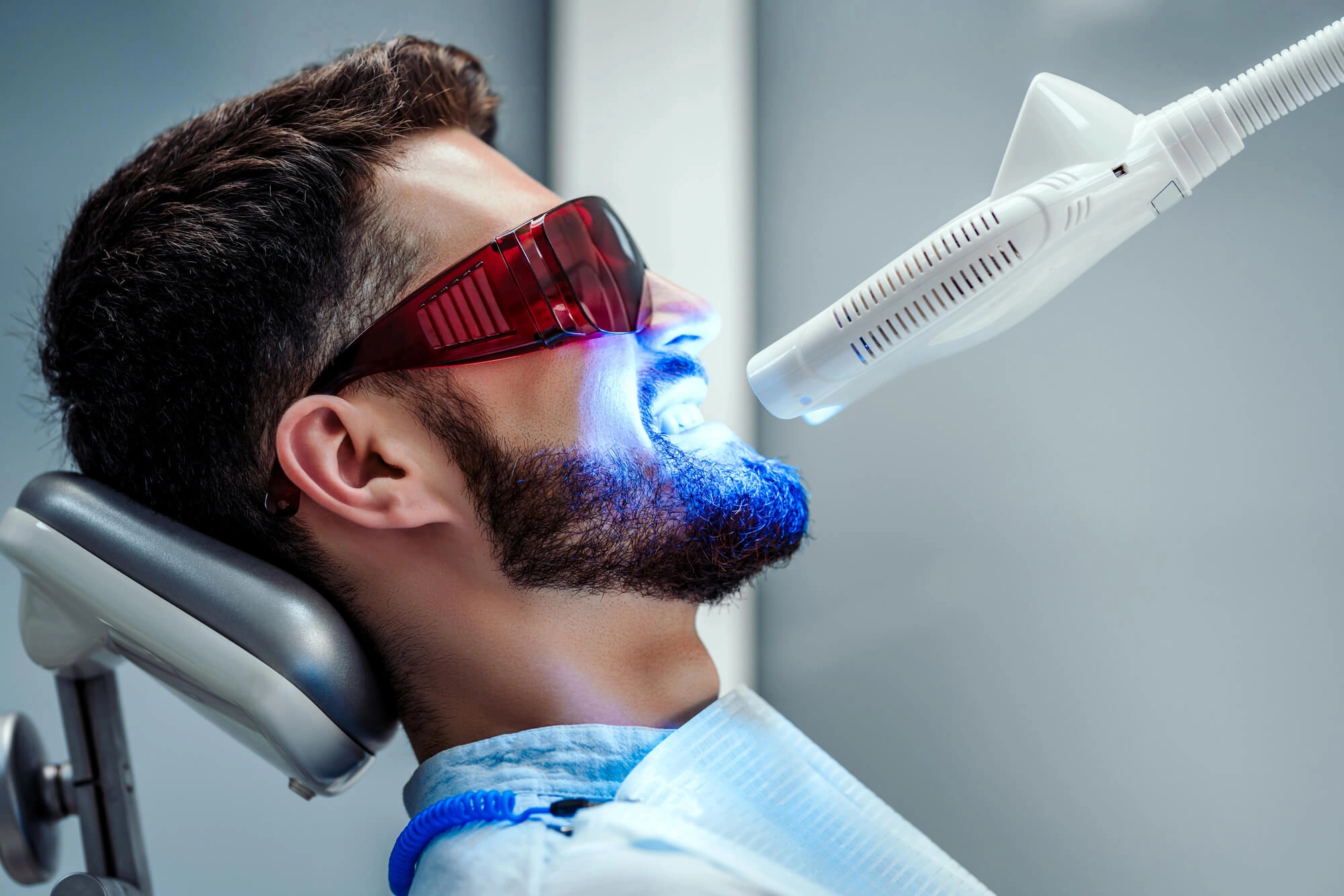
What to Expect Before, During, and After Professional Teeth Whitening
Before Treatment
Your dentist will examine your teeth and determine the cause of your discoloration. This evaluation helps confirm whether whitening is the most appropriate treatment or whether another cosmetic option may provide better results.
During Treatment
Professional whitening uses stronger whitening agents than over-the-counter products while protecting your gums and surrounding tissues. The treatment is carefully monitored to maximize whitening while minimizing sensitivity.
After Treatment
It's normal to experience mild, temporary tooth sensitivity after whitening. Your dentist may also recommend avoiding dark-colored foods and beverages for the first 24 to 48 hours while your teeth stabilize.
Maintaining good oral hygiene and limiting stain-causing habits can help your results last longer. Regular dental cleanings and touch-up treatments may also help preserve your brighter smile over time. Staying hydrated and rinsing your mouth after consuming staining foods can further support long-lasting results.
When Teeth Whitening May Not Be the Best Solution
Professional whitening is highly effective for many patients, but it isn't always the ideal answer for every type of discoloration.
If your stains are caused by internal changes within the tooth or if existing dental restorations affect your smile's appearance, your dentist may discuss alternatives such as:
- Dental veneers
- Tooth-colored bonding
- Dental crowns
These treatments can address discoloration that whitening alone may not be able to correct. In some cases, combining treatments may provide the most natural-looking and long-lasting results. Your dentist will guide you through the options to ensure your smile looks balanced and consistent.
Frequently Asked Questions
How Long Do Professional Whitening Results Last?
Results vary depending on your diet, oral hygiene habits, and lifestyle. Avoiding tobacco products and limiting stain-causing beverages can help maintain your brighter smile.
Will Teeth Whitening Make My Teeth Sensitive?
Some patients experience temporary sensitivity, but it usually resolves within a few days. Your dentist can recommend products or techniques to minimize discomfort.
Can Whitening Remove Stains Caused by Medications?
Medication-related stains often develop inside the tooth and may not respond well to whitening. Your dentist can recommend alternative cosmetic treatments if needed.
Is Professional Whitening Better Than Store-Bought Products?
Professional whitening offers customized treatment, stronger whitening agents, and dentist supervision, which often leads to more predictable and effective results.
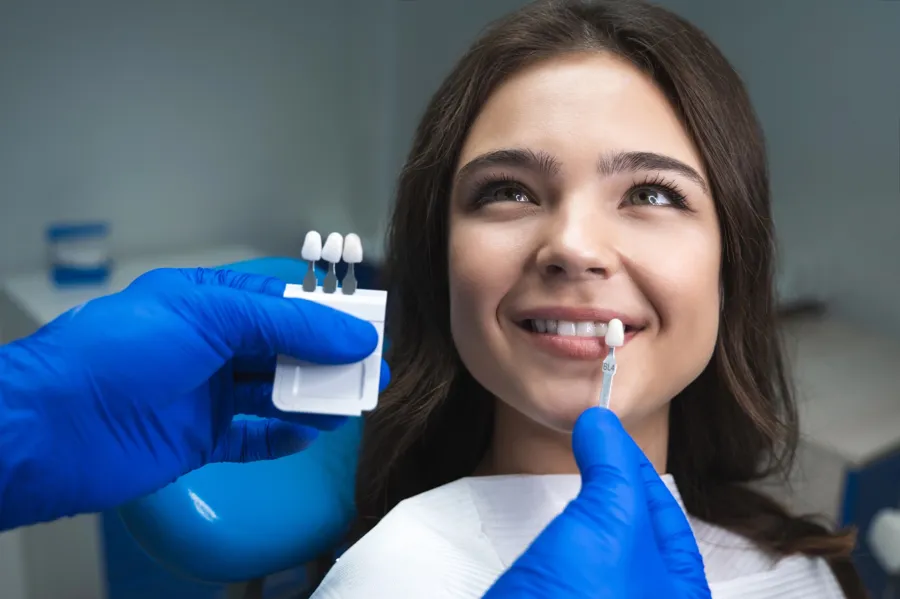
Interested in Teeth Whitening in Georgetown?
At Georgetown Sedation Dentistry, we believe every smile deserves a personalized approach. Before recommending whitening treatment, we'll evaluate the cause of your tooth discoloration and discuss whether professional whitening is the best solution for your goals.
If whitening alone isn't likely to achieve the results you want, we'll explain other cosmetic options that may better fit your needs.
Whether you're looking to brighten your smile for a special occasion or simply feel more confident every day, our team is here to help. Contact Georgetown Sedation Dentistry today to schedule a consultation and learn more about your teeth whitening options.
Ready for a brighter smile? Explore our professional teeth whitening in Georgetown, KY.

150 Mt Vernon Dr, Georgetown, KY 40324 Suite 201
Monday 8 AM - 5 PM
Tuesday 8 AM - 5 PM
Wednesday CLOSED
Thursday 8 AM - 5 PM
Friday 8 AM - 5 PM
Saturday CLOSED
Sunday CLOSED

.svg)
.svg)
.svg)
.svg)
© 2024. Georgetown Sedation Dentistry | Privacy Policy | ADA Compliance
Website by: Digital Resource