
Dental anxiety can range from mild nervousness to a fear so strong that making an appointment feels overwhelming. For some people, the hardest part is not the procedure itself. It is the anticipation, the sounds, the needles, or the feeling of losing control.
If that sounds familiar, you may wonder whether you are “too anxious” for a regular dental appointment. The answer is not necessarily. A sedation dentist can help determine whether sedation may make treatment more manageable, but anxiety alone does not mean you cannot receive routine dental care.
How Do You Know If Your Anxiety Is More Than Nervousness?
Almost everyone feels some nervousness before dental work. The bigger concern is anxiety that changes what you are willing or able to do.
Signs your anxiety may be affecting your care
You might notice that you:
- Avoid appointments even when you know you need care.
- Feel anxious for days before a visit.
- Have a strong fear of needles, pain, or dental sounds.
- Become tense or panicked when you sit in the treatment chair.
- Have a strong gag reflex that makes treatment difficult.
- Need repeated reassurance before allowing treatment to begin.
These reactions do not mean you are difficult or incapable of handling dental treatment. They can be useful information for your dental team.
Dental Anxiety Can Have Different Triggers
There is no single reason people become anxious about dental care. A previous unpleasant experience can play a role. So can fear of pain, embarrassment about the condition of your teeth, needles, or feeling unable to communicate during treatment.
Knowing your trigger can help
Try to identify what bothers you most. Is it the injection? The sound of the drill? The idea of being unable to stop the procedure? Or not knowing what will happen next?
Sharing that information can help your dentist plan the appointment around your concerns. Communication itself can make the experience feel more predictable.
Sedation Does Not Mean You Are “Too Anxious” for Dentistry
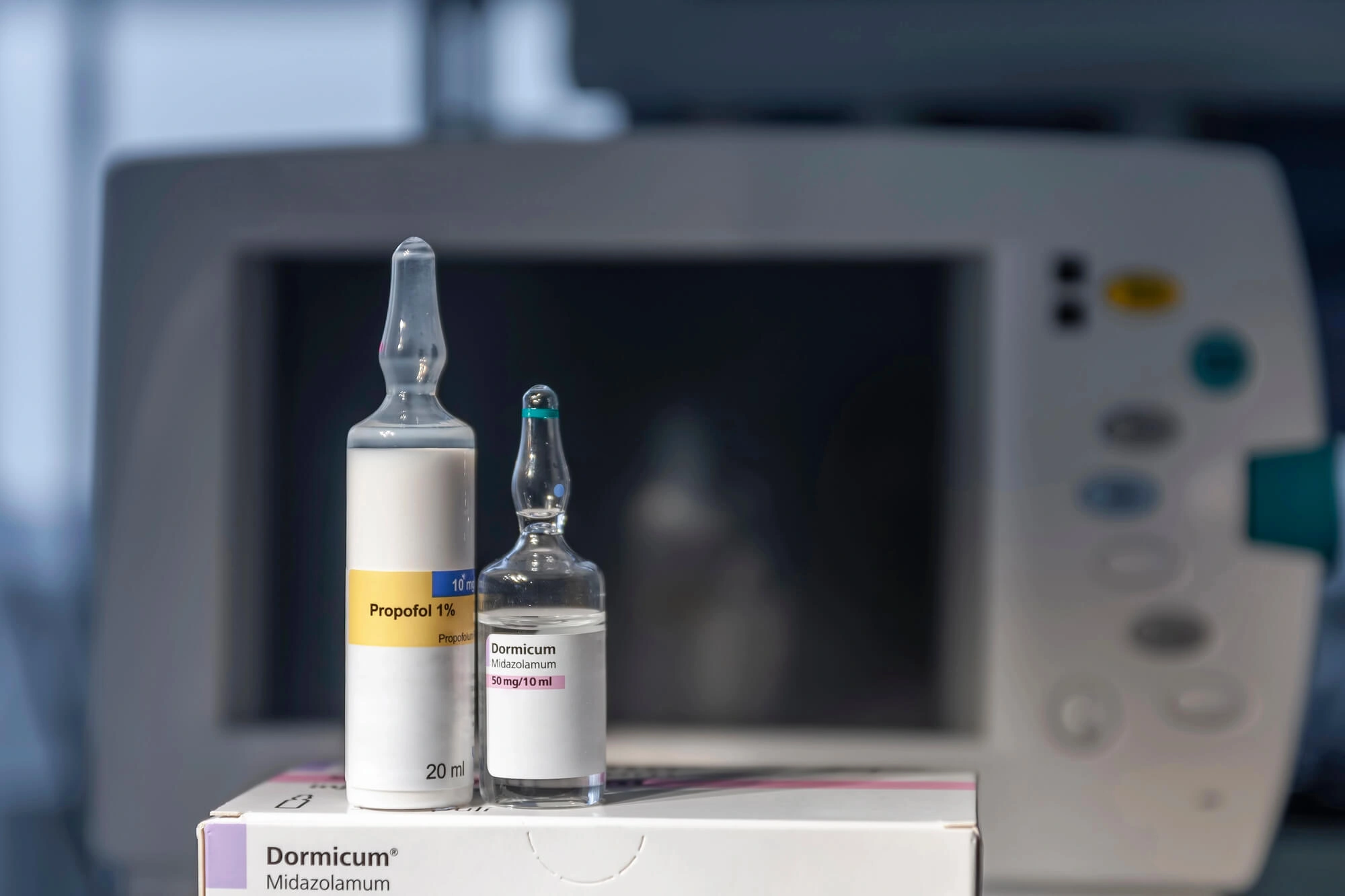
Sedation is one tool dentists can use to help patients manage anxiety during treatment. It does not mean your anxiety is extreme or that you have failed to cope with dental care.
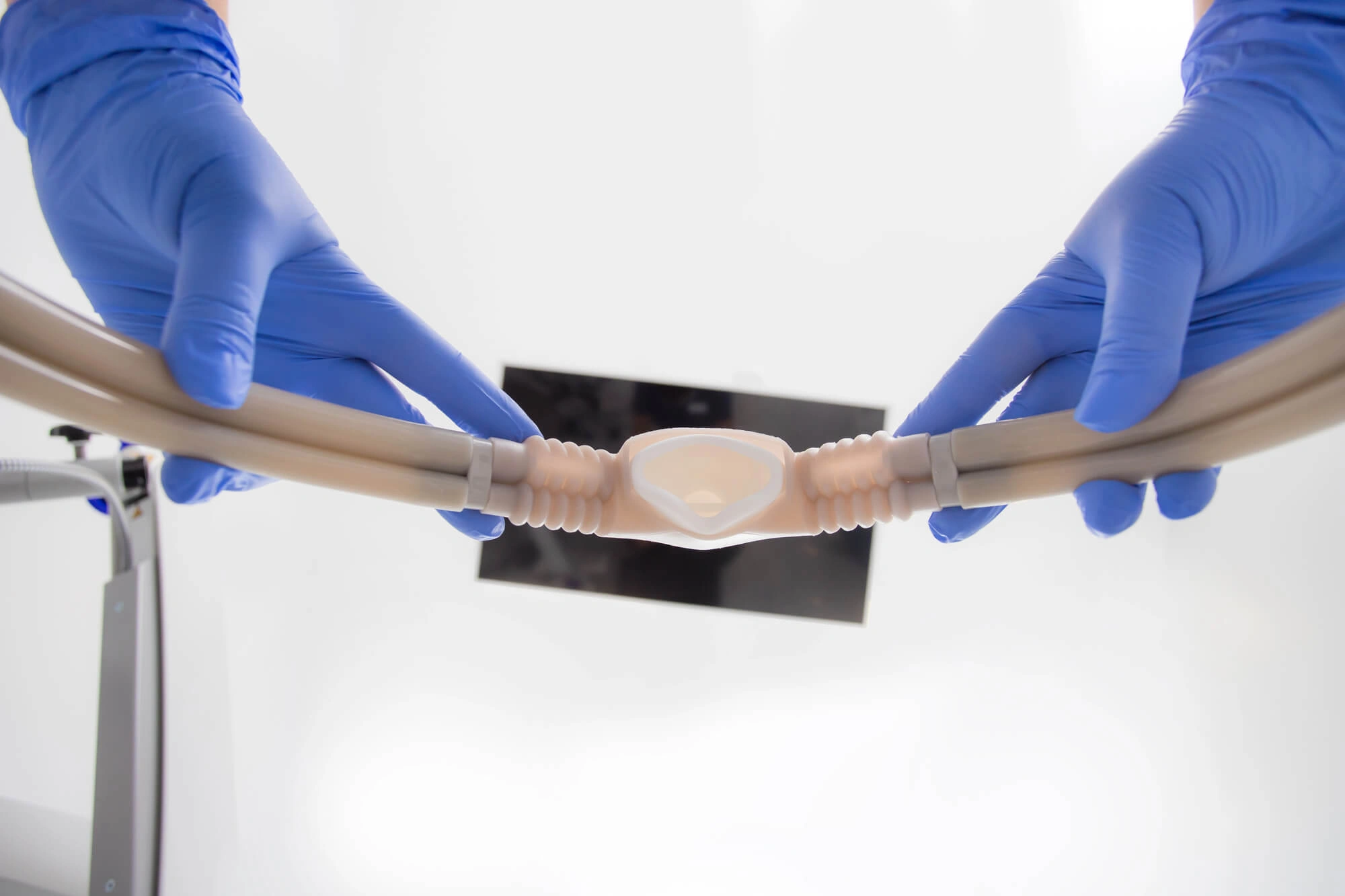
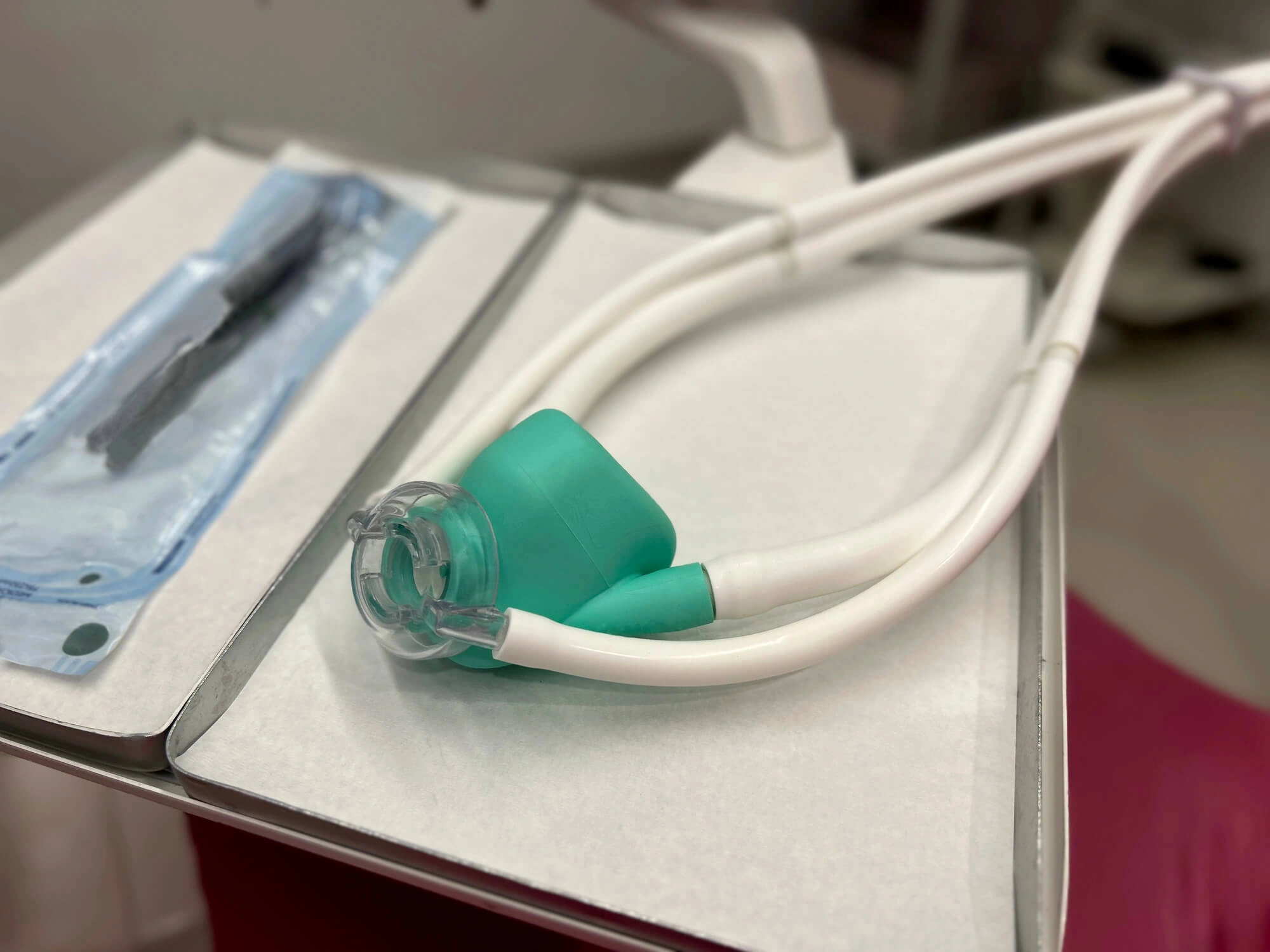
Different sedation methods produce different effects. Nitrous oxide can help you feel relaxed while remaining responsive. Oral or IV sedation may produce a deeper level of relaxation and, depending on the method, can make you drowsy or affect your memory of the appointment.
The right option depends on the person
Your dentist considers your anxiety, the procedure, your medical history, medications, and the type of sedation you are considering.
That is why choosing a sedation method should be a conversation rather than a decision based on what a friend or family member received.
You May Still Be Awake During Treatment
One common misconception is that sedation means being completely asleep.
Many forms of dental sedation allow you to remain awake enough to respond to your dentist. You may feel calm, sleepy, or less aware of what is happening around you.
Sedation and anesthesia do different jobs
Sedation primarily helps reduce anxiety and promote relaxation. Local anesthesia numbs the area being treated and helps control pain. Your dentist may use both when appropriate.
If you feel discomfort during treatment, tell your dental team. They can assess whether additional numbing or another adjustment is needed.
You Do Not Have to Hide How Anxious You Feel
Some patients try to appear calm because they worry the dental team will judge them. Being honest is more useful.
Tell your dentist what you are afraid of and what has happened during previous appointments. If you have ever experienced a panic response, fainting, a difficult injection, or a strong gag reflex, mention it.
Questions are part of preparation
Ask what will happen before treatment starts, how sedation will be given, whether you will be able to communicate, and what recovery may feel like.
The more clearly you understand the plan, the fewer surprises you may face.
What Happens After Sedation?
Recovery depends on the sedation method. Some patients can return to normal activities quickly, while others may feel sleepy or less coordinated for a while.
Plan ahead instead of guessing
Your dental team may give you specific instructions about eating, drinking, medications, driving, and having someone accompany you home. Follow those instructions closely.
Do not assume you can drive because you feel awake. Some forms of sedation can affect coordination and judgment after the appointment.
Could Regular Dentistry Still Be Right for You?
Yes. Being anxious does not automatically mean you need sedation for every appointment.
For some people, a calm environment, clear communication, breaks, breathing techniques, or agreeing on a hand signal may make routine care manageable. Others may benefit from sedation, especially when anxiety has caused them to avoid necessary treatment.
Your level of anxiety can change from one appointment to another. A cleaning may feel manageable, while a longer procedure may feel overwhelming. That does not make your anxiety inconsistent. It means your needs can depend on the treatment and circumstances.
The goal is comfortable, appropriate care
Your dentist can discuss the options and determine what fits the appointment and your health needs. Sedation should support your care, not replace a thoughtful conversation about what makes you uncomfortable.
FAQ About Dental Anxiety and Sedation
Can severe dental anxiety be treated without sedation?
Yes. Communication, relaxation techniques, gradual exposure, and other approaches may help some patients. Sedation is one option, not the only one.
Does sedation mean I will be unconscious?
Not usually. The effect depends on the type and level of sedation. Many forms allow you to remain responsive.
Will sedation eliminate all pain?
No. Sedation helps reduce anxiety and promote relaxation. Local anesthesia is generally used to numb the treatment area when pain control is needed.
Do I need someone to drive me home?
It depends on the sedation method. Your dental team will tell you whether you need a driver or other assistance after treatment.
Are You Ready to Talk to a Sedation Dentist?
At Georgetown Sedation Dentistry, we understand that dental anxiety can make even a routine appointment feel difficult. We invite you to contact our team to discuss your concerns, learn about sedation options, and find an approach that helps you feel more comfortable with your dental care.

150 Mt Vernon Dr, Georgetown, KY 40324 Suite 201
Monday 8 AM - 5 PM
Tuesday 8 AM - 5 PM
Wednesday CLOSED
Thursday 8 AM - 5 PM
Friday 8 AM - 5 PM
Saturday CLOSED
Sunday CLOSED


© 2024. Georgetown Sedation Dentistry | Privacy Policy | ADA Compliance
Website by: Digital Resource