
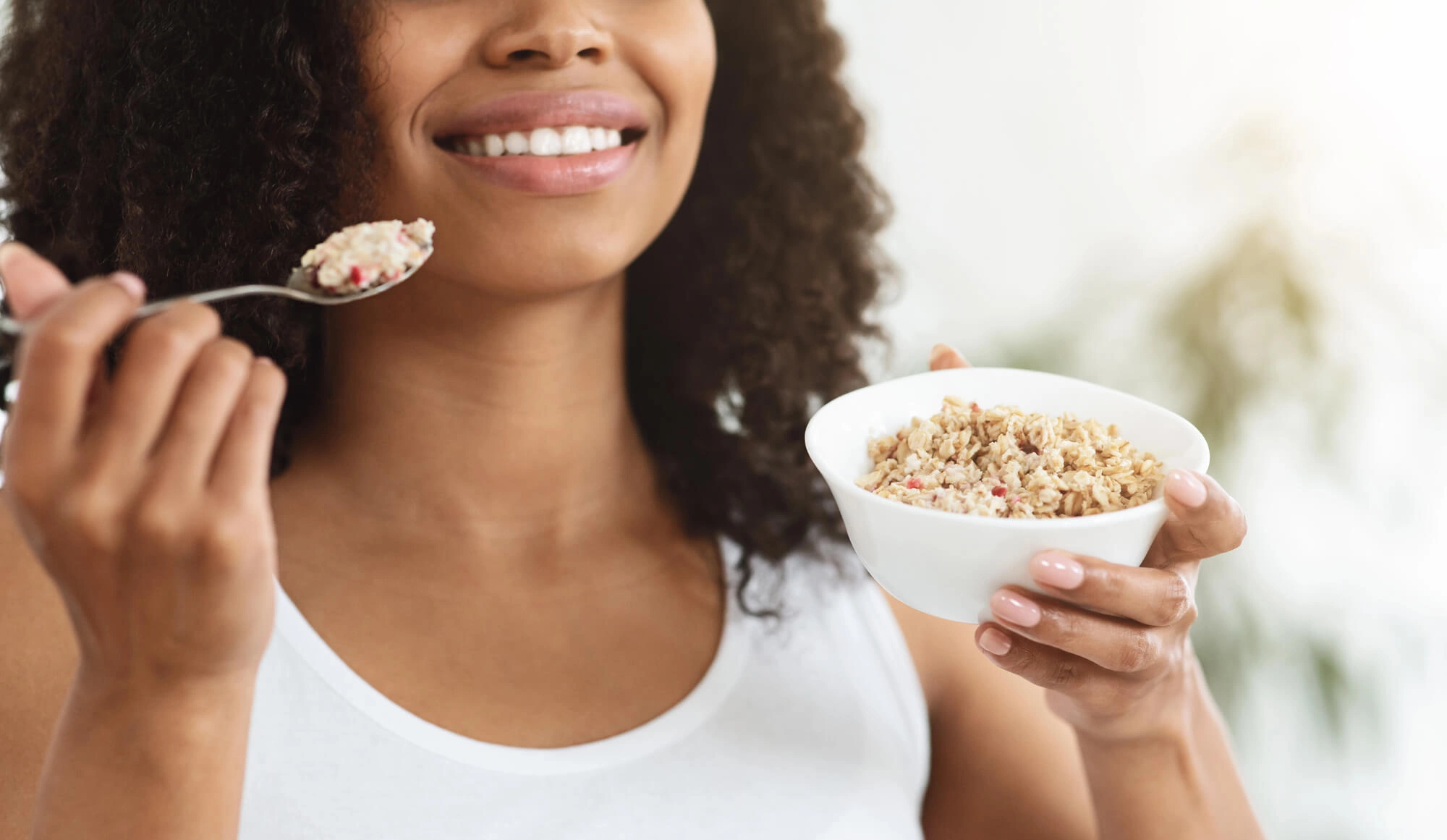
Getting same-day dentures in Lexington, KY means you can leave your dental appointment with a new smile instead of waiting weeks without teeth. But there's one question many people naturally have: Can I eat normally with them?
The short answer is yes, eventually. However, eating may feel different at first. Your gums need time to adjust, and you'll need to learn how to chew comfortably with your new dentures. Starting with softer foods, taking smaller bites, and eating slowly can make the adjustment much easier.
Here's what you can realistically expect when eating with same-day dentures.

Why Eating Feels Different at First
Same-day dentures are placed immediately, so your mouth has to adjust to them while you're also adjusting to changes in your teeth.
Your Gums May Feel Tender
Your gums can feel sensitive after tooth extraction and denture placement. This can make chewing uncomfortable, especially during the first several days.
That doesn't necessarily mean something is wrong. Your mouth simply needs time to heal and adapt.
Your Chewing Pattern Changes
Natural teeth provide a familiar biting and chewing pattern. Dentures work differently. You'll need to practice using both sides of your mouth and avoid putting too much pressure on one area.
Start slowly. As you become more comfortable, chewing should become more natural.
What Can You Eat With Same-Day Dentures?
You don't have to survive on liquids forever. In fact, eating a variety of nutritious foods is important while your mouth heals.
Start With Soft Foods
Immediately after getting dentures, softer foods are generally easier to manage. Depending on your dentist's instructions, options may include:
- Mashed potatoes
- Scrambled eggs
- Soft pasta
- Soup
- Cottage cheese
- Cooked vegetables
- Soft fish
Choose foods that require minimal chewing and aren't likely to irritate sensitive areas.
Gradually Add More Solid Foods
As your mouth becomes more comfortable, you can gradually introduce foods with more texture.
Try cutting food into small pieces rather than biting directly into large portions. This reduces the amount of force needed to chew and gives you more control.
There's no universal day when everyone can return to their previous diet. Healing and adjustment vary from person to person.
Foods That May Be Difficult With New Dentures
Some foods are simply harder to eat with dentures, particularly while you're still learning how to use them.
Tough or Chewy Foods
Steak, tough meats, and other chewy foods require significant chewing force. They may be frustrating early in the adjustment process.
Sticky Foods
Sticky foods can cling to dentures and may make them feel less secure. Caramel, chewing gum, and similar foods can be especially difficult.
Hard and Crunchy Foods
Nuts, hard candies, raw carrots, and other very firm foods can require considerable biting force. They may also put unnecessary pressure on your gums or dentures.
Foods With Small Pieces
Popcorn, seeds, and similar foods can become trapped beneath a denture. That can be uncomfortable and irritating, particularly while your gums are healing.
You don't necessarily have to avoid every challenging food forever. Your ability to eat them may improve as you become more accustomed to your dentures.
How to Make Eating With Dentures Easier
A few simple techniques can make a noticeable difference.
Take Smaller Bites
Cut food into manageable pieces. Smaller bites are easier to chew and can help you maintain better control of your dentures.
Chew on Both Sides
Try distributing food between both sides of your mouth rather than chewing exclusively on one side. This can help keep the dentures more balanced while you eat.
Slow Down
There's no need to rush through meals. Eating slowly gives you time to adjust your chewing movements and notice whether something feels uncomfortable.
Drink Water With Meals
Water can make certain foods easier to swallow and helps keep your mouth comfortable. Staying hydrated is also important during the healing process.
Will Food Taste Different With Dentures?
It can, although the experience varies.
Dentures may cover portions of the mouth that previously weren't covered, and this can affect how food feels and, for some people, how flavors are perceived. Temperature and texture may also feel different.
This doesn't mean you'll permanently lose your enjoyment of food. Many people simply need time to get used to the new sensation.
What If Your Dentures Feel Loose While Eating?
Some movement can occur with dentures, especially while you're learning to eat with them. However, persistent looseness, painful rubbing, or difficulty chewing should not simply be accepted as normal.
Your dentist may be able to adjust the dentures to improve their fit and comfort.
Don't try to reshape or modify your dentures yourself. An adjustment that seems minor could affect how they fit and function.
Do Same-Day Dentures Stay the Same After Your Mouth Heals?
Not necessarily.
After extractions, your gums and underlying tissues change as they heal. Because immediate dentures are made before those changes occur, the fit may change during the healing process.
Your dentist can monitor your healing and determine whether adjustments or other denture-related treatment are appropriate.
This is one reason follow-up appointments matter. Getting your dentures on the same day as your extractions doesn't mean your care ends that day.

Frequently Asked Questions
Can I eat normally immediately after getting same-day dentures?
Your dentist may recommend starting with softer foods while your mouth heals. Follow the specific eating instructions provided after your procedure.
How long does it take to get used to eating with dentures?
It varies. Some people adjust relatively quickly, while others need more time and practice. Eating slowly and gradually introducing different foods can help.
Can I eat meat with dentures?
Yes, but tougher meats can be challenging, particularly at first. Choose tender meats, cut them into small pieces, and chew carefully.
Why do my dentures move when I eat?
Some movement can occur because dentures aren't anchored like natural teeth. Significant movement or discomfort may indicate that your dentures need an adjustment.

Exploring Same-Day Dentures in Lexington, KY?
At Georgetown Sedation Dentistry, we understand that getting dentures is about more than replacing missing teeth. You also want to know how they'll fit into everyday life, including eating and speaking.
If you're considering same-day dentures in Lexington, KY, contact us to discuss your options and what you can expect throughout the process. If dental anxiety is a concern, we can also discuss available sedation options and help you feel more comfortable about your care.

150 Mt Vernon Dr, Georgetown, KY 40324 Suite 201
Monday 8 AM - 5 PM
Tuesday 8 AM - 5 PM
Wednesday CLOSED
Thursday 8 AM - 5 PM
Friday 8 AM - 5 PM
Saturday CLOSED
Sunday CLOSED

.svg)
.svg)
.svg)
.svg)
© 2024. Georgetown Sedation Dentistry | Privacy Policy | ADA Compliance
Website by: Digital Resource