
Not every dental procedure requires a specialist. General dentists handle many common treatments, including fillings, crowns, cleanings, and routine extractions. However, certain situations are more complex and may call for an oral surgeon in Lexington, KY.
Oral and maxillofacial surgeons receive additional training to handle surgical procedures involving the teeth, jaws, mouth, and surrounding facial structures. A referral doesn't necessarily mean something is seriously wrong. It often simply means your dentist believes a specialist has the training or equipment needed for a particular procedure.

Dental Treatments that May Involve an Oral Surgeon and Why
Complex Tooth Extractions
Removing a tooth isn't always as simple as pulling it from the socket.
Impacted Wisdom Teeth
Wisdom teeth are among the most common reasons patients are referred to an oral surgeon. A tooth may become impacted when there isn't enough room for it to erupt normally.
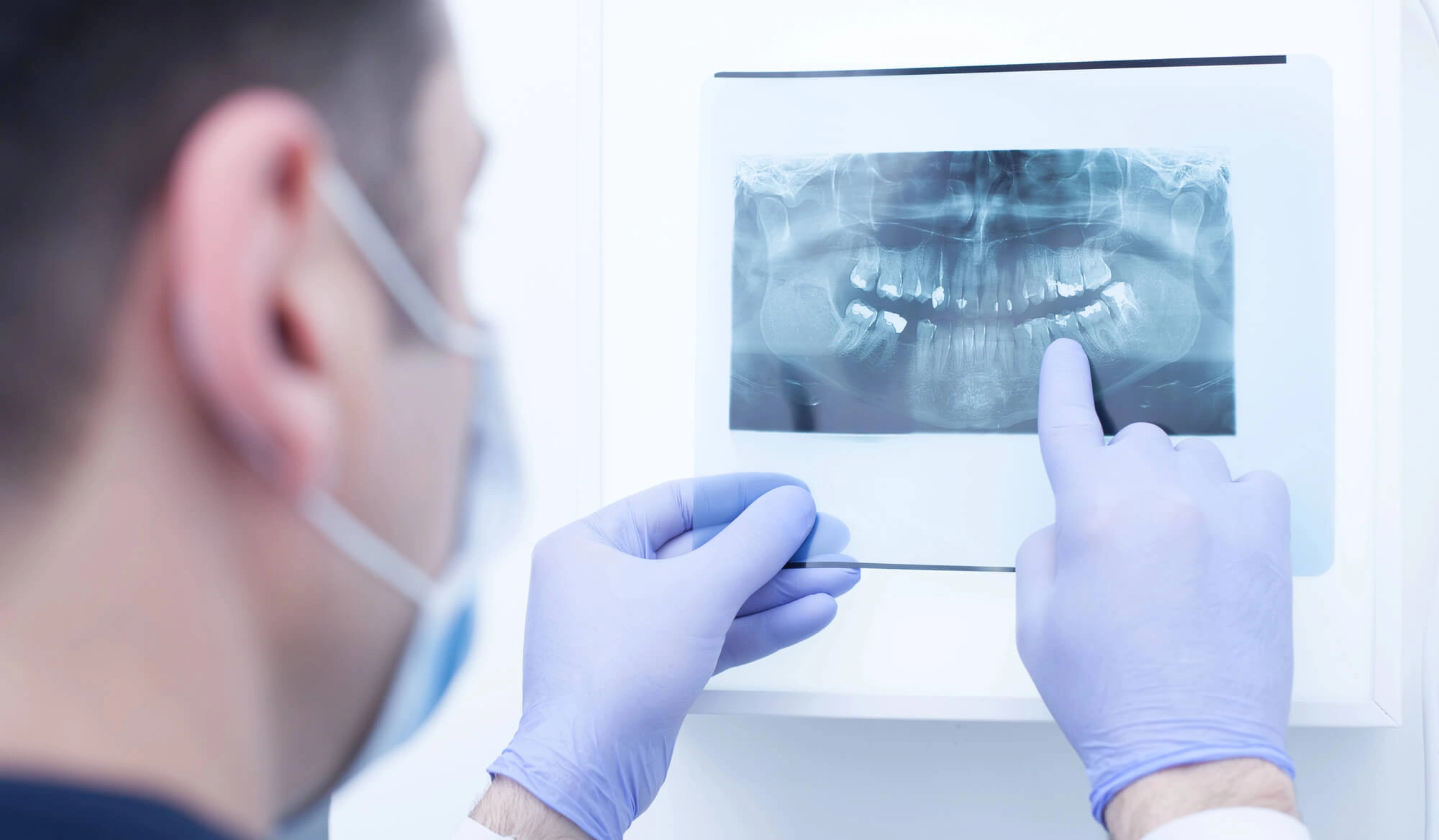
An oral surgeon can evaluate its position using dental imaging and determine whether removal is appropriate. Some wisdom teeth can be removed relatively simply, while others may require a surgical approach.
Severely Damaged Teeth
A tooth that's badly broken, deeply decayed, or difficult to access may also require surgical extraction. An oral surgeon can determine how to remove the tooth while considering the surrounding bone, nerves, and tissues.
Dental Implant Surgery
Dental implants replace missing tooth roots and provide a foundation for a crown, bridge, or denture.
Implant Placement
Implant placement involves positioning a small post into the jawbone. While many dentists perform implant procedures, some cases may benefit from an oral surgeon's surgical expertise.
The complexity of the case, location of the missing tooth, available bone, and overall treatment plan can all influence who performs the procedure.
Bone Grafting
Some patients don't have enough healthy bone to support an implant in the desired position. In these situations, bone grafting may be recommended before or during implant treatment.
An oral surgeon can evaluate the available bone and determine whether grafting or another surgical procedure is appropriate.
Treatment for Impacted Teeth
Wisdom teeth aren't the only teeth that can become impacted.
A permanent tooth may remain trapped beneath the gum or become blocked by another tooth. This can interfere with normal development or alignment.
Exposing and Positioning a Tooth
In some cases, an oral surgeon can expose an impacted tooth so an orthodontist can gradually move it into position.
This type of treatment requires coordination between specialists. The oral surgeon handles the surgical portion while the orthodontist manages tooth movement.
Jaw Surgery
Some problems involve more than the teeth themselves.
Correcting Jaw Alignment
Differences in jaw size or position can affect chewing, speaking, facial balance, and the way the teeth fit together.
For certain patients, corrective jaw surgery may be considered. This is a more involved procedure than routine dental treatment and requires careful planning and evaluation.
When Orthodontics Alone Isn't Enough
Braces or clear aligners can move teeth, but they cannot change the underlying position of the jaw. When a significant jaw discrepancy is present, surgical treatment may be part of a comprehensive plan.

Treatment for Facial and Jaw Injuries
Trauma involving the mouth or face may damage teeth, jawbones, or other structures.
Broken or Displaced Jawbones
A significant facial injury may require surgical evaluation, particularly when the jaw is fractured or displaced.
An oral and maxillofacial surgeon is trained to treat injuries involving the facial skeleton and related tissues.
Dental Injuries From Trauma
A serious accident can also damage individual teeth. Treatment may involve several dental professionals depending on the injury.
The priority is to evaluate the full extent of the damage before deciding how to repair it.
Treatment of Certain Oral Conditions
Oral surgeons can also perform procedures involving abnormal growths, cysts, and other conditions affecting the mouth or jaw.
Biopsies
If your dentist or another healthcare provider notices an unusual area that needs further evaluation, a biopsy may be recommended.
A biopsy removes a small amount of tissue so it can be examined more closely. It doesn't automatically mean the area is cancerous. The purpose is to determine what the tissue change actually represents.
Cysts and Other Jaw Lesions
Some cysts or lesions can develop inside the jawbone. Depending on their location and characteristics, surgical removal may be recommended.
When Sedation May Be Part of Surgical Dental Care
Some oral surgery procedures are more involved than routine dental treatments. Sedation may therefore be discussed as part of the treatment plan, particularly for patients who experience significant dental anxiety.
Sedation Is Different From Anesthesia
Sedation can range from mild relaxation to a deeper level of unconsciousness, depending on the technique. It isn't automatically the same as being completely asleep.
Local anesthesia may also be used to numb the treatment area and control pain.
Your Health History Matters
Before sedation, your dental team should review your health history, medications, allergies, and other relevant information. This helps determine which options may be appropriate.
If you're nervous about an upcoming procedure, tell your dental team. Understanding what will happen can make the experience feel much more manageable.
Frequently Asked Questions
Does every wisdom tooth need to be removed by an oral surgeon?
No. Some wisdom teeth can be removed by a general dentist. The decision depends on factors such as the tooth's position, roots, surrounding structures, and overall complexity.
Are dental implants always placed by an oral surgeon?
No. Many dentists place implants. However, an oral surgeon may be involved when a case requires additional surgical expertise, such as bone grafting or treatment of complex anatomy.
Will I be awake during oral surgery?
That depends on the procedure and sedation method. Some patients remain awake but relaxed, while other techniques can produce deeper sedation. Your provider should explain what to expect beforehand.
Can I ask for sedation if I'm nervous?
You can always discuss your anxiety with your dental team. They can explain available comfort and sedation options and determine whether one is appropriate for your procedure.

Do You Need an Oral Surgeon in Lexington, KY?
At Georgetown Sedation Dentistry, we understand that the idea of oral surgery can feel intimidating. If you've been referred for a surgical dental procedure or want to learn more about your options, our team can discuss your treatment needs and answer your questions. We can also talk with you about available sedation options if anxiety is making you hesitant to move forward. Contact us to learn more or schedule a consultation.

150 Mt Vernon Dr, Georgetown, KY 40324 Suite 201
Monday 8 AM - 5 PM
Tuesday 8 AM - 5 PM
Wednesday CLOSED
Thursday 8 AM - 5 PM
Friday 8 AM - 5 PM
Saturday CLOSED
Sunday CLOSED

.svg)
.svg)
.svg)
.svg)
© 2024. Georgetown Sedation Dentistry | Privacy Policy | ADA Compliance
Website by: Digital Resource