
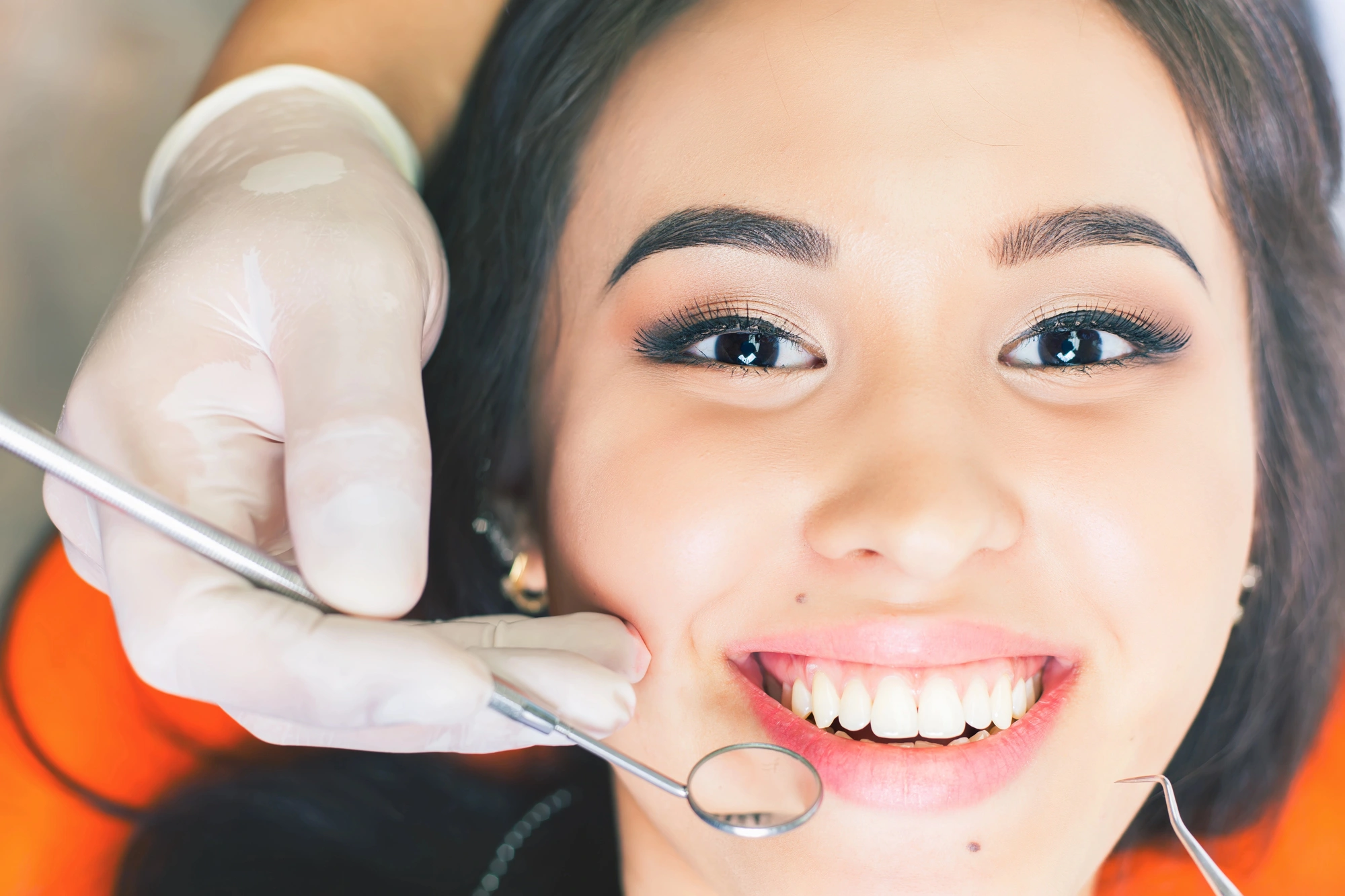
If you’ve ever delayed an appointment because you were worried about discomfort, you’re not alone. Dental anxiety is incredibly common. For many people, it stems from past experiences—outdated techniques, limited numbing options, or simply fear of the unknown.
So, it’s fair to ask: Do pain-free dentists actually exist?
The honest answer is this: no dentist can promise you’ll feel absolutely nothing at any point in your life. However, modern dentistry has advanced so dramatically that comfortable, low-stress treatment is not only possible—it’s expected.
If you’re searching for a dentist in Georgetown, KY, and wondering whether you can truly have a relaxed, comfortable visit, here’s what you should know.

Why Dentistry Used to Feel Uncomfortable
It’s important to acknowledge something upfront: dentistry hasn’t always been what it is today.
Years ago:
- Anesthetic options were limited
- Technology was less precise
- Procedures often took longer
- Patient comfort wasn’t always prioritized
That’s where many dental fears began. However, today’s dental environment looks very different. Modern tools, refined techniques, and sedation options have reshaped what patients experience in the chair.
What “Pain-Free Dentistry” Really Means
When people say they want a pain-free dentist, what they usually mean is:
- I don’t want sharp pain.
- I don’t want to feel out of control.
- I don’t want to be anxious the entire time.
- I don’t want a bad experience.
Pain-free dentistry means preparation, communication, and advanced techniques working together. A modern dentist focused on patient comfort will prioritize:
- Effective local anesthesia
- Gentle techniques
- Sedation options when needed
- Clear communication before and during treatment
Local Anesthesia Has Come a Long Way
Today’s numbing techniques are highly effective. Before most procedures, your dentist will:
- Apply a topical numbing gel to the gums.
- Carefully administer local anesthetic.
- Confirm full numbness before beginning treatment.
You should not feel sharp pain during treatment. At most, you may feel pressure or movement, but not active discomfort. If you do feel anything, adjustments can be made immediately. Modern anesthesia is precise, reliable, and tailored to your needs.
Sedation Dentistry: A Game Changer for Anxiety
For patients with moderate to severe anxiety, sedation dentistry can completely change the experience. It doesn’t just reduce anxiety—it can also:
- Minimize memory of the procedure
- Reduce gag reflex
- Help longer procedures feel shorter
- Create a calmer overall experience
Many patients who once avoided dental care feel completely at ease with sedation support. Depending on the office, options may include:
Nitrous Oxide (Laughing Gas)
Nitrous oxide is a mild, fast-acting sedative that you inhale through a small mask placed over your nose. Within minutes, you’ll begin to feel calmer and more at ease.
You remain awake and able to respond to your dentist, but anxiety is significantly reduced. One of the biggest benefits is that nitrous oxide wears off quickly once the mask is removed, meaning you can usually drive yourself home after your appointment.
For mild anxiety or shorter procedures, this can be an excellent option.
Oral Sedation
Oral sedation involves taking a prescribed medication before your appointment. By the time you arrive at the office, you’ll already feel deeply relaxed. Some patients even doze lightly during treatment.
Because this form of sedation is stronger than nitrous oxide, you will need someone to drive you to and from your appointment.
IV Sedation
IV sedation provides a deeper level of relaxation and is administered directly into the bloodstream. This allows the dental team to carefully control and adjust sedation levels throughout the procedure.
IV sedation is commonly used for more complex or lengthy treatments and for patients with severe dental fear. Throughout the procedure, vital signs are closely monitored to ensure safety.
For many anxious patients, IV sedation completely changes their perception of what dental care can feel like.
Technology That Reduces Discomfort
Modern dentistry is also more comfortable because of technology. For example, digital imaging allows for more accurate diagnosis with less radiation exposure. Intraoral scanners eliminate the need for messy impressions.
Advanced tools allow for:
- Smaller incisions
- More conservative treatments
- Faster procedures
- Less trauma to the surrounding tissue
When a dentist uses modern equipment, procedures are often quicker and more precise, which directly impacts comfort.
Communication Makes a Bigger Difference Than You Think
Comfort isn’t just physical. It’s emotional. One of the biggest reasons patients feel anxious is uncertainty. A dentist who prioritizes comfort will:
- Explain procedures beforehand
- Let you ask questions
- Establish hand signals if you need a break
- Check in with you during treatment
Feeling heard and in control significantly reduces anxiety. You should never feel rushed, dismissed, or pressured.
What About After the Appointment?
Another common fear is post-procedure pain. The truth is that most modern dental treatments involve manageable, temporary soreness—not severe pain.
Your dentist may recommend:
- Over-the-counter pain relief
- Cold compresses
- Temporary dietary adjustments
In many cases, patients are surprised at how minimal recovery discomfort actually is. Clear aftercare instructions also play a big role in ensuring smooth healing.
Why Avoiding the Dentist Can Make Things Worse
Ironically, fear of discomfort often leads to postponed appointments, which can result in:
- Larger cavities
- Advanced gum disease
- More complex procedures
- Increased treatment time
Addressing small issues early usually means simpler, more comfortable treatment. Regular visits to a trusted dentist can help prevent problems from escalating into something that truly would be uncomfortable. Preventive care is one of the most effective ways to avoid pain altogether.
Creating a Comfort-First Experience
A truly patient-centered dental office understands that comfort is about more than numbing. It’s about:
- A welcoming environment
- A calm, friendly team
- Modern equipment
- Personalized care
- Respect for your concerns
When comfort is built into a practice's culture, patients feel the difference immediately. From the first phone call to the final follow-up, your experience should feel supportive, not stressful.
So, Do Pain-Free Dentists Exist?
The better question might be: Does modern dentistry allow for comfortable, anxiety-managed care? The answer is yes.
With advanced anesthesia, sedation options, refined techniques, and compassionate communication, most dental procedures today are far more comfortable than people expect.
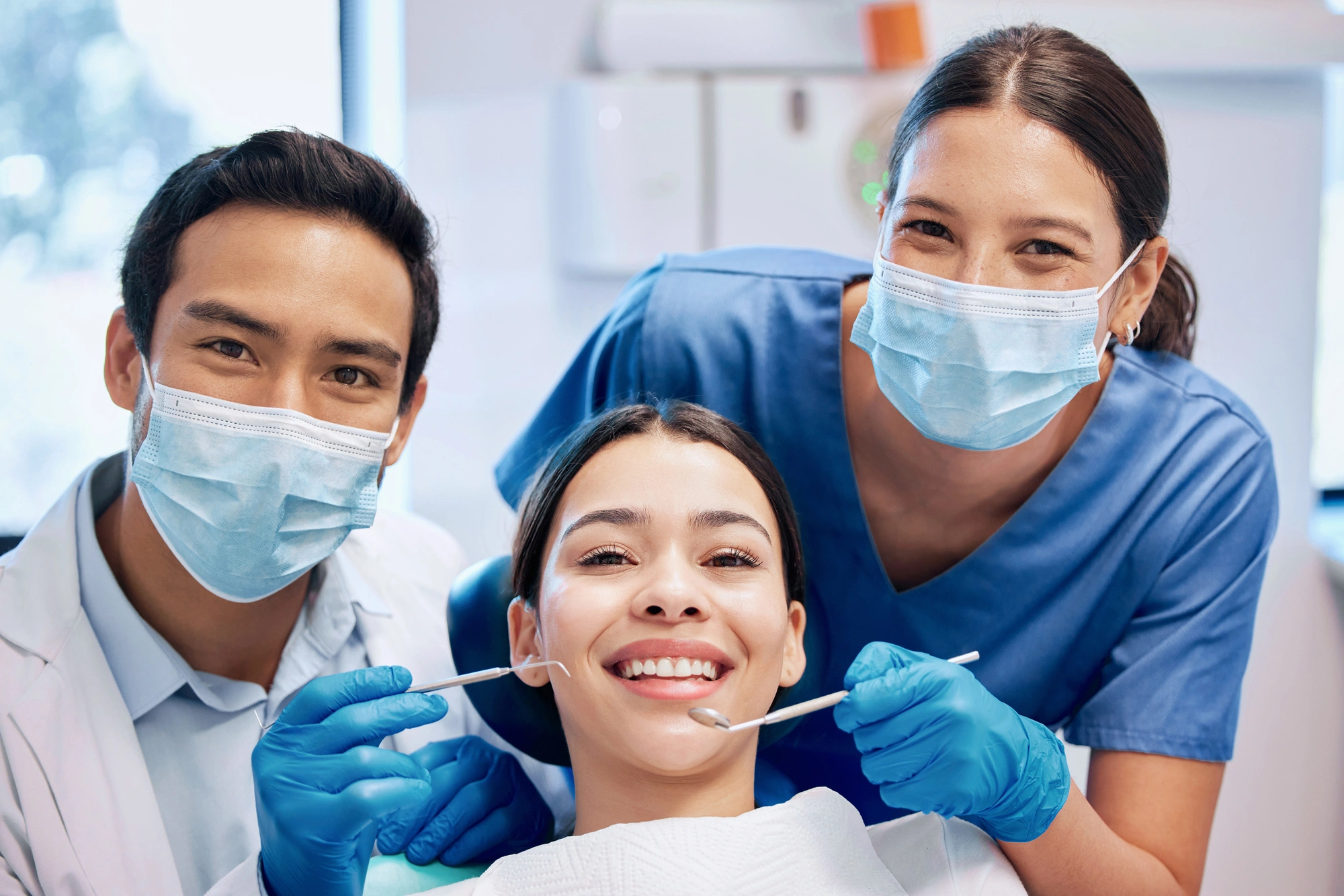
You Deserve a Comfortable Experience with the Dentist in Georgetown, KY
Dental care shouldn’t feel intimidating. It should feel supportive, predictable, and tailored to your needs. If anxiety or fear has been keeping you away, scheduling a consultation with Georgetown Sedation Dentistry can be the first step toward changing your perception of dentistry entirely.
Modern techniques and patient-first care make it possible to protect your smile without unnecessary stress. When you choose a dentist who prioritizes comfort, you’re choosing a different kind of experience—one built around trust, precision, and peace of mind.

150 Mt Vernon Dr, Georgetown, KY 40324 Suite 201
Monday 8 AM - 5 PM
Tuesday 8 AM - 5 PM
Wednesday CLOSED
Thursday 8 AM - 5 PM
Friday 8 AM - 5 PM
Saturday CLOSED
Sunday CLOSED

.svg)
.svg)
.svg)
.svg)
© 2024. Georgetown Sedation Dentistry | Privacy Policy | ADA Compliance
Website by: Digital Resource