
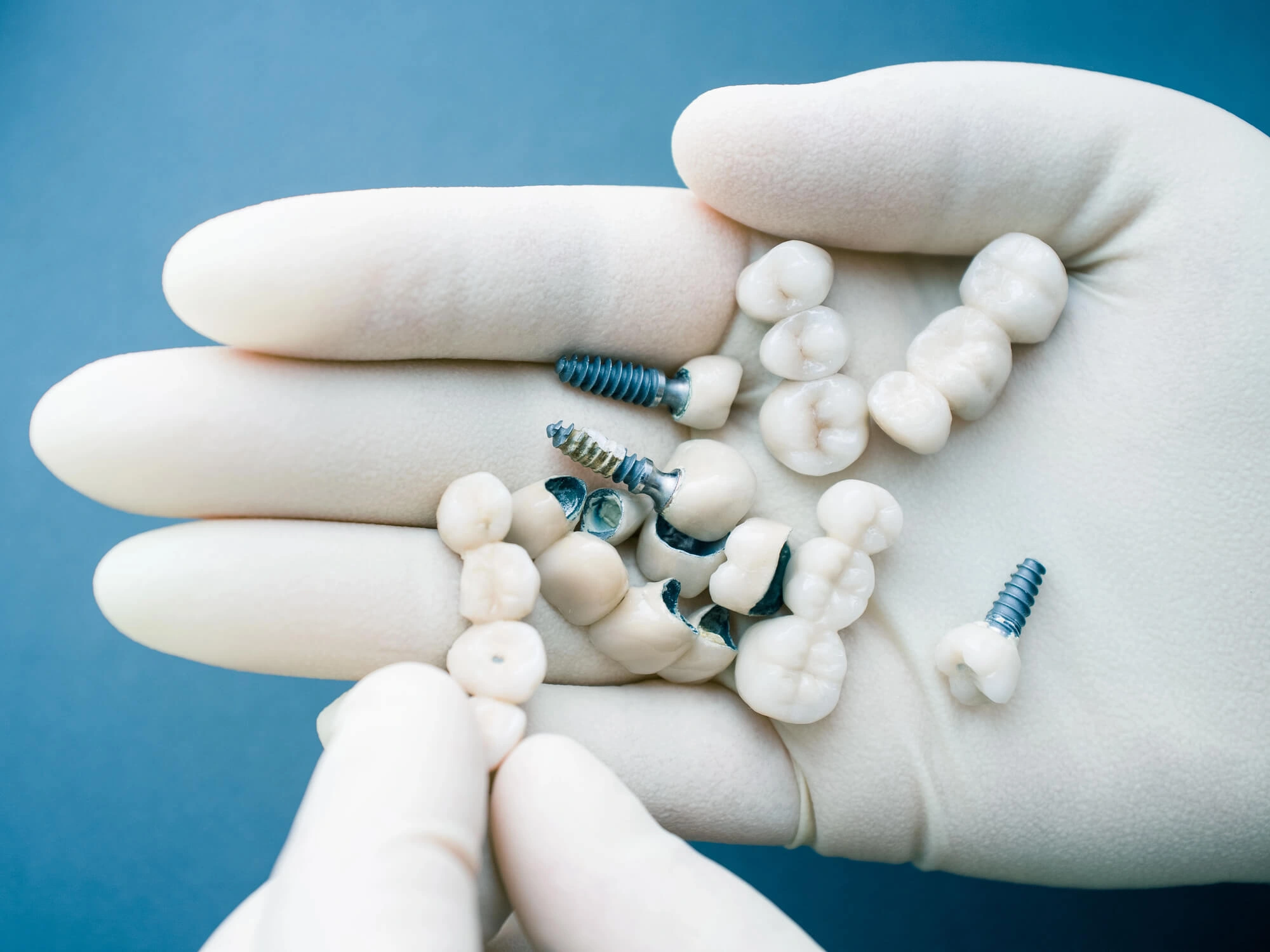
Replacing a missing tooth is about more than restoring your smile—it's about regaining the comfort and confidence to eat, speak, and live without thinking about your teeth. If you're considering tooth replacement, you may wonder whether permanent dental implants feel like natural teeth once healed.
Permanent dental implants are designed to closely mimic natural tooth function. While not identical to your original teeth, they offer a level of stability and comfort that many other options can't match. Understanding how they work—and what affects how they feel—can help you decide if they're right for you.

Why Do Dental Implants Feel So Natural?
They Replace More Than Just the Visible Tooth
Unlike bridges or removable dentures, dental implants replace the missing tooth root as well as the visible portion of the tooth.
A small titanium implant is placed into the jawbone, where it serves as a stable foundation for a custom-made dental crown. Because the implant becomes part of your jaw through a natural healing process, it functions much like the root of a natural tooth.
This stability is one of the biggest reasons implants feel so secure during everyday activities.
They're Designed to Blend With Your Natural Smile
The visible crown attached to the implant is carefully designed to match the size, shape, and color of your surrounding teeth.
Your dentist also adjusts the bite to help ensure the implant feels comfortable when chewing and speaking.
Rather than sitting on top of the gums or relying on neighboring teeth for support, implants function independently, creating a more natural overall experience.
What Factors Affect How Natural Dental Implants Feel?
Successful Healing Is Essential
After implant placement, your jawbone gradually bonds with the implant through a process called osseointegration.
This healing process creates the strong connection that allows the implant to function like a natural tooth root. Giving the implant adequate time to heal is one of the most important parts of long-term success.
The Final Restoration Must Fit Properly
A well-designed implant restoration does more than look attractive.
The crown must fit comfortably against your gums, align properly with your bite, and allow normal chewing without placing unnecessary pressure on surrounding teeth.
Careful customization helps create a restoration that feels balanced and natural.
It Takes Time to Adjust
Even though implants are designed to feel natural, your mouth still needs time to adapt.
During the first few weeks after receiving your final restoration, you may notice subtle differences while chewing or speaking. As you become accustomed to the implant, these sensations typically become less noticeable.
Many patients find that the implant soon feels like a normal part of their smile.
Daily Care Helps Maintain Long-Term Comfort
Permanent dental implants require many of the same healthy habits as natural teeth.
Brushing twice a day, flossing or cleaning around the implant, and visiting your dentist regularly help keep the surrounding gums healthy and protect your investment.
Good oral hygiene also contributes to long-term comfort and function.
.webp)
What to Expect Before, During, and After Implant Treatment
Before Treatment
Your dentist will begin with a comprehensive examination that includes digital imaging and an evaluation of your jawbone and overall oral health.
You'll discuss your treatment goals, review your medical history, and determine whether additional procedures are needed before implant placement.
If you're nervous about surgery, your dentist can also explain available sedation options.
During Implant Placement
Dental implant surgery is carefully planned to maximize precision and patient comfort.
Local anesthesia helps numb the treatment area, while sedation dentistry is available for many patients who want additional relaxation throughout the procedure.
Your dental team will monitor you closely to help ensure a comfortable experience.
Recovery and Healing
Healing takes place over several months as the implant bonds with the surrounding jawbone.
Once healing is complete, your final restoration is attached, allowing you to gradually return to normal chewing and everyday activities.
Following your dentist's aftercare instructions supports proper healing and helps maximize long-term success.
Common Misconceptions About Permanent Dental Implants
Myth: Implants Always Feel Artificial
Although implants don't contain nerves like natural teeth, they're securely anchored within the jawbone. Once healing is complete, many patients find they feel remarkably stable and natural during everyday activities.
Myth: It Takes Years to Get Used to Them
Everyone adjusts at a different pace, but many patients become comfortable with their implant relatively quickly after receiving the final restoration.
As healing progresses and your bite adapts, the implant often begins to feel like part of your natural smile.
Myth: Permanent Means No Maintenance
The word "permanent" refers to the long-term stability of the implant—not the absence of daily care.
Healthy gums, excellent oral hygiene, and regular dental visits remain essential for protecting your implant over time.
How Sedation Dentistry Can Make Implant Treatment More Comfortable
Feeling Relaxed Before and During Surgery
It's completely normal to feel anxious before implant surgery.
Sedation dentistry helps many patients feel calm and comfortable throughout the procedure, making treatment much less stressful.
Several Sedation Options May Be Available
Depending on your health history, anxiety level, and treatment plan, your dentist may recommend options such as:
- Oral conscious sedation
- IV sedation
Your dentist will explain which option best fits your individual needs and answer any questions before treatment begins.
Frequently Asked Questions
Will My Implant Feel Exactly Like My Natural Tooth?
Dental implants don't contain the same nerves as natural teeth, so the sensation isn't identical. However, once fully healed, they provide excellent stability and function, allowing many patients to eat, speak, and smile comfortably.
How Long Does It Take for an Implant to Feel Normal?
The adjustment period varies from person to person. Most patients become increasingly comfortable as healing progresses and they adapt to their final restoration.
Can I Eat Normally with Permanent Dental Implants?
Yes. After your dentist confirms that healing is complete, you can gradually return to enjoying most of the foods you ate before losing your tooth.
Is Sedation Available During Implant Surgery?
Yes. Many patients choose sedation dentistry to feel more relaxed during implant placement. Your dentist will recommend the option that's most appropriate for your treatment and comfort level.

Are You Interested in Permanent Dental Implants?
At Georgetown Sedation Dentistry, we restore your smile and confidence with personalized implant care. Each treatment begins with a thorough evaluation and a plan tailored to your oral health, goals, and comfort.
Considering permanent dental implants? Contact us to schedule a consultation. We're here to answer your questions and help you move forward with lasting tooth replacement.

150 Mt Vernon Dr, Georgetown, KY 40324 Suite 201
Monday 8 AM - 5 PM
Tuesday 8 AM - 5 PM
Wednesday CLOSED
Thursday 8 AM - 5 PM
Friday 8 AM - 5 PM
Saturday CLOSED
Sunday CLOSED

.svg)
.svg)
.svg)
.svg)
© 2024. Georgetown Sedation Dentistry | Privacy Policy | ADA Compliance
Website by: Digital Resource