

If you are deciding between full arch implants and traditional dentures, the biggest differences may not be obvious from a photo. Both can replace an entire row of missing teeth, but they interact with your mouth in very different ways.
Full arch implants use several dental implants placed in the jaw to support a complete set of replacement teeth. Traditional dentures rest on the gums. That basic difference can affect how secure your teeth feel, how you chew, how you speak, and how you care for your smile.
How Secure Do Full Arch Implants Feel?
One of the first differences you may notice is stability.
Dentures can move
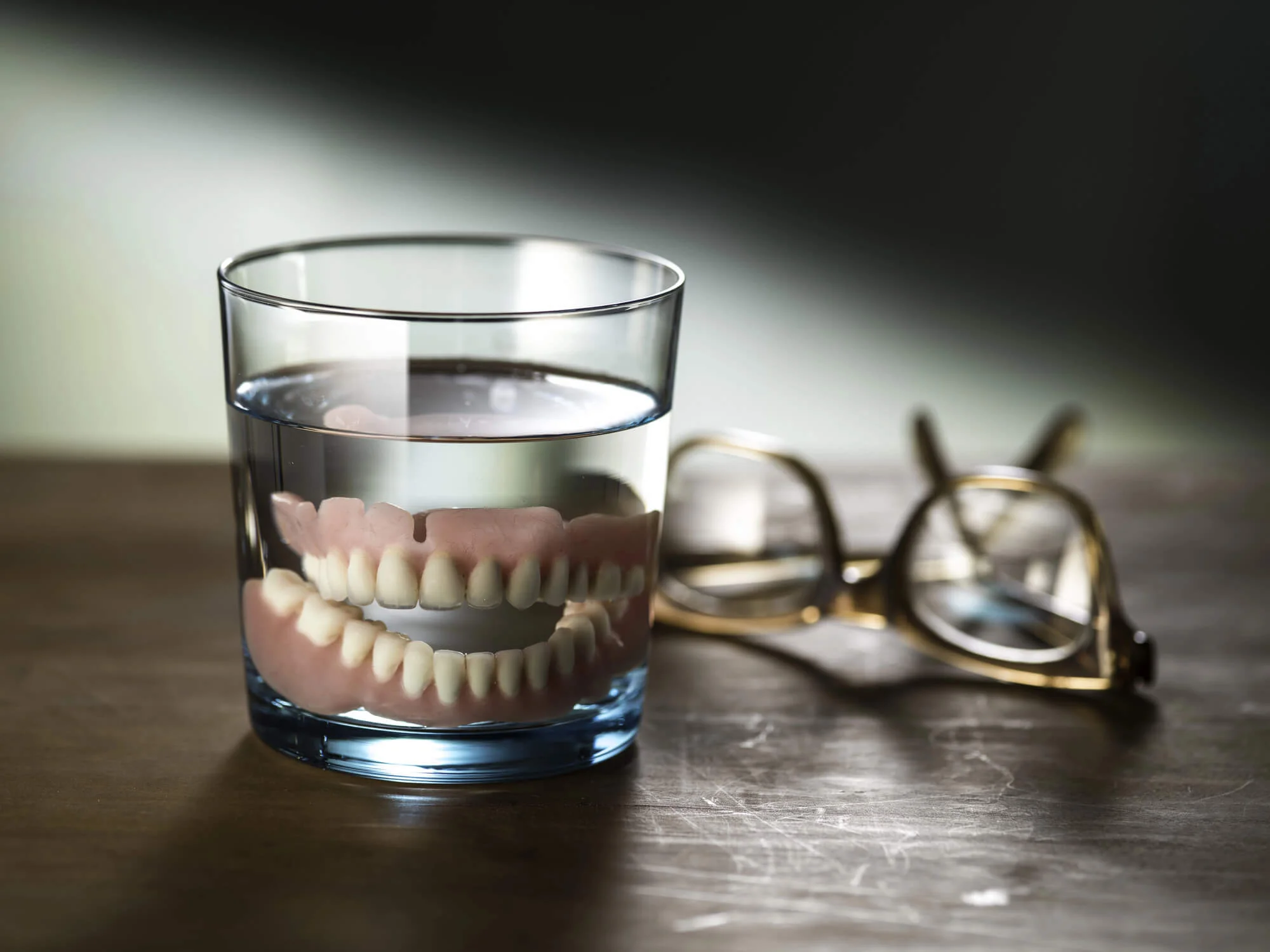
Traditional dentures rely on the shape of your gums and jaw for support. They can feel secure when they fit well, but they may shift while you chew or speak. Changes in your jaw and gums over time can also affect the fit.
Full arch implants are anchored to implants that integrate with your jawbone. This gives the replacement teeth a more stable foundation.
That does not mean implants feel exactly like natural teeth. They still involve an artificial restoration. However, the teeth are designed to stay in place rather than resting directly on your gums.
What Does Eating Feel Like?
Chewing can feel different with either option, especially as you learn to use your replacement teeth.
Stability changes the experience
Traditional dentures may require an adjustment period when you eat. Certain foods can feel harder to manage if your dentures move or if you are still learning how to chew comfortably.
Implant-supported full arch teeth are designed to provide more stability during chewing. Once your implants have healed and your restoration is ready, they can support everyday eating.
Your dentist may still recommend an adjustment period after treatment. Learning how your new teeth contact each other can take time.
Do They Feel Different Against Your Gums?
This is another difference people may notice.
Traditional dentures sit directly against your gums. You may feel the base of the denture when your tongue moves around your mouth. Some people also notice pressure or irritation if the fit is not right.
Implants change where the support comes from
Full arch implant restorations are supported by implants rather than relying entirely on your gums. Depending on the design, the restoration may be fixed in place or removable.
A fixed restoration cannot be made at home. Your dental team can remove it when professional maintenance is needed.
What About Speaking?
Both dentures and full-arch implants can help restore speech after tooth loss, but the adjustment may feel different.
Your tongue needs time to adapt
New dentures can initially feel bulky or unfamiliar. Your tongue, cheeks, and lips need time to learn how to work around them. Speech may sound different for a short period while you adjust.
Full arch implants can also require an adjustment period. Your new teeth have a specific shape and position, and your mouth needs time to adapt to them.
If speech changes continue or something feels unusual, tell your dentist. Small adjustments to a restoration can sometimes make a meaningful difference.
Do You Notice Them While Chewing or Talking?
Traditional dentures can create a greater awareness that you are wearing an appliance because they rest on your oral tissues.
Full arch implants can feel more stable
Because implants anchor the restoration, you may notice less movement when you chew or speak. That stability is one of the main functional differences between traditional dentures and implant-supported teeth.
Still, an implant restoration does not have the same sensation as a natural tooth. Natural teeth have nerves that detect pressure and temperature. Dental implants do not contain those nerves.
What Is Different About Cleaning?
The cleaning routine can also feel different.
Traditional removable dentures come out for cleaning. You also need to clean your gums, tongue, and the roof of your mouth.
Fixed restorations need daily attention, too
You cannot remove a fixed full-arch restoration yourself, so cleaning beneath and around it is important. Your dentist may recommend floss threaders, interdental brushes, or other tools to reach difficult areas.
Implants do not develop cavities, but the surrounding gums and tissues still need care. Regular dental visits remain important.

What About the Adjustment Period?
Neither option necessarily feels completely natural on day one.
Your mouth needs time to adapt
With dentures, your cheeks and tongue need to learn how to control the appliance. You may experience minor soreness or irritation while your mouth adjusts, and your dentist may need to make fit adjustments.
Full arch implants also require healing and adaptation. Implant placement is a surgical process, and the implants need time to integrate with the jawbone before the final restoration is completed.
Your recovery depends on the treatment plan, your health, and how your mouth heals.
What About Sedation During Implant Treatment?
If you are nervous about dental treatment, you may wonder whether sedation is an option.
Sedation can help some patients feel more relaxed during implant surgery or other dental procedures. The type of sedation used depends on factors such as your health, medications, anxiety level, and planned treatment.
Talk about anxiety before treatment
Tell your dental team if you are worried about needles, sounds, discomfort, or the length of the procedure. Knowing your concerns helps your provider discuss appropriate options with you.
Sedation does not eliminate the need for careful treatment planning or aftercare. You will still receive instructions for eating, medications, activity, and recovery.
FAQ About Full Arch Implants and Dentures
Are full arch implants removable?
Some implant-supported restorations are removable, while others are fixed and can only be removed by a dental professional. Your treatment plan determines which design is appropriate.
Do full arch implants feel exactly like natural teeth?
No. They can provide stability and function that feel more natural than traditional dentures, but they lack the nerves found in natural teeth.
Can you eat normally with full arch implants?
After healing and once your final restoration is in place, full arch implants are designed to support normal chewing. Your dentist can tell you when and how to progress your diet.
Learn More About Full Arch Implants
At Georgetown Sedation Dentistry, we can help you understand how full-arch implants and dentures may differ based on your oral health, goals, and comfort level. Contact our team to discuss your options, ask about sedation, or schedule a consultation.

150 Mt Vernon Dr, Georgetown, KY 40324 Suite 201
Monday 8 AM - 5 PM
Tuesday 8 AM - 5 PM
Wednesday CLOSED
Thursday 8 AM - 5 PM
Friday 8 AM - 5 PM
Saturday CLOSED
Sunday CLOSED


© 2024. Georgetown Sedation Dentistry | Privacy Policy | ADA Compliance
Website by: Digital Resource