
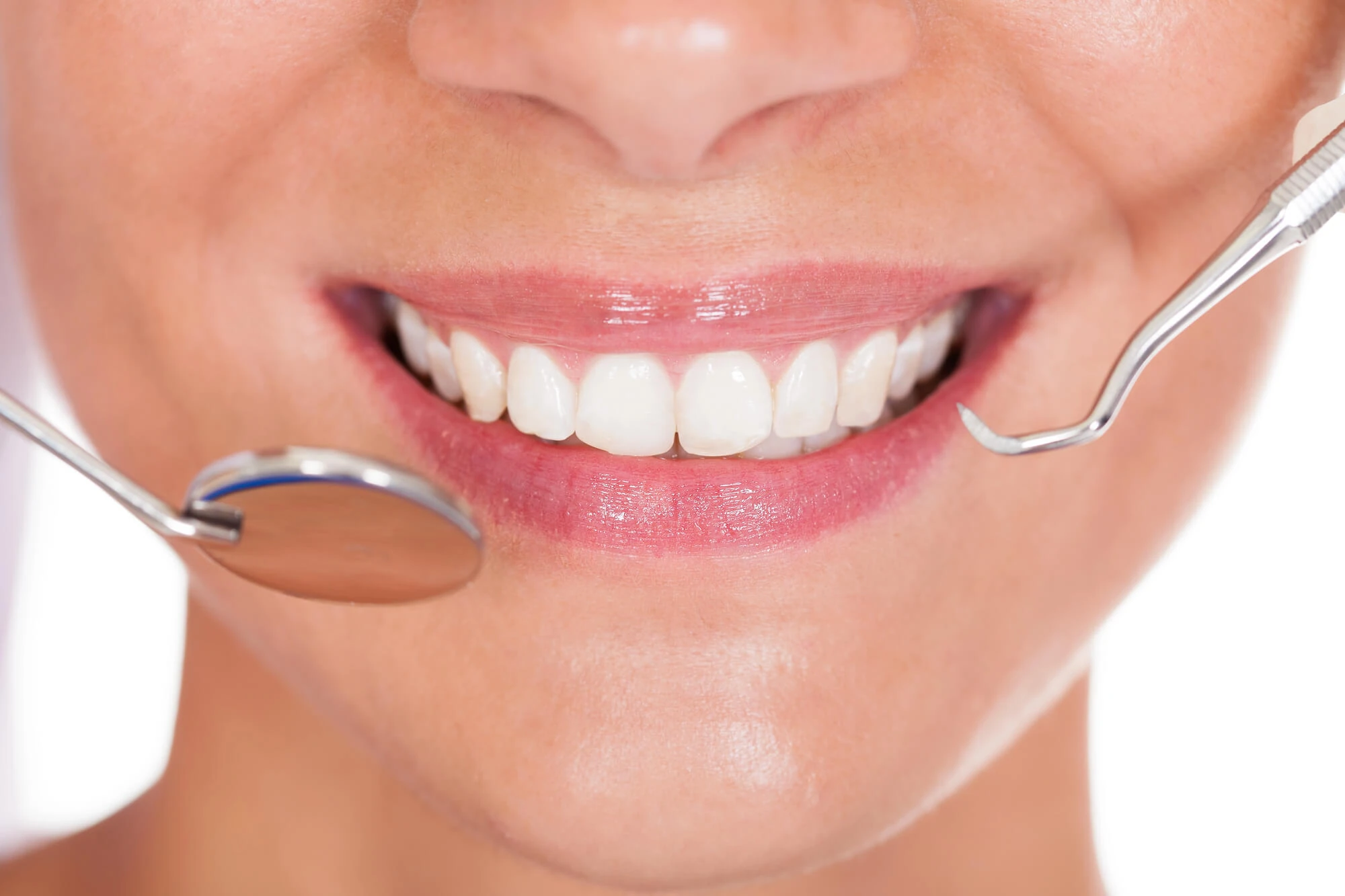
When you look in the mirror, do you mostly think about how your smile looks—or how well your teeth actually function? That question can help you understand the difference between a smile makeover and a full mouth reconstruction.
Both treatments can transform your smile and are customized to your needs. However, the main difference comes down to purpose: a smile makeover is usually focused on improving appearance, while full mouth reconstruction is designed to restore your oral health, bite, comfort, and function. Understanding the difference can help you feel more confident when discussing your goals with your dentist.
What Is Full Mouth Reconstruction?
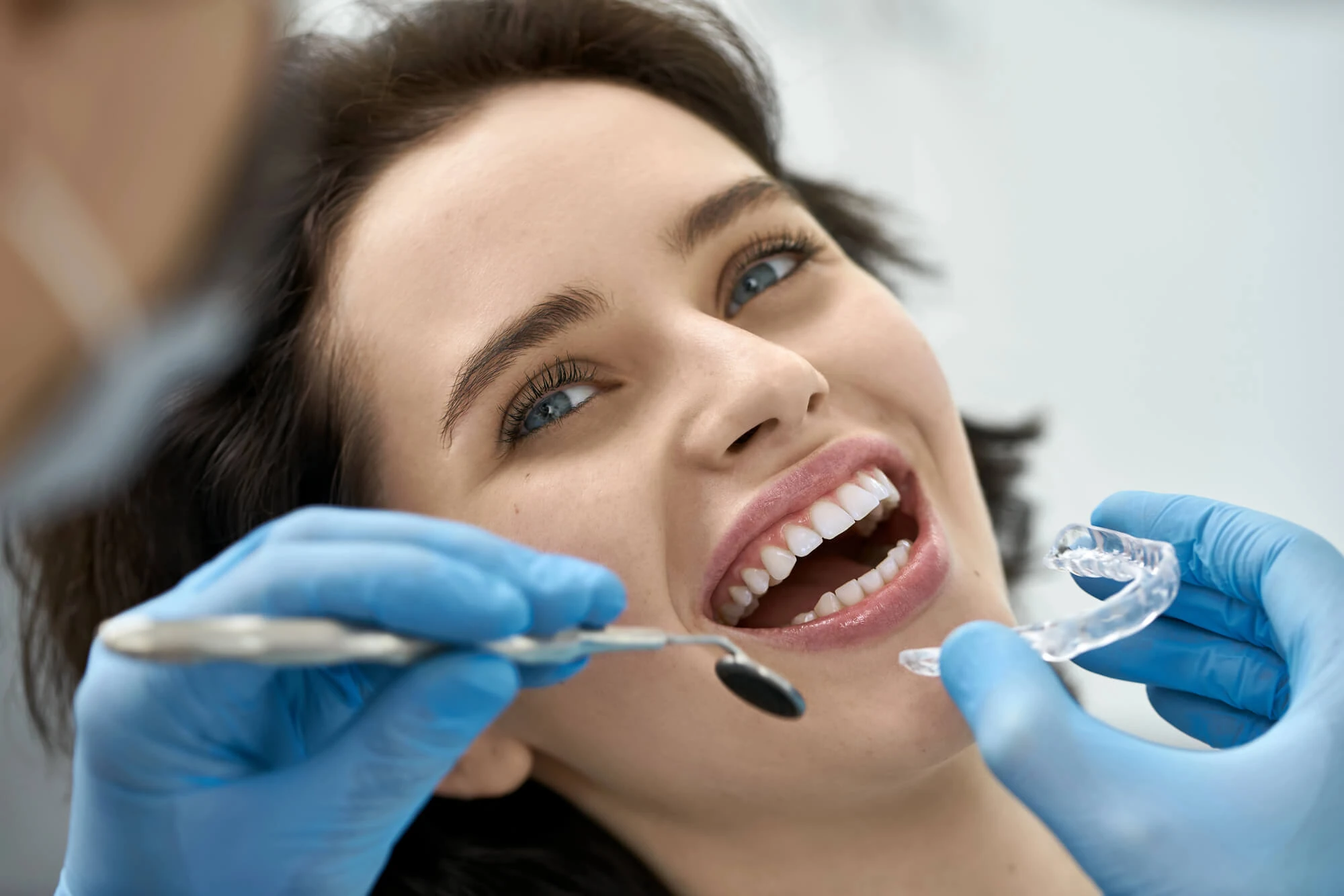
Full mouth reconstruction is a comprehensive dental treatment plan that repairs or replaces many teeth throughout the mouth. It is often recommended when a person has several dental problems affecting their ability to chew, speak, smile, or live comfortably.
This type of treatment may be right for someone with missing teeth, severely damaged teeth, worn-down enamel, advanced decay, bite problems, jaw discomfort, or multiple failing restorations. Full mouth reconstruction can addresses concerns such as missing teeth, worn-down enamel, and misaligned bite issues with the goal of completing the smile and supporting healthy teeth and oral tissues.
In other words, it’s not just about making the smile look better. It is about rebuilding the foundation of your oral health.
A full mouth reconstruction may include:
- Dental implants to replace missing teeth
- Same-day crowns to repair weakened or damaged teeth
- Bridges to replace one or more missing teeth
- Veneers to improve tooth shape, size, or appearance
- Clear aligners to improve alignment or bite concerns
- Dentures or implant-supported dentures for larger areas of tooth loss
- Periodontal care, if gum health needs to be stabilized first
Because every patient’s mouth is different, no two reconstruction plans are exactly alike. Some patients may need only a few treatments. Others may need a phased plan that takes several appointments to complete.
What Is a Smile Makeover?
A smile makeover is a personalized cosmetic treatment plan designed to improve the appearance of your smile. While some restorative procedures may be included, the primary goal is usually aesthetic. That means your dentist is helping improve the color, shape, spacing, symmetry, and overall look of your teeth.
A smile makeover can combine cosmetic and restorative procedures to correct smile concerns and help patients achieve their ideal smile. Common concerns addressed during a smile makeover include stained teeth, chipped teeth, gaps, crooked teeth, missing teeth, or an uneven gumline.
A smile makeover may include:
- Professional teeth whitening
- Porcelain veneers
- Dental bonding
- Same-day crowns
- Clear aligners
- Dental implants
- Dental bridges
For example, someone who has healthy teeth but feels unhappy with staining, small gaps, or uneven tooth shape may be a great candidate for a smile makeover. Their teeth may function well, but they want their smile to look brighter, more balanced, and more confident.
The Biggest Difference: Function vs. Appearance
The simplest way to separate the two is this:
- A smile makeover focuses mainly on how your smile looks.
- A full mouth reconstruction focuses on how your mouth looks, feels, and functions.
That does not mean a full mouth reconstruction ignores aesthetics. In fact, the final result can be dramatic. Reconstructed smiles are designed to look natural and beautiful. However, appearance is only one part of the process. The dentist must also consider your bite, jaw joints, tooth strength, gum health, bone support, chewing function, and long-term stability.
With a smile makeover, the teeth may already be healthy and functional. The patient may simply want a brighter, straighter, or more polished smile. With full mouth reconstruction, there are often deeper dental health concerns that must be addressed first.
Can the Two Treatments Overlap?
Yes, and they often do.
This is where patients can get confused. A full mouth reconstruction can include cosmetic treatments. A smile makeover can include restorative treatments. The difference is the reason behind the treatment plan.
For example, dental crowns may be used in both cases. In a smile makeover, crowns might be placed to improve the appearance of misshapen or discolored teeth. In full mouth reconstruction, crowns may be used to strengthen teeth that are damaged, worn down, or structurally weak.
Dental implants can also appear in both plans. In a smile makeover, an implant might replace a visible missing tooth to complete the smile. In a full mouth reconstruction, several implants may be used to restore chewing function and stabilize the bite.
Veneers are another example. They are often associated with cosmetic dentistry, but they may also play a role in a larger reconstruction plan when the front teeth need aesthetic improvement after functional issues have been addressed.
What Role Does Sedation Dentistry Play?
For many patients, the idea of multiple dental procedures can feel overwhelming. That is where sedation dentistry can make a major difference.
Georgetown Sedation Dentistry offers several sedation options, including IV sedation, nitrous oxide, oral sedatives, and general anesthesia, designed to help patients feel more relaxed and comfortable during dental care. IV sedation may be especially useful for lengthy or complex procedures because it helps patients reach a deep state of relaxation.
How to Know Which One You Need
A good way to think about it is this:
If your main concern is “I want my smile to look better,” you may need a smile makeover.
If your main concern is “My teeth are damaged, missing, painful, or not working properly,” you may need full mouth reconstruction.
Still, you do not have to figure it out alone. Many patients fall somewhere in the middle. You may have cosmetic goals and functional concerns at the same time. The best way to know which path is right for you is to schedule a consultation and let your dentist evaluate the full picture.
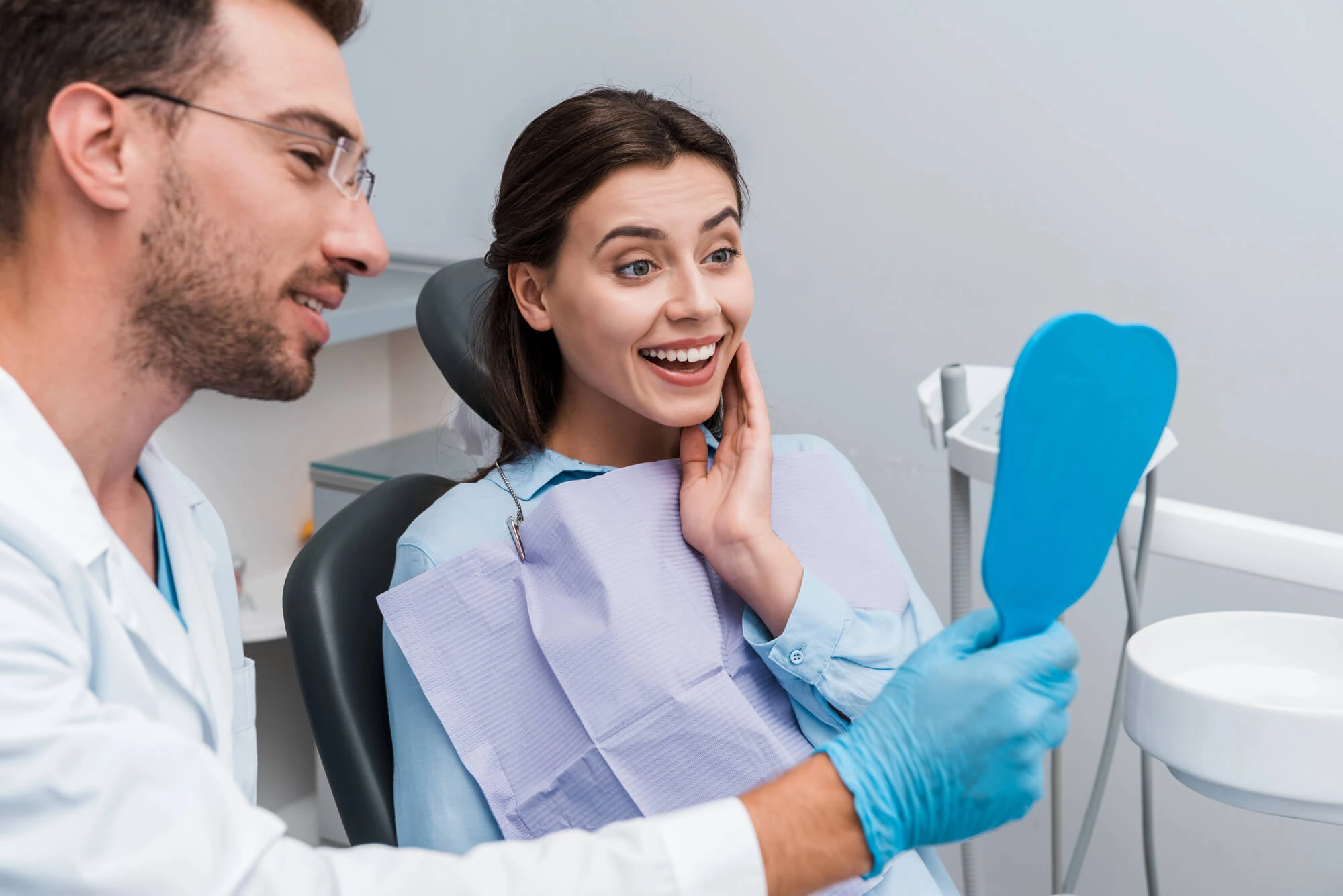
Do You Need a Full Mouth Reconstruction or a Smile Makeover?
Whether you need a cosmetic refresh or a complete rebuild, modern dentistry offers more options than ever. At Georgetown Sedation Dentistry, our team offers personalized treatment options designed around your health, comfort, and goals. Contact us today to schedule your consultation and take the first step toward a stronger, healthier smile.

150 Mt Vernon Dr, Georgetown, KY 40324 Suite 201
Monday 8 AM - 5 PM
Tuesday 8 AM - 5 PM
Wednesday CLOSED
Thursday 8 AM - 5 PM
Friday 8 AM - 5 PM
Saturday CLOSED
Sunday CLOSED

.svg)
.svg)
.svg)
.svg)
© 2024. Georgetown Sedation Dentistry | Privacy Policy | ADA Compliance
Website by: Digital Resource