
-compressed.webp)
Losing a tooth doesn't just leave a gap in your smile. Over time, it can also affect the health of your jawbone. Many people don't realize these changes happen until they begin exploring tooth replacement options. If you're considering dental implants in Lexington, KY, you may be wondering whether bone loss could affect your treatment.
While bone loss can make implant placement more complex, it doesn't automatically mean you're no longer a candidate. Understanding why bone loss happens and how dentists address it can help you feel more confident about your options.
Why Does Bone Loss Happen After Tooth Loss?
Your Jawbone Needs Regular Stimulation
Your natural tooth roots do more than hold your teeth in place. Every time you bite or chew, they stimulate the surrounding jawbone.
When a tooth is lost, that stimulation disappears. As a result, the body gradually begins to break down the bone that once supported the tooth. This natural process, known as bone resorption, can continue over time if the missing tooth isn't replaced.
The longer the space remains untreated, the more bone loss may occur.
Other Factors Can Contribute to Bone Loss
Missing teeth aren't the only cause of bone loss. Other factors may include:
- Untreated dental infections
- Facial trauma
- Long-term tooth loss
- Certain medical conditions that affect bone health
Your dentist will evaluate your oral health to determine what may be contributing to bone loss in your specific situation.
How Bone Loss Can Affect Dental Implant Treatment
Dental Implants Need Adequate Bone Support
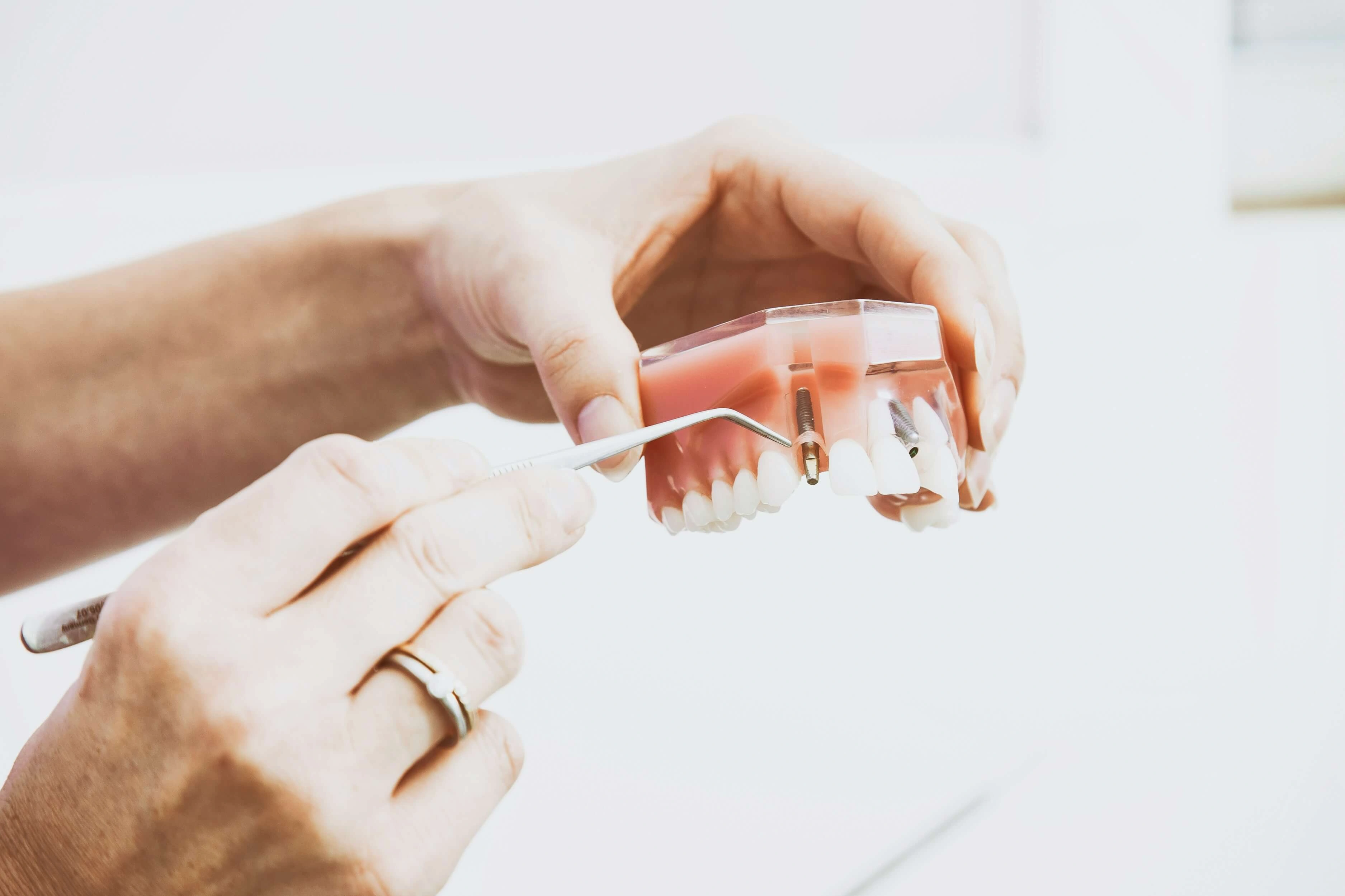
Dental implants are placed into the jawbone, where they function like artificial tooth roots.
For implants to remain stable, there must be enough healthy bone to support them. If significant bone has been lost, placing an implant may not be possible without additional treatment.
Fortunately, bone loss doesn't always prevent successful implant placement.
Every Treatment Plan Is Personalized
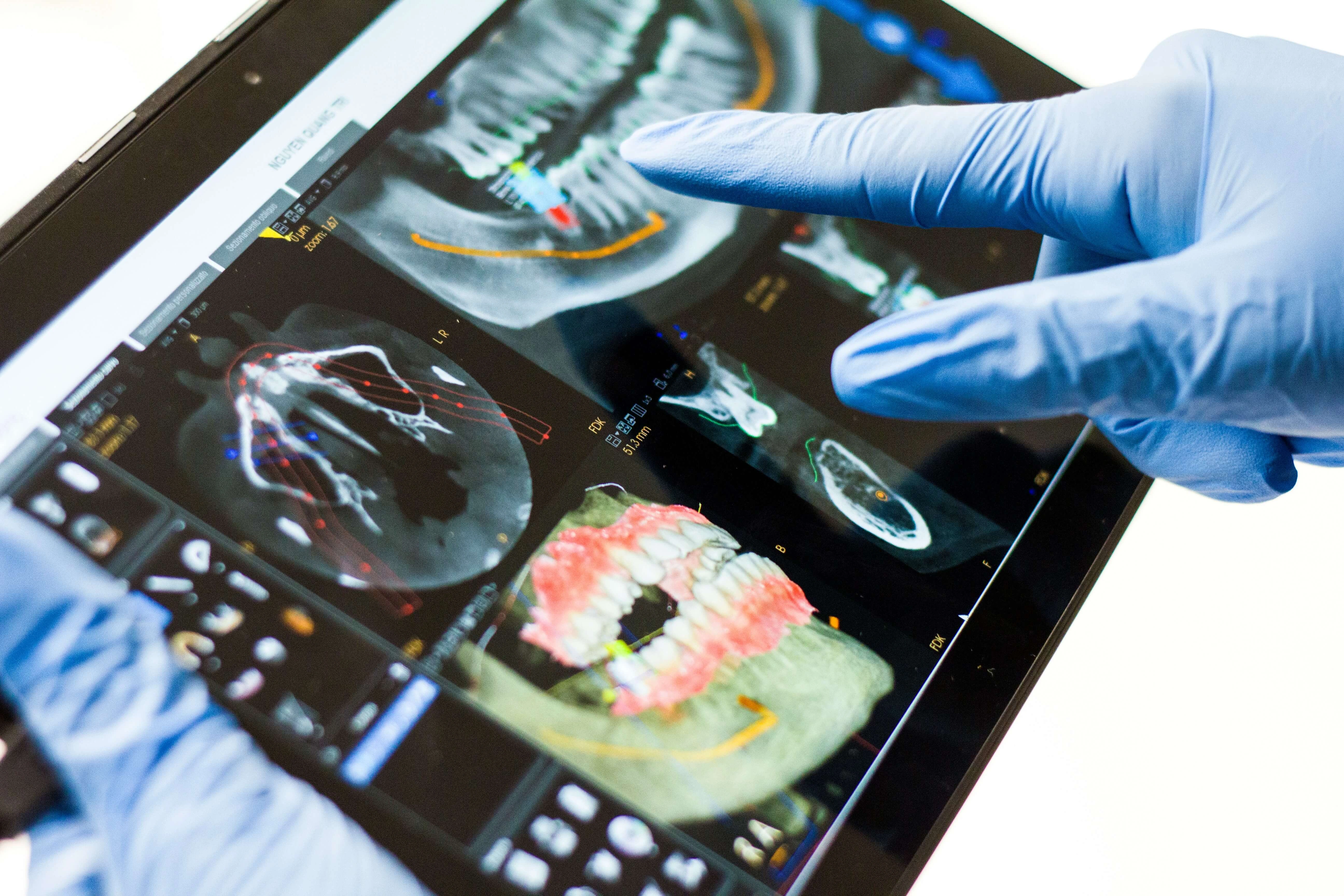
Before recommending dental implants, your dentist will perform a comprehensive examination that includes digital X-rays or 3D imaging.
These images help evaluate:
- Bone height
- Bone width
- The location of important structures, such as nerves and sinuses
This information allows your dentist to determine the safest and most effective treatment plan.
Bone Loss Doesn't Always Eliminate Your Options
Many patients are surprised to learn they can still receive dental implants even after experiencing bone loss.
Depending on your situation, your dentist may recommend additional procedures or alternative treatment approaches to create a stable foundation for implant placement.
The best option depends on your oral health, treatment goals, and the amount of remaining bone.
What Are the Treatment Options for Bone Loss?
Bone Grafting May Help Rebuild Lost Bone
If there isn't enough bone to support an implant, your dentist may recommend bone grafting.
This procedure adds bone or bone-like material to the affected area, encouraging new bone growth over time. Once healing is complete, the area may provide enough support for implant placement.
Not every patient with bone loss requires bone grafting, but it can be an effective solution in many cases.
Alternative Implant Approaches May Be Available
Some patients may benefit from different implant placement techniques based on their anatomy and the amount of available bone.
Your dentist will explain which approach is most appropriate after reviewing your examination and imaging results.
Because every patient is different, treatment recommendations are always personalized.
What to Expect Before, During, and After Implant Treatment
Before Treatment
Your first appointment includes a comprehensive examination, digital imaging, and a detailed evaluation of your jawbone.
Your dentist will discuss your oral health, explain whether bone grafting or other procedures are recommended, and answer any questions you have about treatment.
If you're anxious about dental procedures, sedation options can also be reviewed during your consultation.
During Implant Placement
Dental implant surgery is carefully planned to maximize precision and patient comfort.
Local anesthesia keeps the treatment area numb, while sedation dentistry is available for many patients who want additional relaxation throughout the procedure.
Your dental team will monitor you closely during treatment to help ensure a comfortable experience.
Recovery and Healing
Healing takes place gradually after implant placement.
If bone grafting is performed, additional healing time may be needed before the implant is placed. Once the implant is in position, it bonds with the surrounding jawbone through a natural process called osseointegration.
Follow-up visits allow your dentist to monitor healing before your final restoration is attached.
Common Misconceptions About Bone Loss and Dental Implants
Myth: Bone Loss Means I Can't Get Dental Implants
Many patients with bone loss still qualify for implant treatment. A thorough examination helps determine which options are available based on your individual needs.
Myth: Everyone With Bone Loss Needs Bone Grafting
Bone grafting is helpful in some situations, but it isn't necessary for every patient. The amount and location of bone loss influence your treatment plan.
Myth: Waiting Won't Affect My Implant Options
The longer a missing tooth goes unreplaced, the more bone may be lost over time. Seeking an evaluation sooner rather than later may help preserve more treatment options.
Frequently Asked Questions
Can I Still Get Dental Implants If I've Been Missing Teeth for Years?
Possibly. Many patients who have lived with missing teeth for an extended period still qualify for implants after a comprehensive evaluation. Your dentist will determine what treatment is appropriate based on your bone health and overall oral condition.
How Will My Dentist Know If I Have Enough Bone?
Digital X-rays and 3D imaging allow your dentist to carefully evaluate your jawbone before recommending implant treatment.
Does Bone Grafting Make Treatment Much Longer?
Healing time varies depending on the extent of the graft and your body's natural healing process. Your dentist will explain your expected timeline before treatment begins.
Is Sedation Available During Implant Procedures?
Yes. Many patients choose sedation dentistry to feel more comfortable during implant surgery. Your dentist will discuss the available options based on your treatment plan and medical history.
Are You Interested in Dental Implants in Lexington, KY?
At Georgetown Sedation Dentistry, every implant treatment begins with a thorough evaluation of your bone health, oral health, and smile goals.
Even if you've experienced bone loss, we'll carefully assess your situation and recommend the treatment options that best fit your needs. We also offer sedation options to help you feel comfortable throughout your care.
Contact Georgetown Sedation Dentistry today to schedule a consultation and learn whether dental implants are the right solution for restoring your smile.

150 Mt Vernon Dr, Georgetown, KY 40324 Suite 201
Monday 8 AM - 5 PM
Tuesday 8 AM - 5 PM
Wednesday CLOSED
Thursday 8 AM - 5 PM
Friday 8 AM - 5 PM
Saturday CLOSED
Sunday CLOSED

.svg)
.svg)
.svg)
.svg)
© 2024. Georgetown Sedation Dentistry | Privacy Policy | ADA Compliance
Website by: Digital Resource