
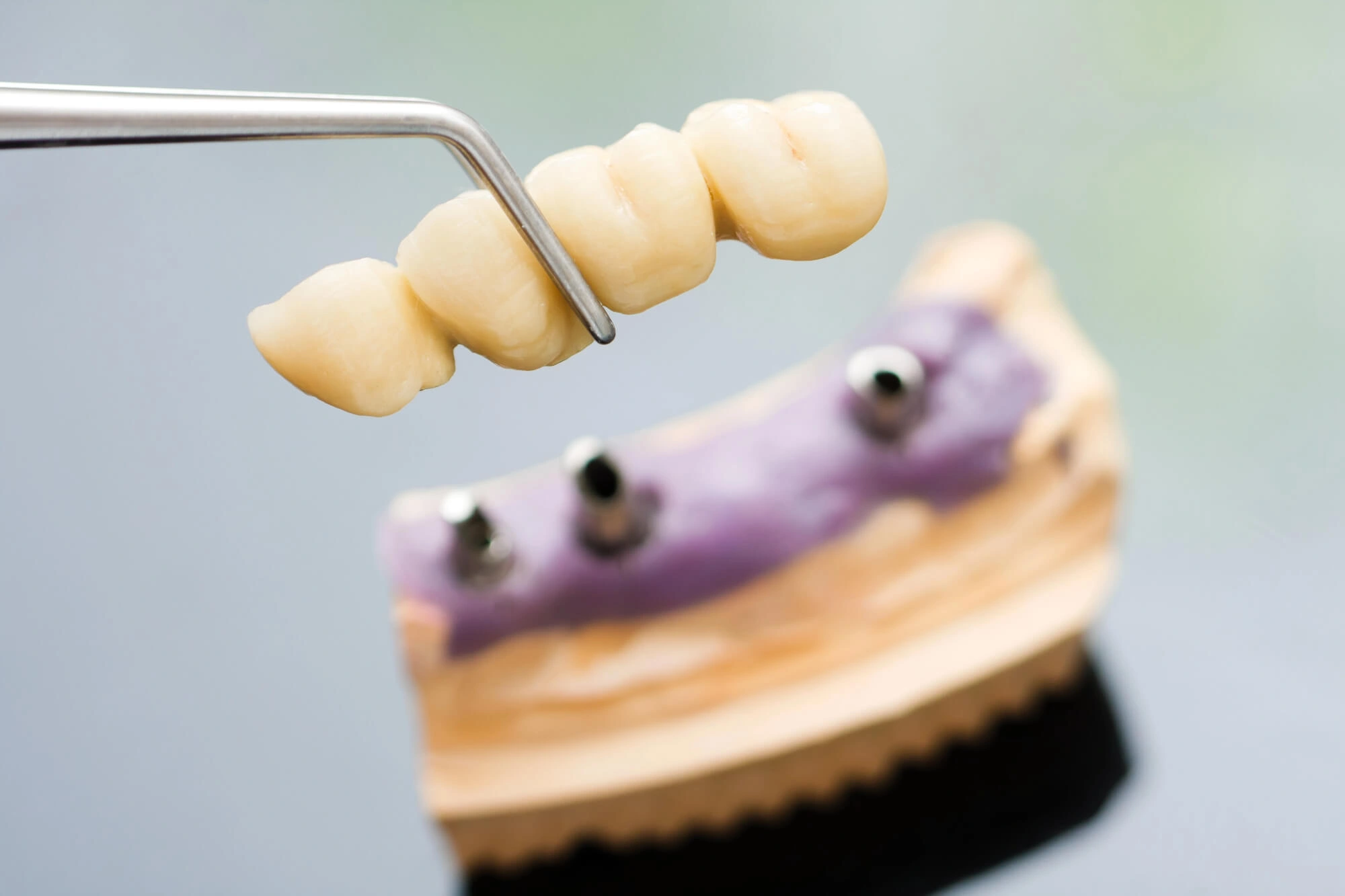
When people first hear about All-on-X dental implants, one of the most common questions they ask is, "How can just a few implants support an entire arch of teeth?" It may seem surprising that a full smile doesn't require one implant for every missing tooth. However, modern implant dentistry is designed to maximize stability through careful planning rather than simply increasing the number of implants.
If you're considering All-on-X dental implants, understanding how the treatment works can help you feel more confident about your decision. The key isn't using more implants—it's placing them strategically to provide long-term support, comfort, and function.

What Are All-on-X Dental Implants?
A Modern Solution for Full-Arch Tooth Replacement
All-on-X dental implants replace an entire upper or lower arch of missing teeth using several carefully positioned dental implants that support a custom-made prosthesis.
Unlike traditional removable dentures, the restoration is securely attached to the implants, allowing it to remain stable during everyday activities such as eating, speaking, and smiling.
Why the "X" Matters
The "X" in All-on-X represents the number of implants used to support the restoration.
Rather than using the same number for every patient, your dentist determines the ideal number of implants based on your individual anatomy, bone quality, and treatment needs.
This personalized approach helps create a strong and predictable foundation.
How Can Fewer Implants Support an Entire Smile?
Strategic Implant Placement Makes the Difference
The stability of All-on-X dental implants isn't determined by quantity alone.
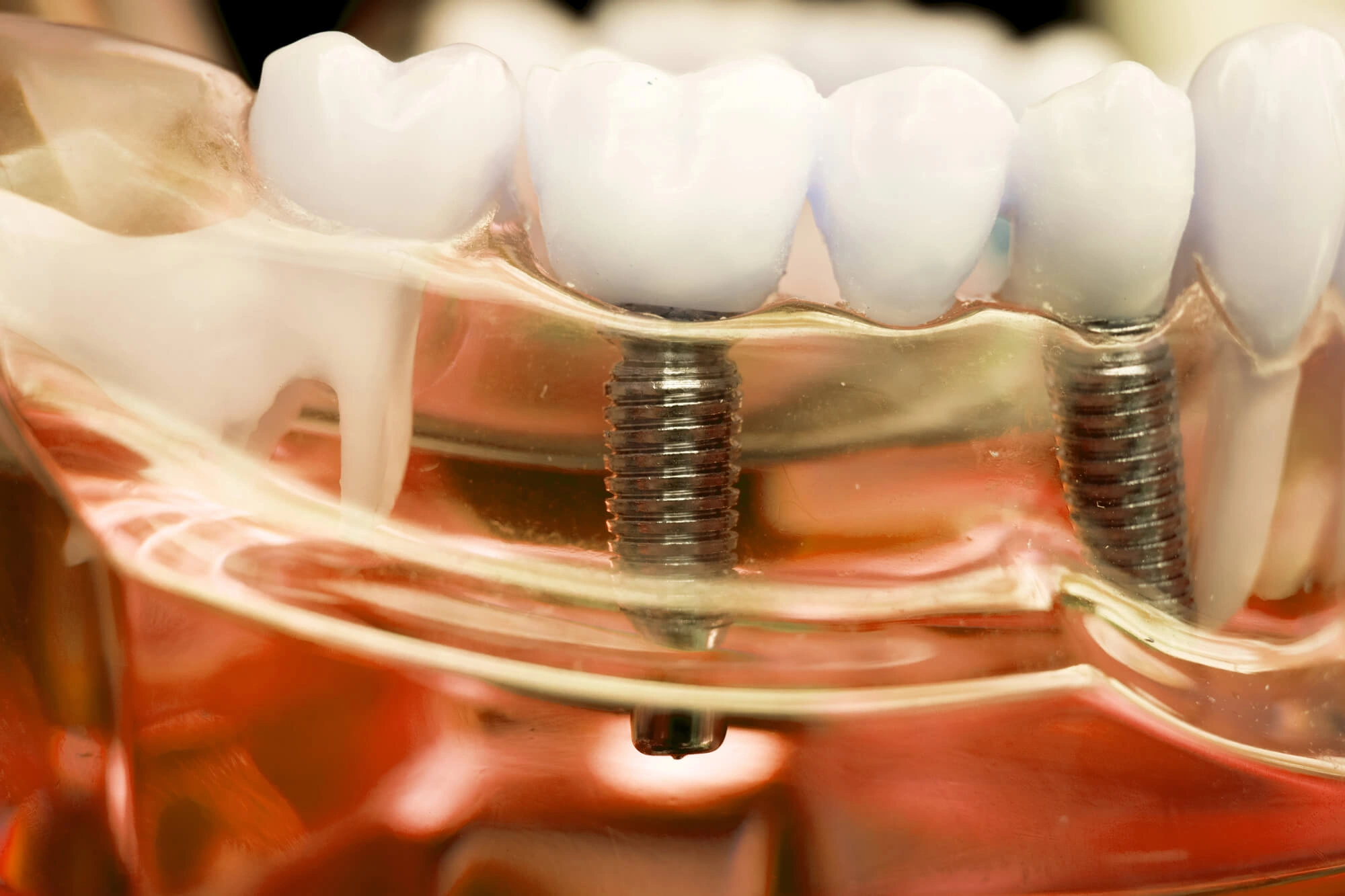
Instead of placing implants directly beneath every missing tooth, they're positioned in areas of the jaw that offer the strongest bone support. Careful planning allows each implant to contribute to supporting the entire restoration.
Advanced digital imaging helps your dentist identify the most favorable implant locations before treatment begins.
Angled Implants Increase Stability
One feature that makes All-on-X treatment unique is that some implants may be intentionally placed at an angle.
This technique allows your dentist to:
- Maximize contact with healthy bone
- Improve support for the restoration
- Avoid certain anatomical structures
- Reduce the need for additional procedures in some cases
The result is a stable foundation designed to withstand everyday chewing forces.
The Restoration Works as One Connected Unit
Another reason fewer implants can successfully support an entire arch is the design of the prosthesis itself.
Rather than each implant supporting a single tooth independently, the restoration connects all the implants into one stable structure. This design distributes biting pressure across multiple implants instead of concentrating force in one area.
By sharing the workload, the implants and restoration work together to provide long-term stability.
What Helps All-on-X Dental Implants Stay Successful?
Healthy Bone and Gums Matter
Before treatment begins, your dentist carefully evaluates your oral health to determine whether your jawbone can adequately support dental implants.
Digital imaging helps assess:
- Bone density
- Bone volume
- Overall oral condition
This information guides treatment planning and helps improve long-term success.
Daily Care Protects Your Investment
Although dental implants cannot develop cavities, they still require excellent oral hygiene.
Brushing, cleaning around the implants, attending regular dental checkups, and maintaining healthy gums all help protect your restoration.
Good daily habits are an important part of long-term implant success.
Following Post-Treatment Instructions Supports Healing
After implant surgery, your dentist will provide detailed instructions regarding oral hygiene, diet, and activity.
Following these recommendations allows the implants to heal properly as they gradually bond with the jawbone.
What to Expect Before, During, and After Treatment
Before Surgery
Treatment begins with a comprehensive examination, digital scans, and personalized planning.
Your dentist will review your medical history, evaluate your oral health, discuss your treatment goals, and explain whether All-on-X is an appropriate option for your situation.
Sedation options can also be discussed during this visit if you're feeling anxious about surgery.
During Implant Placement
The implants are carefully positioned according to your personalized treatment plan.
Local anesthesia keeps the treatment area comfortable, while sedation dentistry is available for many patients who want additional relaxation during the procedure.
Throughout treatment, your dental team closely monitors your comfort.
Recovery and Healing
Healing takes place gradually as the implants integrate with the jawbone through a natural process called osseointegration.
During recovery, your dentist may recommend:
- Eating softer foods initially
- Following careful oral hygiene instructions
- Attending follow-up appointments
- Gradually returning to your normal routine
These steps help support proper healing and long-term implant stability.
Common Misconceptions About All-on-X Dental Implants
Myth: Fewer Implants Mean Less Support
The number of implants isn't the only factor that determines stability.
Strategic placement, careful planning, and the design of the restoration all work together to create a strong foundation.
Myth: Everyone Receives the Same Number of Implants
Every smile is different.
Your dentist recommends the number and placement of implants based on your jawbone, oral health, and treatment goals.
Myth: Implant Surgery Is Extremely Painful
Modern implant procedures prioritize patient comfort through local anesthesia and, when appropriate, sedation dentistry.
Many patients find the experience easier than they anticipated.
Frequently Asked Questions
Why Doesn't Every Missing Tooth Need Its Own Implant?
Because the implants work together to support a single connected restoration, strategically placed implants can often provide excellent stability without replacing every individual tooth root.
How Long Do All-on-X Dental Implants Last?
With proper oral hygiene, routine dental visits, and healthy habits, dental implants can provide long-term support. The attached prosthesis may require maintenance or replacement over time due to normal wear.
Will I Be Able to Eat Normally?
Yes. After the healing process is complete, many patients can enjoy a wide variety of foods again. Your dentist will guide you through dietary recommendations during recovery.
Is Sedation Available During Implant Surgery?
Yes. Many patients choose sedation dentistry to feel more relaxed throughout implant surgery. Your dentist will recommend the option that's most appropriate for your comfort level and treatment plan.

Are You Considering All-on-X Dental Implants?
At Georgetown Sedation Dentistry, we start with a thorough exam and advanced imaging to determine if All-on-X dental implants are right for you.
Your treatment plan is tailored to your bone structure, oral health, and goals, with sedation options available for added comfort.
To learn more or see if you're a candidate, contact us to schedule a consultation. We'll guide you toward a healthier, more confident smile.

150 Mt Vernon Dr, Georgetown, KY 40324 Suite 201
Monday 8 AM - 5 PM
Tuesday 8 AM - 5 PM
Wednesday CLOSED
Thursday 8 AM - 5 PM
Friday 8 AM - 5 PM
Saturday CLOSED
Sunday CLOSED

.svg)
.svg)
.svg)
.svg)
© 2024. Georgetown Sedation Dentistry | Privacy Policy | ADA Compliance
Website by: Digital Resource