

Losing several teeth can affect eating, speaking, and smiling. Same-day dentures in Lexington, KY can replace teeth immediately after extractions. But are they permanent? Not always. They're often used while your mouth heals and changes. Over time, you may need a better-fitting denture or a more stable option, such as implant-supported dentures.0
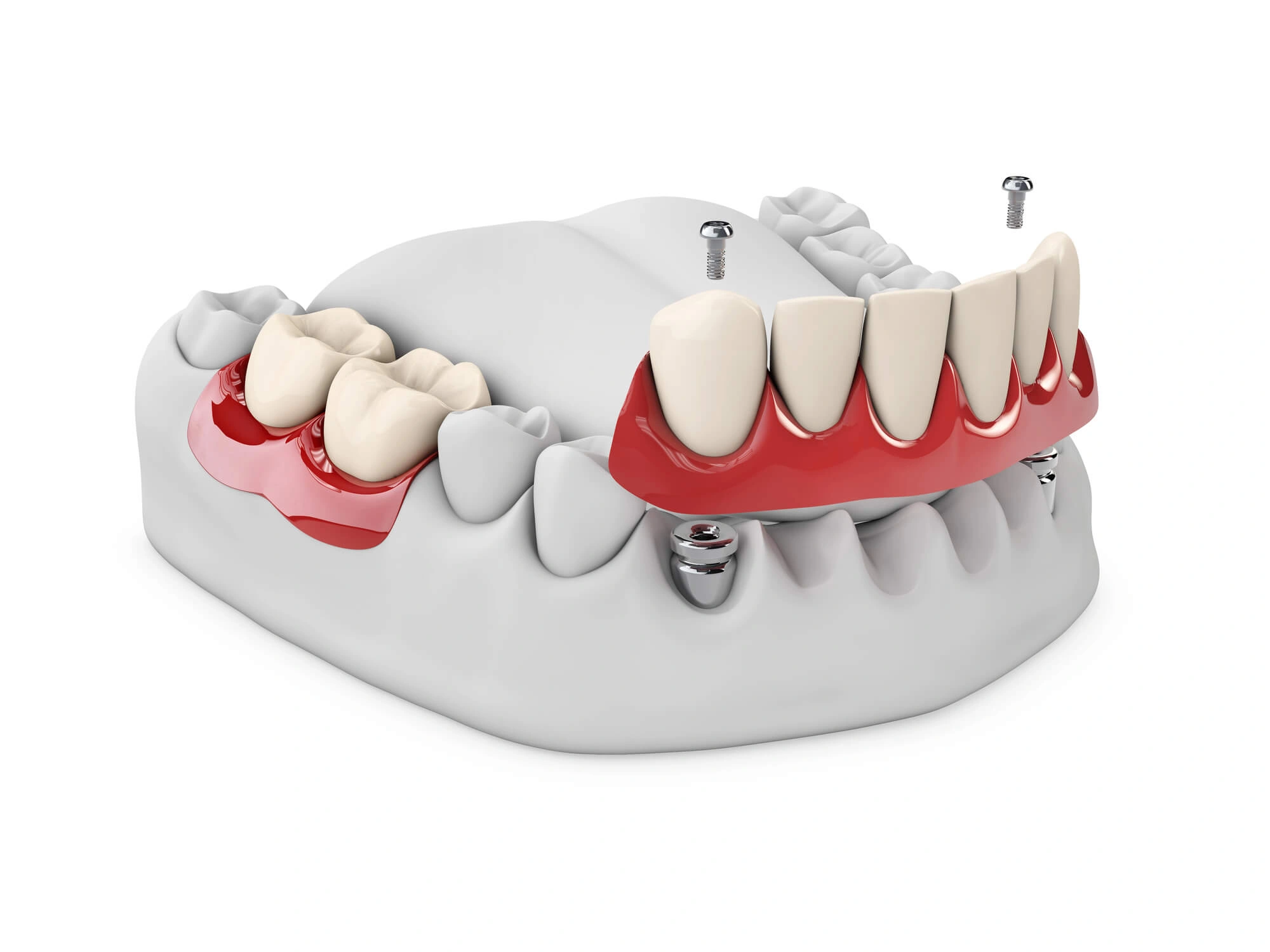
What Are Same-Day Dentures?
They're Made Before Your Teeth Are Removed
Same-day dentures are prepared before scheduled tooth extractions so they can be placed immediately afterward. This allows you to leave the appointment with replacement teeth rather than waiting for your mouth to heal before receiving a denture.
This can be especially helpful when several teeth need to be removed at once. However, the denture is being placed into a mouth that's about to undergo significant changes.
Your Mouth Changes During Healing
After extractions, your gums and underlying tissues gradually heal and change shape. Your jawbone can also shrink after tooth loss.
As these changes occur, a denture that initially fit well may become looser or less comfortable. That's one reason immediate dentures are often followed by adjustments, relining, or replacement with a more definitive restoration.
How Long Do Same-Day Dentures Usually Last?
They're Often a Transitional Appliance
There's no single expiration date for every same-day denture. How long you can use one depends on how quickly your mouth heals, how much your tissues change, the condition of the denture, and your long-term treatment plan.
In some cases, an immediate denture may eventually be adjusted and continued as a longer-term appliance. In others, your dentist may recommend replacing it once healing is complete.
Traditional dentures themselves can last several years with proper care, but that doesn't necessarily mean an immediate denture will remain the ideal fit for that entire period.
Fit Matters More Than the Calendar
A denture that still looks good may no longer fit properly.
If your denture starts slipping, clicking when you speak, causing sore spots, or making chewing difficult, it may need an adjustment or reline. Don't assume you simply need to tolerate the discomfort until it's time for a replacement.
Why You May Eventually Need a More Permanent Solution
Your Jaw and Gums Continue to Change
Tooth loss affects the structures that once supported your natural teeth. As the jawbone gradually resorbs, the shape of your mouth can change.
This can affect how a removable denture fits and may make it harder to achieve the same level of stability over time.
You Want More Stability
Traditional dentures rest on the gums and can move during eating or speaking. Some people eventually want an option that feels more secure.
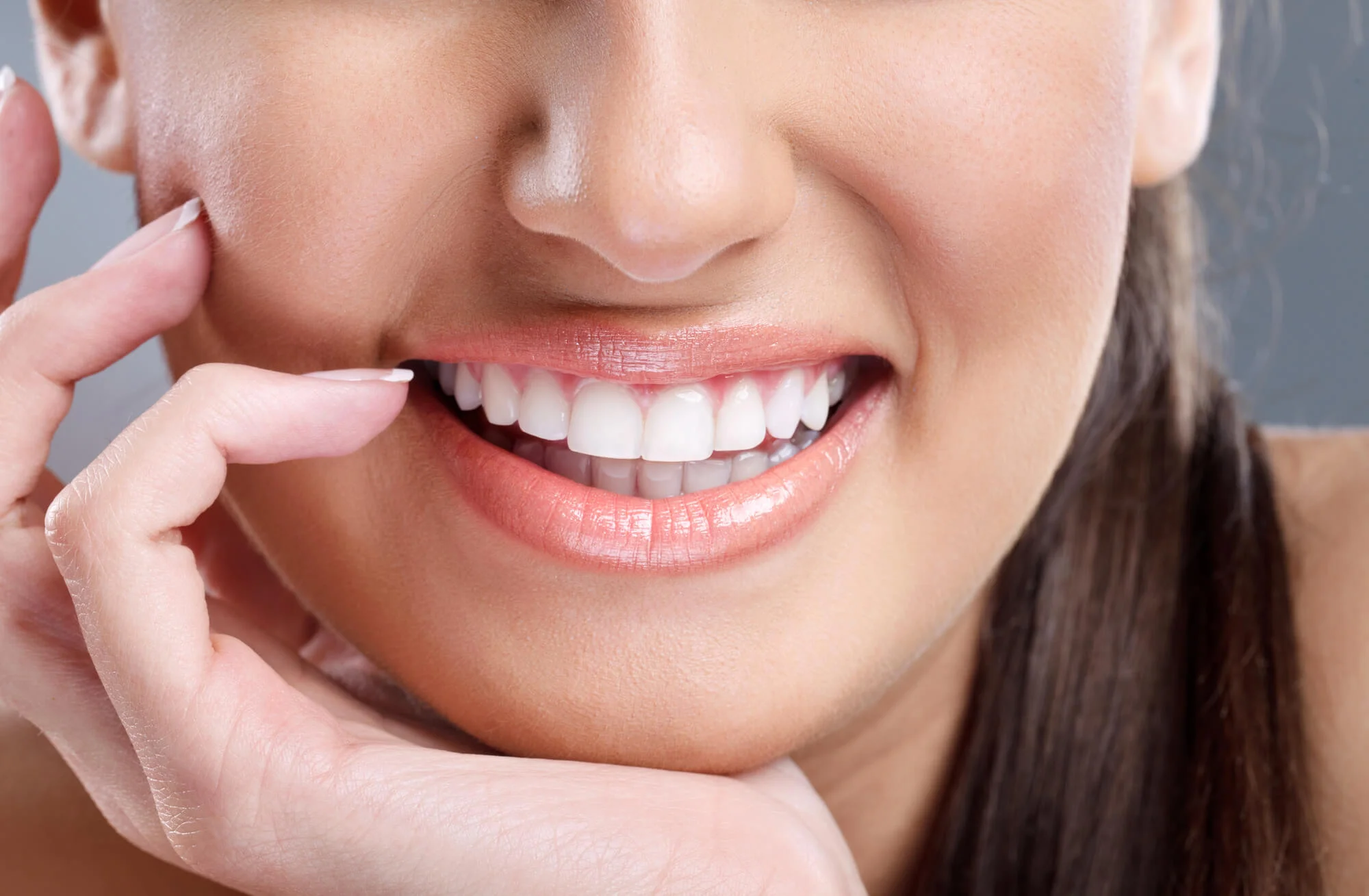
Implant-supported dentures attach to dental implants placed in the jawbone. Because they're anchored rather than simply resting on the gums, they can provide greater stability for chewing and speaking.
Your Treatment Goals May Change
You may initially choose same-day dentures because you need an immediate solution after extractions. Later, you may decide that you'd prefer a more stable or permanent option.
That's completely reasonable. Your first restoration doesn't have to determine your final treatment.
What Are Your Long-Term Options?
Conventional Permanent Dentures
Once your mouth has healed and stabilized, your dentist may recommend a new set of dentures designed for your long-term needs.
A properly fitted denture can restore chewing and speech while replacing missing teeth. Adjustments or relining may also help maintain the fit as your mouth changes.
Implant-Supported Dentures
Implant-supported dentures offer another option for patients who want greater stability.
Depending on the design, they may be removable or fixed. Removable versions attach to implants but can be taken out for cleaning. Fixed versions remain attached to the implants and can only be removed by a dental professional.
Whether implants are appropriate depends on factors such as your jawbone, oral health, medical history, and treatment goals.
What to Expect During the Transition
Your First Denture May Need Adjustments
Don't be surprised if your denture needs several adjustments during the early healing period. Your gums are changing, and small pressure points can develop.
Your dentist can make adjustments or recommend a reline when appropriate.
Your Diet May Change Temporarily
Eating with a new denture takes practice. Softer foods may be easier during the initial adjustment period. As you become more comfortable and your dentist confirms that your healing is progressing properly, you can gradually expand your diet.
Your Long-Term Plan Can Be Discussed Early
You don't necessarily have to wait until your same-day dentures become uncomfortable before discussing what comes next.
If you already know you're interested in implants or a more stable restoration, ask about your options during your initial treatment planning. This can help you understand the expected timeline and what may be involved.
How Can You Make Same-Day Dentures Last Longer?
Keep Them Clean
Daily denture care helps keep your appliance in good condition and supports healthy oral tissues. Follow your dentist's cleaning instructions and use products appropriate for dentures.
Give Your Gums a Break
Unless your dentist gives you different instructions, dentures are generally removed at night so your gums can rest.
Don't Ignore Fit Problems
Pain, persistent irritation, looseness, or difficulty chewing are reasons to contact your dentist. Trying to fix or adjust the denture yourself can damage the appliance or create additional problems.
Frequently Asked Questions
Are Same-Day Dentures Permanent?
Not always. Immediate dentures are often used as a transitional appliance while the mouth heals, although some may eventually serve as longer-term dentures after appropriate adjustments.
When Can I Get Permanent Dentures?
The timing depends on how your gums and jaw heal. Your dentist can evaluate your mouth and determine when a more definitive denture can be made.
Can I Replace Same-Day Dentures With Dental Implants?
Possibly. Implant-supported dentures may provide greater stability, but candidacy depends on your bone health, oral health, medical history, and treatment goals.
Do I Need Sedation for Same-Day Dentures?
Sedation isn't necessarily required for denture treatment. However, if extractions or other procedures are part of your treatment and you're anxious about dental care, ask your dentist about available sedation options.
Are You Considering Same-Day Dentures in Lexington, KY?
If you're concerned about dental treatment or extractions, we can also discuss sedation options to help you feel more comfortable. Contact Georgetown Sedation Dentistry to schedule a consultation and learn what approach may be right for you.

150 Mt Vernon Dr, Georgetown, KY 40324 Suite 201
Monday 8 AM - 5 PM
Tuesday 8 AM - 5 PM
Wednesday CLOSED
Thursday 8 AM - 5 PM
Friday 8 AM - 5 PM
Saturday CLOSED
Sunday CLOSED

.svg)
.svg)
.svg)
.svg)
© 2024. Georgetown Sedation Dentistry | Privacy Policy | ADA Compliance
Website by: Digital Resource