
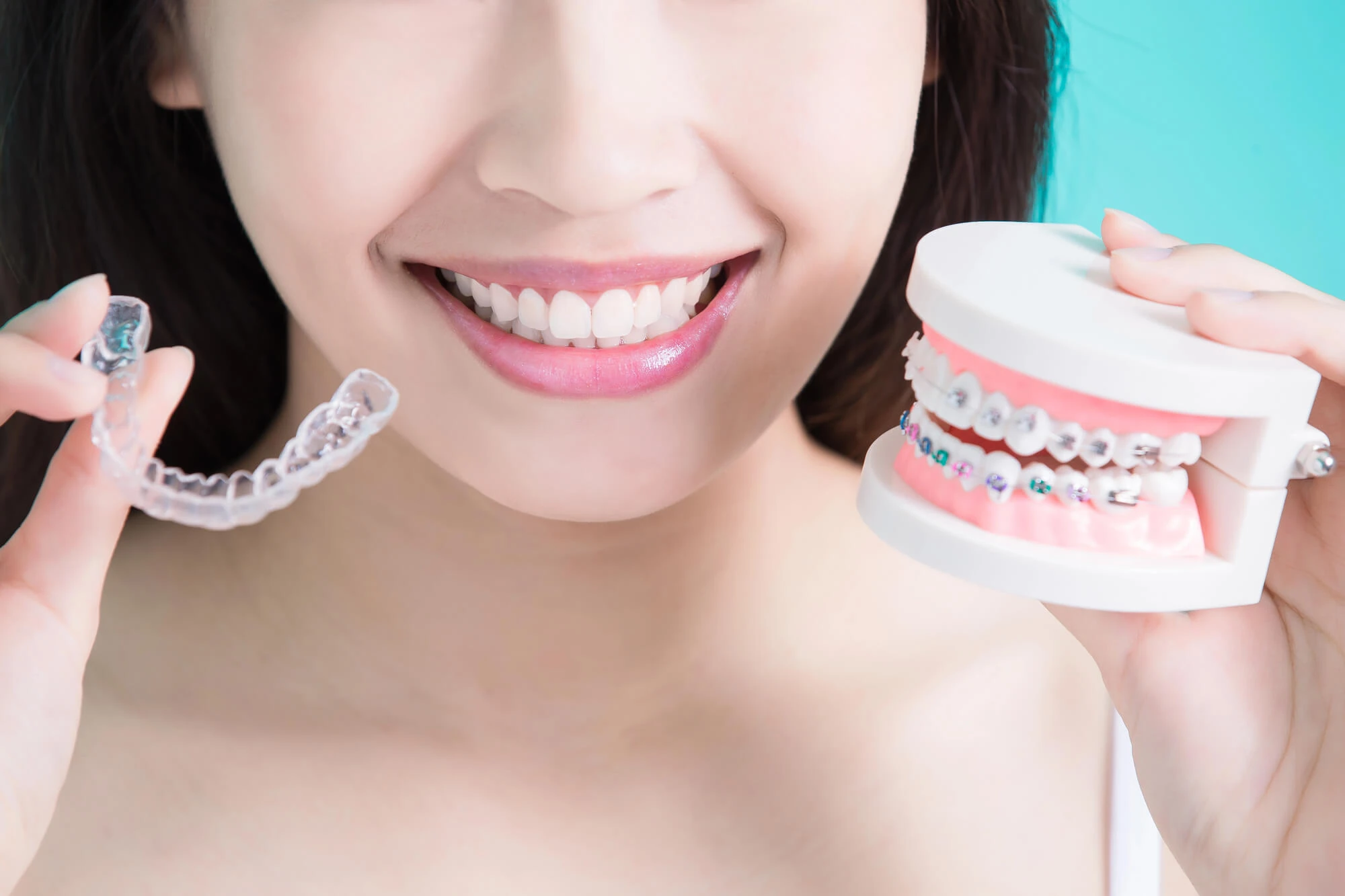
Choosing between Invisalign and braces can feel like a big decision. Both options can straighten your teeth, improve your bite, and help you feel more confident in your smile. However, the right choice depends on your lifestyle, dental needs, treatment goals, and how much flexibility you want along the way.
If you have been searching for “Invisalign near me,” you are probably looking for a treatment that is discreet, convenient, and effective. Invisalign clear aligners are a popular option for teens and adults who want straighter teeth without the look or feel of traditional braces. Still, braces remain a trusted solution for more complex orthodontic concerns.
So, which one is right for you?
What Is Invisalign?
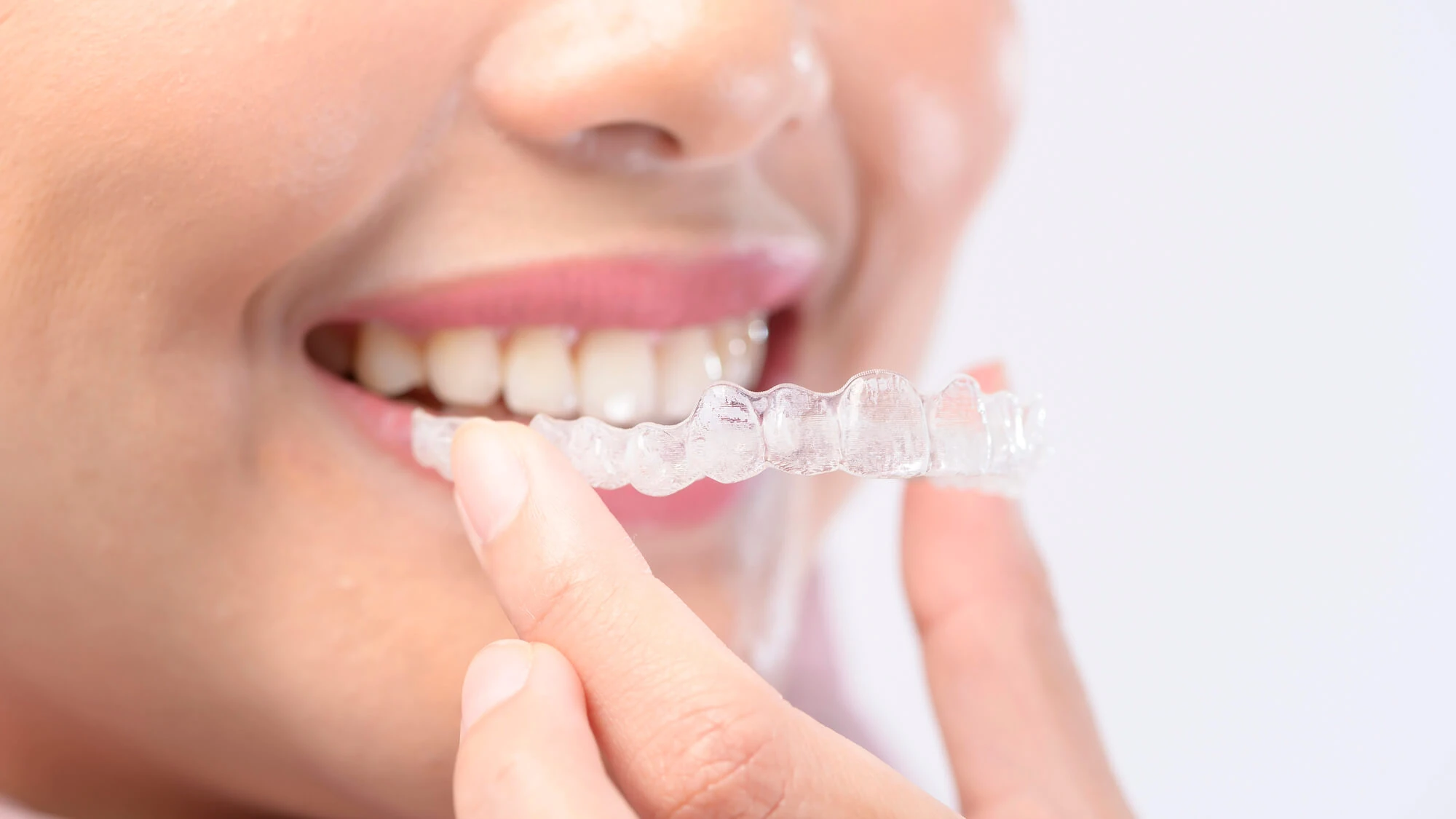
Invisalign® is a clear aligner system that uses a series of custom-made plastic trays to gradually move your teeth into better alignment. Each set of aligners is worn for a specific amount of time before switching to the next set in the series. They are designed to straighten teeth without brackets or metal wires.
One of the biggest reasons patients choose Invisalign is that the aligners are nearly invisible. They fit snugly over your teeth, making them a more discreet option for school, work, photos, and social events.
What Are Braces?
Traditional braces use metal or ceramic brackets attached to the teeth, connected by wires and small bands. Your dentist or orthodontist adjusts the wires over time to guide the teeth into proper position.
Braces are fixed in place, meaning you cannot remove them on your own. That can be a benefit for patients who may forget to wear aligners consistently. Since braces are always working, they are often recommended for more complex alignment or bite problems.
Today’s braces are more comfortable and streamlined than many people expect. They are still visible, but they remain one of the most reliable ways to correct crowding, spacing, rotations, and bite issues.
Things to Consider When Choosing Invisalign or Braces
Appearance: Which Option Is More Discreet?
Invisalign is the clear winner for patients who want the most discreet treatment. The aligners are transparent and fit closely over your teeth, so most people may not notice you are wearing them.
Braces are more noticeable because brackets and wires are attached to the teeth. Ceramic braces can be less visible than metal braces. However, they still do not offer the same subtle appearance as clear aligners.
If appearance is one of your top concerns, Invisalign may be the better fit.
Comfort: Which Feels Better?
Both Invisalign and braces can cause mild soreness as the teeth move. That pressure is part of the straightening process. However, Invisalign aligners are made of smooth plastic, so they do not have brackets or wires that can rub against your cheeks or lips.
Braces may cause irritation, especially right after they are placed or adjusted. Orthodontic wax can help, and most patients adjust over time.
For many patients, Invisalign feels more comfortable day to day. However, comfort also depends on how your teeth respond to treatment and how consistently you follow your dentist’s instructions.
Eating and Drinking: Which Is Easier?
This is one of the biggest lifestyle differences.
With Invisalign, you remove your aligners before eating or drinking anything other than water. That means you can continue enjoying popcorn, apples, crunchy vegetables, and other foods that are typically restricted with braces.
With braces, certain foods can damage brackets or bend wires. Sticky, hard, or chewy foods are usually limited during treatment. Patients with braces need to be more careful with foods like caramel, gum, hard candy, popcorn, and crunchy snacks.
If you want fewer food restrictions, Invisalign may be more convenient.

Cleaning Your Teeth During Treatment
Invisalign also makes oral hygiene simpler. Since the aligners are removable, you can brush and floss your teeth normally. You will also need to clean your aligners regularly to keep them fresh and clear.
Braces require a little more effort. Food can get trapped around brackets and wires, so brushing and flossing take more time. Special tools like floss threaders, interdental brushes, or water flossers may help keep your teeth clean.
Both options require good oral hygiene, but Invisalign can make the process easier for patients who are committed to cleaning their teeth and aligners properly.
Discipline: Are You Likely to Wear Your Aligners?
Invisalign only works if you wear the aligners as directed. Most patients need to wear them for most of the day and night, removing them only for meals, drinks, brushing, and flossing.
That flexibility is a major perk, but it also means responsibility. If aligners are left out too often, treatment can slow down or become less effective.
Braces do not require the same level of daily discipline because they are fixed to your teeth. You cannot forget to wear them. For younger patients or anyone who may struggle with consistency, braces may be the better option.
Treatment Complexity: Which Works Better?
Invisalign can correct many common orthodontic concerns, including mild to moderate crowding, spacing, and certain bite issues. Clear aligners can help address crooked teeth, which may affect both smile appearance and oral health.
Braces may be recommended for more complex cases. If your teeth need significant rotation, vertical movement, or major bite correction, braces may offer more control.
That does not mean Invisalign is only for minor cases. Clear aligner technology has advanced significantly, and many patients are good candidates. The only way to know for sure is to have your teeth and bite evaluated.
Office Visits and Treatment Experience
Both Invisalign and braces require professional monitoring. With Invisalign, you will receive a series of aligners and check in periodically so your dentist can make sure your teeth are moving as planned.
With braces, appointments are needed for wire adjustments, progress checks, and repairs if a bracket or wire becomes loose.
Some patients prefer Invisalign because appointments can feel simpler and less involved. Others prefer braces because the treatment is fixed and guided closely from visit to visit.
So, Invisalign or Braces?
There is no one-size-fits-all answer. Invisalign is a great option for patients who want a discreet, removable, and flexible way to straighten their teeth. Braces are a dependable choice for patients who need more complex correction or prefer a treatment that stays in place all the time.
If you have been searching for “Invisalign near me,” your next step is a consultation. During your visit, your dentist can examine your teeth, discuss your goals, and explain whether Invisalign, braces, or another orthodontic option makes the most sense for your smile.
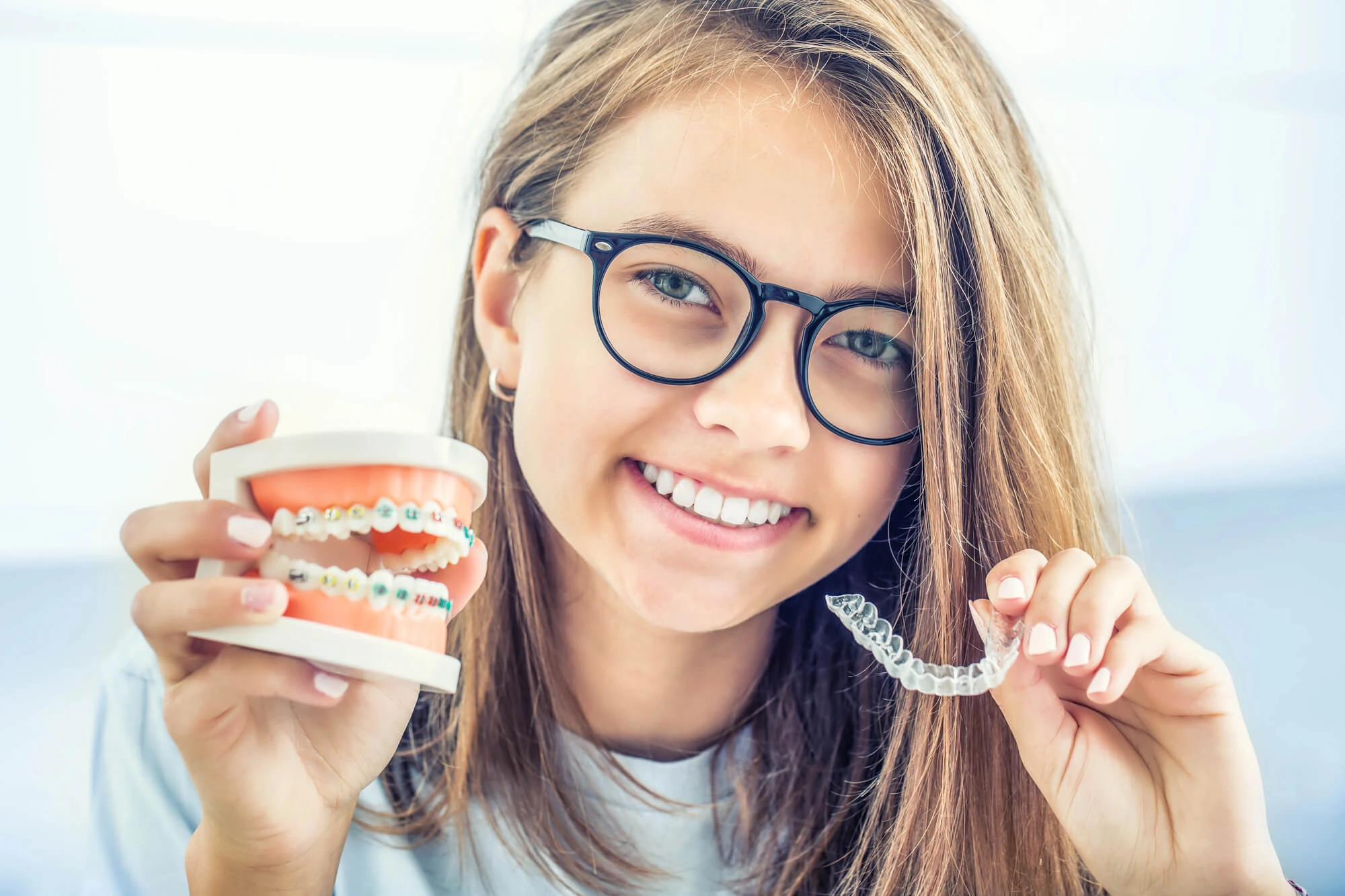
Choosing Between Braces and Invisalign Near You? Find the Right Orthodontic Option for Your Smile
Straightening your teeth is about more than appearance. Proper alignment can make it easier to clean your teeth, support a healthier bite, and improve long-term oral health.
At Georgetown Sedation Dentistry, we offer clear aligner options for patients who want a more discreet path to a straighter smile. Contact our team today to schedule your consultation and find out whether Invisalign is right for you.
*Invisalign®, the Invisalign logo, and iTero®, among others, are trademarks and/ or service marks of Align Technology, Inc. or one of its subsidiaries or affiliated companies and may be registered in the U.S. and/or other countries.

150 Mt Vernon Dr, Georgetown, KY 40324 Suite 201
Monday 8 AM - 5 PM
Tuesday 8 AM - 5 PM
Wednesday CLOSED
Thursday 8 AM - 5 PM
Friday 8 AM - 5 PM
Saturday CLOSED
Sunday CLOSED

.svg)
.svg)
.svg)
.svg)
© 2024. Georgetown Sedation Dentistry | Privacy Policy | ADA Compliance
Website by: Digital Resource