
If you’ve been exploring options with a sedation dentist, you’ve likely come across two common terms: IV sedation and general anesthesia. While both are designed to make dental procedures more comfortable, they are not the same, and understanding the difference is key to choosing the right option for your needs.
At Georgetown Sedation Dentistry, patient comfort and safety always come first. Let’s break down the science, experience, and practical differences between IV sedation and general anesthesia so you can feel confident about your care.
What Is IV Sedation?

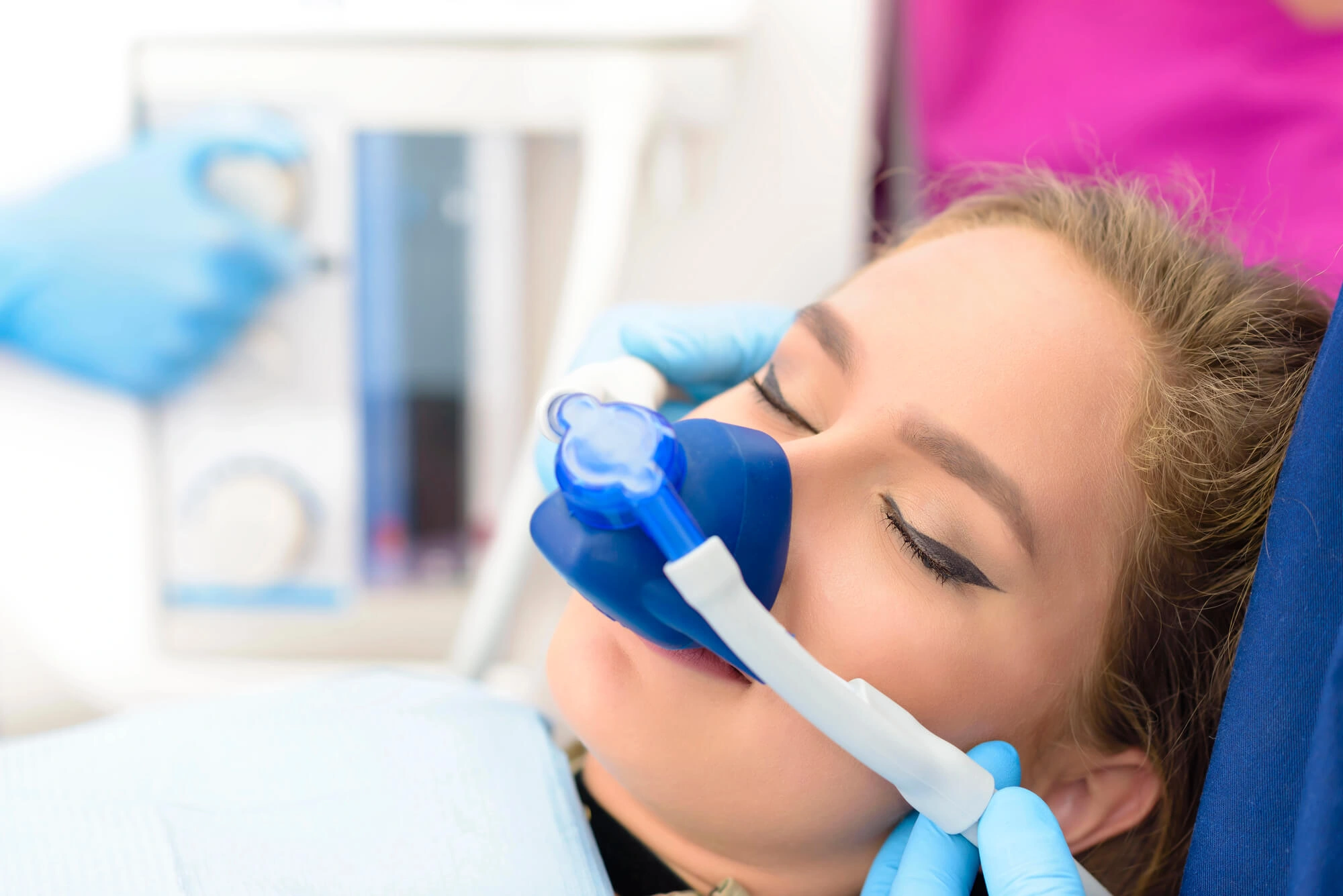
IV (intravenous) sedation is a form of conscious sedation delivered directly into the bloodstream through a small IV line.
What Does “Conscious Sedation” Mean?
Despite the name, patients are not fully unconscious. Instead, they experience:
- Deep relaxation
- Reduced awareness of surroundings
- Little to no memory of the procedure
- Ability to respond to verbal cues if needed
Many patients describe it as a “twilight” state—calm, comfortable, and largely unaware of what’s happening.
What Is General Anesthesia?
General anesthesia is a much deeper level of sedation that renders the patient completely unconscious.
What Happens Under General Anesthesia?
- You are fully asleep
- You cannot respond to stimuli
- Breathing may require assistance
- You have no awareness or memory of the procedure
This type of anesthesia is commonly used in hospital settings and for more complex surgical procedures.
Key Differences at a Glance
Understanding how these two options compare can help clarify which is appropriate for your situation.
Level of Consciousness
- IV Sedation: Semi-conscious, deeply relaxed
- General Anesthesia: Fully unconscious
Responsiveness
- IV Sedation: Can respond to instructions
- General Anesthesia: No response
Breathing
- IV Sedation: Breathing independently
- General Anesthesia: May require airway support
Recovery Time
- IV Sedation: Faster recovery
- General Anesthesia: Longer recovery and monitoring
Setting
- IV Sedation: Common in dental offices
- General Anesthesia: Typically requires a hospital or surgical center
How IV Sedation Works in Dentistry
When you visit a sedation dentist, IV sedation is often the preferred method for moderate to complex dental procedures.
The Science Behind It
Medications used in IV sedation:
- Depress the central nervous system
- Reduce anxiety signals in the brain
- Alter memory formation (amnesic effect)
Because the medication is delivered directly into the bloodstream:
- It works quickly
- Dosage can be adjusted in real time
- The level of sedation can be precisely controlled
This makes IV sedation both effective and flexible for dental care.
How General Anesthesia Works
General anesthesia goes a step further by completely shutting down conscious awareness.
What’s Happening in the Body?
- Brain activity is significantly suppressed
- Pain signals are blocked entirely
- Muscle relaxation is induced
- Protective reflexes (like the gag reflex) are temporarily disabled
Because of these effects, general anesthesia requires:
- Advanced monitoring equipment
- Specialized medical personnel
- A controlled surgical environment
When Is IV Sedation the Right Choice?
IV sedation is widely used in dentistry because it strikes a balance between comfort and safety.
Ideal for:
- Longer or more complex procedures
- Multiple treatments in one visit
- Strong gag reflex
- Difficulty sitting still for extended periods
It allows your sedation dentist to work efficiently while keeping you relaxed and comfortable throughout the process.
When Is General Anesthesia Necessary?
General anesthesia is typically reserved for more specific cases.
It May Be Recommended For:
- Extensive oral surgery
- Patients with special healthcare needs
- Severe dental phobia that cannot be managed with other sedation methods
- Cases requiring complete unconsciousness for safety or precision
Because it involves deeper sedation, it’s usually not the first option for routine dental procedures.
Safety Considerations
Both IV sedation and general anesthesia are safe when administered by trained professionals—but they come with different levels of risk and monitoring.
IV Sedation Safety
- Continuous monitoring of vital signs
- Adjustable dosage for patient comfort
- Lower risk compared to general anesthesia
- Faster recovery
General Anesthesia Safety
- Requires advanced airway management
- More intensive monitoring
- Higher level of medical oversight
- Longer post-procedure observation
This is why many dental practices favor IV sedation whenever appropriate—it provides excellent comfort with fewer complexities.
Recovery: What to Expect
Recovery is another major difference between the two options.
After IV Sedation
- You’ll feel drowsy but awake
- Most patients recover within a few hours
- You’ll need someone to drive you home
- Minimal lingering effects the next day
After General Anesthesia
- Grogginess may last longer
- Possible nausea or dizziness
- Extended monitoring before discharge
- Full recovery may take a day or more
For patients balancing busy schedules, IV sedation is often the more convenient option.
Patient Experience: What It Feels Like
From a patient’s perspective, the experience can feel quite different.
IV Sedation Experience
- Calm, dream-like state
- Little memory of the procedure
- No pain or discomfort
- Feels like time passes quickly
General Anesthesia Experience
- Complete loss of awareness
- No memory at all
- Wake up after the procedure is finished
Both options eliminate discomfort, but IV sedation allows for a smoother, less intensive experience overall.
Why Most Sedation Dentists Prefer IV Sedation
For many dental procedures, IV sedation offers the ideal balance of:
- Comfort
- Safety
- Efficiency
- Flexibility
It enables your sedation dentist to:
- Complete more work in fewer visits
- Adjust sedation levels as needed
- Maintain patient cooperation without distress
This makes it one of the most widely used sedation methods in modern dentistry.
Choosing the Right Option for You
The best choice depends on your:
- Medical history
- Anxiety level
- Type of procedure
- Personal comfort preferences
A consultation with a qualified sedation dentist will help determine which approach is safest and most effective for your specific needs.
The Takeaway: Understanding Your Options
IV sedation and general anesthesia both play important roles in dental care, but they serve different purposes.
- IV sedation keeps you relaxed, comfortable, and semi-aware
- General anesthesia places you in a fully unconscious state
For most dental procedures, IV sedation provides everything patients need: comfort, efficiency, and a significantly improved experience.
Ready to Experience Stress-Free Dentistry with a Sedation Dentist?
At Georgetown Sedation Dentistry, we specialize in helping patients feel completely at ease—no matter the procedure. Whether you’re exploring sedation options or ready to move forward with treatment, our team is here to guide you every step of the way. Contact our team to get started!

150 Mt Vernon Dr, Georgetown, KY 40324 Suite 201
Monday 8 AM - 5 PM
Tuesday 8 AM - 5 PM
Wednesday CLOSED
Thursday 8 AM - 5 PM
Friday 8 AM - 5 PM
Saturday CLOSED
Sunday CLOSED

.svg)
.svg)
.svg)
.svg)
© 2024. Georgetown Sedation Dentistry | Privacy Policy | ADA Compliance
Website by: Digital Resource