

Modern dentistry has changed dramatically, and same-day dental crowns are one of the clearest examples of how far restorative care has come. What surprises many patients isn’t just the technology itself—it’s how quickly a traditionally multi-step process can now be completed in a single visit.
For patients used to the idea of waiting weeks for a permanent crown, the “one-visit fix” can feel almost too efficient to be real. Instead of multiple appointments, temporary crowns, and lab delays, everything now happens in a streamlined process designed for speed and precision. This shift often leads to one common reaction: disbelief followed by relief once patients realize the quality hasn’t been compromised.
Another factor that surprises patients is how much involvement they still have in the design process. Instead of sending impressions away and waiting blindly, patients often see their crown being designed digitally in real time, which can make the experience feel more interactive and transparent than traditional methods. This added visibility helps build trust in the final result.
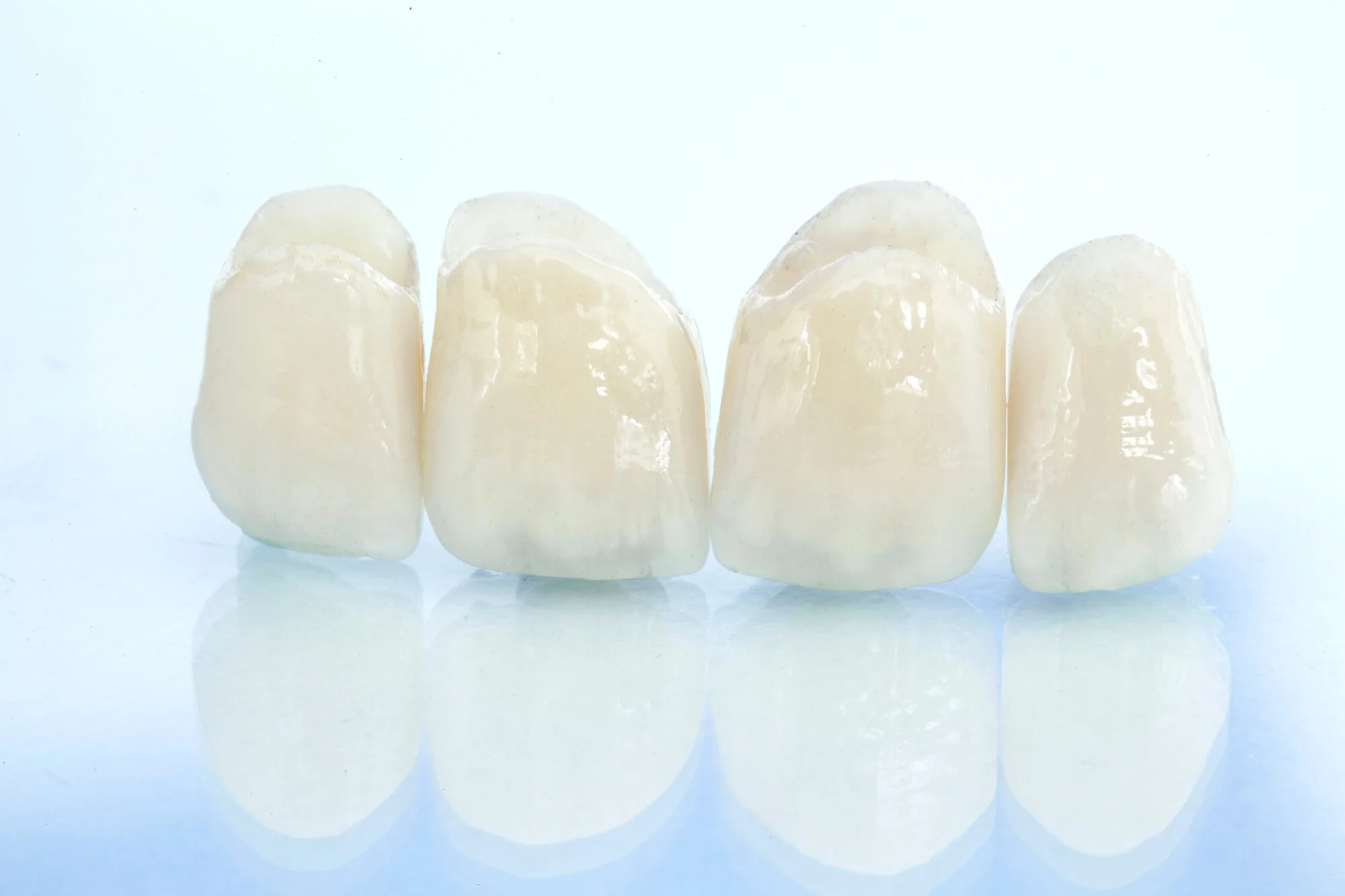
How Traditional Dental Crowns Used to Work
Multiple Appointments and Waiting Periods
In the traditional process, crowns required at least two visits. The first visit involved preparing the tooth and taking impressions, followed by placement of a temporary crown while the permanent version was created in a dental lab.
Why the Process Took So Long
The delay wasn’t due to inefficiency—it was due to logistics. Physical impressions had to be sent to external labs, where technicians manually crafted the final crown. Shipping and production time add days or even weeks.
Patient Experience Challenges
Temporary crowns often created discomfort for some patients. They could feel slightly different when biting or eating and required extra caution to avoid damage before the permanent crown arrived.
How Same-Day Dental Crowns Actually Work
Digital Scanning Instead of Physical Impressions
Instead of messy molds, digital scanners create a precise 3D model of the tooth. This improves accuracy while making the process more comfortable for patients.
In-Office Crown Design Process
Once the scan is complete, software is used to design the crown in real time. Adjustments can be made immediately to ensure proper fit, bite alignment, and aesthetics.
On-Site Milling and Placement
After design approval, the crown is created in-office using a milling machine. This allows the entire process, from design to placement, to be completed in a single appointment.
Why Patients Are Often Shocked by the Experience
“It Felt Too Fast to Be Accurate”
Many patients assume speed must come at the cost of precision. However, digital technology enables highly detailed customization that often exceeds the accuracy of traditional impressions.
The Lack of Temporary Crowns
One of the biggest surprises is skipping the temporary crown phase entirely. Patients leave with a permanent restoration on the same day.
Minimal Disruption to Daily Life
Instead of multiple appointments and waiting periods, patients can complete treatment in a single visit and return to normal routines much faster than expected.
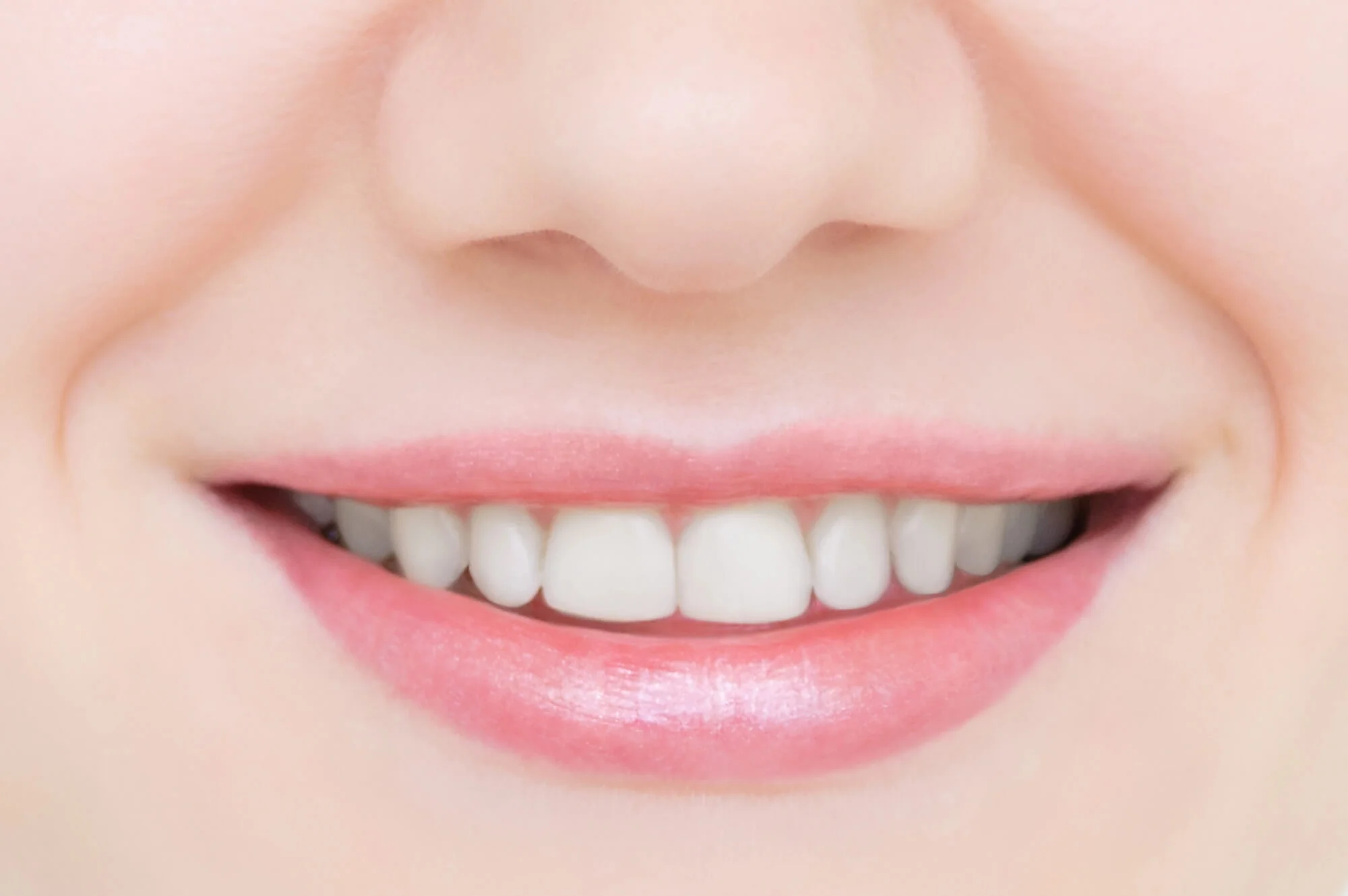
Common Misconceptions About Same-Day Dental Crowns
“Faster Means Lower Quality”
A common assumption is that speed reduces durability. In reality, material quality and digital precision allow same-day crowns to be just as strong as traditional ones when properly placed.
“They Don’t Last as Long as Traditional Crowns”
Longevity depends more on oral hygiene and bite forces than on fabrication methods. With proper care, same-day crowns can last many years.
“It’s Only for Simple Cases”
While not every case qualifies, same-day crowns can be used for a wide range of restorative needs, not just minor damage or cosmetic fixes.
What Patients Experience Before, During, and After the Procedure
Before the Appointment
The process begins with an exam and diagnostic imaging. Once a crown is recommended, the tooth is prepared and scanned digitally for design.
During the Procedure
After preparation, the crown is designed on a computer and milled in-office. The patient remains in the office while fabrication occurs, then returns for fitting and bonding.
After Placement
Most patients experience mild sensitivity that fades quickly. Because there is no temporary crown phase, adjustment is typically more straightforward and comfortable.
Patients are also often surprised by how quickly they can resume normal activities compared to traditional crown procedures. While some sensitivity is normal, most individuals find that eating, speaking, and daily routines feel largely unaffected within a short period of time.
Benefits and Limitations Patients Should Understand
Key Benefits
Same-day crowns eliminate the need for multiple visits, reduce waiting time, and remove the inconvenience of temporary restorations. The digital process also allows for highly precise customization.
Potential Limitations
Not every dental case is suitable for same-day crowns. Complex restorative needs or certain structural issues may still require traditional lab fabrication for optimal results.
Frequently Asked Questions About Same-Day Dental Crowns
Are same-day dental crowns as strong as traditional crowns?
Yes. When made from high-quality ceramic materials and properly placed, they are designed to be durable and long-lasting.
Do same-day crowns look natural?
Yes. Digital design allows for careful shaping and color matching to blend with surrounding teeth.
Is the procedure painful?
No. Local anesthesia is used during preparation, and most patients report minimal discomfort throughout the process.
How long do same-day crowns last?
With good oral hygiene and regular dental care, they can last many years, similar to traditional crowns.
Can any tooth be treated with a same-day crown?
Not always. Suitability depends on tooth condition, bite alignment, and overall treatment needs.
What Patients Should Know Before Choosing This Option
While same-day dental crowns offer significant convenience, they are not a one-size-fits-all solution. Treatment success depends on proper case selection, technology quality, and clinical expertise. Understanding these factors helps patients make informed decisions about their restorative care.
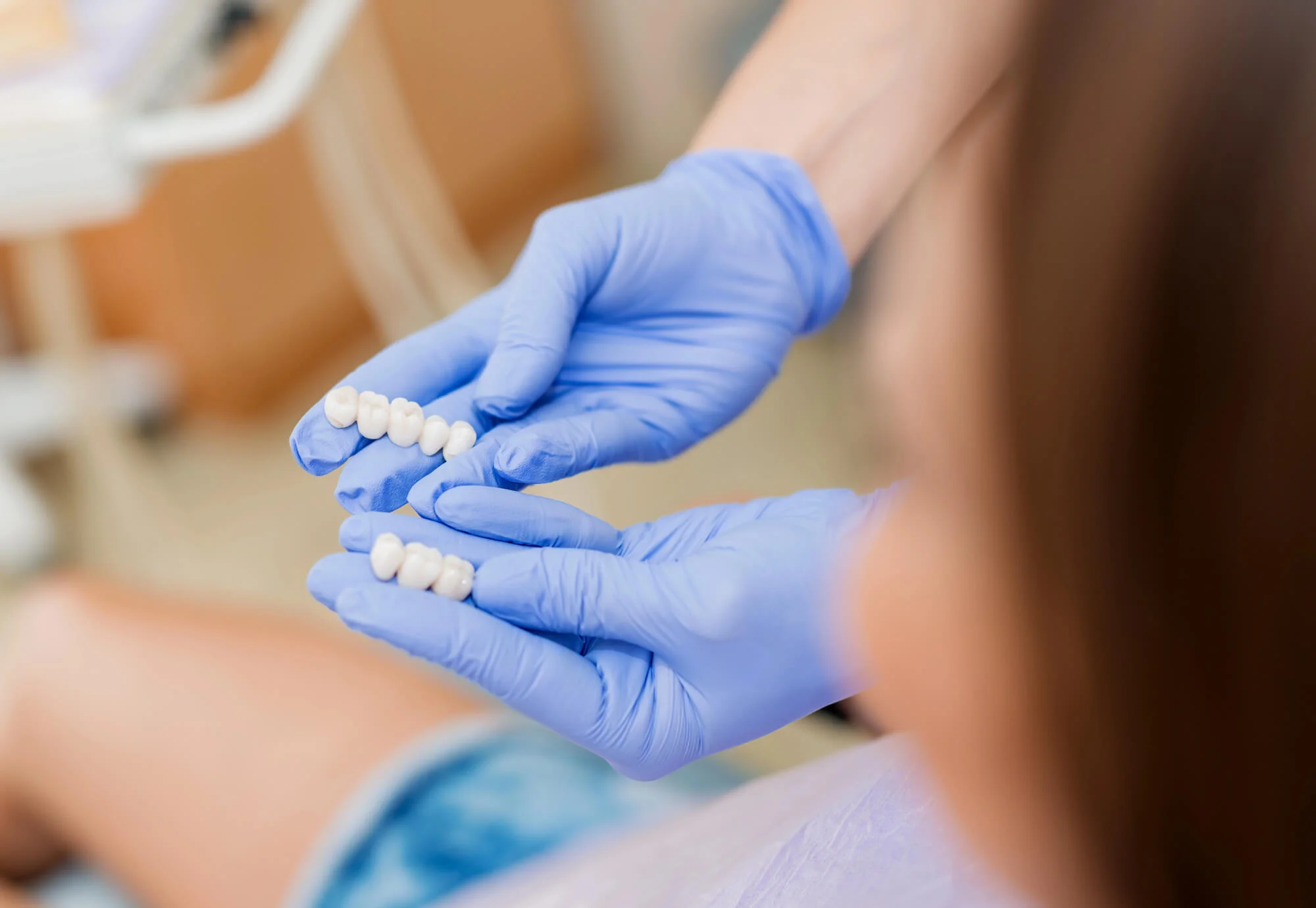
Talk to Our Team About Same-Day Dental Crowns and Your Treatment Options
At Georgetown Sedation Dentistry, we understand that choosing the right restorative treatment can feel overwhelming, especially with new technology like same-day crowns. Our team is here to walk you through your options, answer your questions, and ensure you feel comfortable with every step of the process.
If you’re considering a dental crown or want to learn whether same-day treatment is right for you, we encourage you to reach out today. We’re here to help you make informed, confident decisions about your dental health and comfort.

150 Mt Vernon Dr, Georgetown, KY 40324 Suite 201
Monday 8 AM - 5 PM
Tuesday 8 AM - 5 PM
Wednesday CLOSED
Thursday 8 AM - 5 PM
Friday 8 AM - 5 PM
Saturday CLOSED
Sunday CLOSED

.svg)
.svg)
.svg)
.svg)
© 2024. Georgetown Sedation Dentistry | Privacy Policy | ADA Compliance
Website by: Digital Resource