

Dental implants are one of the most reliable and long-lasting solutions for missing teeth. When properly placed and maintained, they can last decades—even a lifetime. However, like any medical procedure, complications can occur. Recognizing the early warning signs is critical, especially when those signs require urgent care.
If you’ve recently received dental implants in Lexington, KY, understanding what’s normal—and what’s not—can help you protect your investment and your oral health. In some cases, implant issues can escalate quickly, making emergency dental care essential.
What Is Dental Implant Failure?
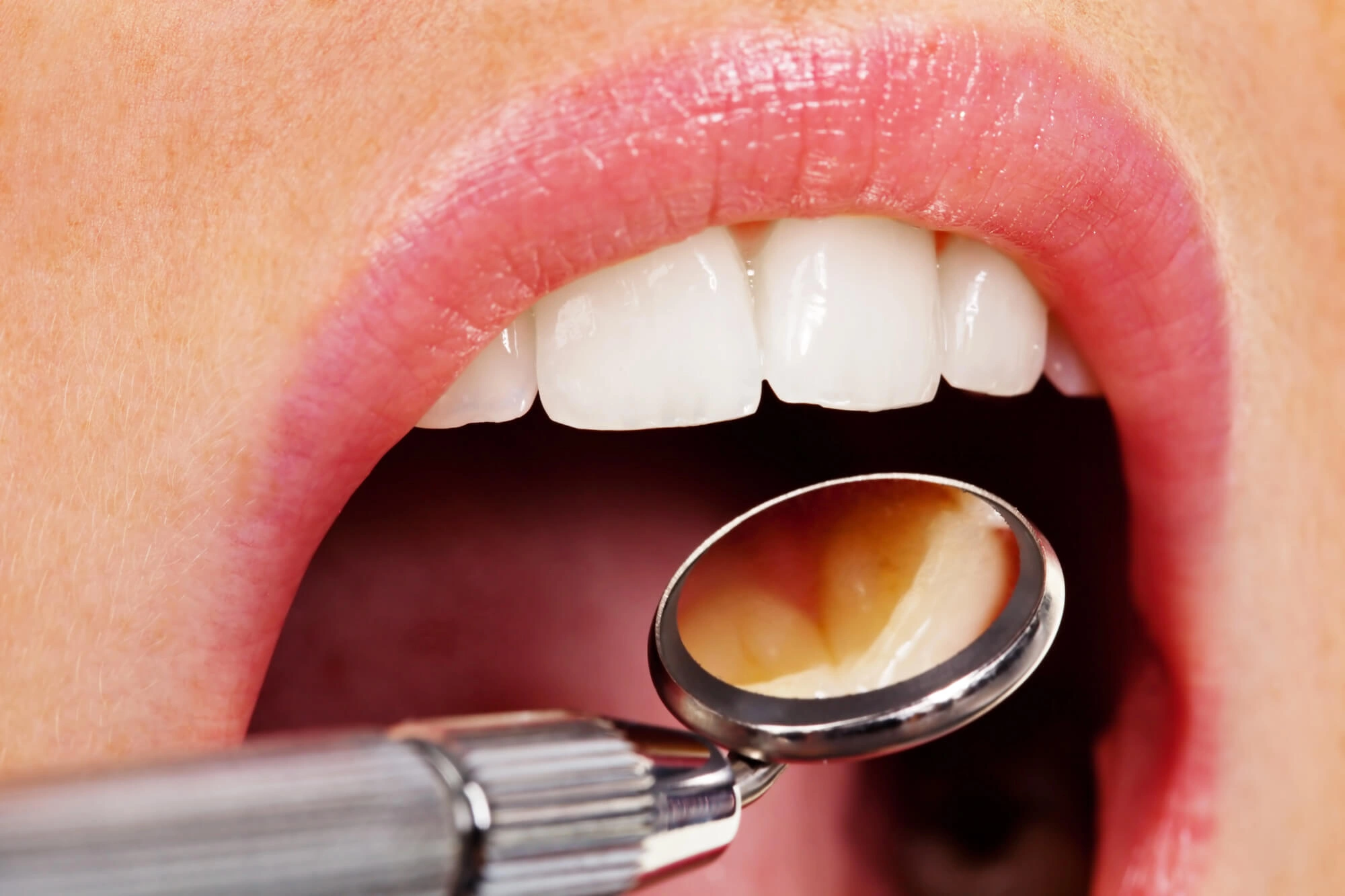
Dental implant failure occurs when the implant does not properly integrate with the jawbone or loses stability after placement.
There are two main types:
Early Failure
This happens shortly after placement, often during the healing phase when the implant is supposed to fuse with the bone (a process called osseointegration).
Late Failure
This occurs months or even years later, typically due to infection, stress on the implant, or bone loss. In both cases, early detection is key to preventing more serious complications.
Why Prompt Attention Matters
Dental implants are anchored into your jawbone, meaning any issue can affect not just your tooth, but the surrounding bone and tissue as well.
Ignoring warning signs can lead to:
- Infection spreading to the surrounding areas
- Bone deterioration
- Implant loss
- More complex and costly corrective procedures
That’s why certain symptoms should be treated as a dental emergency.
1. Persistent Pain or Increasing Discomfort
Some mild discomfort after implant placement is completely normal. However, pain should gradually improve—not worsen.
When to Be Concerned
If you experience:
- Sharp or throbbing pain days after the procedure
- Pain that intensifies instead of fading
- Discomfort when biting or applying pressure
…it could indicate a problem such as infection, improper placement, or implant instability.
Persistent pain is one of the most common early signs that something isn’t right and should never be ignored.
2. Swelling That Doesn’t Go Away
Swelling is expected in the first few days after surgery, but it should steadily decrease.
Red Flags Include:
- Swelling that persists beyond a week
- Swelling that worsens over time
- Puffy or inflamed gums around the implant site
This may be a sign of infection or an inflammatory condition such as peri-implantitis—a leading cause of implant failure.
3. Gum Infection or Bleeding
Healthy gums are essential for implant success. If the tissue around your implant becomes irritated, it can compromise stability.
Warning Signs:
- Red, swollen gums
- Bleeding when brushing or touching the area
- Pus or discharge near the implant
These symptoms often indicate an infection, which can progress quickly if left untreated. In many cases, this qualifies as an emergency dental situation.
4. Loose or Moving Implant
A properly integrated implant should feel just as stable as a natural tooth.
What to Watch For:
If your implant:
- Feels loose
- Moves when you touch it
- Shifts when you bite down
…it may mean that the implant has failed to fuse with the bone or has lost support over time.
This is a serious issue that requires immediate evaluation.
5. Difficulty Chewing or Biting
Dental implants are designed to restore full function, so any discomfort while eating should be taken seriously.
Possible Symptoms:
- Pain when chewing
- Uneven bite pressure
- Sensation that the implant “doesn’t feel right”
These issues could be related to improper placement, bone loss, or mechanical problems with the restoration.
6. Receding Gums Around the Implant
Gum recession can expose parts of the implant that should remain protected.
Why This Matters
When the gums pull back:
- The implant becomes more vulnerable to bacteria
- Aesthetic concerns may arise
- Stability may be compromised
Receding gums are often an early indicator of peri-implant disease and should be addressed quickly.
7. Fever or General Illness
In more severe cases, infection around a dental implant can affect your overall health.
Symptoms to Watch For:
- Fever
- Fatigue
- Swollen lymph nodes
These signs suggest that the infection may be spreading and require immediate medical and dental attention.
Common Causes of Implant Failure
Understanding what leads to implant failure can help you prevent it.
Infection (Peri-Implantitis)
Bacteria can build up around the implant, leading to inflammation and bone loss.
Poor Osseointegration
If the implant does not properly fuse with the jawbone, it may become loose or fail entirely.
Insufficient Bone Density
A lack of strong, healthy bone can make it difficult for the implant to remain stable.
Excessive Pressure
Grinding teeth (bruxism) or an improper bite alignment can place excessive stress on the implant.
Lifestyle Factors
Smoking and poor oral hygiene significantly increase the risk of complications.
When It Becomes a Dental Emergency
Not all implant concerns require urgent care—but some do.
Seek Immediate Attention If You Experience:
- Severe or worsening pain
- Signs of infection (pus, swelling, fever)
- A loose or shifting implant
- Sudden bleeding or gum deterioration
If you have dental implants and notice any of these symptoms, contacting an emergency dentist as soon as possible can prevent further damage.
How Emergency Dentistry Can Help
Emergency dental care focuses on quickly diagnosing and stabilizing the issue.
Treatment May Include:
- Deep cleaning to remove infection
- Antibiotics to control bacterial spread
- Adjustments to relieve pressure on the implant
- In severe cases, implant removal and future replacement planning
The goal is always to preserve your oral health and, when possible, save the implant.
How to Reduce Your Risk of Implant Failure
While some complications are unavoidable, many can be prevented with proper care.
Best Practices:
- Maintain excellent oral hygiene
- Attend regular dental checkups
- Avoid smoking
- Wear a nightguard if you grind your teeth
- Follow all post-procedure instructions carefully
Preventative care plays a major role in long-term implant success.
The Takeaway: Don’t Ignore the Warning Signs
Dental implants are a durable and effective solution—but they still require attention and care. Recognizing early signs of failure can mean the difference between a simple fix and a more complex problem.
If something doesn’t feel right, trust your instincts. Acting quickly can protect both your implant and your overall oral health. For patients with dental implants, having access to emergency dental care ensures that any issues can be addressed promptly and effectively.
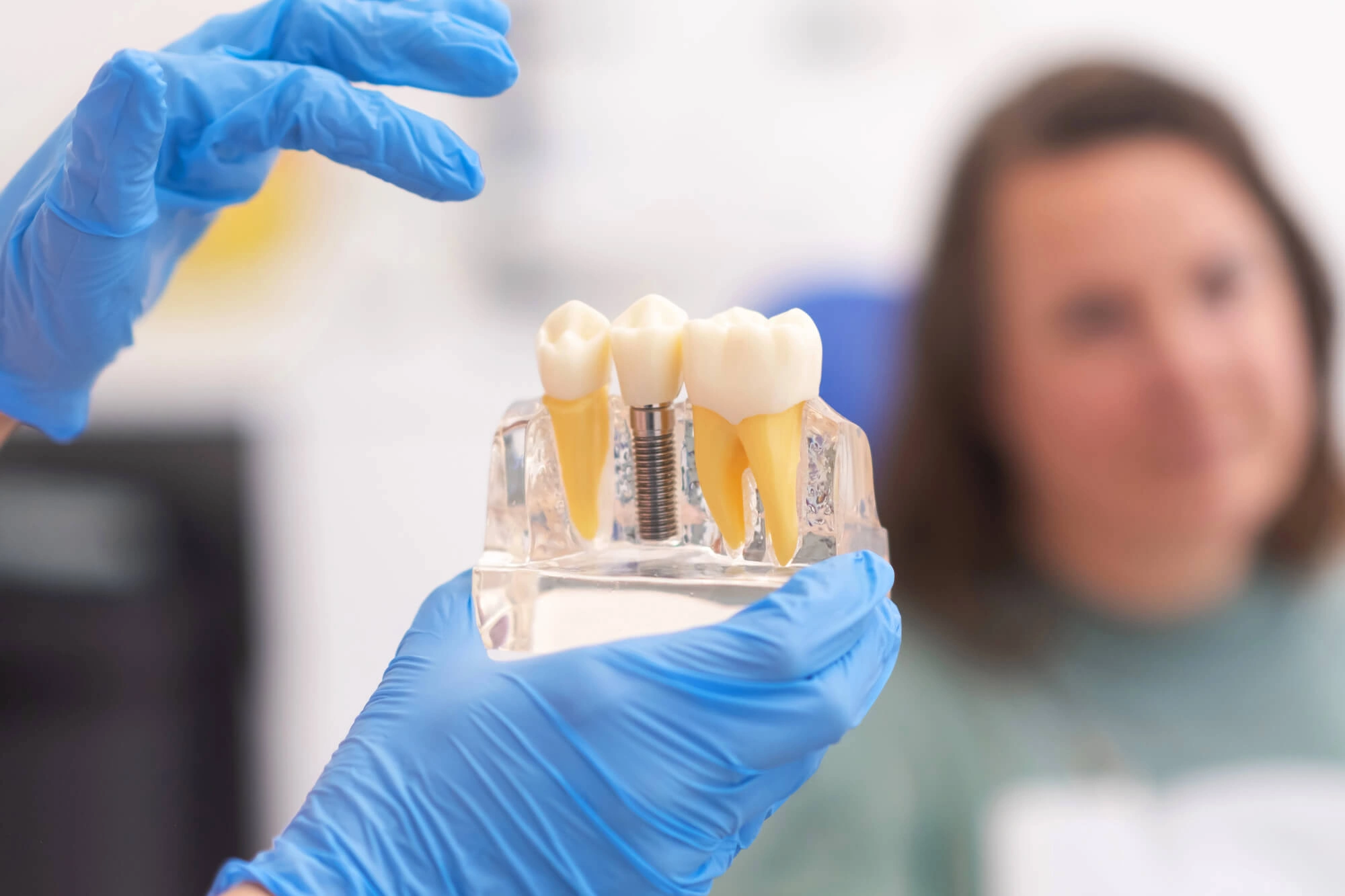
Concerned About Your Dental Implants in Lexington, KY? We’re Here to Help
If you’re experiencing discomfort, swelling, or any unusual symptoms, don’t wait. Early intervention is key to protecting your smile and preventing further complications. Call Georgetown Sedation Dentistry today and start smiling again tomorrow!

150 Mt Vernon Dr, Georgetown, KY 40324 Suite 201
Monday 8 AM - 5 PM
Tuesday 8 AM - 5 PM
Wednesday CLOSED
Thursday 8 AM - 5 PM
Friday 8 AM - 5 PM
Saturday CLOSED
Sunday CLOSED

.svg)
.svg)
.svg)
.svg)
© 2024. Georgetown Sedation Dentistry | Privacy Policy | ADA Compliance
Website by: Digital Resource