
.webp)
Dental anxiety is one of the most common reasons people delay or avoid care altogether. However, for many patients, it's not just nerves. It's a deeply ingrained fear that no amount of deep breathing or reassuring small talk is going to touch. That's exactly why sedation dentistry in Georgetown has become one of the most important tools in modern dental care. But sedation isn't a single switch that gets flipped.
There are levels, and choosing the right one depends on the patient, the procedure, and the kind of experience they need to actually show up and get the care they deserve.
Why Sedation Level Matters
.webp)
Not every patient needs the same approach, and not every procedure calls for the same depth of sedation. A patient managing mild anxiety during a routine cleaning has very different needs than someone undergoing a full-mouth restoration or a patient with a severe gag reflex that makes even basic treatment difficult.
Matching the sedation to the situation is what makes the difference between an experience that feels manageable and one that becomes another reason to cancel the next appointment. At Georgetown Sedation Dentistry, four sedation options are available—each serving a distinct purpose and a distinct type of patient.
Level 1: Nitrous Oxide
What It Is
Nitrous oxide—more commonly known as laughing gas — is the lightest form of sedation available and the one most patients have already encountered at some point. It's administered through a small mask worn over the nose and takes effect within minutes.
What It Feels Like
Patients remain fully conscious and completely able to communicate. The sensation is one of warmth, mild euphoria, and a general loosening of tension. Time tends to pass more quickly, and the things that typically trigger anxiety—sounds, sensations, the sense of being confined in a chair—tend to fade into the background.
Who It's Best For
- Patients with mild to moderate dental anxiety
- Children or adults undergoing routine cleanings or minor procedures
- Anyone who wants to take the edge off without feeling heavily sedated
- Patients who need to drive themselves home after the appointment
Nitrous oxide wears off almost immediately once the mask is removed, making it the most flexible and accessible sedation option available.
Level 2: Oral Sedation
What It Is
Oral sedation involves taking a prescribed medication—typically from the benzodiazepine family—before the appointment. Depending on the dose and the patient's needs, oral sedation can produce minimal to moderate sedation.
What It Feels Like
Most patients feel deeply relaxed, drowsy, and somewhat detached from what's happening around them. Some patients have little to no memory of the procedure afterward, which, for many people, is a significant benefit in itself. Patients remain conscious and can respond to the dentist. The experience feels far removed from the anxiety-producing version of dental treatment they may have feared.
Who It's Best For
- Patients with moderate to significant dental anxiety
- Those undergoing longer or more involved procedures
- Patients who have had difficulty tolerating treatment in the past
- Anyone whose fear has caused them to postpone necessary care for months or years
One important note: because oral sedation takes time to wear off fully, patients need a driver for this option. The medication is typically taken about an hour before the appointment begins.
Level 3: IV Sedation
What It Is
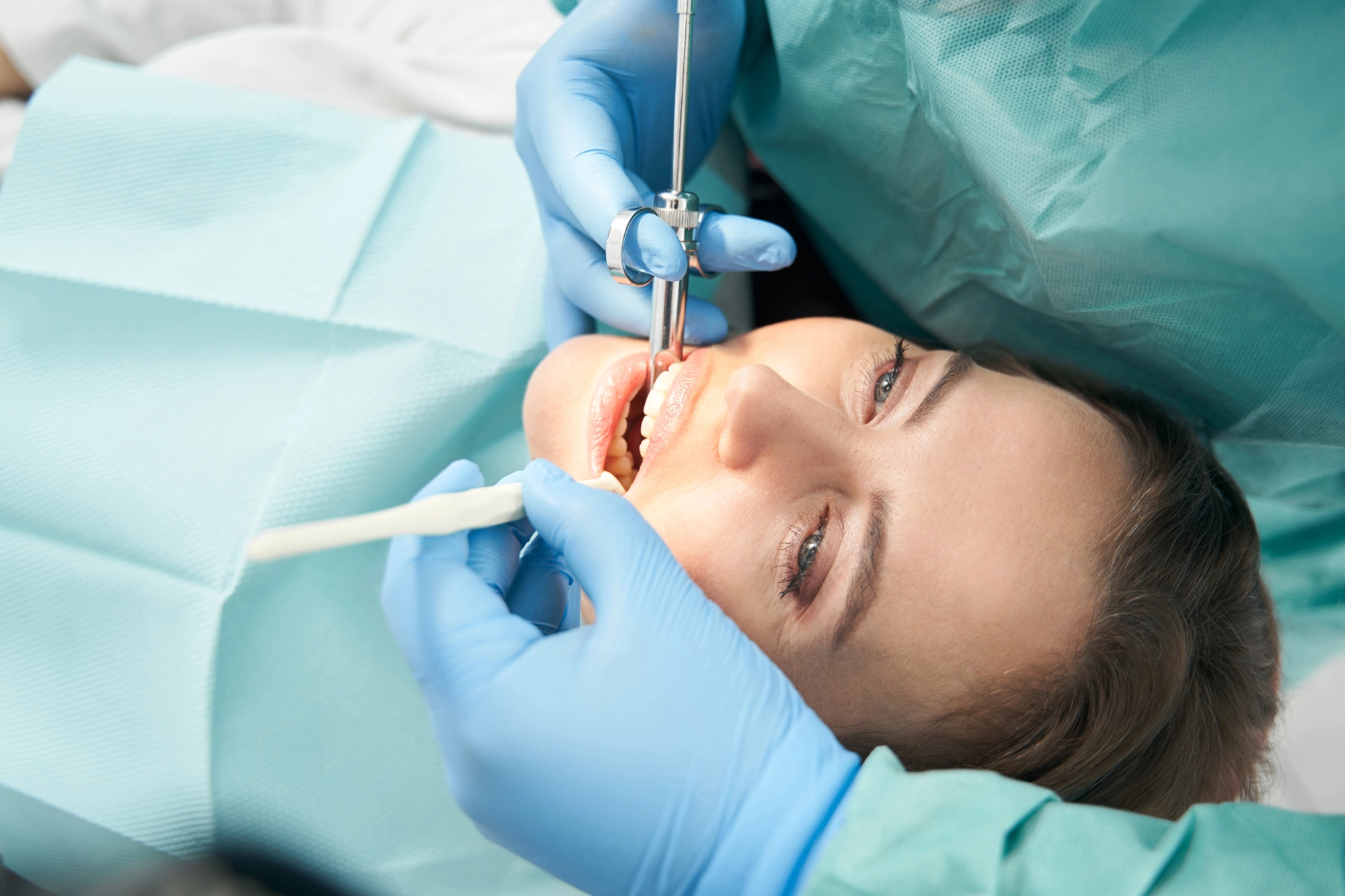
IV sedation delivers sedative medication directly into the bloodstream through an intravenous line, allowing the dentist to precisely control the depth of sedation and adjust it in real time throughout the procedure.
What It Feels Like
Patients are in a deeply relaxed, sleep-like state. Most have no recollection of the procedure whatsoever. Although patients are not technically unconscious the way they would be under general anesthesia, the experience is about as close to sleep as sedation dentistry gets. Responses to verbal prompts are possible but minimal.
Who It's Best For
- Patients with severe dental anxiety or dental phobia
- Those undergoing complex, lengthy, or multiple procedures in a single visit
- Patients who haven't responded adequately to lighter forms of sedation
- Anyone who needs the highest level of comfort and amnesia short of full general anesthesia
IV sedation requires an escort home and a recovery period afterward. However, for the right patient, it's the option that finally makes comprehensive dental care possible.
Level 4: General Anesthesia
What It Is
General anesthesia renders the patient completely unconscious. It is the deepest level of sedation available and is administered and monitored by an anesthesiology professional throughout the procedure.
What It Feels Like
There is no awareness, no sensation, and no memory. The patient is fully asleep and unresponsive for the duration of treatment. For most patients, it feels like time passes instantly, with no perception of the procedure itself.
Who It's Best For
- Patients with extreme dental phobia who cannot be treated under lighter sedation
- Those undergoing highly complex oral surgeries or full-mouth reconstructions
- Patients with certain special needs or medical conditions that make conscious sedation difficult to manage safely
- Cases where the length or invasiveness of a procedure requires complete stillness and full pain control
General anesthesia is the most involved option and requires careful pre-procedure planning. However, it ensures that no patient has to forgo necessary dental care simply because fear or complexity has made every other path impossible.
Find the Right Fit with Sedation Dentistry in Georgetown
Sedation isn't about avoiding the dentist—it's about finally being able to see one. At Georgetown Sedation Dentistry, the goal is to meet every patient exactly where they are and build a treatment experience around their comfort, not just their clinical needs.
Whether nitrous oxide is all it takes to make a cleaning feel manageable, or general anesthesia is the only thing standing between a patient and the care they've been putting off for years, the right level of sedation exists for every situation. For sedation dentistry patients can trust to take fear off the table, Georgetown Sedation Dentistry is ready when you are.
Contact our office today to discuss your sedation options and take the first step toward care that actually feels comfortable.

150 Mt Vernon Dr, Georgetown, KY 40324 Suite 201
Monday 8 AM - 5 PM
Tuesday 8 AM - 5 PM
Wednesday CLOSED
Thursday 8 AM - 5 PM
Friday 8 AM - 5 PM
Saturday CLOSED
Sunday CLOSED

.svg)
.svg)
.svg)
.svg)
© 2024. Georgetown Sedation Dentistry | Privacy Policy | ADA Compliance
Website by: Digital Resource