
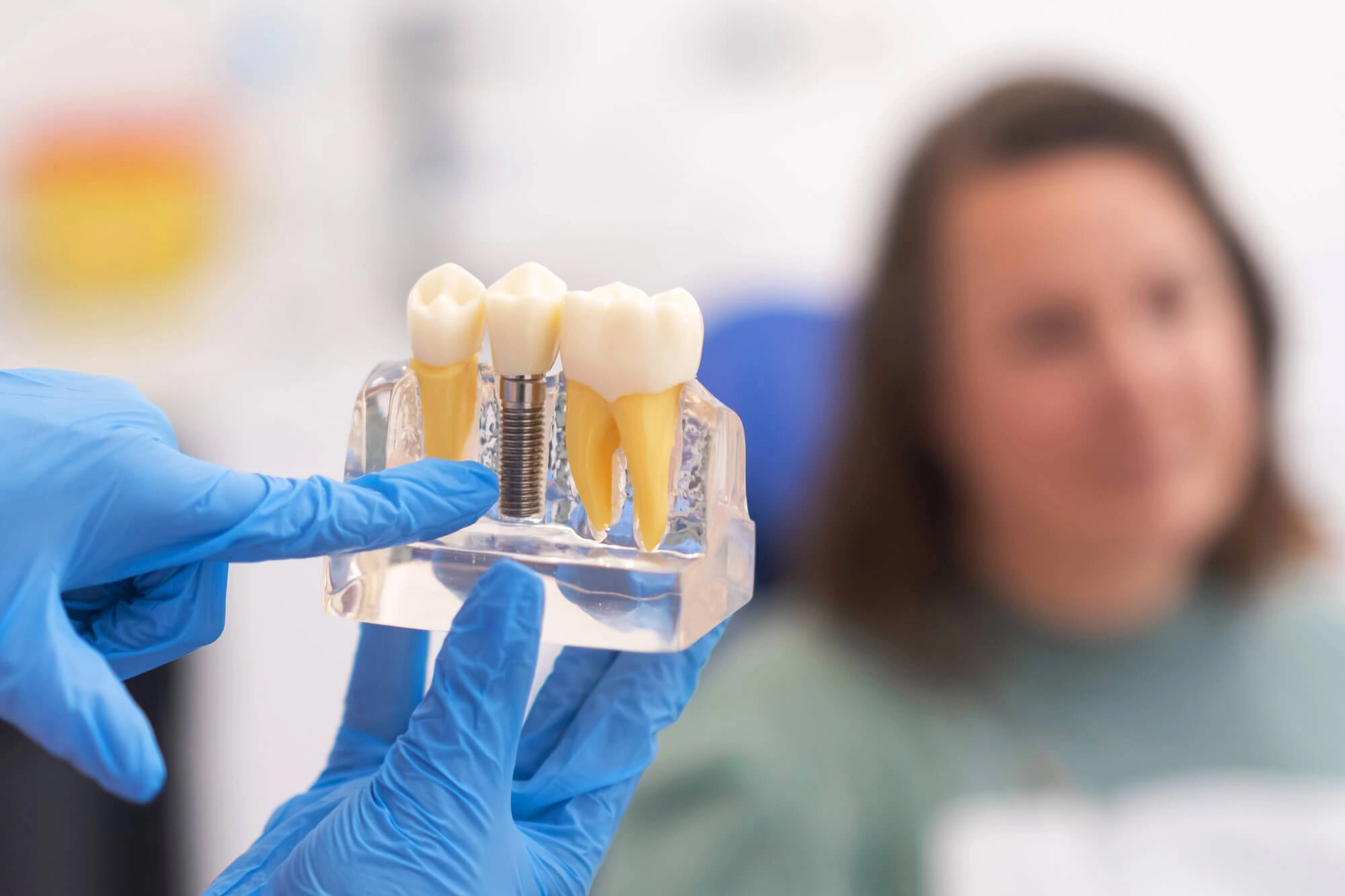
When patients begin researching dental implants in Lexington, KY, the focus is often on the end result—restoring a smile, replacing missing teeth, and improving confidence. While those outcomes are important, many people don’t realize that the questions asked before treatment can significantly influence comfort, cost, and long-term success.
Dental implants are not a single-appointment procedure. They involve planning, healing, and long-term care. That’s why understanding the details early helps patients avoid surprises later. The questions people forget to ask are often the ones that matter most once treatment begins.
Another important consideration is that implant dentistry is highly individualized. Two patients with similar missing teeth may still require completely different treatment plans based on bone structure, bite alignment, and overall oral health. This is why generalized expectations often lead to confusion if they are not clarified early in the process.

Question #1 — Am I a Candidate for Dental Implants Right Now?
Bone Health and Gum Condition
Not every patient is immediately ready for implants. Adequate bone support and healthy gums are essential for long-term stability. Healthy gums create a stronger foundation for implant integration and healing.
Timing Factors Patients Overlook
Recent extractions, gum disease, or untreated oral issues may need to be addressed before implants can be placed safely. In some cases, addressing these underlying issues first can significantly improve the long-term success rate of the implant.
Question #2 — What Happens If I Don’t Have Enough Bone?
Bone Grafting Explained Simply
If the jawbone is too thin or soft, a bone graft may be needed to create a stable foundation for implants. Bone grafting helps recreate natural support where bone loss has occurred over time.
Alternatives to Immediate Implants
Some patients require a staged treatment plan, where preparation is completed first before implant placement. These preparatory steps often feel like delays, but they are actually designed to strengthen the outcome.
Question #3 — How Long Does the Entire Implant Process Really Take?
Healing Is a Major Part of the Timeline
A key stage called osseointegration allows the implant to fuse with the bone, which takes time and cannot be rushed. This process is essential for creating long-term stability between the implant and bone.
Why “Immediate” Isn’t Always Final
While some teeth may be temporarily restored quickly, final restorations often require a healing period for the best results. This healing period is essential because it allows the implant to become fully stable before permanent restoration is placed.
Question #4 — What Are the Risks If Something Goes Wrong?
Implant Failure Is Rare but Possible
Complications can occur due to infection, poor healing, or insufficient bone integration. Most complications are related to healing factors rather than the implant itself.
How Complications Are Managed
Many issues can be corrected with follow-up care, adjustments, or revised treatment planning. Early detection of complications plays a major role in successfully resolving issues without needing major intervention.
Question #5 — How Do I Care for Dental Implants Long-Term?
Daily Maintenance Habits
Good oral hygiene, including brushing and flossing, is essential for implant longevity. Consistent daily care helps protect the surrounding gum tissue from inflammation.
Professional Maintenance Visits
Regular dental checkups help ensure implants remain healthy and stable over time. These routine visits also allow providers to detect small changes in gum health before they become more serious problems.
Question #6 — Will Dental Implants Feel Like Natural Teeth?
Sensation vs Reality
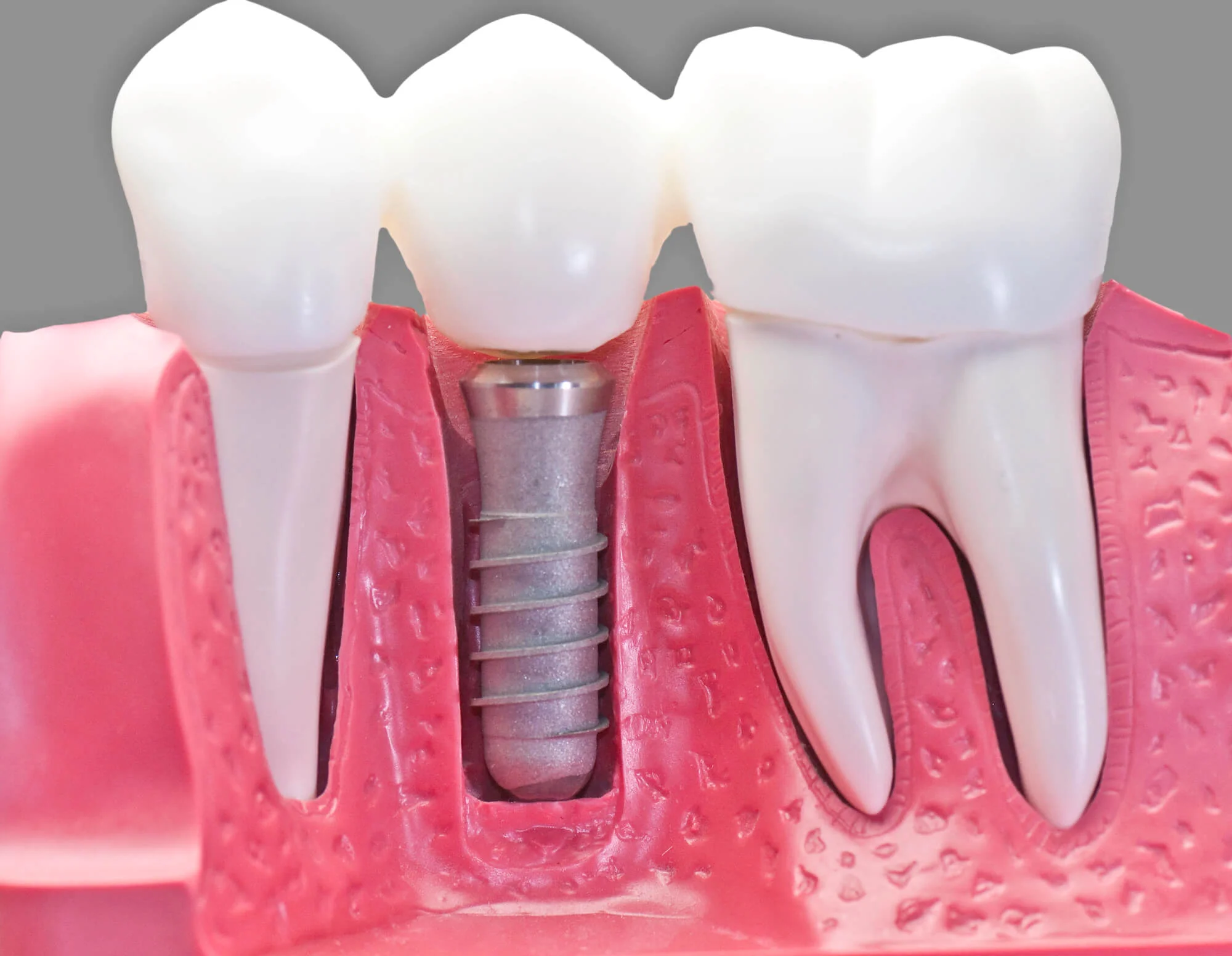
Implants function like natural teeth but lack a natural tooth root, which can make sensation feel slightly different. Most patients quickly adapt to the feeling during everyday activities, such as chewing.
Adaptation Period
Most patients adjust over time and begin to feel normal biting and speaking function as healing completes. Over time, most patients stop noticing any difference in everyday activities like chewing or speaking.
Question #7 — What Costs Are Involved Beyond the Implant Itself?
Additional Procedures Some Patients Don’t Expect
Some cases require extra steps such as extractions, imaging, or bone grafting, which can affect overall cost. These additional procedures are often necessary to ensure long-term implant success.
Long-Term Value Perspective
Although implants may involve higher upfront costs, they are often valued for their durability and reduced need for replacement compared to other options.
Treatment Planning Transparency
A clear breakdown of all expected costs before treatment helps patients avoid unexpected financial surprises. Understanding the full scope of treatment early can help patients plan more confidently and avoid unexpected financial stress later.
Before, During, and After Dental Implant Treatment — What Patients Should Expect
Before Treatment
The process begins with consultation, imaging, and treatment planning. This phase determines whether implants are appropriate and what steps are needed before surgery.
During Surgery
Implant placement is performed under local anesthesia or sedation. Patients typically feel minimal discomfort during the procedure.
After Surgery
Healing is the most important stage. The bone gradually integrates with the implant, while temporary restorations may be used until the final crown is placed.
Frequently Asked Questions About Dental Implants
Are dental implants painful?
Most patients report mild discomfort rather than pain. Anesthesia and post-treatment care help manage symptoms effectively. Most discomfort typically peaks within the first 48–72 hours after surgery.
How long do dental implants last?
With proper care and hygiene, implants can last many years and often decades.
Can smokers get dental implants?
Smoking can affect healing and may increase the risk of complications, so patients are encouraged to discuss this with their provider.
What is the success rate of dental implants?
Success rates are generally high when proper planning, placement, and maintenance are followed.
Are implants better than bridges or dentures?
It depends on individual needs, bone health, and long-term goals. Each option has different benefits.
What Patients Should Know Before Choosing Treatment
Choosing dental implants requires understanding your oral health, long-term goals, and treatment timeline. Patients should ensure they are fully informed about preparation steps, healing expectations, and maintenance requirements before moving forward.
Patients should also understand that implant success is closely tied to lifestyle factors. Habits such as smoking, teeth grinding, or inconsistent oral hygiene can significantly impact healing and long-term stability.
Even small daily habits, like how thoroughly a patient cleans around the implant area, can make a meaningful difference in preventing inflammation or future complications. Being proactive rather than reactive is one of the strongest predictors of long-term implant success.

Talk to Our Team About Dental Implants in Lexington, KY, and Your Treatment Options
At Georgetown Sedation Dentistry, we understand that deciding on dental implants can feel overwhelming. Our team is here to guide you through every step, answer your questions, and help you understand what treatment may look like for your specific needs.
If you’re considering dental implants or want clarity on your options, we encourage you to reach out today. We’re here to help you make informed, confident decisions about your oral health and long-term comfort.

150 Mt Vernon Dr, Georgetown, KY 40324 Suite 201
Monday 8 AM - 5 PM
Tuesday 8 AM - 5 PM
Wednesday CLOSED
Thursday 8 AM - 5 PM
Friday 8 AM - 5 PM
Saturday CLOSED
Sunday CLOSED

.svg)
.svg)
.svg)
.svg)
© 2024. Georgetown Sedation Dentistry | Privacy Policy | ADA Compliance
Website by: Digital Resource