

The journey with full arch implants doesn’t end after surgery—in many ways, it’s just beginning. The first 30 days play a critical role in healing, adaptation, and long-term success.
While many patients expect recovery to be simply waiting for discomfort to subside, the process involves several normal changes, including swelling, dietary adjustments, speech adaptation, and gradual stabilization. Understanding what to expect can help reduce anxiety and set realistic expectations.
It’s also important to remember that recovery varies from person to person. Overall health, oral hygiene, and following post-operative instructions can all affect healing time. Even when progress seems gradual, important healing is taking place beneath the surface.
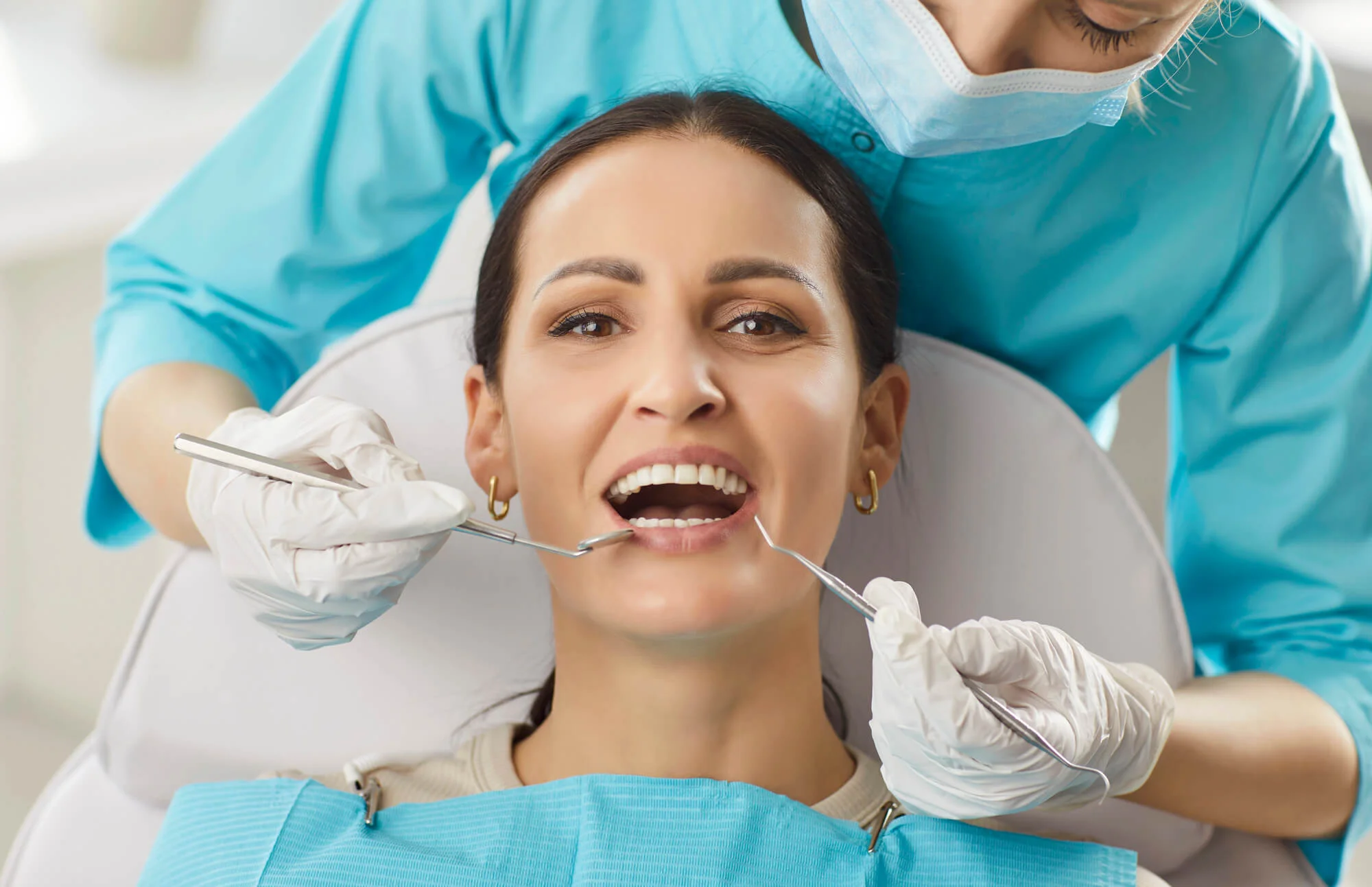
The First Month After Full Arch Implants Matters More Than Most Patients Expect
What Happens Immediately After Surgery (Days 1–3)
Initial Effects of Sedation and Surgery
Right after surgery, it’s common to feel groggy or fatigued, depending on the type of sedation used. This is normal and temporary. Most patients are advised to rest for the remainder of the day and avoid any physical exertion.
Swelling, Bleeding, and Normal Healing Responses
Swelling typically begins within the first 24 hours and may increase slightly before improving. Mild bleeding or oozing can also occur. These are expected healing responses as the body begins repairing surgical sites.
Soft Diet and Limited Activity
During this stage, a soft or liquid diet is essential. Foods that require chewing or pressure should be avoided to protect the implants while initial healing begins.
The Adjustment Phase (Days 4–10)
Swelling Peaks and Then Gradually Improves
Swelling often reaches its highest point within the first few days and then slowly decreases. This is part of the normal healing cycle and not a sign of complications.
Speech and Bite Adaptation
Patients may notice slight changes in speech or the way their bite feels. This is expected as the mouth adjusts to new implant-supported structures. With time, most people naturally adapt.
Emotional Adjustment After Surgery
This phase can feel surprising emotionally. Some patients feel relief that the procedure is complete, while others experience fatigue or impatience as they wait for full recovery. Both responses are normal.
Early Healing and Stabilization (Days 10–20)
Gum Tissue Healing and Integration
Soft tissues begin to settle during this phase. The surgical sites gradually become less sensitive, and overall comfort improves.
Dietary Progression
Depending on clinical guidance, some patients may slowly introduce slightly more textured foods. However, protecting the implants remains a priority, and hard or sticky foods should still be avoided.
Oral Hygiene Adjustments
Cleaning routines become more important during this period. Patients are typically instructed to use gentle brushing techniques and avoid disrupting healing areas while maintaining overall oral hygiene.
At this stage, follow-up visits may also be scheduled to ensure that healing is progressing as expected. These appointments allow the dental team to make small adjustments if needed and reinforce at-home care instructions.
What Patients Notice Most During Weeks 3–4
Increased Comfort and Stability
By the third week, most patients notice a significant improvement in comfort. Swelling is typically minimal, and daily activities feel easier.
Psychological Shift and Confidence
This stage often brings a noticeable mental shift. As discomfort fades, patients begin to feel more comfortable with their new smile and are less focused on the surgical process.
Ongoing Healing Beneath the Surface
Even when everything feels normal externally, deeper healing—especially bone integration—continues. This internal process is essential for long-term implant stability.
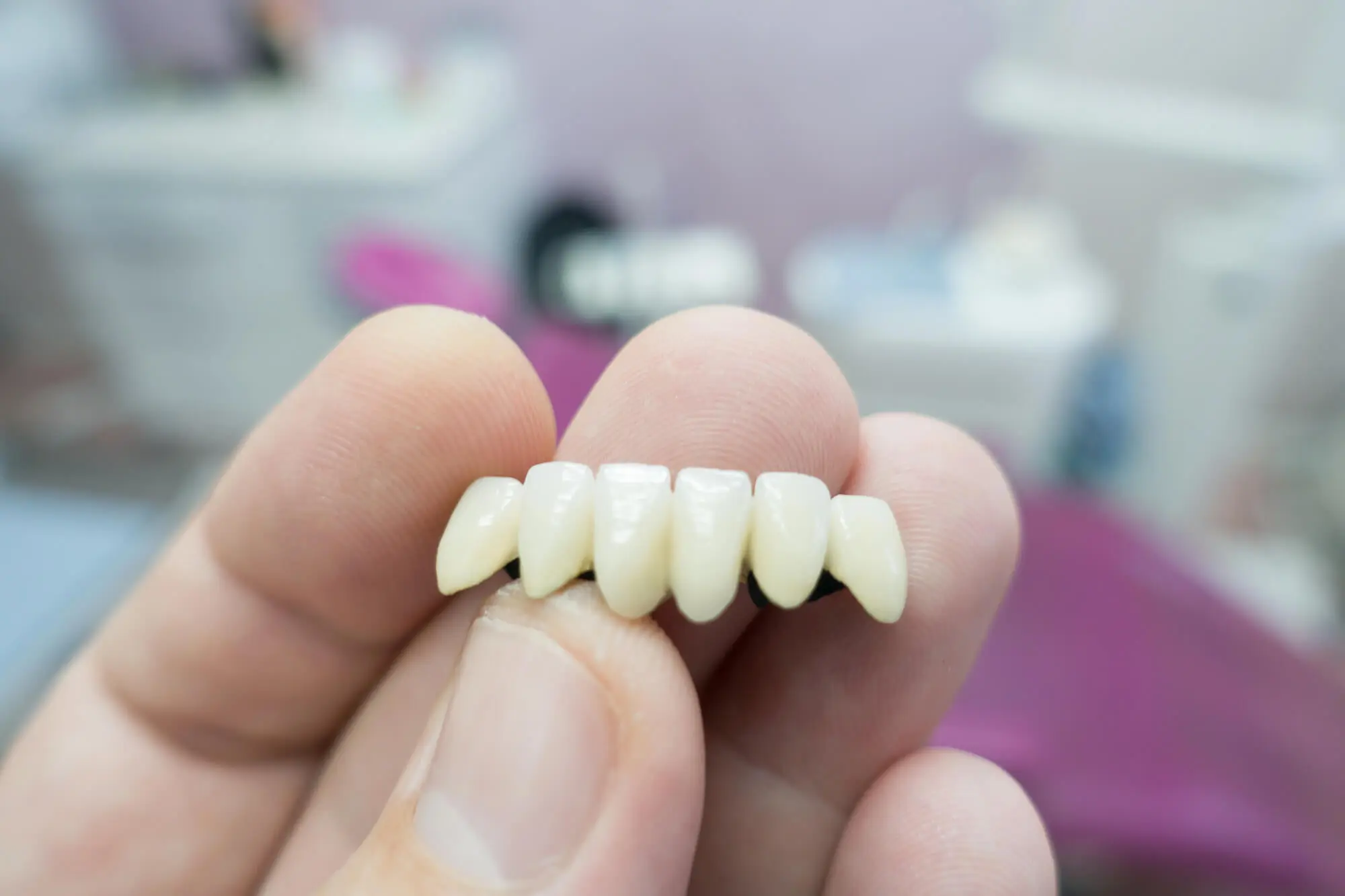
Common Misconceptions About the First 30 Days
“You Should Feel Completely Normal Right Away”
Healing is gradual. Even if external swelling improves quickly, internal recovery continues for weeks or months.
“Pain Means Something Is Wrong”
Mild discomfort is expected and typically improves over time. Pain alone is not always a sign of complications.
“You Can Eat Normally Within a Few Days”
Diet progression must be slow and controlled. Rushing this step can affect healing and implant stability.
Before, During, and After Surgery: What Patients Should Understand
Before Surgery
Preparation includes imaging, treatment planning, and reviewing medical history. Patients may receive instructions about fasting, medications, and sedation planning to ensure safety and comfort.
During Surgery
Sedation helps patients remain relaxed while the surgical team places implants with precision. Monitoring is continuous throughout the procedure to ensure safety.
After Surgery
The first month is focused on healing and adaptation. Follow-up appointments help track progress and ensure implants are integrating properly. Instructions provided by the care team play a key role in recovery success.
Patients are also encouraged to communicate openly about any concerns during recovery, even if they seem minor. Early communication can help prevent unnecessary complications and provide reassurance throughout the healing process.
Frequently Asked Questions About Full Arch Implant Recovery
How long does recovery take after full arch implants?
Initial healing typically occurs within a few weeks, but full bone integration continues over several months.
Will I be in pain after surgery?
Some discomfort is expected, especially in the first few days, but it is usually manageable with prescribed medication and proper care.
When can I eat normally again?
Patients begin with a soft diet and gradually transition based on healing progress and professional guidance.
Can I return to work during recovery?
Many patients return to light work within a few days, depending on how they feel and the nature of their procedure.
How do I clean full arch implants during healing?
Gentle oral hygiene is essential. Patients are usually advised to follow specific cleaning instructions that avoid disturbing surgical areas.
What Patients Should Keep in Mind
The first month after full arch implants is a balance of healing, adjustment, and patience. While progress can feel gradual, each stage plays an important role in long-term success. Following post-operative instructions carefully and allowing the body time to heal helps ensure the best possible outcome.
Talk to Our Team About Full Arch Implants and Your Recovery Journey
At Georgetown Sedation Dentistry, we understand that undergoing full arch implants can feel overwhelming, especially when thinking about recovery. Our team is here to guide you through each stage of the process, answer your questions, and make sure you feel supported from consultation through healing.
If you’re considering treatment or want to better understand what to expect during recovery, we encourage you to reach out today. We’re here to help you move forward with clarity, comfort, and confidence.

150 Mt Vernon Dr, Georgetown, KY 40324 Suite 201
Monday 8 AM - 5 PM
Tuesday 8 AM - 5 PM
Wednesday CLOSED
Thursday 8 AM - 5 PM
Friday 8 AM - 5 PM
Saturday CLOSED
Sunday CLOSED

.svg)
.svg)
.svg)
.svg)
© 2024. Georgetown Sedation Dentistry | Privacy Policy | ADA Compliance
Website by: Digital Resource