
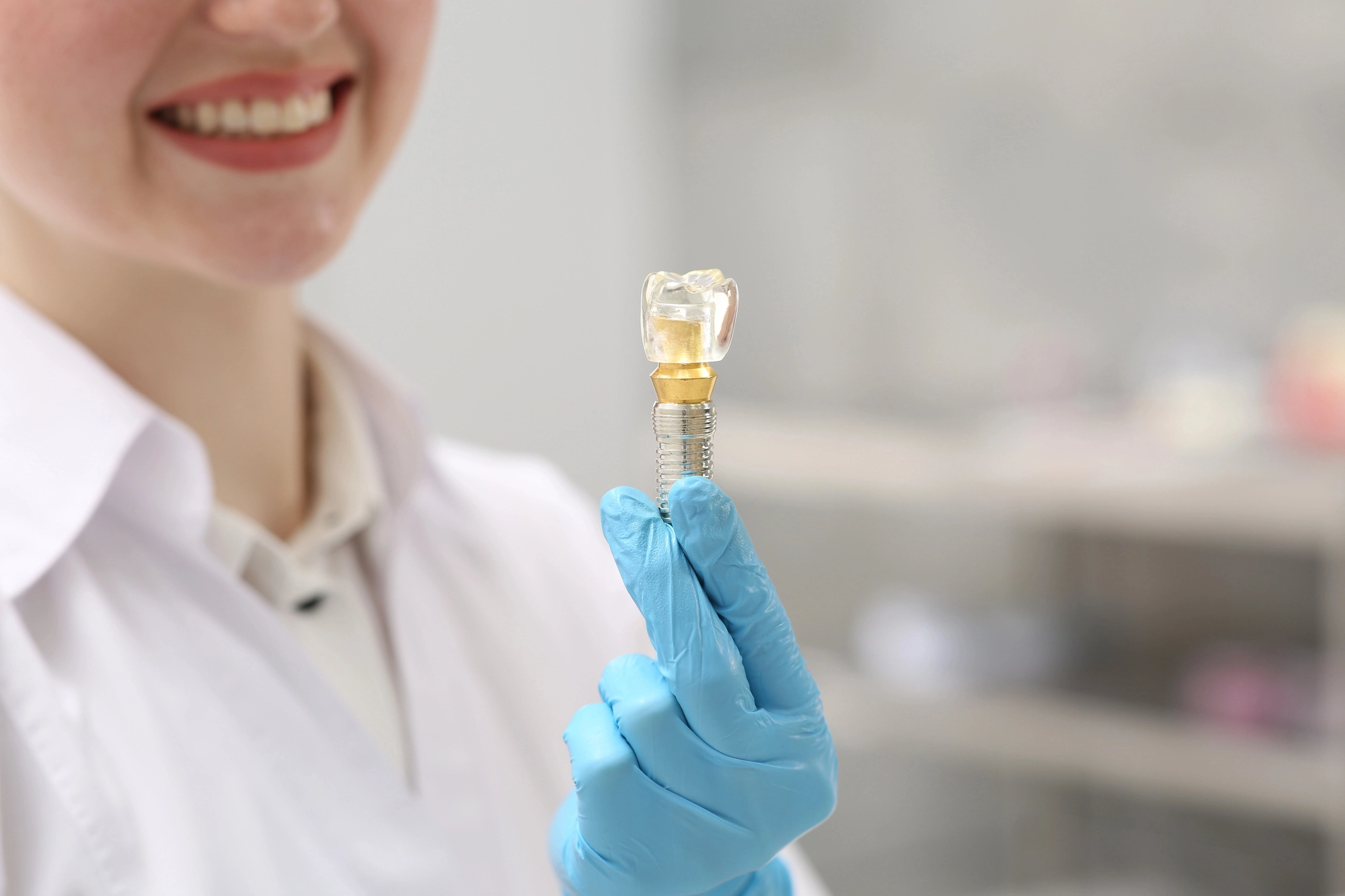
When it comes to replacing missing teeth, permanent dental implants have become the gold standard. Unlike traditional dentures or bridges, implants offer a permanent, secure solution that closely mimics the look, feel, and function of natural teeth.
If you’ve been dealing with missing or damaged teeth, understanding the benefits and considerations of permanent dental implants could be the key to restoring your smile for good.
What Are Permanent Dental Implants?
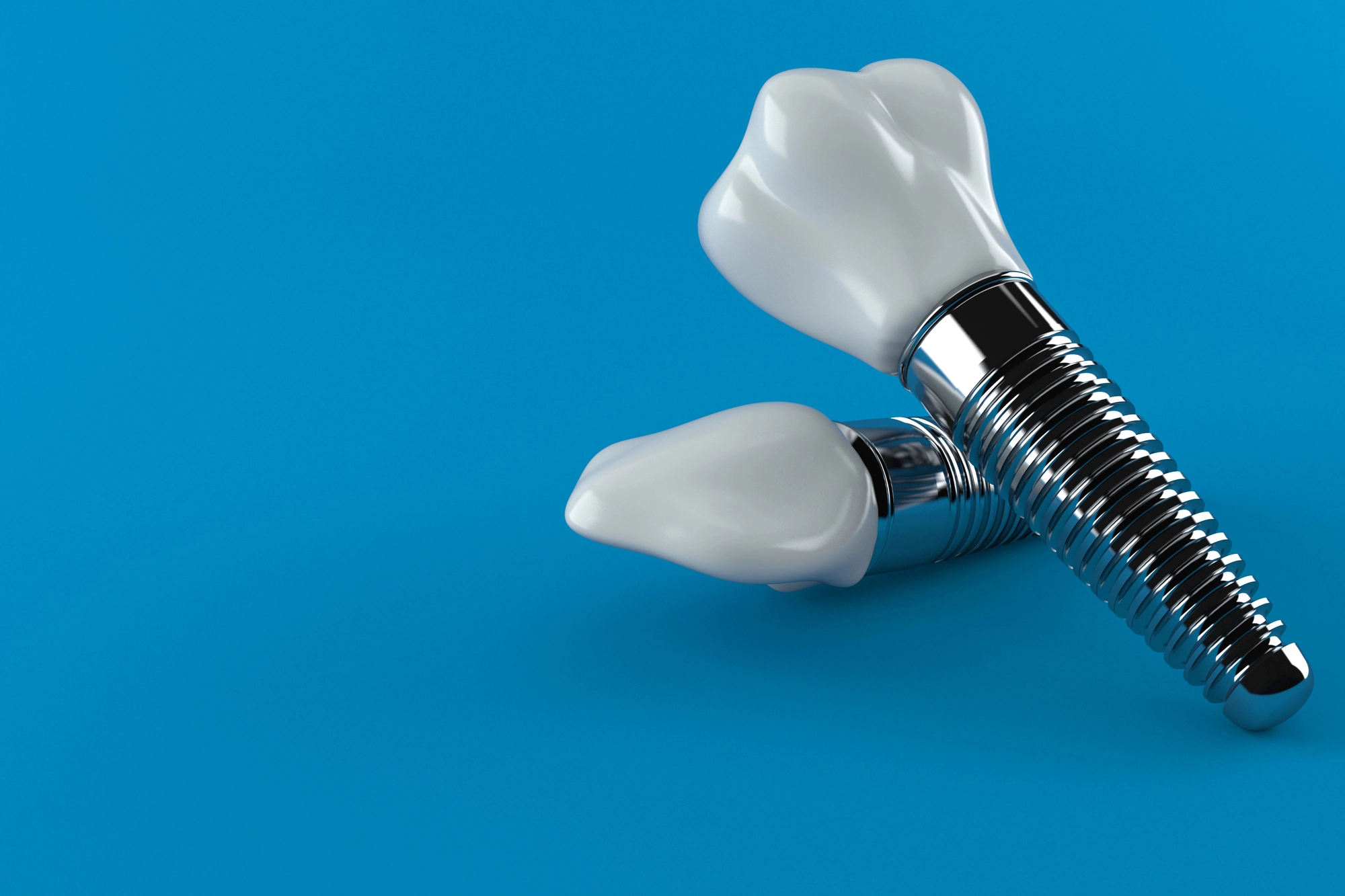
Permanent dental implants are artificial tooth roots made from biocompatible materials like titanium, which are surgically placed into the jawbone. Over time, these implants fuse with the bone in a process called osseointegration, creating a secure foundation for a dental crown, bridge, or full-arch prosthetic.
Unlike temporary solutions such as dentures, which must be removed for cleaning and can be prone to slipping, permanent dental implants provide a stable, long-lasting solution that requires no special care beyond regular brushing and flossing.
The Key Components of Permanent Dental Implants
- Implant Post (Titanium Root): This small titanium screw is placed into the jawbone and serves as the root of the new tooth.
- Abutment: The piece that connects the implant post to the final restoration, such as a crown or bridge.
- Restoration (Crown, Bridge, or Prosthesis): The visible part of the implant, designed to blend seamlessly with your natural teeth.
Each component works together to provide a fully functional, permanent solution that restores both the appearance and functionality of your teeth.
The Benefits of Permanent Dental Implants
The appeal of permanent dental implants goes far beyond just aesthetics. They provide several key advantages over traditional tooth replacement options, making them a popular choice for many patients.
1. Improved Functionality and Comfort
Permanent dental implants are fixed securely in place, making them a stable and comfortable solution for eating, speaking, and smiling. Unlike removable dentures, which can slip or shift, implants function like natural teeth, allowing you to bite, chew, and speak with ease.
Because they fuse with the jawbone, they also help to prevent the discomfort and irritation that can come with traditional dentures. This means no more worrying about loose fittings or sore spots in your mouth.
2. Enhanced Aesthetics
One of the most significant benefits of permanent dental implants is their natural appearance. The crown or restoration is custom-designed to match the shape, color, and size of your natural teeth, ensuring that your smile looks natural and seamless.
Unlike removable dentures, which may not always fit as perfectly or can appear bulky, dental implants are designed to blend in perfectly with your existing teeth, giving you a beautiful, confident smile.
3. Long-Term Durability
With proper care, permanent dental implants can last a lifetime. The titanium material used for the implant post is incredibly durable and resistant to decay, meaning you don’t need to worry about replacing or repairing your implants over time, unlike other options such as dental bridges, which may need to be replaced after 10–15 years.
Furthermore, because the implants stimulate the jawbone, they help preserve the bone structure, reducing the risk of bone loss and preventing the sunken appearance that can occur when teeth are missing.
4. Bone Preservation and Jaw Health
When you lose a tooth, the bone that once supported it begins to deteriorate due to a lack of stimulation. Permanent dental implants, however, integrate directly into the jawbone, helping to prevent bone loss and maintain the structure of your face.
This is a significant advantage over traditional dentures or bridges, which do not provide the same stimulation to the bone and can actually contribute to further bone loss over time.
5. Boosted Self-Confidence
With permanent dental implants, you can feel confident in your appearance, knowing that your smile looks natural and complete. Because implants function like your natural teeth, they also eliminate concerns about denture slippage, discomfort, or speaking problems.
Whether you’re eating your favorite foods or engaging in conversations, you won’t have to worry about your teeth. This confidence boost can positively impact your personal and professional life, helping you feel more comfortable in social situations.
.webp)
The Process of Getting Permanent Dental Implants
The journey to receiving permanent dental implants involves several key steps. While the timeline can vary depending on individual circumstances, the general process remains the same.
Step 1: Initial Consultation and Evaluation
The first step is a consultation with your dentist or oral surgeon, during which they’ll assess your oral health, take X-rays, and discuss your goals. This evaluation will help determine if you’re a good candidate for dental implants and if any preparatory procedures, such as bone grafting, are necessary.
Step 2: Implant Placement Surgery
Once you're cleared for the procedure, the next step is the surgical placement of the implant posts into the jawbone. This is typically done under local anesthesia or sedation, and the surgery usually takes between 1-2 hours, depending on how many implants are being placed.
After the surgery, you’ll need time to heal. The implant posts will need to fuse with the bone in a process called osseointegration, which typically takes 3–6 months.
Step 3: Abutment Placement
Once the implants have fully integrated with the bone, an abutment is placed on top of the implant post. This serves as the connector between the implant and the final restoration (crown or bridge). The abutment is often placed during a follow-up visit, and healing time is typically shorter than the initial implant surgery.
Step 4: Final Restoration
After the abutments have healed, your dentist will take impressions of your mouth to create custom restorations. These crowns or bridges will be designed to fit your implants precisely and match the color and shape of your natural teeth.
Once the final restoration is ready, it will be securely attached to the abutments, and your permanent dental implants will be complete. At this point, you can enjoy a fully functional and natural-looking smile.
Considerations and Potential Risks
While permanent dental implants are a highly effective and reliable solution for tooth loss, they do come with some considerations that should be taken into account before making the decision.
1. Bone Health and Density
One of the most critical factors in the success of dental implants is the quality of the jawbone. If you’ve experienced significant bone loss, you may require additional procedures, such as bone grafting or a sinus lift, to ensure there is enough bone to support the implants. Your dentist will evaluate your bone density during the consultation process to determine if these additional steps are necessary.
2. Surgical Risks
As with any surgery, there are inherent risks involved, including infection, implant failure, or nerve damage. However, these risks are relatively low when performed by a skilled oral surgeon or dentist with experience in implantology. It’s important to follow post-surgery instructions carefully to minimize these risks and ensure proper healing.
3. Cost Considerations
While dental implants can be more expensive upfront than other tooth replacement options, they are a long-term solution that eliminates the need for replacements or repairs down the road. Most dental insurance plans do not cover the full cost of implants. However, many offices offer payment plans or financing options to help make the treatment more affordable.
Is a Permanent Dental Implant Right for You?
Permanent dental implants are an excellent choice for anyone looking for a long-term solution to missing teeth. They offer a stable, natural-looking restoration that improves both the functionality and appearance of your smile. If you’re tired of dealing with loose dentures or uncomfortable bridges, permanent implants may be the answer you’ve been searching for.
The process is well worth the investment, providing a solution that can last a lifetime with proper care. Plus, the added benefits of improved bone health, enhanced aesthetics, and boosted confidence make dental implants a top choice for many patients.

Ready to Restore Your Smile with Permanent Dental Implants?
If you're in need of permanent dental implants, Georgetown Sedation Dentistry is here to help. Our experienced team specializes in providing top-quality dental implants that are designed to give you a natural, long-lasting smile. Schedule your consultation today to learn more about how dental implants can change your life!

150 Mt Vernon Dr, Georgetown, KY 40324 Suite 201
Monday 8 AM - 5 PM
Tuesday 8 AM - 5 PM
Wednesday CLOSED
Thursday 8 AM - 5 PM
Friday 8 AM - 5 PM
Saturday CLOSED
Sunday CLOSED

.svg)
.svg)
.svg)
.svg)
© 2024. Georgetown Sedation Dentistry | Privacy Policy | ADA Compliance
Website by: Digital Resource