
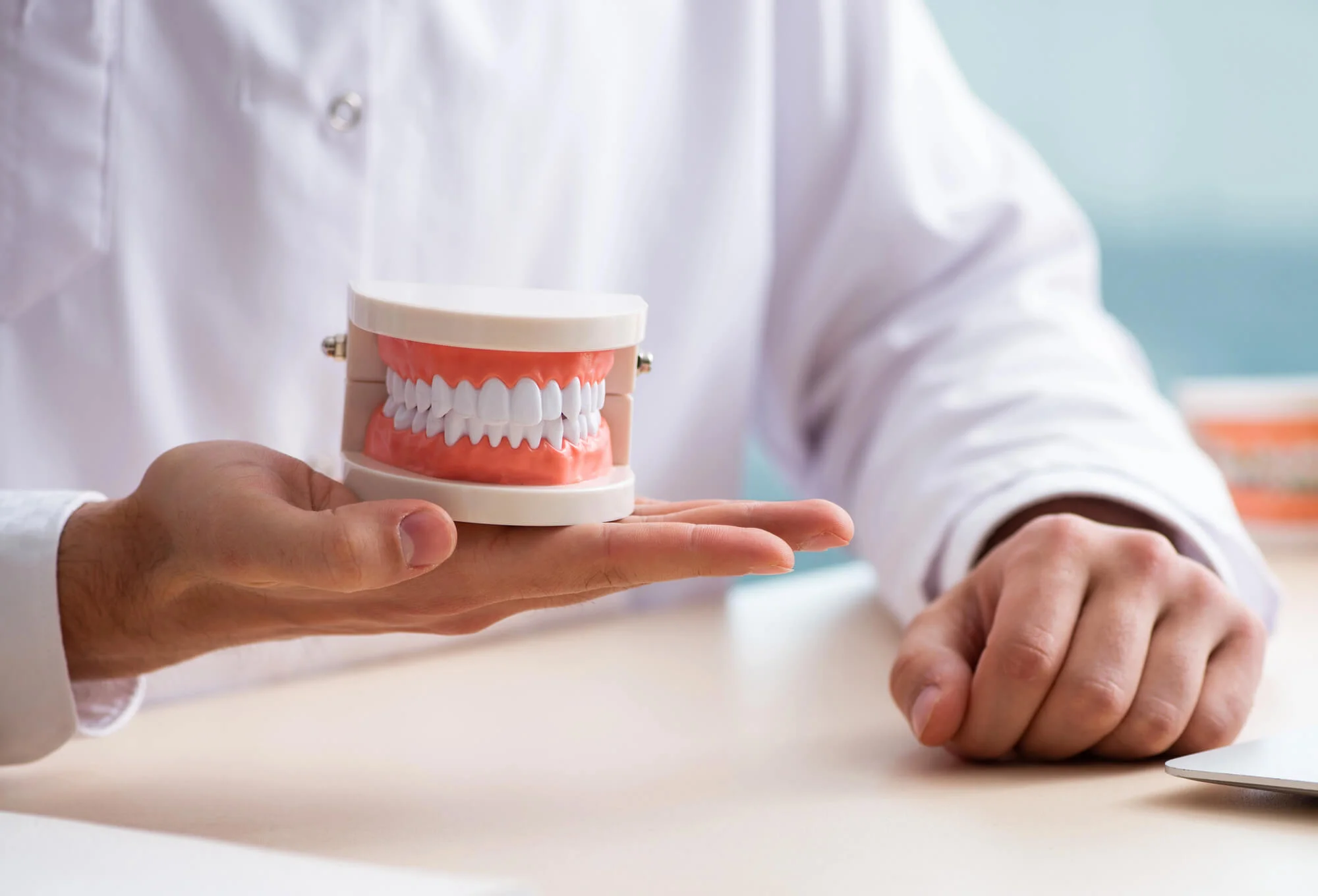
A dental checkup is about much more than looking for cavities. When choosing a dentist in Georgetown, KY, you want someone who looks at your entire oral health, not just the teeth that happen to hurt. Your gums, bite, jaw, existing dental work, and even changes inside your mouth can provide important clues about your health.
A thorough examination can catch problems before they become painful or expensive. It can also help your dentist understand how different parts of your mouth work together.
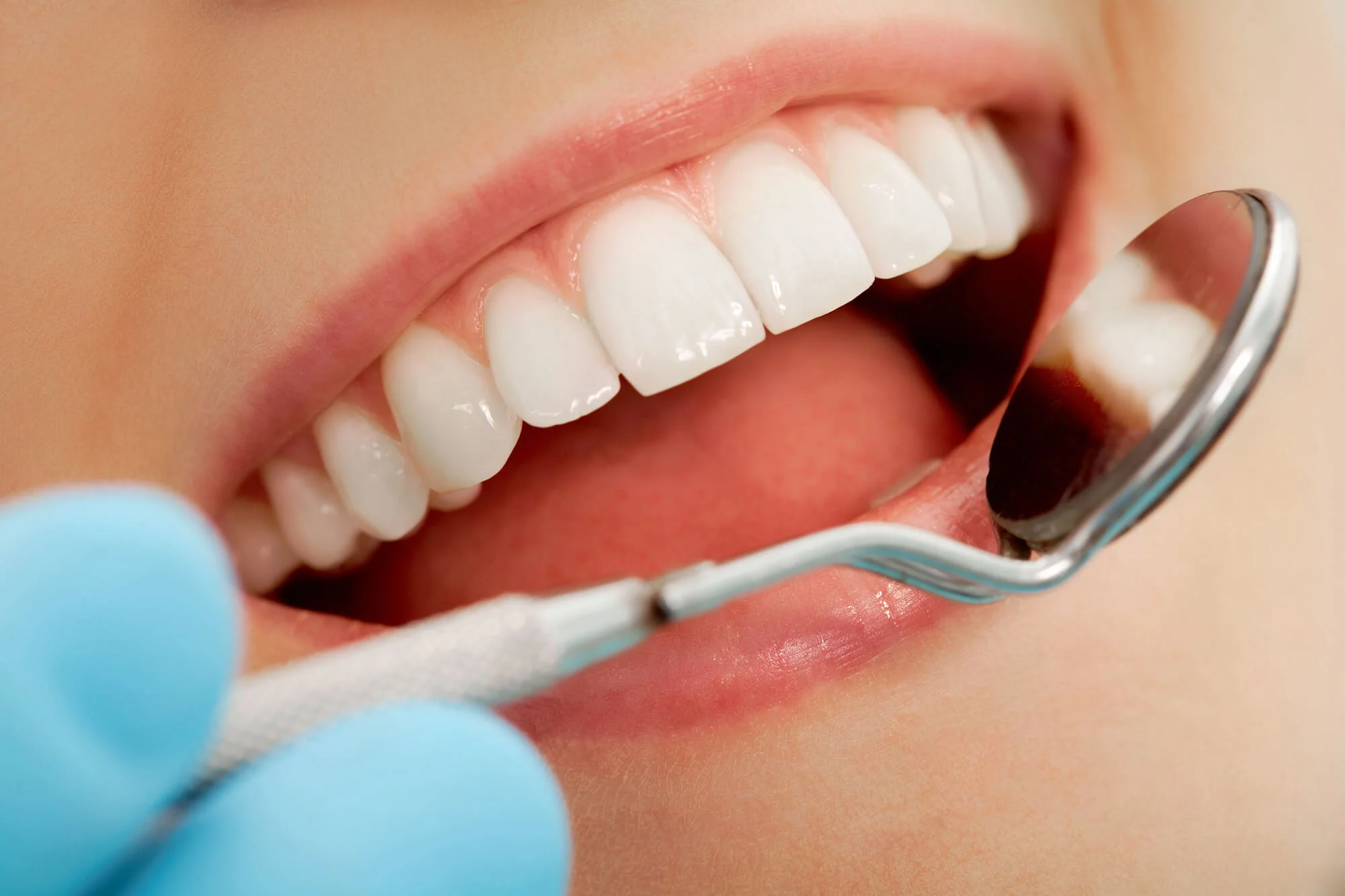
Things a Good Dental Exam Should Include
Your Gums and Signs of Gum Disease
Your gums can reveal problems that aren't always obvious when you look in the mirror.
Bleeding and Swelling
Healthy gums generally shouldn't bleed every time you brush or floss. Redness, swelling, tenderness, or persistent bleeding may indicate gum inflammation or periodontal disease.
Your dentist may examine the tissue around your teeth and check for pockets where bacteria can accumulate. Catching gum disease early can make treatment simpler.
Gum Recession
A dentist should also look for gums that have pulled away from the teeth. Gum recession can expose sensitive tooth roots and may be related to gum disease, aggressive brushing, or other factors.
It's not something you should simply ignore because your teeth themselves look healthy.
Your Bite and How Your Teeth Come Together
Your dentist should pay attention to more than individual teeth. They should also consider how your upper and lower teeth meet when you bite.
Signs of Uneven Pressure
An uneven bite can put excessive pressure on certain teeth. Over time, this may contribute to worn enamel, cracked teeth, discomfort, or problems with dental restorations.
You may not even realize your bite is uneven. Your dentist can look for signs of excessive wear or other changes that may point to an underlying problem.
Teeth Grinding and Clenching
Worn, flattened, or chipped teeth can sometimes indicate grinding or clenching. If you grind your teeth while sleeping, you may not know you're doing it.
Your dentist can identify signs of wear and discuss ways to protect your teeth if necessary.
Your Jaw and the Muscles Around It
Your jaw is another important part of a comprehensive dental examination.
Your dentist may ask whether you experience jaw pain, clicking, stiffness, headaches, or difficulty opening your mouth. These symptoms can sometimes be associated with temporomandibular joint problems or excessive muscle tension.
A dental visit doesn't mean every jaw sound requires treatment. Occasional clicking without pain may not be a concern. The important thing is having someone evaluate persistent or uncomfortable symptoms instead of guessing about their cause.
Your Tongue, Cheeks, and Other Oral Tissues
Your teeth aren't the only structures inside your mouth that deserve attention.
Unusual Sores or Changes
During an oral examination, a dentist may look at your tongue, cheeks, gums, roof of your mouth, and other soft tissues for unusual changes.
Persistent sores, unexplained lumps, patches, or areas that look different from surrounding tissue should be evaluated. Many oral changes have harmless causes, but some may require further investigation.
Changes You May Not Notice
Some abnormalities don't cause pain. That's one reason routine examinations matter even when your mouth feels completely normal.
A dentist isn't expected to diagnose every health condition during a dental visit. However, noticing something unusual and recommending appropriate follow-up can be an important part of comprehensive care.
Your Existing Dental Work
Fillings, crowns, bridges, dentures, and other restorations don't necessarily last forever.
A good dentist should examine existing dental work for signs of wear, damage, leakage, looseness, or changes around the restoration.
Why This Matters
A restoration can look fine from a quick glance while the tooth underneath develops a problem. Regular examinations allow your dentist to monitor both the restoration and the surrounding tooth and gum tissue.
This is especially important if you have several older restorations or a history of extensive dental treatment.
Your Oral Hygiene and Daily Habits
A good dental visit shouldn't be limited to telling you to brush more.
Your dentist should consider your actual habits and help identify areas where your routine may be falling short. That can include brushing technique, flossing, diet, tobacco use, frequent snacking, or habits that increase your risk of tooth damage.
The goal isn't to lecture you. It's to figure out what is realistic for you and what changes could make the biggest difference.

Your Overall Dental Risk
Not everyone has the same dental needs.
Some people are more prone to cavities. Others may have a greater risk of gum disease, enamel erosion, tooth wear, or complications from existing dental work.
Your dentist should consider your history when determining what needs monitoring and how often you should return.
That also means your dental plan may change over time. A treatment that made sense several years ago may not be appropriate today.
What About Dental Sedation?
If dental treatment makes you anxious, it's reasonable to discuss sedation before a procedure.
A good dentist should review your medical history, medications, allergies, and the planned treatment before determining whether sedation is appropriate. You should also understand what type of sedation is being considered and what you'll need to do before and after your appointment.
Sedation isn't simply something you request without an evaluation. Your dentist should make safety and your individual needs part of the conversation.
Frequently Asked Questions
How often should I have a dental examination?
The right schedule depends on your oral health, dental history, and risk factors. Your dentist can recommend an interval based on your individual needs.
Can a dentist tell if I grind my teeth?
Often, yes. Signs such as unusual tooth wear, chips, fractures, or changes in your bite may suggest grinding or clenching. Your dentist can discuss whether additional protection or evaluation is appropriate.
Should I see a dentist if nothing hurts?
Yes. Some dental and oral problems don't cause noticeable symptoms in their early stages. Routine examinations can help identify changes before they become more serious.
Does a dental exam include checking for gum disease?
A comprehensive examination should include an assessment of your gums and the tissues surrounding your teeth. Your dentist may also measure areas around the teeth when periodontal disease is suspected.
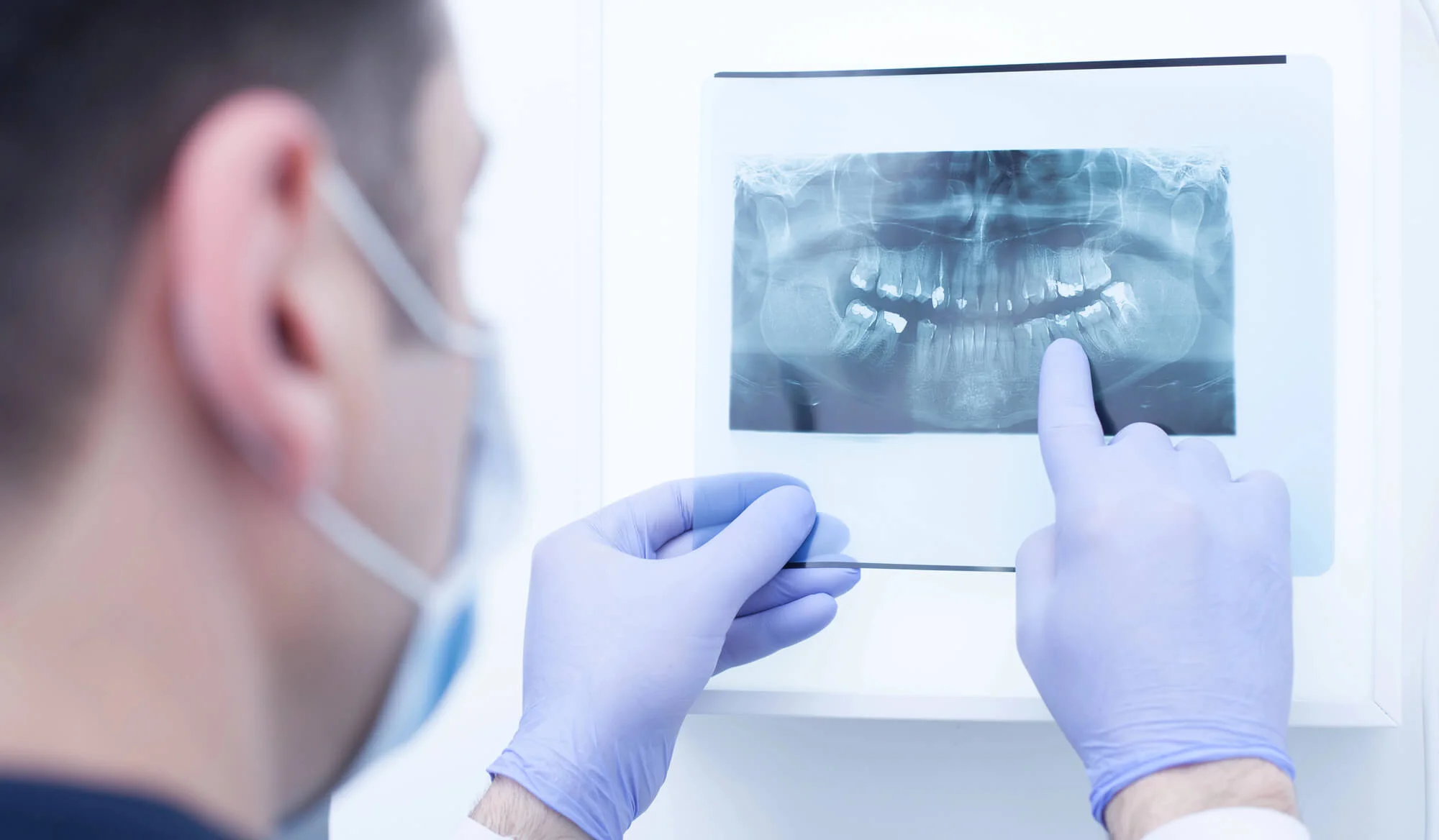
What to Look for in a Dentist in Georgetown, KY
At Georgetown Sedation Dentistry, we believe a dental visit should look at more than just the teeth that happen to hurt. If you're due for an examination or have concerns about your oral health, contact our team to discuss your needs and schedule a visit. If dental anxiety is holding you back, we can also talk with you about available sedation options and what to expect.

150 Mt Vernon Dr, Georgetown, KY 40324 Suite 201
Monday 8 AM - 5 PM
Tuesday 8 AM - 5 PM
Wednesday CLOSED
Thursday 8 AM - 5 PM
Friday 8 AM - 5 PM
Saturday CLOSED
Sunday CLOSED

.svg)
.svg)
.svg)
.svg)
© 2024. Georgetown Sedation Dentistry | Privacy Policy | ADA Compliance
Website by: Digital Resource