

Dental implants are designed for long-term tooth replacement, but they still require care. Healing issues, infection, excess pressure, smoking, or poor oral hygiene can all affect their success.
If you're considering permanent dental implants, understanding these risks can help you protect your investment and maintain a healthy smile.
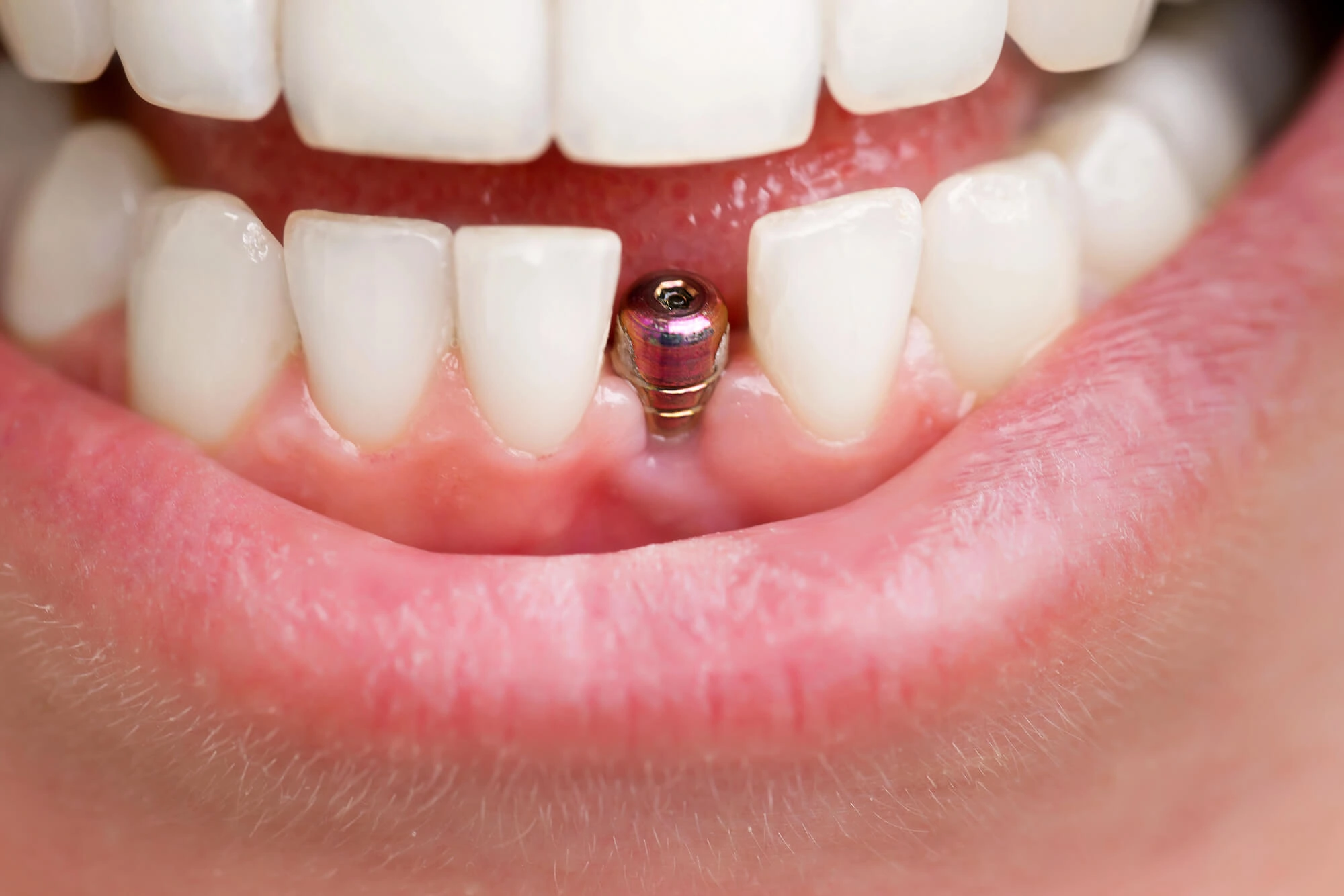
What Does Dental Implant Failure Actually Mean?
Implant Failure Isn't Always the Same
Dental implant failure can occur at different stages. Early failure happens when the implant doesn’t properly integrate with the jawbone during healing, known as osseointegration failure.
Later failure can occur after the implant is already in use due to infection, bone loss, or excessive biting forces that reduce long-term stability.
A Problem Doesn't Always Mean the Entire Treatment Has Failed
An issue involving an implant or its restoration doesn't automatically mean the entire treatment must be abandoned.
The appropriate response depends on what's causing the problem. Your dentist may be able to identify the issue, treat the surrounding tissues, adjust the restoration, or recommend another solution.
That's why it's important to contact your dental provider when something doesn't feel right.
5 Things That Can Cause Permanent Dental Implants to Fail
1. Problems With Healing or Osseointegration
An implant needs to form a strong connection with the surrounding jawbone. If adequate integration doesn't occur, the implant may not provide the stability needed to support the replacement tooth.
Insufficient bone, problems with healing, and certain patient-specific factors can influence this process. A thorough evaluation before treatment helps your dental team identify potential concerns and plan appropriately.
2. Infection Around the Implant
Although an implant itself can't develop a cavity, the gums and bone surrounding it can still become inflamed or infected.
One condition, called peri-implantitis, involves inflammation around an implant and can lead to supporting bone loss. Maintaining good oral hygiene and receiving regular professional care are important ways to reduce this risk.
3. Excessive Pressure on the Implant
Your bite can also affect implant health. Grinding or clenching your teeth can place repeated pressure on an implant and its restoration.
Over time, excessive biting forces may contribute to mechanical problems or damage. Your dentist can evaluate your bite and, when appropriate, recommend protective measures such as a nightguard.
4. Smoking and Tobacco Use
Smoking can make implant treatment more challenging. Tobacco use may interfere with healing and affect the tissues that support an implant.
Research reviewed by the American Dental Association has associated smoking with lower implant survival and greater marginal bone loss in certain patient groups. If you smoke, talk with your dental provider about quitting or reducing tobacco use before and after implant treatment.
5. Poor Oral Hygiene or Missed Follow-Ups
An implant may be artificial, but the tissues around it are still living tissue.
Plaque and bacteria can accumulate around the implant if the area isn't cleaned properly. Without appropriate care, inflammation can develop and potentially affect the supporting bone.
Regular brushing, cleaning around the implant, professional cleanings, and routine examinations all play an important role in long-term implant maintenance.
How Can You Reduce Your Risk of Implant Failure?
Follow Your Post-Operative Instructions
After implant placement, your mouth needs time to heal. Your dentist may recommend dietary restrictions, specific oral hygiene instructions, and temporary changes to your normal activities.
It's important to follow these instructions even if you're feeling comfortable. An implant can feel fine before it has completely integrated with the surrounding bone.
Protect Your Gums and Implants
Daily oral hygiene should remain a priority after treatment.
Brush your teeth as directed and carefully clean around your implant and restoration. Keep your regular dental appointments so your provider can monitor the implant, surrounding gums, and supporting bone.
Early monitoring can help identify changes before they become more difficult to manage.
Address Grinding and Clenching
If you regularly grind or clench your teeth, tell your dentist before receiving an implant.
Excessive forces can place unnecessary stress on the implant and restoration. Depending on your situation, your dentist may recommend a custom nightguard or other approach to help protect your smile.
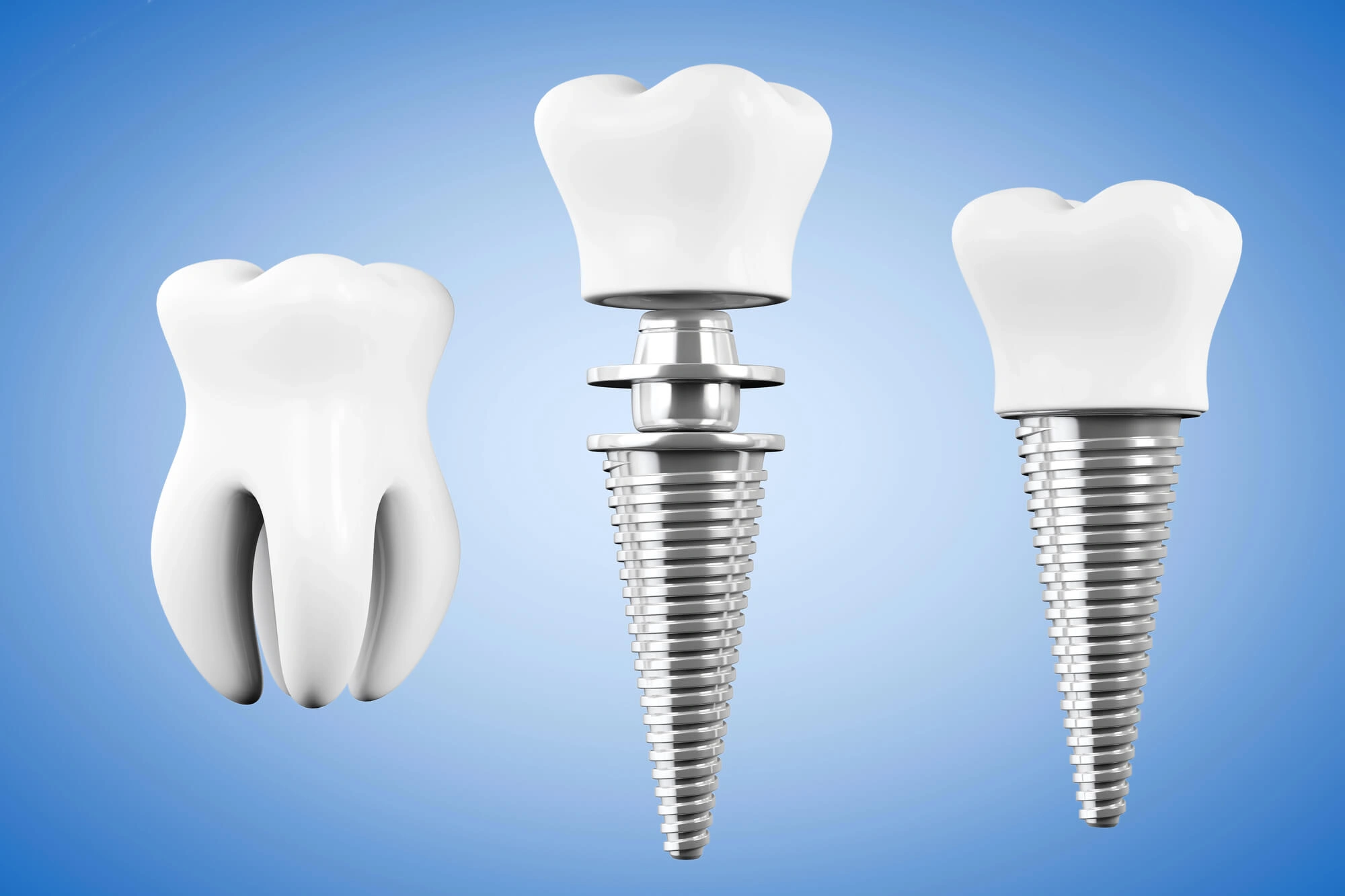
What to Expect Before, During, and After Implant Treatment
Before Implant Placement
Your treatment begins with a comprehensive evaluation, including digital imaging, assessment of your gums and jawbone, and a review of your medical and lifestyle history. This information is used to create a personalized treatment plan. If you’re anxious about surgery, sedation options can be discussed in advance.
During Treatment
Local anesthesia is used to keep the area comfortable during implant placement. Sedation may also be available depending on your needs. Your dental team follows your treatment plan closely while monitoring your comfort and safety.
After Treatment
Healing is essential for implant success, and follow-up visits allow your dental team to track bone integration. Even after healing, ongoing care is required. Regular checkups and good oral hygiene help protect your implant long-term.
Common Misconceptions About Permanent Dental Implant Failure
Myth: Implant Failure Means Someone Did Something Wrong
Not necessarily. Implant outcomes can be affected by biological, mechanical, and lifestyle factors. Some failures occur despite careful planning and appropriate care.
Myth: Implants Don't Need Special Care
Implants don't develop cavities, but they aren't immune to gum inflammation or bone loss. The tissues around an implant need regular attention.
Myth: Once an Implant Feels Fine, Follow-Ups Aren't Necessary
An implant can feel completely normal while changes are developing around it. Routine examinations give your dentist an opportunity to monitor its condition and address concerns early.
Frequently Asked Questions
How Common Is Dental Implant Failure?
Dental implants have high success rates, but no procedure is 100% guaranteed. Risk varies based on bone health, oral hygiene, smoking, bite forces, and overall health.
Can an Implant Fail Years After Placement?
Yes. Even well-functioning implants can fail later due to infection, bone loss, excessive forces, or mechanical issues.
Can Smoking Cause Dental Implants to Fail?
Yes. Smoking can impair healing and weaken the bone and gum support around implants. Discuss smoking habits with your dentist before treatment.
What Should I Do If I Think My Implant Is Failing?
Contact your dental provider right away. Watch for pain, swelling, bleeding, drainage, or looseness of the implant or restoration.

Are You Considering Permanent Dental Implants?
At Georgetown Sedation Dentistry, we carefully evaluate your oral health and bone support before recommending permanent dental implants. We also guide you on proper care and long-term maintenance.
If you feel anxious about treatment, sedation options are available to help you stay comfortable. Contact Georgetown Sedation Dentistry to schedule a consultation and find out if dental implants are right for you.

150 Mt Vernon Dr, Georgetown, KY 40324 Suite 201
Monday 8 AM - 5 PM
Tuesday 8 AM - 5 PM
Wednesday CLOSED
Thursday 8 AM - 5 PM
Friday 8 AM - 5 PM
Saturday CLOSED
Sunday CLOSED

.svg)
.svg)
.svg)
.svg)
© 2024. Georgetown Sedation Dentistry | Privacy Policy | ADA Compliance
Website by: Digital Resource