
All-on-X dental implants can provide a stable way to replace an entire arch of missing or failing teeth. Because the restoration is supported by implants rather than resting only on the gums, many patients expect it to be durable. But “durable” does not mean indestructible. Certain habits, oral health problems, and poor maintenance can put implants or the prosthetic teeth at risk.
The good news is that many potential problems can be reduced with proper care, regular visits, and prompt attention when something feels different.

7 of the Worst Enemies of All-on-X Dental Implants
Poor Oral Hygiene
Even though implants cannot develop cavities like natural teeth, the tissues surrounding them can still become inflamed or infected.
Plaque Can Affect the Supporting Tissues
Bacteria and plaque can accumulate around implants and the gumline. Inflammation around an implant can progress to peri-implant disease, which may damage the tissues and bone supporting it.
Daily brushing, cleaning beneath and around the restoration, and professional maintenance are important parts of protecting your investment.
Smoking and Tobacco Use
Smoking can interfere with oral healing and is associated with problems involving dental implants. Research has linked smoking with increased bone loss and lower implant survival.
Tobacco Can Affect Implant Health
Smoking may reduce blood flow and make it harder for tissues to heal properly. It can also increase the risk of complications around implants.
If you smoke or use tobacco, tell your dental provider. You can discuss how tobacco use may affect your treatment and what steps could help protect your oral health.
Grinding or Clenching Your Teeth
Your All-on-X restoration is designed to handle normal chewing forces, but excessive pressure can create problems.
Bruxism Can Put Extra Stress on the Restoration
Frequent grinding or clenching can place unusually high forces on the prosthetic teeth and the implants supporting them. Over time, this may contribute to worn, chipped, or fractured prosthetic teeth or place excessive stress on the implant system.
If you regularly wake with jaw soreness, headaches, or signs of tooth wear, mention it to your dental team. A nightguard or another protective strategy may sometimes be appropriate.
Using Your Teeth as Tools
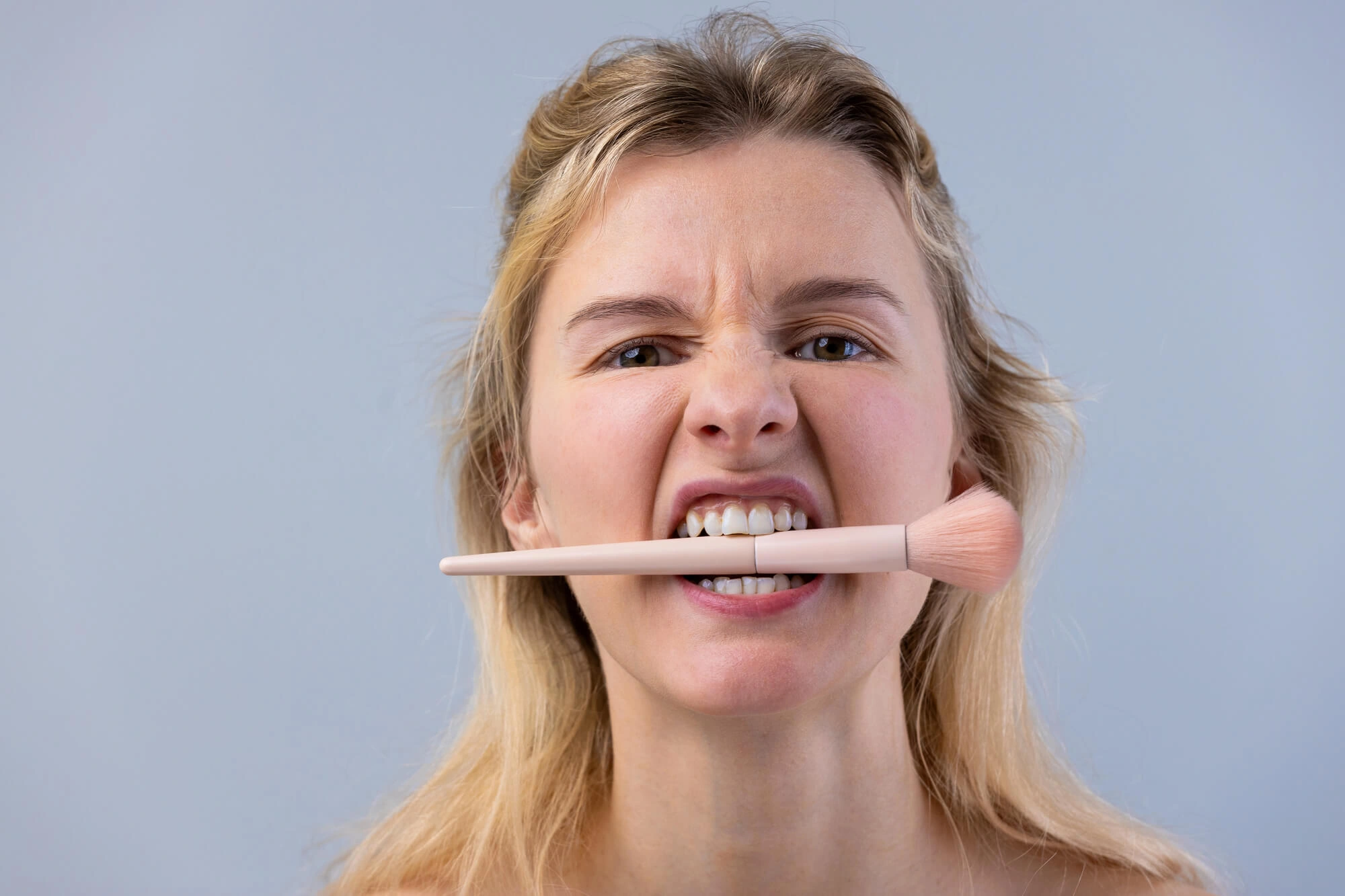
Opening packages, biting hard objects, or chewing items that are not food can damage dental restorations.
Hard Foods Require Some Common Sense
You do not necessarily have to avoid every firm or crunchy food forever. However, repeatedly exposing your restoration to unusually hard objects can increase the chance of chips, fractures, or other damage.
Follow the food recommendations provided for your specific restoration, particularly while you are adjusting to it or healing after implant surgery.
Ignoring Changes in Your Mouth
One of the easiest ways to let a small problem become a larger one is to wait when something feels wrong.
Loose or Damaged Components Should Be Evaluated
If your restoration feels loose, your bite suddenly changes, or you notice pain, swelling, bleeding, or difficulty cleaning around the implants, contact your dental provider. A problem does not necessarily mean the implants have failed.
Prompt evaluation can help determine whether the issue involves the prosthetic teeth, an attachment, the surrounding tissues, or the implants themselves.
Skipping Routine Maintenance
All-on-X treatment is not a “set it and forget it” solution.
Your Restoration Still Needs Professional Care
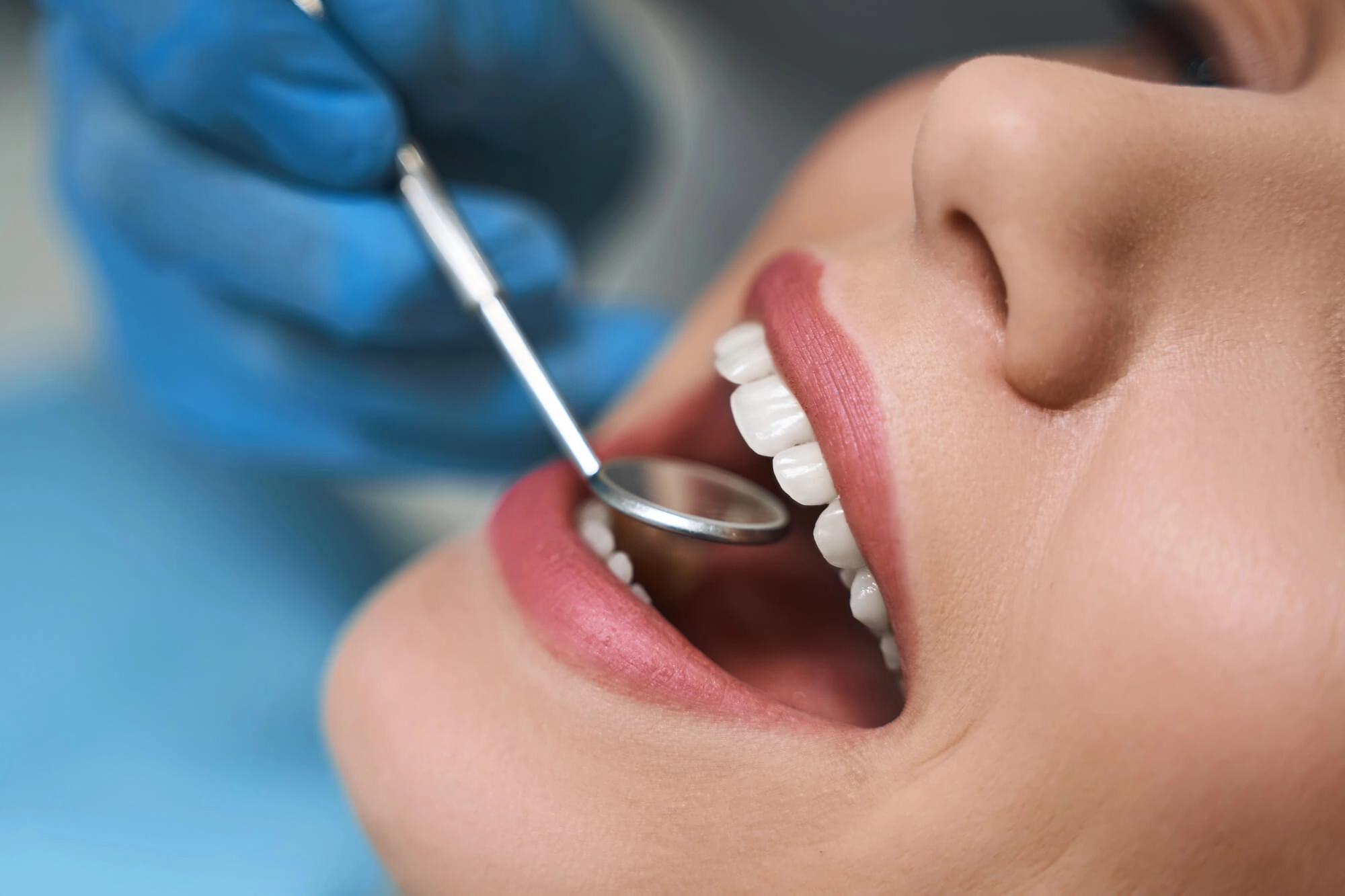
Regular dental appointments allow your provider to evaluate the implants, surrounding tissues, bite, and condition of the restoration. Professional cleaning can also address areas that are difficult to reach at home.
Your dental team may recommend a specific maintenance schedule based on your oral health and restoration.

What About Sedation During All-on-X Treatment?
The surgical part of implant treatment can understandably make some patients nervous. Sedation may be an option for eligible patients, depending on the planned procedure and medical history.
Know What to Expect Before Treatment
Before sedation, your dental team should explain how to prepare, whether you need to avoid food or certain medications, and whether someone must drive you home. During treatment, you will be monitored according to the sedation plan.
Afterward, follow your provider’s instructions about eating, driving, medications, physical activity, and rest. Sedation can make treatment feel more manageable, but it does not remove the importance of following surgical and aftercare instructions.
How Can You Protect Your All-on-X Restoration?
Protection starts with consistent habits rather than a special product.
Focus on Daily Care
Brush as directed and clean around the restoration and implants using the tools recommended by your dental team. Attend regular checkups, follow dietary guidance, and report changes instead of waiting for an appointment that is months away.
It is also important to remember that the prosthetic teeth may eventually need repair or replacement even when the implants themselves remain healthy. Wear and everyday use can affect the restoration over time.
Questions to Ask About Protecting Your Implants
If you have All-on-X treatment or are considering it, ask your provider how to clean beneath your specific restoration, which foods or habits should be limited, and how often you need professional maintenance.
You can also ask whether you show signs of grinding, what symptoms should prompt a call, and whether sedation is available if future procedures make you anxious. Understanding your maintenance plan makes it easier to protect your implants long term.
FAQ About All-on-X Dental Implants
Can All-on-X implants break?
The implants themselves are designed to be durable, but components and prosthetic teeth can experience wear or damage. Regular evaluations can help identify problems early.
Can I get gum disease with All-on-X implants?
Natural teeth can develop gum disease, while implants can develop inflammation and infection in the surrounding tissues. Good hygiene and professional maintenance are important for preventing these problems.
Does grinding damage All-on-X implants?
Grinding and clenching can place additional forces on the restoration and implant system. If you grind your teeth, ask your dental provider whether a protective appliance is appropriate.
How often should All-on-X implants be checked?
Your provider can recommend a schedule based on your individual oral health, restoration, and risk factors. Regular visits help monitor both the implants and the prosthetic restoration.
Ready to Protect Your All-on-X Dental Implants?
If you have questions about caring for All-on-X dental implants, we can help you understand what your restoration needs. At Georgetown Sedation Dentistry, we can discuss maintenance, concerns about discomfort or damage, and sedation options for future treatment. Contact our office to schedule a consultation and get personalized guidance for protecting your smile.

150 Mt Vernon Dr, Georgetown, KY 40324 Suite 201
Monday 8 AM - 5 PM
Tuesday 8 AM - 5 PM
Wednesday CLOSED
Thursday 8 AM - 5 PM
Friday 8 AM - 5 PM
Saturday CLOSED
Sunday CLOSED

.svg)
.svg)
.svg)
.svg)
© 2024. Georgetown Sedation Dentistry | Privacy Policy | ADA Compliance
Website by: Digital Resource