

For patients who have spent years avoiding the dentist—or white-knuckling their way through every appointment—the idea of IV sedation can feel equal parts promising and intimidating. The promise is obvious: a procedure you won't remember, in a state that feels nothing like the tense, hyperaware experience most anxious patients dread. The intimidating part is the unknown.
What actually happens? What will you feel? Will you be aware of anything at all? Finding a skilled sedation dentist who can walk you through the process honestly is the first step. However, having a clear picture of what to expect before you even make that call goes a long way toward making the decision feel less daunting.
First, a Quick Clarification: IV Sedation Is Not General Anesthesia

This is one of the most common misconceptions patients bring into the conversation, and it's worth clearing up early.
IV sedation and general anesthesia are not the same thing. Under general anesthesia, a patient is completely unconscious, intubated, and entirely unresponsive. Under IV sedation, patients exist in a profoundly relaxed, sleep-like state. They are technically conscious and can respond to simple verbal prompts if needed.
The practical difference for most patients? Almost none. The experience feels like sleep. Most patients have no memory of the procedure. But the clinical difference matters because IV sedation has a lower risk profile than full general anesthesia and typically requires less recovery time.
Before the Procedure: What Happens Leading Up to the Chair
The Consultation
Before IV sedation is ever administered, a thorough consultation takes place. Medical history, current medications, allergies, and overall health are all carefully reviewed. This isn't just paperwork—it's the foundation of a safe sedation experience. Patients should come prepared to be honest and thorough here, because the quality of this conversation directly affects the quality of care.
Pre-Procedure Instructions
Patients receiving IV sedation will be given specific instructions to follow in the hours leading up to their appointment. These typically include:
- Fasting for a set number of hours before the procedure—usually no food or drink after midnight the night before
- Arranging for a responsible adult to drive them to and from the appointment
- Avoiding certain medications or supplements in the days leading up to treatment
- Wearing comfortable, loose-fitting clothing with sleeves that can be easily rolled up for IV access
Following these instructions isn't optional. They exist to keep the experience safe and to ensure the sedation works the way it's supposed to.
During the Procedure: What IV Sedation Actually Feels Like
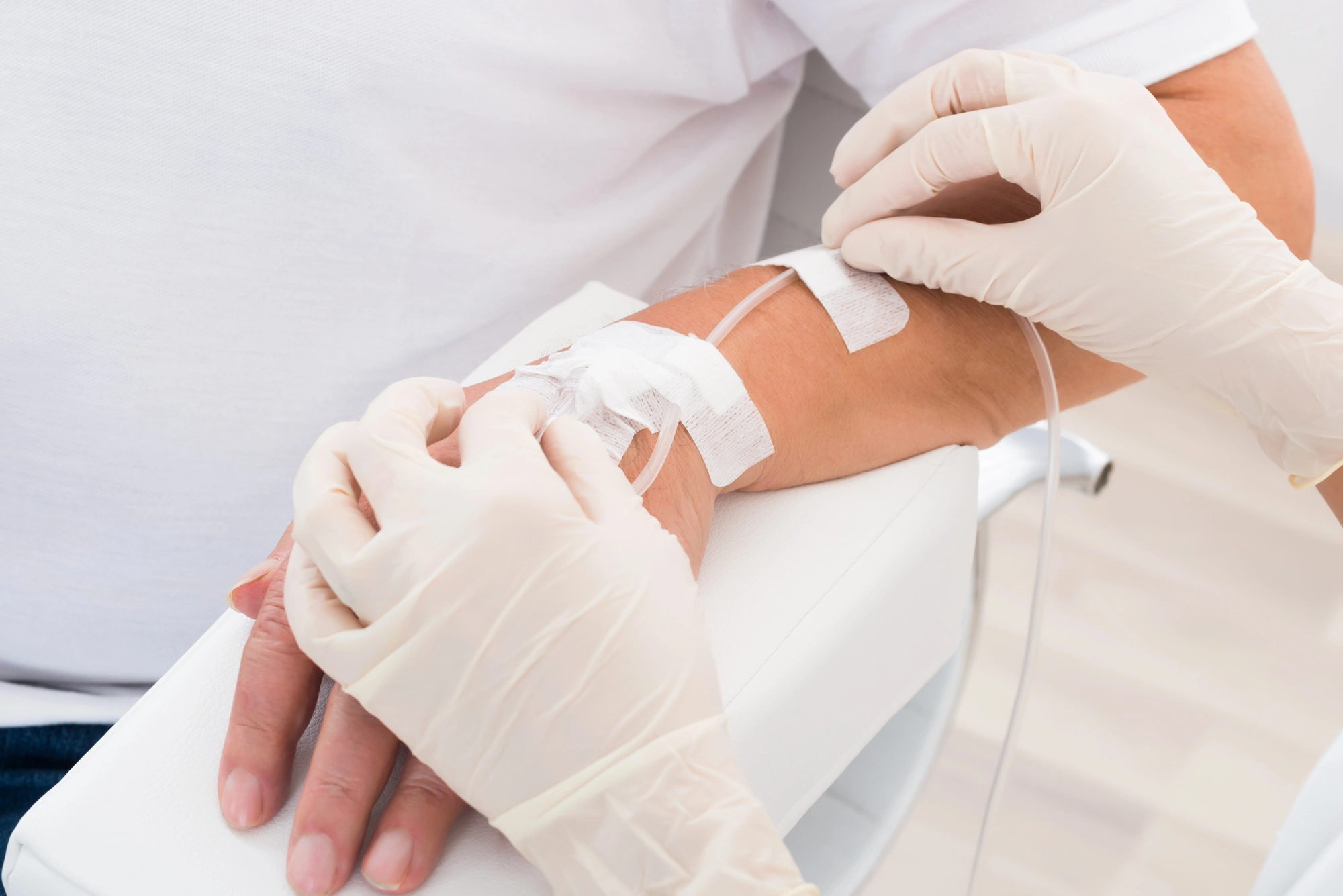
The IV Is Placed
Once the patient is settled in the chair, a small IV line is placed—typically in the arm or the back of the hand. For patients who are needle-averse, this is often a point of anxiety in itself. The placement involves a brief pinch, similar to a standard blood draw. It's quick, and most patients report that this is the last distinctly uncomfortable sensation they experience.
The Medication Takes Effect
Within moments of the medication entering the bloodstream, patients begin to feel its effects. This is where IV sedation distinguishes itself from oral sedation or nitrous oxide in a meaningful way—the onset is rapid, controlled, and unmistakable.
Most patients describe the transition as feeling like:
- A sudden, pleasant heaviness settling over the entire body
- A loosening of tension that had been held for so long it almost feels unfamiliar
- A warm, floating sensation—similar to the feeling of drifting off to sleep in a comfortable place
- A gentle disconnection from the sounds and sensations of the room around them
There is no abrupt shift. It's more like a dimmer switch being slowly turned down than a light being switched off.
During Treatment
At this depth of sedation, the dental work proceeds while the patient remains in that deeply relaxed state. The dentist can adjust the level of sedation as needed throughout the procedure—one of the key advantages of IV administration over oral sedation.
Patients are typically unaware of what's happening. Time passes without registering. There's no sensation of the procedure, no hyperawareness of instruments, no anxiety spiral. For patients who have historically gripped the armrests through every appointment, this lack of experience is often described as the most significant aspect of IV sedation—not what happens, but what doesn't.
After the Procedure: Waking Up and Recovery
Coming Out of Sedation
When the procedure is complete, the medication is adjusted and patients begin to surface gradually. This process is gentle—there's no jarring return to full awareness. Most patients feel groggy, calm, and a little fuzzy. Some feel mildly emotional, which is a completely normal physiological response to sedation medications and typically passes quickly.
What to Expect in the Hours After
Recovery from IV sedation is generally straightforward, but patients should plan for it:
- Grogginess and fatigue that can last several hours after the appointment
- Little to no memory of the procedure itself—this is expected and normal
- A slightly sore or tender spot at the IV site, which fades within a day or two
- The need to rest for the remainder of the day—this is not the time to return to work or make important decisions
Most patients feel largely back to normal by the following morning.

Is IV Sedation Right for You? Talk to Our Sedation Dentist!
IV sedation isn't the right fit for every patient or every procedure. However, for the right person, it's genuinely transformative. If dental fear has been the barrier between you and the care you need, or if a complex procedure has been looming on the horizon, IV sedation may be the thing that finally makes it possible.
The best way to know for certain is to have an honest conversation with a sedation dentist who takes the time to understand your history, your concerns, and your goals before recommending a path forward. That conversation costs nothing, and it might be the most important dental appointment you ever make.
Ready to find out if IV sedation is right for you? Contact Georgetown Sedation Dentistry today, and let's talk through your options together.

150 Mt Vernon Dr, Georgetown, KY 40324 Suite 201
Monday 8 AM - 5 PM
Tuesday 8 AM - 5 PM
Wednesday CLOSED
Thursday 8 AM - 5 PM
Friday 8 AM - 5 PM
Saturday CLOSED
Sunday CLOSED

.svg)
.svg)
.svg)
.svg)
© 2024. Georgetown Sedation Dentistry | Privacy Policy | ADA Compliance
Website by: Digital Resource