
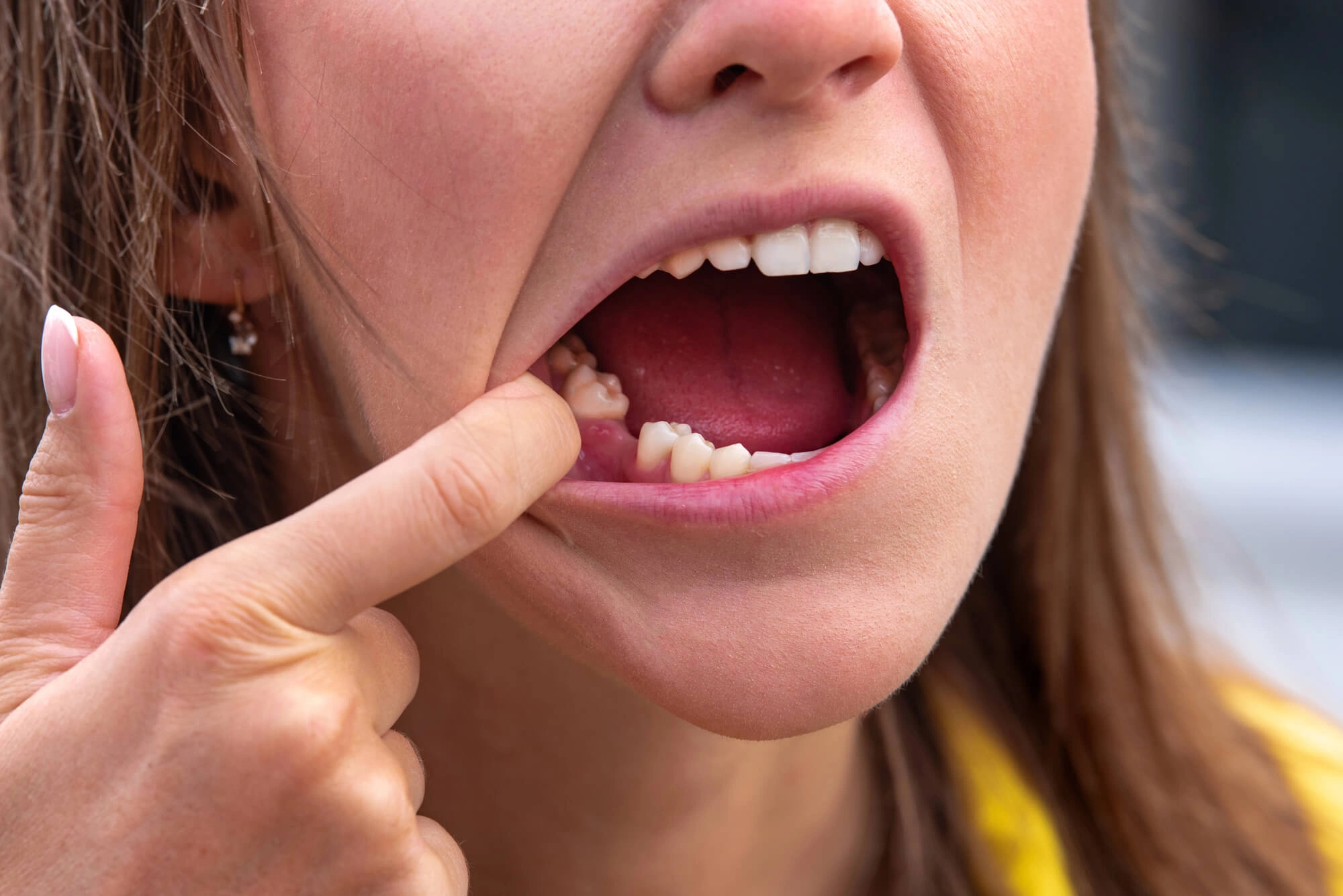
Hearing that you need a dental crown doesn't always mean your tooth is in immediate danger. In many cases, your dentist recommends a crown to strengthen and protect a weakened tooth before it becomes a much bigger problem. Because the tooth may not hurt right away, it's easy to assume treatment can wait.
If you're considering same-day dental crowns, you may wonder whether postponing the procedure is really a big deal. While every situation is different, delaying treatment can sometimes allow a damaged tooth to worsen, leading to more complex and costly dental care later. Understanding why your dentist recommended a crown in the first place can help you make an informed decision about your oral health.

Why Your Dentist May Recommend a Crown in the First Place
Crowns Protect Teeth That Have Become Weaker
Dental crowns aren't recommended only when a tooth is badly damaged. They're also used to strengthen teeth that have become vulnerable due to previous dental work or structural changes.
Your dentist may recommend a crown if you have:
- A large filling that leaves little healthy tooth structure
- A tooth that has undergone root canal treatment
- Significant wear caused by grinding or long-term use
- Extensive decay that weakens the remaining tooth
Rather than simply repairing damage that's already occurred, a crown helps prevent the tooth from breaking further.
A Crown Is Often Preventive Treatment
Many patients are surprised to learn that crowns are frequently recommended before severe pain develops. The goal is to reinforce the tooth while it can still be preserved. Waiting until symptoms become obvious may allow the damage to progress beyond what a crown alone can repair.
What Can Happen If You Wait Too Long?
Small Cracks Can Become Larger
Even tiny cracks experience constant pressure every time you chew. Over weeks or months, normal biting forces can cause those cracks to spread deeper into the tooth. What begins as a small structural weakness may eventually become a fracture that requires much more extensive treatment.
The Tooth Could Become Too Damaged to Restore
If a crack extends below the gumline or too much tooth structure is lost, placing a crown may no longer be possible. In some situations, extraction becomes the only remaining treatment option. Receiving a crown earlier may help preserve your natural tooth before that point is reached.
Pain and Sensitivity May Develop
Many weakened teeth don't hurt immediately. However, as cracks deepen or decay progresses, you may begin noticing:
- Pain when chewing
- Sensitivity to hot or cold foods
- Discomfort when biting down
- Occasional sharp pain
Unfortunately, pain often appears after the tooth has already sustained additional damage.
Additional Treatment May Become Necessary
Delaying a crown doesn't simply postpone treatment. It may also increase the complexity of the care you eventually need. Instead of placing a crown alone, your dentist may first need to perform:
- Root canal treatment
- Removal of additional decay
- Dental implant placement or another tooth replacement option
Treating the problem early often helps preserve more of your natural tooth.
How Same-Day Dental Crowns Make Treatment More Convenient
Complete Your Treatment in One Appointment
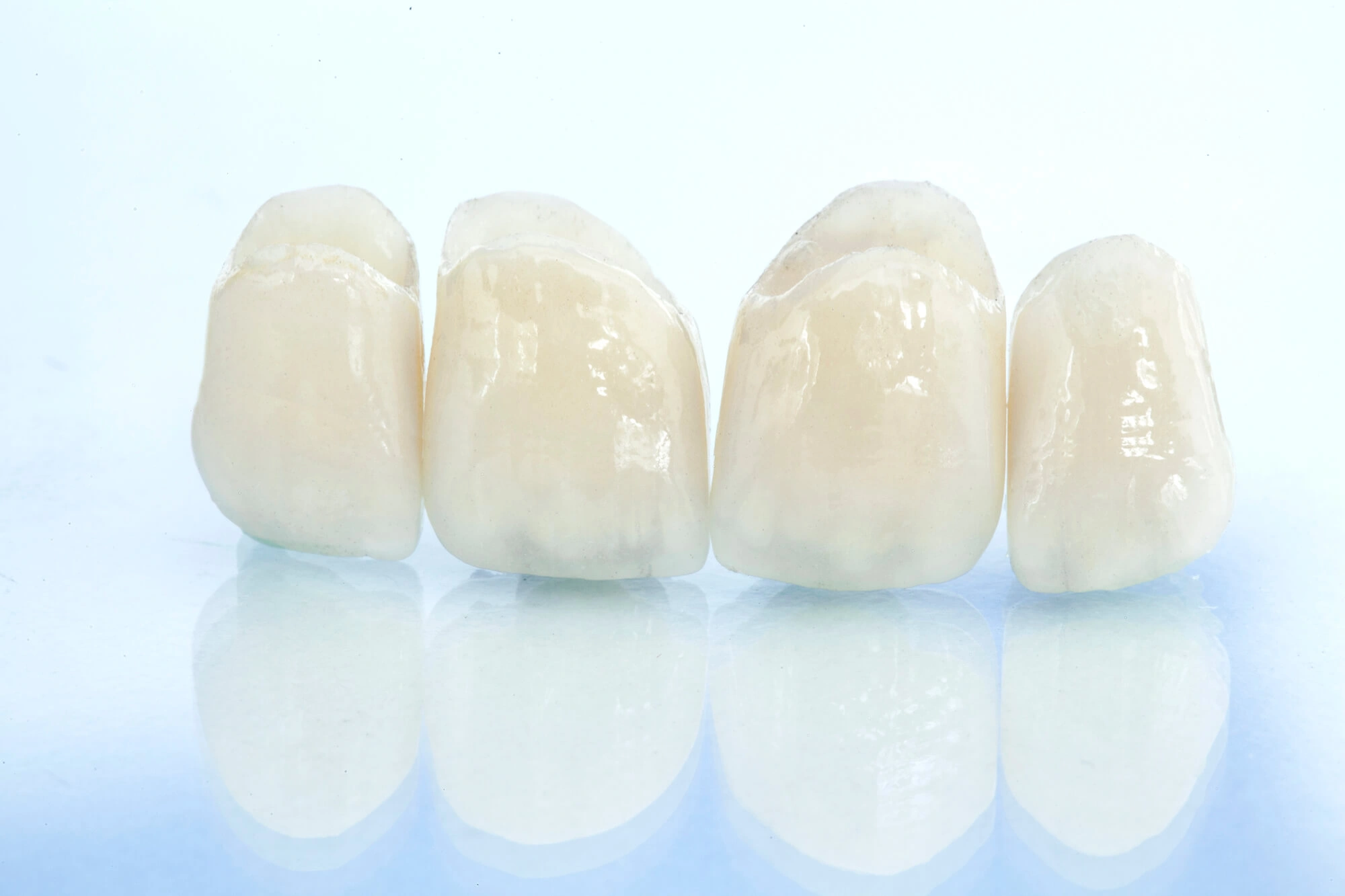
Traditional crowns often require two appointments and a temporary restoration while the permanent crown is being fabricated. With same-day dental crown technology, eligible patients can often receive a custom-made crown during a single visit.
No Temporary Crown Required
Because the permanent crown is created in the office using advanced digital technology, many patients don't need a temporary crown or a second appointment. This simplifies treatment while reducing the risk of temporary restorations becoming loose or damaged.
Precision Meets Convenience
Digital impressions and computer-guided design help create crowns that fit comfortably and closely match your natural teeth. The streamlined process also allows you to return to your normal routine sooner.
What to Expect Before, During, and After Your Crown Appointment
Before Treatment
Your dentist will examine the tooth, review digital images, and explain why a crown has been recommended. If you experience dental anxiety, sedation options may also be discussed to help make your visit more comfortable.
During Your Appointment
The tooth is carefully prepared before a digital scan is taken. Your custom crown is then designed, milled, and placed during the same appointment for many eligible patients. Throughout the procedure, local anesthesia helps keep you comfortable, while sedation dentistry may provide additional relaxation for patients who feel anxious.
After Your Crown Is Placed
Some mild sensitivity is normal for a short period after treatment. Your dentist will explain:
- When you can resume eating normally
- How to care for your new crown
- The importance of routine dental visits
- Ways to protect your restoration from excessive wear
Following these recommendations helps maximize the longevity of your crown.
Common Misconceptions About Dental Crowns
Myth: If My Tooth Doesn't Hurt, I Don't Need a Crown
Pain isn't always an accurate indicator of tooth damage. Many weakened teeth remain symptom-free until significant structural problems develop.
Myth: Crowns Are Only for Severely Damaged Teeth
Crowns are often recommended to prevent severe damage—not simply treat it after it happens. Early treatment can help preserve more of your natural tooth.
Myth: Every Crown Requires Multiple Appointments
Advances in digital dentistry now allow many patients to receive same-day dental crowns without temporary restorations or return visits.
Frequently Asked Questions
How Long Can I Wait Before Getting a Crown?
The answer depends on the condition of your tooth. If your dentist recommends a crown, it's best to discuss the timing rather than assuming it can safely wait.
Will I Need a Temporary Crown?
Not necessarily. Many patients receiving same-day dental crowns leave their appointment with their permanent restoration already in place.
Is Getting a Crown Painful?
Local anesthesia helps keep the procedure comfortable. For patients who experience dental anxiety, sedation options may also be available.
How Long Do Same-Day Dental Crowns Last?
With proper oral hygiene, regular dental visits, and healthy habits, many crowns provide reliable function for many years.

Considering Same-Day Dental Crowns?
At Georgetown Sedation Dentistry, we understand that deciding when to move forward with treatment isn't always easy. That's why we take the time to explain why a crown has been recommended, answer your questions, and help you understand the benefits of treating a weakened tooth before additional damage occurs.
If you've been told you need a dental crown or have questions about same-day treatment, contact Georgetown Sedation Dentistry today to schedule a consultation. We're here to help you protect your natural smile with personalized, comfortable care.

150 Mt Vernon Dr, Georgetown, KY 40324 Suite 201
Monday 8 AM - 5 PM
Tuesday 8 AM - 5 PM
Wednesday CLOSED
Thursday 8 AM - 5 PM
Friday 8 AM - 5 PM
Saturday CLOSED
Sunday CLOSED

.svg)
.svg)
.svg)
.svg)
© 2024. Georgetown Sedation Dentistry | Privacy Policy | ADA Compliance
Website by: Digital Resource