

Losing a tooth can seem like a problem you can put off if it is not painful. But a missing tooth can affect more than appearance. Over time, changes can occur in the surrounding teeth, gums, bite, and jawbone. If you are considering dental implants in Lexington, KY, understanding these changes can help you make a decision.
Replacing a missing tooth does not always mean choosing an implant. An evaluation can help determine which option fits your needs.
Even a missing tooth can have effects that are easy to overlook because many changes develop gradually rather than suddenly.

Your Remaining Teeth May Shift
A missing tooth leaves an empty space that neighboring teeth may gradually move into.
Your bite can change
Teeth interact when you chew. When one is missing, nearby teeth may tilt or drift into the open space. The opposing tooth can also move farther into the space.
These changes may affect how your teeth come together and make chewing less comfortable.
Your Jawbone Can Lose Volume
One of the less obvious consequences of tooth loss happens beneath the gums.
The bone no longer receives the same stimulation
The roots of natural teeth stimulate the surrounding jawbone. When a tooth is removed, that stimulation disappears, and the bone in that area can gradually shrink.
Bone loss can affect the gumline and may influence future tooth-replacement options. This is one reason an evaluation after tooth loss can be useful, even when the missing area does not bother you.
Your Gums and Neighboring Teeth Still Need Protection
An empty space can make keeping the area clean more complicated, particularly if neighboring teeth have shifted.
Small changes can create new hygiene challenges
Food can become trapped around an open space or between teeth that have moved. Difficulty cleaning these areas may contribute to plaque buildup and gum problems.
A missing tooth does not automatically cause gum disease, but leaving the area without a long-term care plan can make good oral hygiene more difficult.
You May Put More Pressure on Other Teeth
Your mouth adapts when a tooth is missing. You may favor one side when chewing or rely more heavily on the teeth that remain.
Uneven chewing can matter
When some teeth take on more of the chewing workload, they may experience additional stress. This does not mean they will automatically become damaged, but it is one factor your dentist may consider when evaluating your bite and replacement options.
Replacing the missing tooth can help restore a more balanced chewing pattern when appropriate.
Waiting Does Not Necessarily Make Replacement Easier
It is tempting to think that replacing a missing tooth can happen whenever you are ready. In some cases, however, waiting can change the conditions your dentist has to work with.
Treatment planning may become more involved
Bone loss, shifting teeth, gum concerns, or bite changes may affect future treatment. If an implant is being considered, available bone is an important part of the evaluation.
An older missing tooth can still be replaced, but the treatment plan may need to account for changes that occurred after tooth loss.
Dental Implants Are One Replacement Option
A dental implant replaces the root portion of a missing tooth and can support a crown designed to replace the visible portion.
Implants are not the only solution
Depending on your oral health and goals, a bridge or denture may be appropriate. An implant-supported bridge can replace multiple missing teeth, while dentures can replace several or all missing teeth.
The right choice depends on your missing teeth, bone and gum health, bite, health, and goals.
What Should You Expect During Implant Treatment?
Evaluation comes before placement
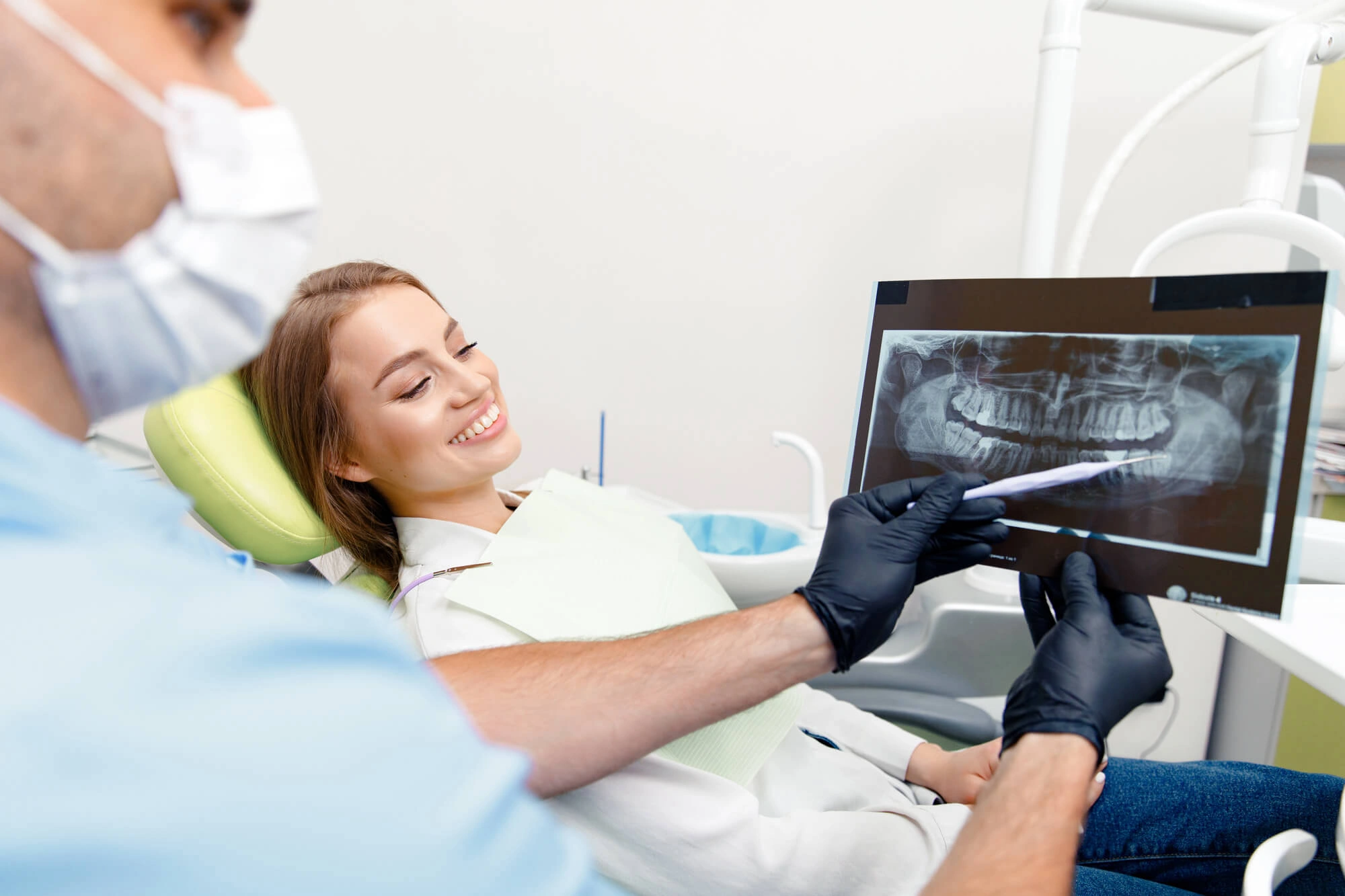
Your dentist will examine your mouth and may use dental imaging to evaluate the bone and surrounding structures. If the area needs additional treatment before implant placement, that should be addressed as part of the overall plan.
During implant surgery, the implant is placed into the jawbone. Healing then allows it to integrate with the surrounding bone before the final restoration is attached.
Sedation may be part of the plan
Some patients are concerned about the surgical portion of treatment. Depending on the procedure and your health history, sedation may be discussed to help you remain comfortable and relaxed.
Before sedation, ask what preparation is required, whether you need someone to drive you home, and how long you should plan to rest afterward. Your dental team can explain what to expect and what activities to avoid during recovery.
Questions to Ask Before Replacing a Missing Tooth
A consultation should give you more than a recommendation. It should help you understand why that recommendation fits your situation.
Ask whether your neighboring teeth have shifted, whether you have experienced bone loss, whether your gums are healthy, and which replacement options are available. If you are considering an implant, ask whether additional procedures may be needed and what healing involves.
If dental anxiety is a concern, ask about sedation options before treatment is scheduled.
FAQ About Dental Implants in Lexington, KY
Can I leave a missing tooth alone if it does not hurt?
The absence of pain does not mean nothing is changing. Tooth movement, bone loss, bite changes, and cleaning difficulties can occur without obvious symptoms.
Is it too late to get a dental implant after years of missing a tooth?
Not necessarily. Your candidacy depends on your current oral health, bone availability, and other factors. Additional treatment may sometimes be needed before an implant can be placed.
Does every missing tooth need to be replaced with an implant?
No. Implants are one option among several. A bridge, denture, or another restoration may be appropriate depending on your circumstances.
Does getting an implant hurt?
The procedure is performed with anesthesia, and sedation may also be available. Some soreness can occur afterward, and your dental team will explain what to expect.
Are You Ready to Explore Dental Implants in Lexington, KY?
If you have been putting off a missing tooth, we can help you understand what options may be appropriate. At Georgetown Sedation Dentistry, we can evaluate your oral health, discuss tooth-replacement options, and answer questions about sedation and comfort. Contact our office to schedule a consultation and learn what your next step could look like.

150 Mt Vernon Dr, Georgetown, KY 40324 Suite 201
Monday 8 AM - 5 PM
Tuesday 8 AM - 5 PM
Wednesday CLOSED
Thursday 8 AM - 5 PM
Friday 8 AM - 5 PM
Saturday CLOSED
Sunday CLOSED

.svg)
.svg)
.svg)
.svg)
© 2024. Georgetown Sedation Dentistry | Privacy Policy | ADA Compliance
Website by: Digital Resource