
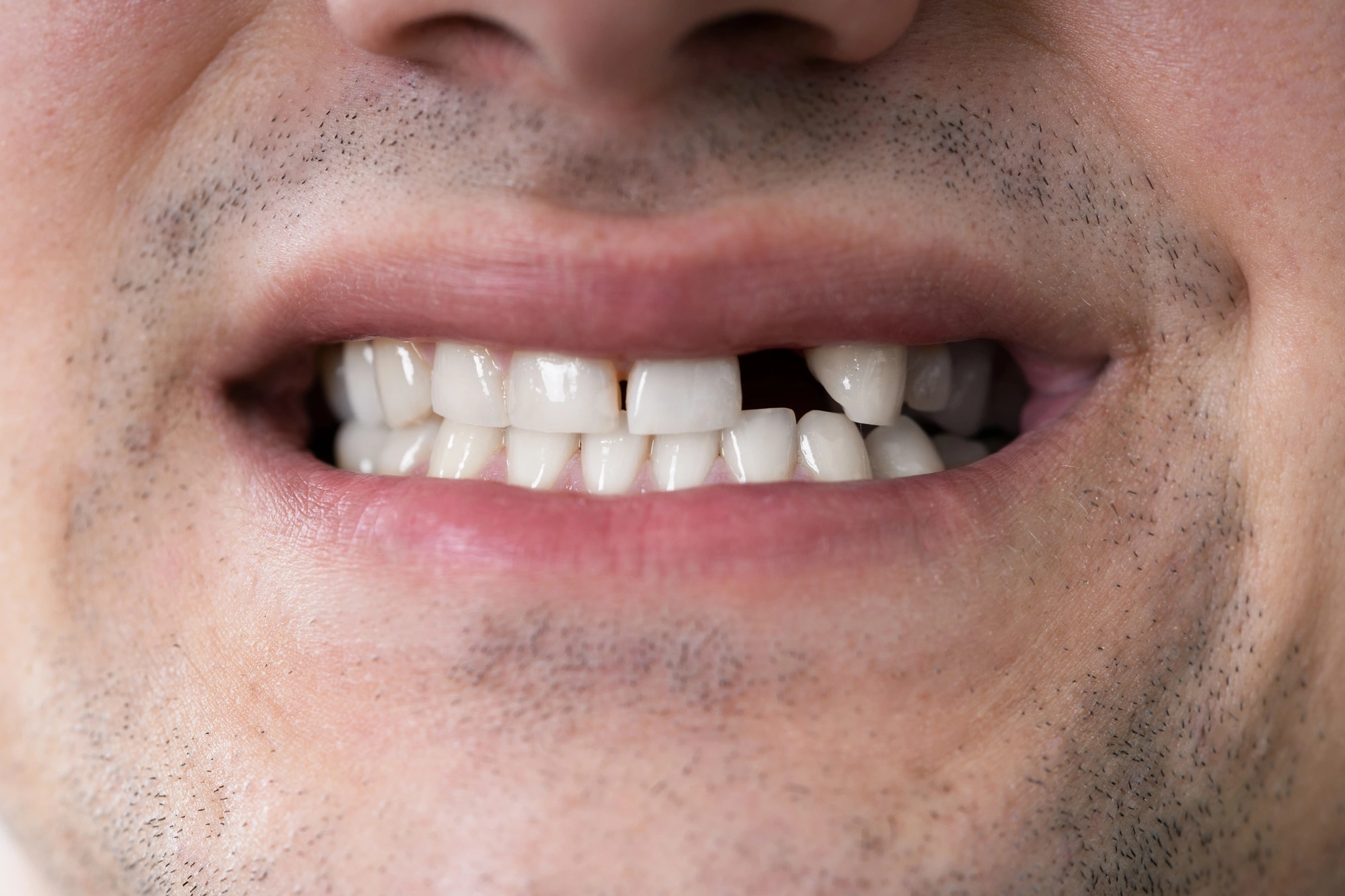
Tooth loss can feel like something you can deal with later. If it’s not causing immediate pain, it’s easy to push treatment down the road. Life gets busy, priorities shift, and replacing a missing tooth doesn’t always feel urgent.
But here’s the reality—waiting too long can create a chain reaction of oral health issues that become more complex over time. If you’ve been considering dental implants in Lexington, KY, understanding what happens when treatment is delayed can help you make a more informed decision.
Why Replacing Missing Teeth Matters More Than You Think
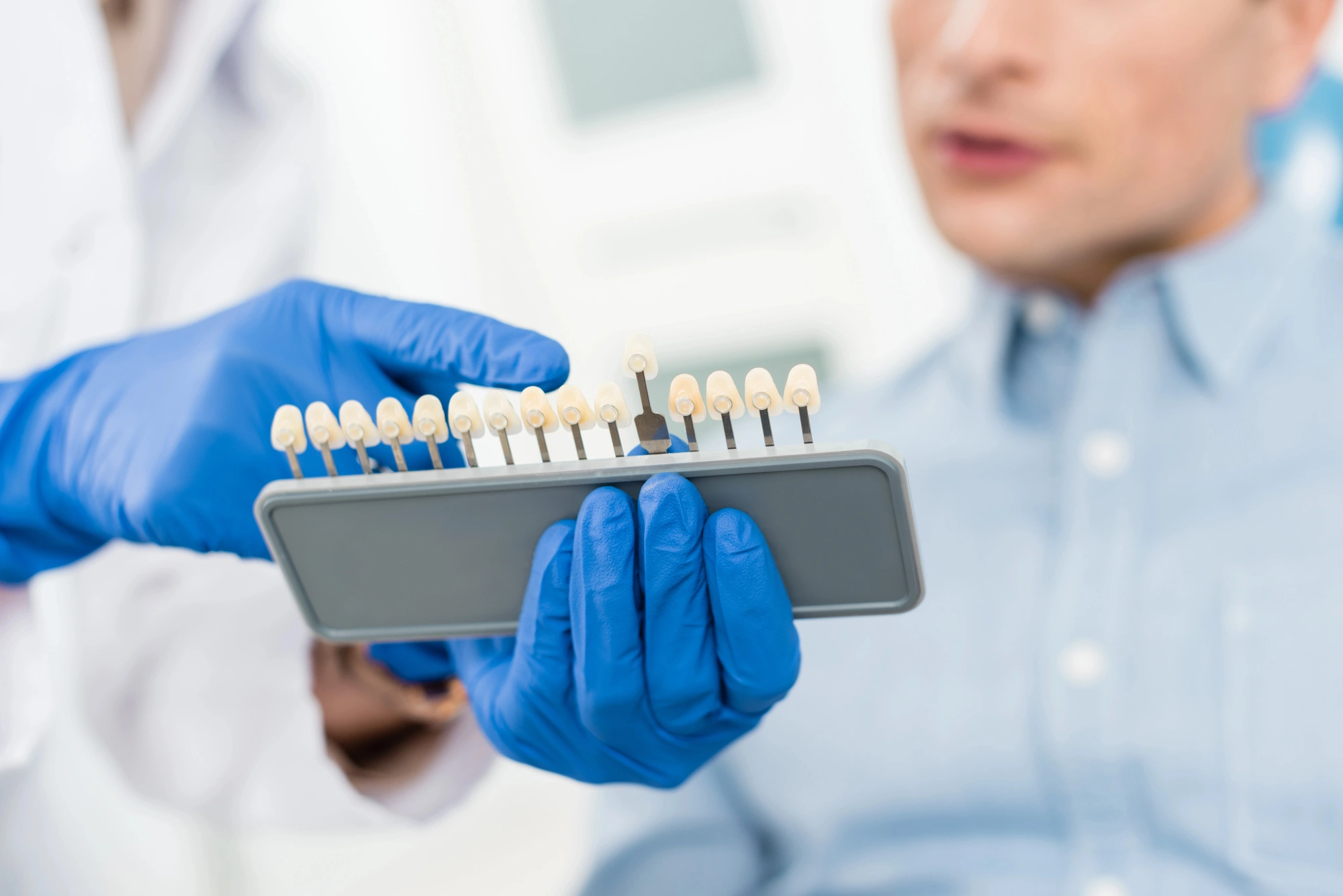
A missing tooth isn’t just a cosmetic concern. Your teeth work together as a system. When one is gone, the balance shifts.
Each tooth helps maintain spacing, supports your bite, and stimulates the jawbone beneath it. Without that support, surrounding teeth and bone begin to change in ways that aren’t always immediately noticeable.
Over time, these changes can affect how you eat, speak, and even how your face looks. What starts as a single missing tooth can lead to more widespread dental issues if left unaddressed.
Bone Loss Begins Sooner Than Expected
One of the most significant consequences of delaying treatment is jawbone loss.
Your tooth roots play a critical role in keeping the jawbone active. When a tooth is missing, that stimulation disappears. The body begins to resorb the bone in that area because it no longer serves the same function.
This process can begin within months of tooth loss.
As bone density decreases:
- The jaw weakens
- Facial structure can subtly change
- Future implant placement may become more complicated
Dental implants are unique because they replace the root, helping preserve bone. Waiting too long may mean you’ll need bone grafting before implants can even be placed.
Shifting Teeth and Bite Misalignment
Your teeth naturally stay in position by supporting one another. When a gap is left open, nearby teeth begin to drift.
This movement might seem minor at first, but it can lead to:
- Crooked or crowded teeth
- Bite misalignment (malocclusion)
- Increased wear on certain teeth
As your bite shifts, everyday functions like chewing can become less efficient. You may also notice discomfort in your jaw over time.
Correcting these changes often requires additional treatments like orthodontics or bite adjustments—procedures that could have been avoided with earlier intervention.
Increased Risk of Gum Disease and Decay
Gaps in your smile can make it harder to maintain proper oral hygiene. Food particles and bacteria can accumulate in hard-to-clean areas.
At the same time, shifting teeth may create tight or uneven spaces where plaque builds up more easily.
This increases your risk of:
- Gum inflammation
- Tooth decay in surrounding teeth
Left untreated, gum disease can lead to further tooth loss, creating a cycle that becomes harder to break.
Changes in Facial Appearance
Many people don’t realize how much their teeth support their facial structure.
When teeth are missing and bone loss progresses, the lower portion of the face can begin to collapse inward. This may lead to:
- A sunken or aged appearance
- Thinning lips
- More pronounced wrinkles around the mouth
These changes happen gradually, which is why they often go unnoticed at first. Over time, though, they can significantly impact overall appearance and confidence.
Dental implants help maintain the natural shape of your face by supporting both the bone and surrounding tissues.
Difficulty Eating and Speaking
Even a single missing tooth can affect how you chew your food. You may find yourself favoring one side of your mouth or avoiding certain foods altogether.
As more time passes, these adjustments can lead to:
- Uneven wear on remaining teeth
- Digestive issues from poorly chewed food
- Frustration with meals you once enjoyed
Speech can also be affected, especially if missing teeth are in visible or functional areas. Certain sounds may become harder to pronounce clearly.
Replacing missing teeth restores balance, making daily activities feel natural again.
The Longer You Wait, the More Complex Treatment Becomes
One of the biggest misconceptions is that delaying treatment doesn’t change your options. In reality, it often does.
Early on, replacing a missing tooth with a dental implant is usually straightforward. Over time, however, additional procedures may be needed, such as:
- Bone grafting
- Sinus lifts
- Orthodontic treatment
- Gum therapy
These steps can increase both the time and cost involved in restoring your smile.
Addressing tooth loss sooner often leads to simpler, more predictable outcomes.
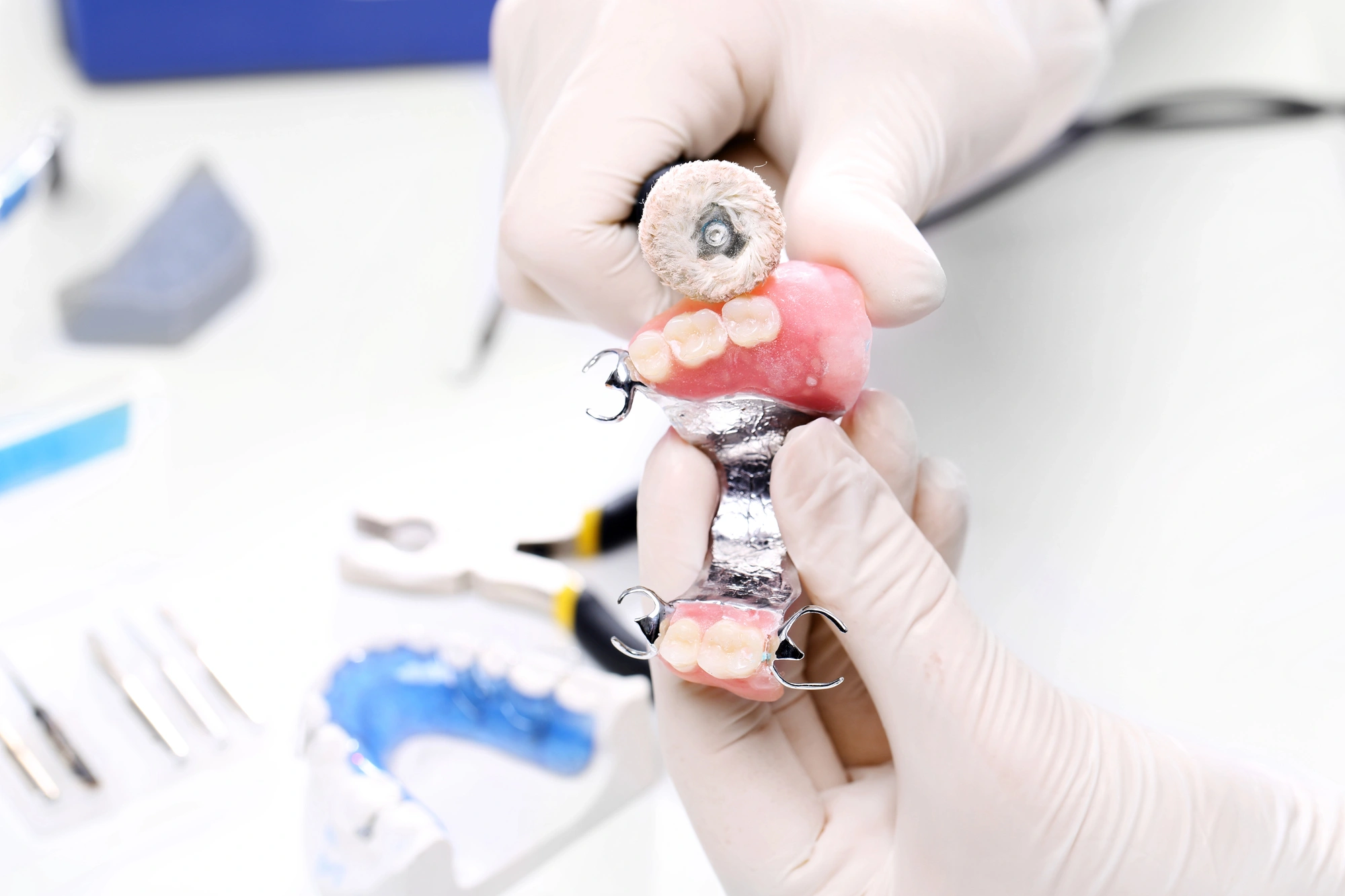
Emotional and Lifestyle Impact
Tooth loss doesn’t just affect your physical health—it can influence how you feel day to day.
Many people experience:
- Self-consciousness when smiling or speaking
- Avoidance of social situations
- Reduced confidence in professional settings
Even small gaps can have a noticeable impact on how you present yourself. Over time, this can affect both personal and professional interactions.
Restoring your smile isn’t just about function—it’s about feeling comfortable and confident again.
Why Dental Implants Are a Long-Term Solution
When it comes to replacing missing teeth, dental implants stand out for their ability to address both visible and underlying concerns.
Unlike traditional options, implants:
- Replace the tooth root as well as the crown
- Help preserve jawbone density
- Provide a stable, secure fit
- Blend naturally with surrounding teeth
They’re designed to function like natural teeth, allowing you to eat, speak, and smile without hesitation.
For patients exploring dental implants in Lexington, KY, this treatment offers a dependable, long-term approach to restoring oral health.
Is It Ever “Too Late” for Dental Implants?
While delaying treatment can make the process more involved, it’s rarely too late to explore your options.
Advancements in dental technology and techniques mean that many patients—even those with significant bone loss—can still become candidates for implants with the right preparation.
The key is getting evaluated sooner rather than later. A personalized consultation will help determine what’s possible and what steps may be needed to move forward.
What to Expect When You Take the Next Step
If you’ve been putting off treatment, the first step is a comprehensive consultation. This typically includes imaging, a review of your oral health, and a discussion of your goals.
From there, your dentist will create a customized plan tailored to your needs. Whether your case is simple or requires additional preparation, having a clear roadmap can make the process feel far more manageable.
Taking action now can help prevent further complications and set you on the path toward a healthier, more stable smile.

Get Dental Implants in Lexington, KY, and Don’t Let Time Complicate Your Smile
Waiting to replace missing teeth may seem harmless at first, but the effects can build quickly beneath the surface. Bone loss, shifting teeth, and changes in function can turn a simple solution into a more complex process.
If you’re considering dental implants in Lexington, KY, now is the time to explore your options.
Georgetown Sedation Dentistry offers personalized care, advanced technology, and a patient-focused approach to help you restore your smile with confidence. Schedule your consultation today and take the first step toward a healthier, more complete smile.

150 Mt Vernon Dr, Georgetown, KY 40324 Suite 201
Monday 8 AM - 5 PM
Tuesday 8 AM - 5 PM
Wednesday CLOSED
Thursday 8 AM - 5 PM
Friday 8 AM - 5 PM
Saturday CLOSED
Sunday CLOSED

.svg)
.svg)
.svg)
.svg)
© 2024. Georgetown Sedation Dentistry | Privacy Policy | ADA Compliance
Website by: Digital Resource