

Many people considering sedation dentistry in Georgetown feel both curious and nervous about what to expect. While some assume sedation means being completely unconscious, the reality is often quite different.
Sedation dentistry is designed to help patients feel deeply relaxed and comfortable during treatment. In many cases, patients remain responsive but experience far less anxiety and stress throughout the procedure. For many people, this sense of calm is one of the most surprising aspects of the experience.

The Most Common Misconceptions About Sedation Dentistry
“You’re Completely Unconscious” — Not Always True
One of the biggest misunderstandings is assuming sedation means full unconsciousness. In reality, many forms of sedation allow you to remain awake but in a calm, dreamlike state. You may hear voices or feel movement, but without the stress or panic that typically comes with dental procedures.
“You Won’t Remember Anything at All”
Memory loss is not guaranteed. Some patients remember bits and pieces, while others recall very little. The experience varies depending on the type and level of sedation used, as well as individual response.
“Sedation Is Only for Major Procedures”
Sedation dentistry is often associated with oral surgery or complex treatment, but it can also be used for routine care when anxiety, sensitivity, or fear makes treatment difficult. It’s not defined by the procedure—it’s defined by the patient’s comfort needs.
What Patients Are Usually Surprised By During the Appointment
How Quickly Sedation Feels “Normal”
Many patients expect sedation to feel dramatic or disorienting. Instead, it often feels gradual—like tension slowly melting away. Within minutes, people typically describe feeling calm, detached from anxiety, and surprisingly at ease.
You Are Still Monitored the Entire Time
Even while you are deeply relaxed, your body is closely monitored throughout the appointment. This includes tracking vital signs and ensuring your comfort and safety at every stage. Patients are often reassured to learn how actively the dental team oversees their condition.
Time Feels Different Than Expected
One of the most frequently reported surprises is the perception of time. Procedures that might normally feel long or uncomfortable often seem to pass very quickly, with little awareness of duration or detail.
What Actually Happens Before Sedation Begins
Pre-Appointment Instructions Matter More Than People Think
Before sedation dentistry, patients are typically given specific instructions to follow. These may include dietary restrictions, medication guidance, and transportation planning. These steps are essential for safety and effectiveness.
The Consultation Conversation Is a Key Step
A thorough consultation helps determine which type of sedation is appropriate. This is when medical history, anxiety levels, and treatment needs are reviewed in detail to create a safe and personalized plan.
Why Honesty With Your Provider Is Critical
Full transparency about health conditions, medications, and past reactions is important. Sedation is highly safe when properly tailored, but accuracy in your medical information ensures the right approach is selected.
What to Expect While You Are Under Sedation
You Are Not “Asleep in the Traditional Sense” (Most Cases)
Depending on the sedation method used, you may not be fully unconscious. Instead, many patients experience a calm, detached awareness where anxiety no longer feels present or overwhelming.
The Dental Team Is Working Continuously and Carefully
While you remain relaxed, the dental team proceeds with treatment efficiently and with precision. Their focus is on completing care safely while maintaining constant awareness of your comfort.
No Awareness of Time or Procedure Stress
Even when some awareness remains, most patients report little to no emotional response to what is happening. The stress response that normally makes dental visits uncomfortable is significantly reduced or absent.
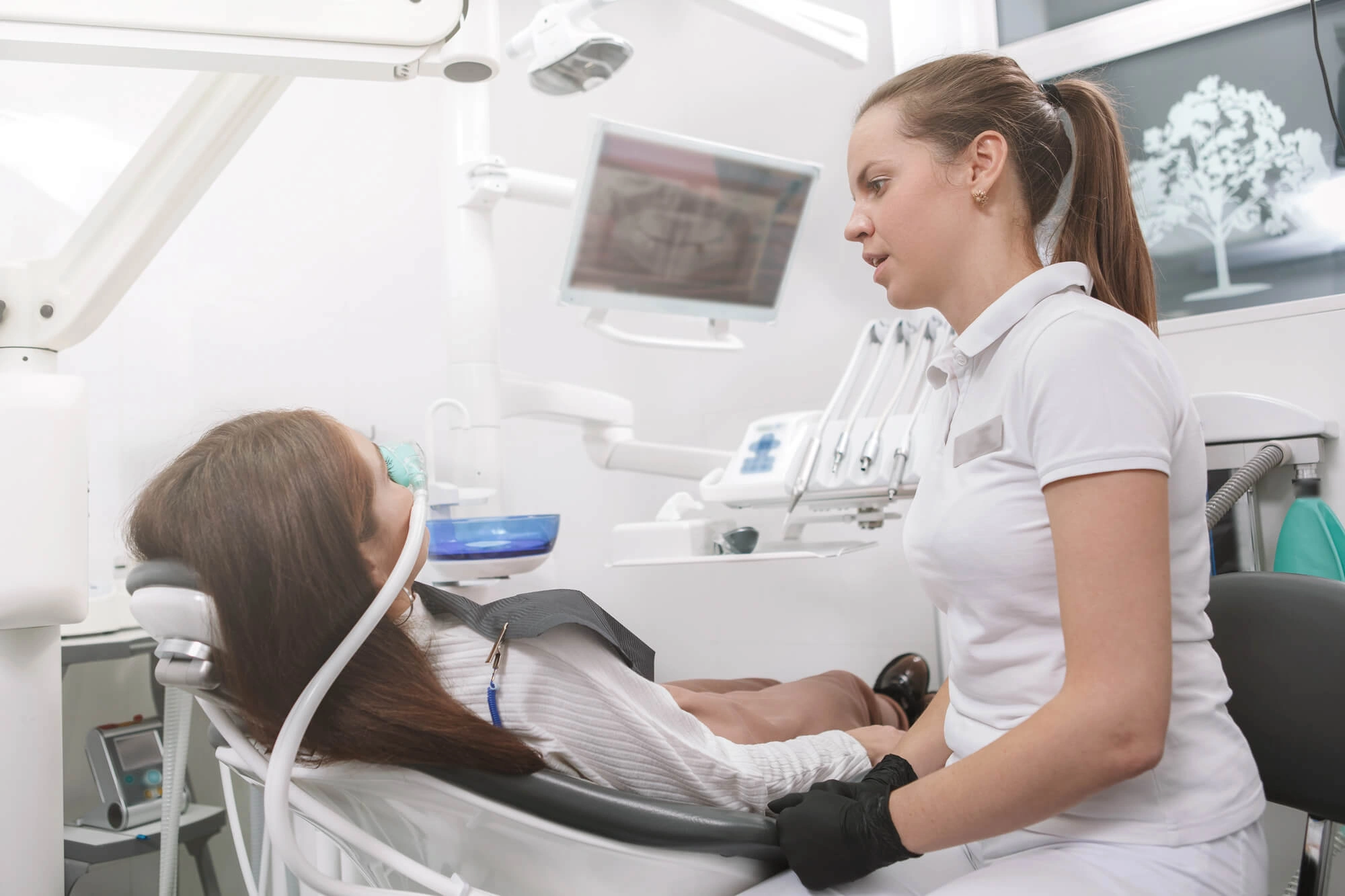
What Happens After Sedation Wears Off
Recovery Varies by Sedation Type
The recovery experience depends on the level of sedation used. Some patients feel normal within a short period, while others may feel groggy or slightly unsteady for a few hours afterward.
Why You Need a Responsible Adult
Because sedation can temporarily affect coordination and judgment, patients are not permitted to drive themselves home. Having a trusted adult present ensures safety after the procedure.
Common Post-Visit Sensations
After sedation, patients may experience mild drowsiness, a dry mouth, or a sense of relief that the procedure is complete. Most effects are temporary and gradually fade as the medication leaves the system.
Who Is a Good Candidate for Sedation Dentistry
Dental Anxiety or Fear
Patients who avoid dental care due to fear often benefit significantly from sedation options that reduce stress and emotional discomfort.
Complex or Lengthy Treatments
Procedures such as implants, extractions, or full mouth reconstruction may involve extended treatment time, making sedation helpful for comfort and endurance.
Strong Gag Reflex or Sensory Sensitivity
Some individuals struggle with sensitivity that makes routine dental care difficult. Sedation can help reduce these physical responses.
Difficulty Remaining Still for Long Periods
Patients who experience physical discomfort or difficulty sitting for extended periods may also benefit from sedation-supported care.
Frequently Asked Questions About Sedation Dentistry
Is sedation dentistry safe?
Yes. When properly administered and monitored by trained professionals, sedation dentistry is considered very safe. A thorough evaluation is always performed beforehand to ensure it is appropriate for the patient’s health profile.
Will I feel pain during sedation?
Sedation helps reduce anxiety and awareness, but a local anesthetic is typically still used to ensure the treatment area is fully numb. Most patients report little to no discomfort.
How long does sedation stay in your system?
The duration varies depending on the type of sedation used. Some effects wear off quickly, while others may take several hours to fully clear from the body.
Can I drive after sedation dentistry?
No. Patients are not permitted to drive after sedation and must arrange for transportation home.
Will I remember the procedure?
Memory varies. Some patients recall parts of their visit, while others remember very little. This depends on both the sedation type and individual response.

Talk to Our Team About Sedation Dentistry in Georgetown
When considering sedation dentistry in Georgetown, it’s important to choose a provider that prioritizes patient comfort, safety, and clear communication. Understanding your sedation options and receiving personalized care can make a significant difference in your experience.
At Georgetown Sedation Dentistry, we help patients feel more at ease by offering tailored sedation solutions in a supportive environment. If dental anxiety has been keeping you from getting the care you need, contact our team today. We’re happy to answer your questions and help you determine whether sedation dentistry is right for you.

150 Mt Vernon Dr, Georgetown, KY 40324 Suite 201
Monday 8 AM - 5 PM
Tuesday 8 AM - 5 PM
Wednesday CLOSED
Thursday 8 AM - 5 PM
Friday 8 AM - 5 PM
Saturday CLOSED
Sunday CLOSED

.svg)
.svg)
.svg)
.svg)
© 2024. Georgetown Sedation Dentistry | Privacy Policy | ADA Compliance
Website by: Digital Resource