

If the thought of sitting through a dental procedure makes you tense, you're not alone. Sedation dentistry in Georgetown can make treatment feel more manageable for people who experience dental anxiety, have a strong gag reflex, or simply want a more comfortable experience.
But what does sedation actually feel like?
The answer depends on the type of sedation used, the medication, your health, and the procedure you're having. Sedation does not necessarily mean being completely unconscious. In many cases, you'll remain awake enough to communicate while feeling deeply relaxed.
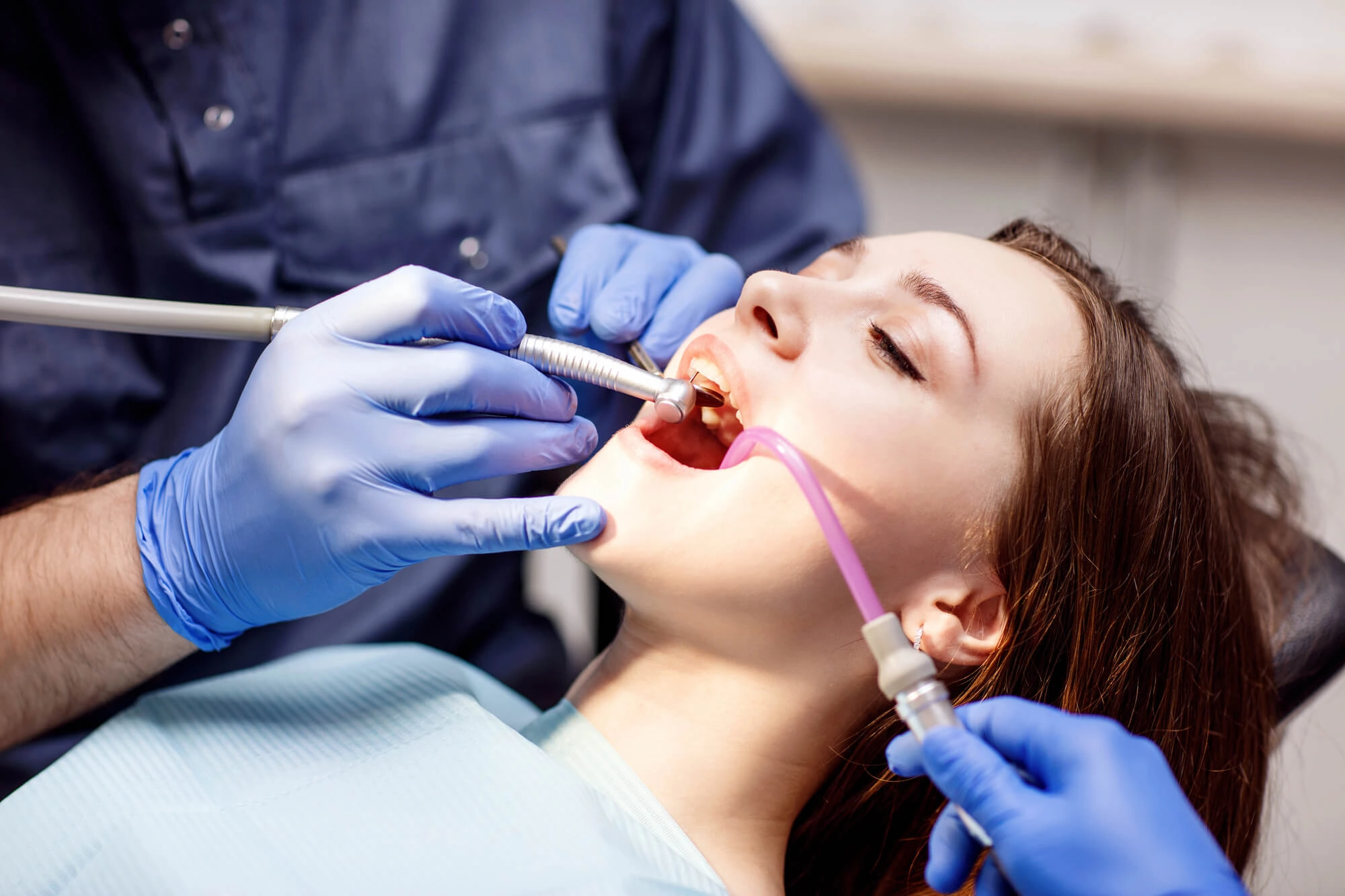
What Your Treatment Experience May Look Like From Start to Finish
Before Sedation: Getting Ready for Your Appointment
Sedation begins with preparation, not medication.
Your Dentist Reviews Your Health
Before recommending sedation, your dental team should review your medical history, medications, allergies, and other relevant health information. This helps determine whether sedation is appropriate and which approach may be safest.
Be honest about everything you're taking, including prescription medications, over-the-counter drugs, vitamins, and supplements. Information that seems unrelated to dentistry can affect how sedation is planned.
You May Receive Special Instructions
Depending on the type of sedation, you may receive instructions about eating and drinking before your appointment. You may also need someone to drive you home afterward.
Follow these instructions carefully. Preparation requirements can differ depending on the medication and the type of treatment you're receiving.
Anxiety May Start to Ease
For many patients, simply knowing what will happen can make the experience less intimidating.
Your dental team should explain the sedation plan and the procedure beforehand. If you have specific fears, tell them. Knowing your concerns allows the team to address them instead of leaving you to silently worry.
During Sedation: What Does It Feel Like?
The experience varies, but sedation is generally intended to help you feel calmer and more comfortable.
You May Feel Very Relaxed
Depending on the type of sedation, you may notice a feeling of calmness, drowsiness, or reduced awareness of your surroundings.
You may still be awake and able to respond to questions or instructions. The goal with many forms of dental sedation is relaxation rather than complete unconsciousness.
You May Still Notice Pressure or Movement
Sedation does not necessarily eliminate every physical sensation.
You may notice pressure, vibration, movement, or sounds during treatment. Local anesthesia is generally used to numb the area being treated and control pain.
This distinction is important. Sedation primarily helps with anxiety and relaxation, while local anesthesia helps prevent pain from the procedure.
Time May Feel Different
Some patients feel as though their appointment passed quickly. Others may remember parts of the procedure less clearly.
The effects depend on the medication and your individual response. Don't assume sedation will make you completely unaware of treatment unless your dental team specifically explains that this is what you should expect.
After Sedation: Coming Back to Normal
The appointment does not necessarily end when the dental work is finished.
You May Feel Sleepy
Depending on the type of sedation, you may feel drowsy or less alert afterward.
That's why your dentist may require someone to drive you home. Even if you feel fine, your judgment, coordination, or reaction time may not have fully returned to normal.
You May Remember Little About the Appointment
Some forms of sedation can affect memory. You may remember the beginning or end of your appointment but have limited memory of what happened during treatment.
This can be appealing to people who feel anxious about dental procedures. However, the degree of memory loss varies from person to person and depends on the sedation method.
Follow Your Aftercare Instructions
Your dentist will explain what you should do after treatment. This may include instructions about eating, drinking, medications, driving, work, and physical activity.
Don't drive or make important decisions until your dental team says it's safe to resume those activities. Give yourself time to recover rather than planning a demanding schedule immediately afterward.

Is Sedation the Same as Being Asleep?
Not necessarily.
This is one of the most common misconceptions about sedation dentistry. Some forms can leave you awake but deeply relaxed. Others may make you very drowsy.
The specific experience depends on the sedation method, dosage, procedure, and your individual response.
Your dentist should explain what level of awareness to expect before treatment. Asking questions beforehand can help you feel more prepared and prevent surprises during your appointment.
Who Might Benefit From Sedation Dentistry?
Sedation may be considered for patients who:
- Experience significant dental anxiety
- Have difficulty sitting still for treatment
- Have a strong gag reflex
- Need extensive or lengthy dental work
- Have had uncomfortable dental experiences
- Feel overwhelmed by dental sights, sounds, or sensations
However, sedation isn't automatically appropriate for everyone. Your dentist needs to consider your medical history, medications, procedure, and overall health before recommending it.
What Can You Do to Make the Experience Easier?
Communication can make a surprisingly big difference.
Tell your dental team what makes you uncomfortable. You can ask how the sedation will be administered, how awake you'll be, what sensations you might notice, and what you'll need to do afterward.
Don't be embarrassed to say you're nervous. Dental anxiety is common, and discussing it beforehand allows your dental team to make your treatment experience more comfortable.
Frequently Asked Questions
Will I be completely unconscious during sedation?
Not necessarily. Many sedation techniques leave you conscious and able to respond while producing significant relaxation or drowsiness.
Will sedation prevent me from feeling pain?
Sedation primarily helps you relax. Local anesthesia is generally used to numb the treatment area and control pain.
Can I drive myself home afterward?
Depending on the sedation used, you may need someone to drive you home. Always follow your dentist's specific instructions.
Will I remember my dental appointment?
You may remember some or all of the appointment. Certain sedation methods can reduce memory of the procedure, but responses vary.
Is sedation safe for everyone?
Sedation can be safe when appropriately planned and monitored, but it isn't suitable for every patient. Your dentist should review your health history and medications before recommending it.

Considering Sedation Dentistry in Georgetown?
At Georgetown Sedation Dentistry, we understand that knowing what to expect can make dental treatment feel less overwhelming. If you're considering sedation dentistry in Georgetown, we're happy to discuss your concerns, explain available sedation options, and help you understand what your appointment may feel like from beginning to end. Contact us to learn more or schedule a consultation.

150 Mt Vernon Dr, Georgetown, KY 40324 Suite 201
Monday 8 AM - 5 PM
Tuesday 8 AM - 5 PM
Wednesday CLOSED
Thursday 8 AM - 5 PM
Friday 8 AM - 5 PM
Saturday CLOSED
Sunday CLOSED

.svg)
.svg)
.svg)
.svg)
© 2024. Georgetown Sedation Dentistry | Privacy Policy | ADA Compliance
Website by: Digital Resource