

Patients considering same-day dentures in Lexington, KY, often wonder what life is really like after leaving the dental office. While receiving a new smile in one visit is exciting, it's important to remember that your mouth needs time to heal and adjust. The first week often brings temporary soreness, changes in speech, and a learning curve when eating and caring for your dentures.
These experiences are a normal part of recovery and don't necessarily mean something is wrong. Understanding what to expect each day can help you feel more confident, reduce unnecessary worry, and know when it's appropriate to contact your dental team.
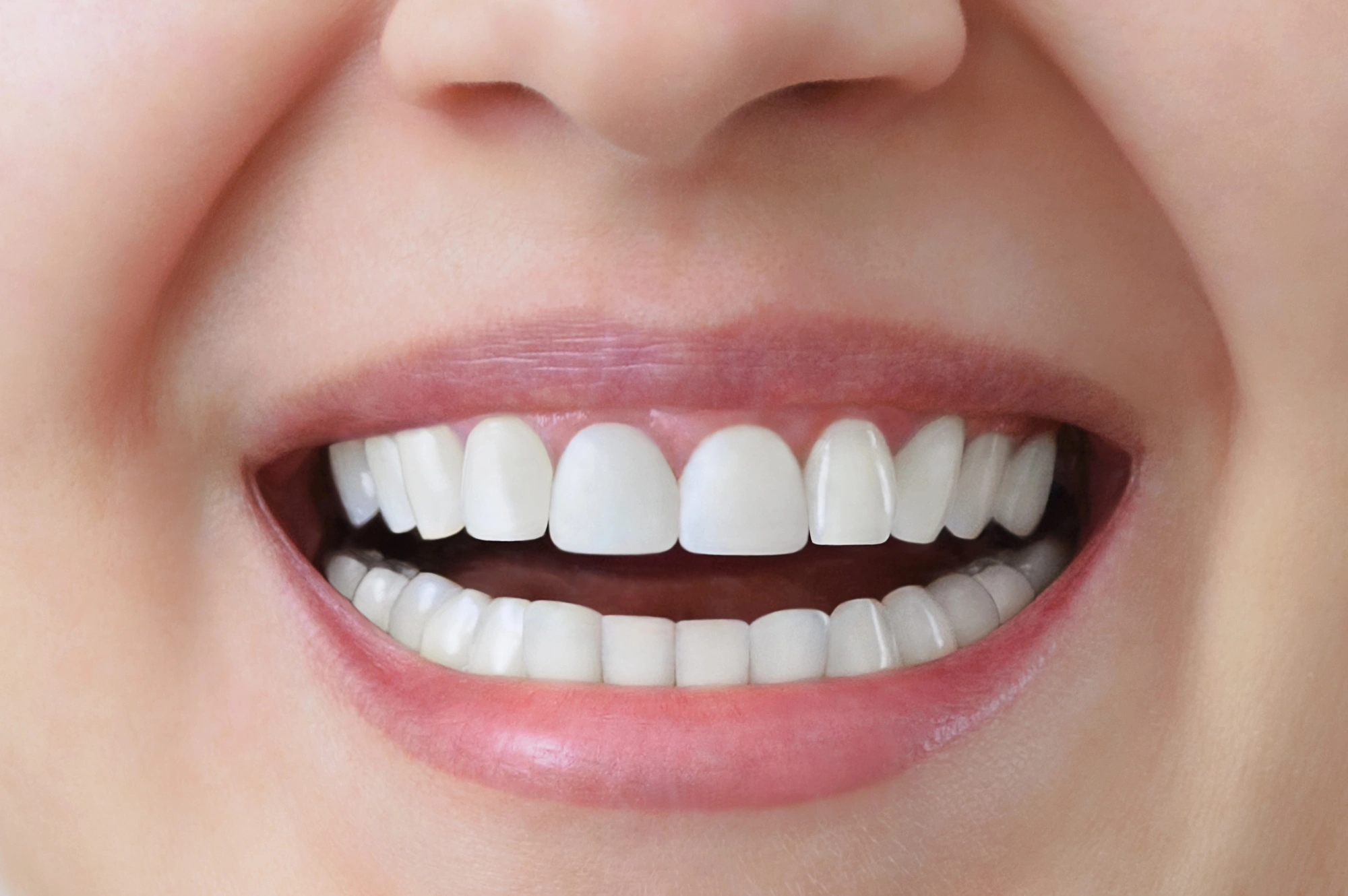
A Day-by-Day Guide to Your First Week With Same-Day Dentures
Day 1 — Leaving the Office With Your New Smile
Your mouth may still feel numb if local anesthesia was used, and you may feel sleepy if you received sedation. Once the numbness wears off, mild soreness, pressure, or swelling is common, especially if teeth were extracted.
Follow your post-operative instructions carefully, avoid disturbing the surgical sites, and stick to soft foods if recommended. Resting during the first day gives your body the best opportunity to begin healing.
Day 2 — Swelling and Tenderness Peak
For many patients, swelling and tenderness become more noticeable during the second day. You may also notice that your dentures feel tighter as your gums respond to treatment.
Continue eating soft foods, stay hydrated, and follow your provider's recommendations for managing discomfort. Keeping your follow-up appointment schedule is just as important as caring for your dentures at home.
Day 3 — Beginning to Adjust
By the third day, many patients begin adapting to their dentures. Speaking may become easier, although certain words may still require practice. Eating also becomes more comfortable as you learn to chew evenly on both sides of your mouth.
Cleaning your dentures and maintaining good oral hygiene remain essential during this stage. Developing consistent habits early can make long-term care much easier.
Day 4–5 — Building Confidence
As healing continues, many patients notice gradual improvements in comfort and daily function. Speaking often feels more natural, and soft foods may become easier to manage.
Minor sore spots may still develop as your mouth adjusts. If discomfort persists or your dentures feel unstable, your provider may recommend a simple adjustment to improve the fit.
Remember that dentures are designed to fit your mouth as it heals, so small adjustments during follow-up visits are a normal part of the process.
Day 6–7 — Looking Ahead to Long-Term Success
By the end of the first week, many patients feel more confident wearing their dentures, although complete healing will continue beyond this point.
You may begin expanding your diet gradually as recommended by your provider while continuing to clean your dentures every day. If you experience significant pain, prolonged swelling, or difficulty wearing your dentures, contact your dental office for guidance rather than trying to adjust them yourself.
Successful denture wear is built on patience, consistent care, and regular follow-up appointments.
Common Misconceptions About Same-Day Dentures
"They Should Feel Perfect Immediately"
Even well-made dentures require an adjustment period. Your mouth needs time to heal, and your muscles need time to adapt to speaking and chewing with a new appliance.
"Soreness Means Something Went Wrong"
Mild soreness and pressure are common during the first week, particularly after extractions. However, worsening pain or persistent discomfort should be evaluated by your dentist.
"I Can Eat Normally Right Away"
Your diet should progress gradually as healing allows. Starting with softer foods helps reduce unnecessary pressure on healing tissues and allows you to become comfortable chewing with your dentures.
Before, During, and After Receiving Same-Day Dentures
Before Treatment
Before treatment, your provider evaluates your oral health, discusses whether extractions are needed, reviews sedation options, and develops a personalized treatment plan. Preparing your home with soft foods and understanding recovery instructions can make the first few days easier.
During Treatment
If extractions are required, they are completed before your dentures are placed. Your provider checks the fit, reviews comfort measures, and explains how to care for your dentures before you leave the office.
After Treatment
Healing continues well beyond the first week. Follow-up appointments allow your provider to monitor healing, make adjustments as your gums change, and answer any questions about daily denture care. Consistent cleaning and routine dental visits help protect your oral health and keep your dentures functioning comfortably.
Frequently Asked Questions About Same-Day Dentures
How long does it take to adjust to same-day dentures?
Most patients begin feeling more comfortable within the first few weeks, but full adjustment can take longer depending on healing, the number of extractions, and individual adaptation. Wearing your dentures as directed and attending follow-up visits can help the process go more smoothly.
Is it normal to have sore spots?
Yes. Mild sore spots are common as your gums heal and adapt to the dentures. If discomfort becomes severe or doesn't improve, your provider can make adjustments to improve the fit and relieve pressure.
When can I eat regular foods again?
Most patients start with soft foods and gradually add firmer foods as healing progresses. Your dentist will recommend when it's appropriate to expand your diet based on your recovery and comfort level.
Will my dentures need adjustments?
Yes. As your gums heal, their shape naturally changes, which may affect how your dentures fit. Follow-up adjustments are a routine part of treatment and help improve comfort, stability, and function.
How should I clean my dentures during the first week?
Follow your dentist's instructions for cleaning your dentures and caring for your mouth. Keeping your dentures and oral tissues clean helps reduce irritation, supports healing, and promotes better long-term oral health.

Talk to Our Team About Same-Day Dentures in Lexington, KY
At Georgetown Sedation Dentistry, we understand that adjusting to same-day dentures comes with questions, and we're here to help. Whether you'd like to learn more about the procedure, discuss sedation options, or better understand the recovery process, our team is ready to provide personalized guidance.
Contact us today to schedule a consultation and take the next step toward restoring your smile with confidence.

150 Mt Vernon Dr, Georgetown, KY 40324 Suite 201
Monday 8 AM - 5 PM
Tuesday 8 AM - 5 PM
Wednesday CLOSED
Thursday 8 AM - 5 PM
Friday 8 AM - 5 PM
Saturday CLOSED
Sunday CLOSED

.svg)
.svg)
.svg)
.svg)
© 2024. Georgetown Sedation Dentistry | Privacy Policy | ADA Compliance
Website by: Digital Resource