
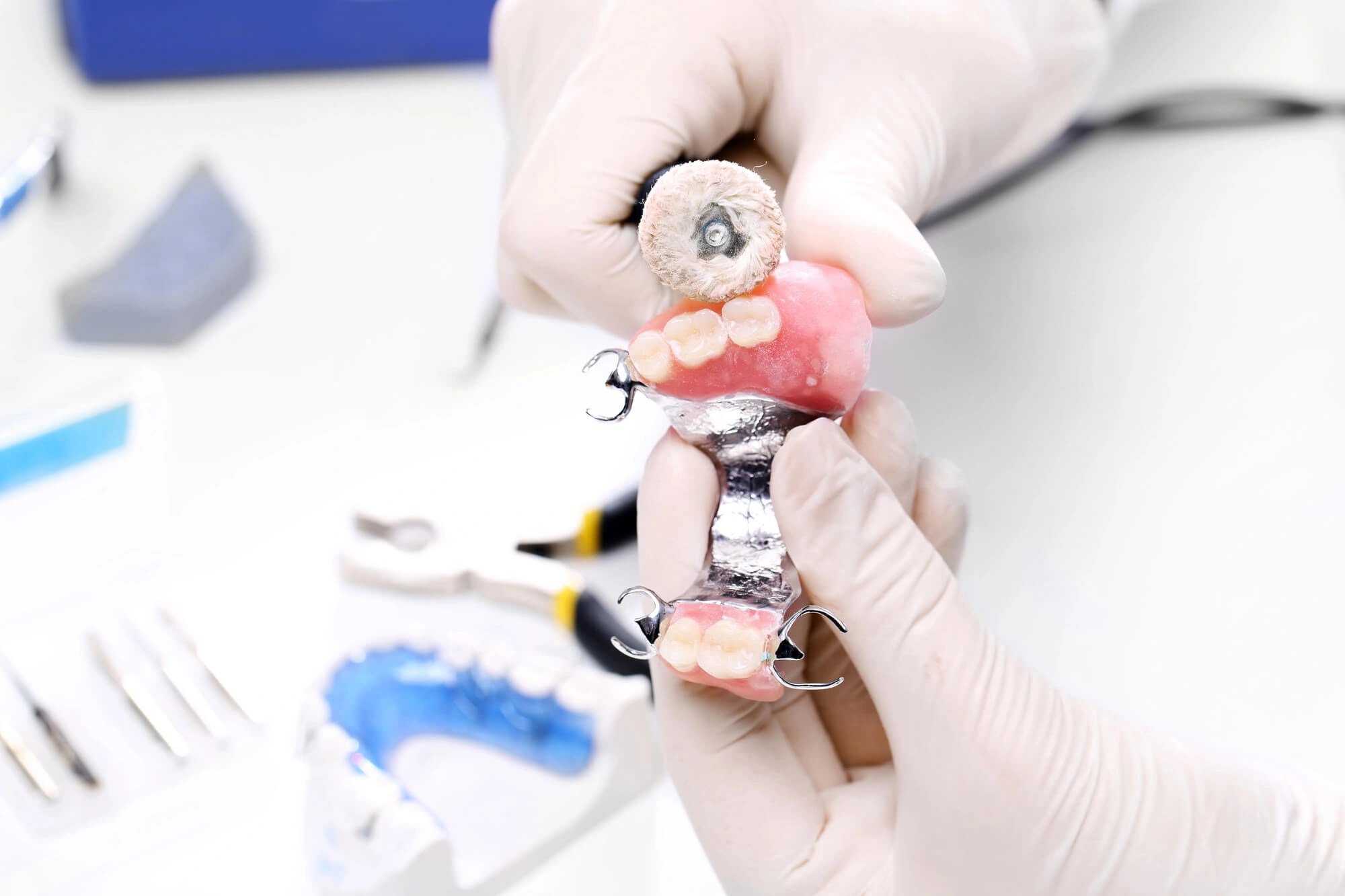
Investing in All-on-X dental implants is a life-changing decision. These advanced restorations provide a full, stable smile that looks natural and functions like real teeth. But like any dental prosthetic, they’re not indestructible.
If your prosthesis cracks, chips, or breaks, it can be alarming—especially if it affects your ability to eat, speak, or smile confidently. The good news is that in most cases, this situation is manageable with prompt, professional care.
First—Don’t Panic: Damage Is Rare, But Fixable
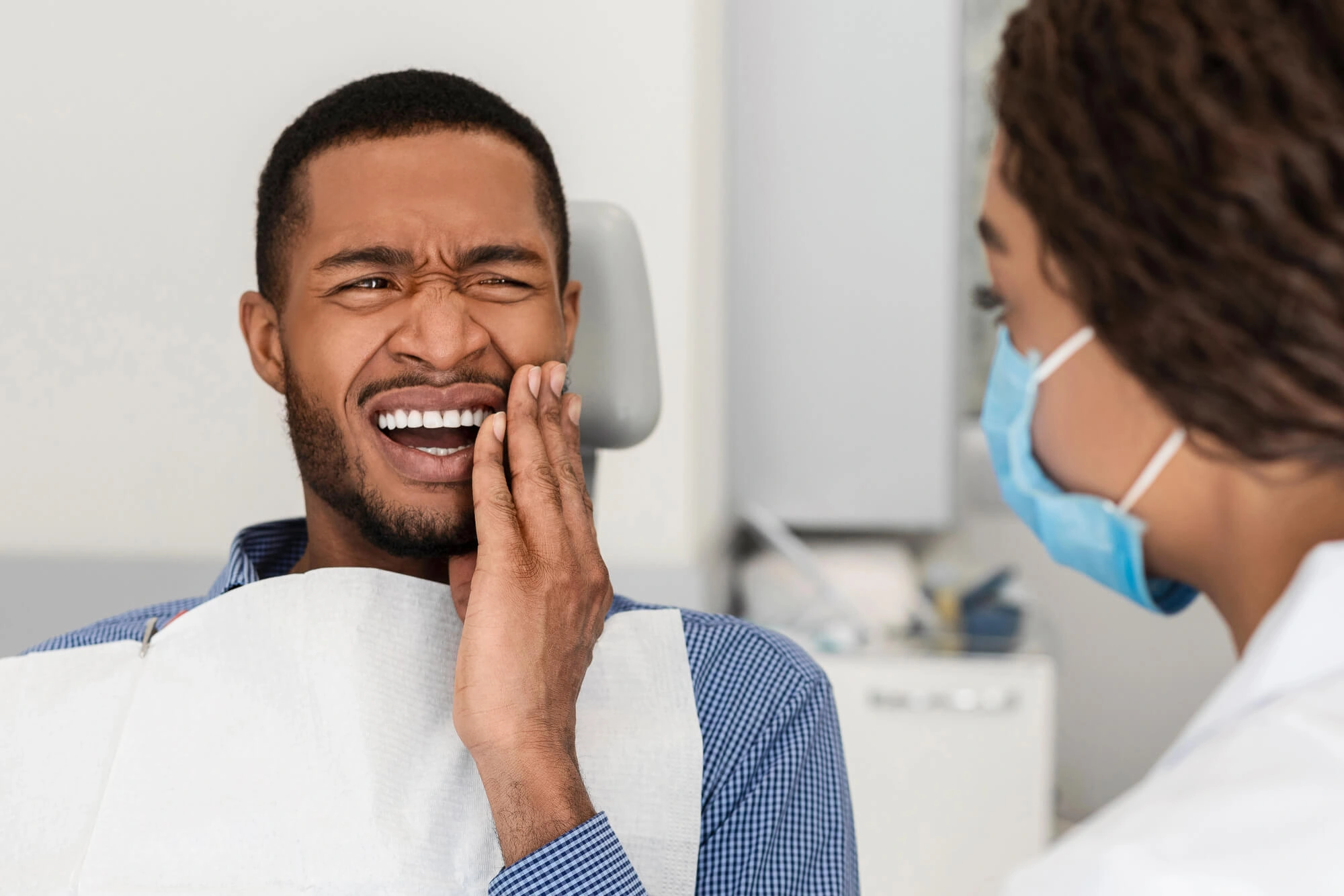
While All-on-X dental implants are designed for durability, the prosthetic teeth—typically made of acrylic, porcelain, or composite materials—can wear or become damaged over time.
A crack or break doesn’t necessarily mean your implants have failed. In many situations, the implant posts themselves remain fully stable, and only the visible prosthetic portion is affected. This means repairs or replacements can often be completed without restarting the entire process.
Acting quickly is the most important step to avoid further complications and preserve your restoration.
Common Causes of a Cracked or Broken Prosthesis
Understanding why damage happens can help you respond appropriately—and prevent future issues.
Normal Wear and Tear
Normal wear and tear is one of the most common reasons prosthetics develop cracks over time. Even though All-on-X restorations are built to withstand daily use, years of chewing and pressure can gradually weaken the material, leading to minor fractures or surface wear.
Even high-quality prosthetics gradually break down over years of use.
Excessive Bite Force or Grinding
Another major factor is excessive bite force, especially in patients who grind or clench their teeth. This constant pressure can create stress points in the prosthesis, eventually causing cracks, uneven wear, or even loosening of components.
Accidental Trauma
A sudden impact—such as a fall, sports injury, or biting down on something unexpectedly hard—can cause immediate damage.
Poor Fit or Alignment Issues
Accidental trauma can also play a role. A sudden impact—such as biting into something unexpectedly hard or experiencing a fall—can cause immediate and noticeable damage. In some cases, alignment issues may contribute as well. If your bite is slightly off, certain areas of the prosthesis may absorb more force than others, increasing the likelihood of fractures over time.
Immediate Steps to Take
If your prosthesis cracks or breaks, taking the right steps right away can make a big difference.
1. Stop Using the Affected Area
Avoid chewing on the damaged side or putting pressure on the prosthesis. Continuing to use it can:
- Worsen the crack
- Cause further breakage
- Damage underlying components
2. Inspect the Damage (Carefully)
Take note of:
- Where the crack or break is located
- Whether any pieces have come loose
- Any discomfort or sharp edges
If a piece has broken off, save it if possible—it may help your dentist with repairs.
3. Rinse and Keep the Area Clean
Use warm saltwater to gently rinse your mouth. This helps:
- Reduce bacteria
- Prevent irritation
- Keep the area clean until you’re seen
4. Contact Your Dentist Immediately
This is not a “wait and see” situation. Even small cracks can worsen quickly.
If you have All-on-X dental implants, your dental provider will need to:
- Evaluate the extent of the damage
- Determine whether repair or replacement is needed
- Ensure the implants themselves are still stable
Prompt care can often prevent more extensive (and costly) treatment.
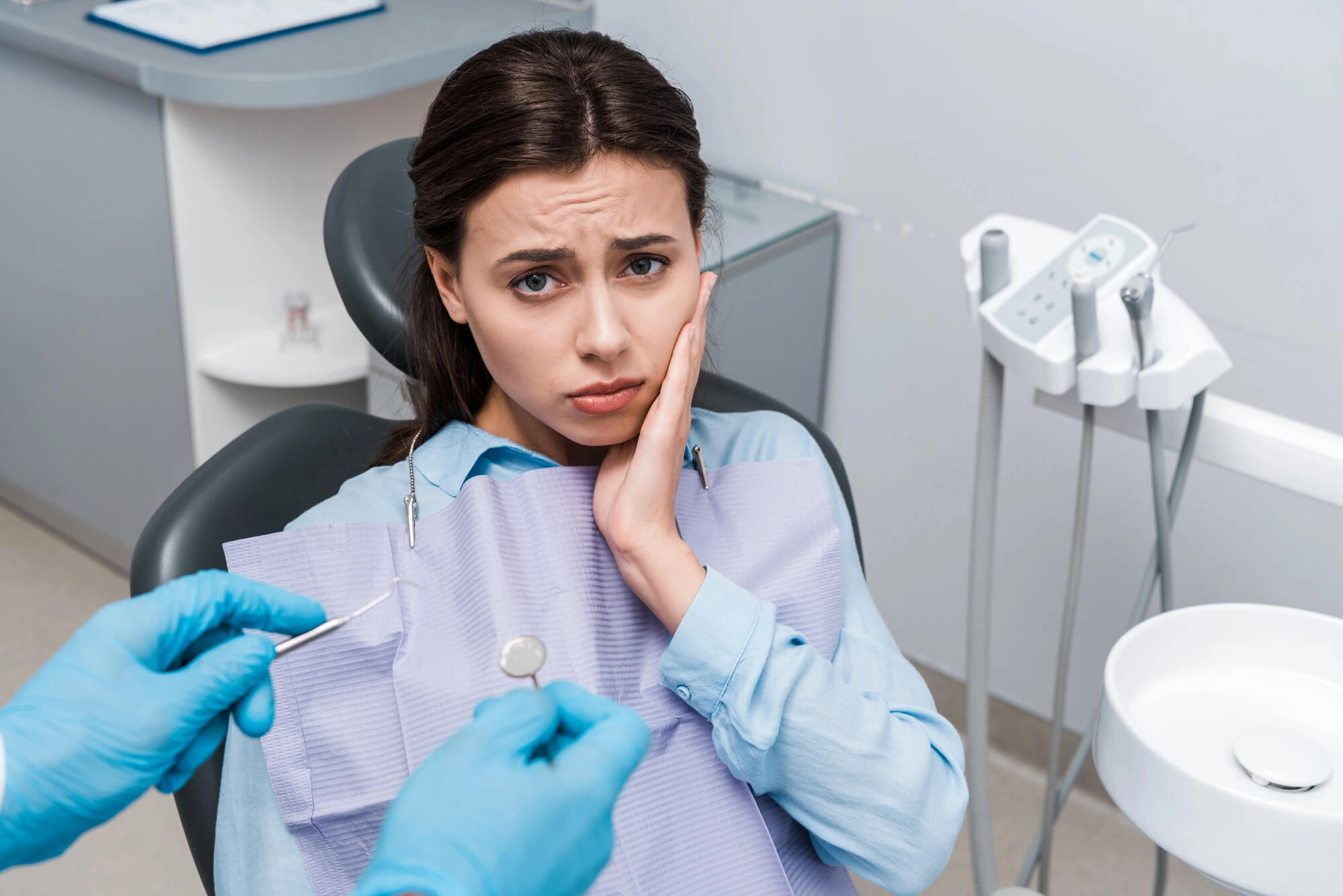
Is This a Dental Emergency?
In some cases, yes.
Seek urgent care if you experience:
- Significant pain or swelling
- A completely broken or detached prosthesis
- Sharp edges causing cuts or irritation
- Difficulty eating or speaking
Even if it doesn’t feel like an emergency, it’s always best to have it assessed as soon as possible.
Repair vs. Replacement: What to Expect
The treatment approach depends on the severity of the damage.
Minor Cracks or Chips
If the damage is small, your dentist may be able to:
- Smooth rough edges
- Repair the material
- Reinforce the prosthesis
These fixes are often quick and minimally invasive.
Moderate Damage
For larger cracks or structural issues:
- The prosthesis may need to be removed
- Repairs may be completed in a lab
- A temporary solution may be provided
Severe Breakage
If the prosthesis is extensively damaged:
- A full replacement may be necessary
- New impressions or digital scans may be taken
- A new prosthetic arch will be fabricated
Importantly, this does not usually mean the implants themselves need to be replaced.
Will the Implants Be Affected?
In most cases, the implant posts remain intact.
However, your dentist will evaluate:
- Implant stability
- Bone support
- Connection points between the implant and prosthesis
If the damage was caused by excessive force or trauma, additional adjustments may be needed to protect your implants long-term.
Preventing Future Damage
Once your prosthesis is repaired or replaced, taking preventative steps can significantly extend its lifespan.
Wear a Nightguard (If Recommended)
If you grind or clench your teeth, a custom nightguard can:
- Reduce pressure on your prosthesis
- Prevent fractures
- Protect your investment
Avoid Hard or Sticky Foods
Be cautious with foods like:
- Ice
- Hard candies
- Nuts or bones
- Sticky caramels
These can place unnecessary stress on your restoration.
Maintain Regular Checkups
Routine visits allow your dentist to:
- Check for early signs of wear
- Adjust your bite if needed
- Ensure everything remains properly aligned
Practice Good Oral Hygiene
Even with implants, keeping your mouth clean is essential to:
- Prevent infection
- Protect surrounding tissues
- Maintain overall oral health
The Emotional Side: It’s Normal to Feel Concerned
A cracked or broken prosthesis can feel frustrating—especially after investing in All-on-X dental implants.
But it’s important to remember:
- These issues are typically fixable
- You’re not starting over
- Modern dentistry offers efficient solutions
With the right care, your smile can be restored quickly and effectively.
The Takeaway: Act Fast, Protect Your Smile
While All-on-X restorations are strong and reliable, damage can happen. The key is knowing how to respond. By stopping use, contacting your dentist promptly, and following professional guidance, you can prevent further complications and get back to normal as quickly as possible.
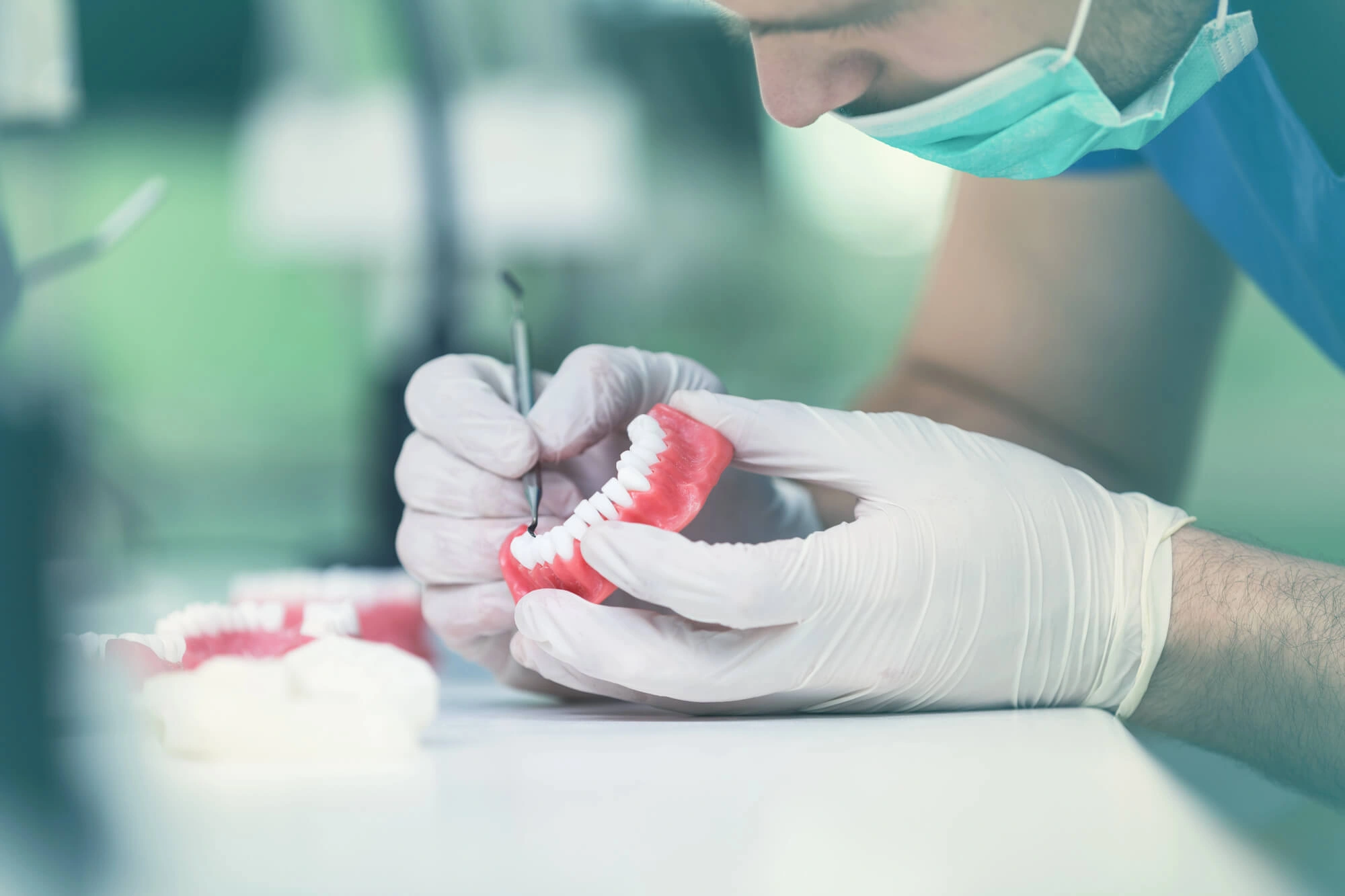
Need Help with a Damaged All-on-X Dental Implant?
If your restoration has cracked, chipped, or broken, don’t wait. Early intervention is the best way to protect both your implants and your smile. Our restorative experts at Georgetown Sedation Dentistry are here to help keep your oral health functional for years to come. Call us today if you have any questions!

150 Mt Vernon Dr, Georgetown, KY 40324 Suite 201
Monday 8 AM - 5 PM
Tuesday 8 AM - 5 PM
Wednesday CLOSED
Thursday 8 AM - 5 PM
Friday 8 AM - 5 PM
Saturday CLOSED
Sunday CLOSED

.svg)
.svg)
.svg)
.svg)
© 2024. Georgetown Sedation Dentistry | Privacy Policy | ADA Compliance
Website by: Digital Resource