

Dental emergencies rarely happen at a convenient time. A sudden toothache. A broken crown. A knocked-out tooth. Swelling that won’t go away.
In moments like these, panic is often the first reaction. But knowing exactly what to do can make the difference between saving and losing a tooth—and between prolonged pain and fast relief.
If you’re facing an urgent situation, you’ll want to take the right action quickly and understand how an emergency dentist in Georgetown, KY, can help restore comfort quickly.

What Qualifies as a Dental Emergency?
Not every dental issue requires immediate care, but some absolutely do. Knowing the difference can help you act quickly and confidently.
You should contact an emergency dentist right away if you experience any of the following symptoms:
- Severe or worsening tooth pain
- A knocked-out permanent tooth
- A cracked tooth causing pain
- Uncontrolled bleeding in the mouth
- Facial swelling
- Signs of infection (fever, pus, bad taste)
- Trauma from an accident or sports injury
On the other hand, issues like mild sensitivity or a small chip without pain may not require same-day care—though they should still be evaluated promptly.
When in doubt, it’s always better to call. A quick phone consultation can help determine the urgency of your situation and prevent unnecessary complications.
What Should You Do in a Dental Emergency?
Step 1: Stay Calm and Assess the Situation
It’s easier said than done, but staying calm is critical. Take a moment to determine the following factors:
- Where is the pain coming from?
- Is there visible bleeding?
- Is a tooth loose, chipped, or completely out?
- Is there swelling in your face or gums?
Not all dental issues are true emergencies—but severe pain, uncontrolled bleeding, or trauma should always be treated urgently. If you are experiencing difficulty breathing or swallowing, seek immediate medical care. Otherwise, your next call should be to an emergency dentist.
Step 2: Manage Immediate Pain at Home
While waiting to see an emergency dentist, there are safe steps you can take to manage discomfort:
- Rinse gently with warm salt water
- Apply a cold compress to reduce swelling
- Take over-the-counter pain relievers as directed
- Avoid chewing on the affected side
- Keep the area clean, but don’t aggressively brush it
Never place aspirin directly on the gums, as this can cause tissue irritation. These temporary measures are not solutions, but they can help reduce pain until professional care is available.
Step 3: If a Tooth Is Knocked Out, Act Quickly
Time is critical when a tooth is completely knocked out. Follow these steps immediately:
- Pick up the tooth by the crown (top), not the root
- Gently rinse it with water if dirty—do not scrub
- If possible, place it back in the socket
- If reinsertion isn’t possible, store it in milk or saliva
- Call an emergency dentist immediately
A knocked-out tooth has the highest chance of being saved if treated within 30–60 minutes. The faster you act, the better the outcome.
Step 4: For a Severe Toothache, Don’t Ignore It
Persistent or severe tooth pain is often a sign of the following concerns:
- Advanced decay
- Infection
- Cracked tooth
- Nerve damage
If pain is throbbing, radiating, or accompanied by swelling, it may indicate infection. Dental infections do not resolve on their own. Left untreated, they can spread and become serious.
An emergency dentist can:
- Identify the source of pain
- Drain infection if necessary
- Prescribe antibiotics when appropriate
- Perform a root canal or extraction if needed
Prompt care relieves pain and prevents complications.
Step 5: If You Break or Chip a Tooth
Chipped or fractured teeth vary in severity. If you break a tooth:
- Rinse your mouth with warm water
- Save any broken pieces
- Apply a cold compress
- Avoid chewing on that side
Even small fractures can expose sensitive inner layers of the tooth. An emergency dentist may restore the tooth with treatments such as dental bonding, a crown, a veneer, or more advanced treatment, depending on the damage. Quick treatment protects the tooth from further breakdown.
Step 6: Lost Crown or Filling? Protect the Area
Losing a crown or filling can leave the tooth sensitive and vulnerable. If this happens:
- Keep the area clean
- Avoid sticky or hard foods
- Use temporary dental cement (available at pharmacies) if needed
- Schedule an emergency appointment
A missing restoration may not feel urgent at first, but exposed tooth structure can quickly become painful. Replacing or repairing it promptly prevents further damage.
Step 7: Watch for Signs of Infection
Infection is one of the most serious dental emergencies. Warning signs include:
- Facial swelling
- Gum swelling
- Fever
- Pus or discharge
- Persistent bad taste
- Severe, worsening pain
If swelling begins to affect breathing or swallowing, seek immediate medical attention. Otherwise, contact an emergency dentist immediately.
Dental abscesses require professional treatment—not just pain management.

How an Emergency Dentist Relieves Pain
The goal is not just to “fix the tooth.” It’s to relieve pain quickly and safely.
Emergency treatment may include:
- Digital X-rays for fast diagnosis
- Local anesthesia to numb the area
- Drainage of infection
- Root canal therapy
- Tooth extraction when necessary
- Temporary restorations
- Prescription medication
Modern technology allows for precise diagnosis and efficient treatment, often in the same visit. The sooner you’re seen, the faster discomfort can be addressed.
What to Expect at Your Emergency Appointment
Many patients hesitate to call because they fear the appointment itself. In reality, emergency visits are focused on stabilization and relief.
During your visit, your dentist will:
- Evaluate symptoms
- Take necessary imaging
- Identify the cause
- Relieve immediate pain
- Discuss next steps
In many cases, pain relief happens that same day. Clear communication and a comfort-focused approach help reduce anxiety during urgent visits.
Preventing Future Dental Emergencies
While not all emergencies can be avoided, you can reduce your risk by taking the following preventive measures:
- Attending regular dental checkups
- Wearing a mouthguard during sports
- Avoiding chewing ice or hard objects
- Addressing small issues early
Preventive care is one of the most effective ways to avoid unexpected dental pain.
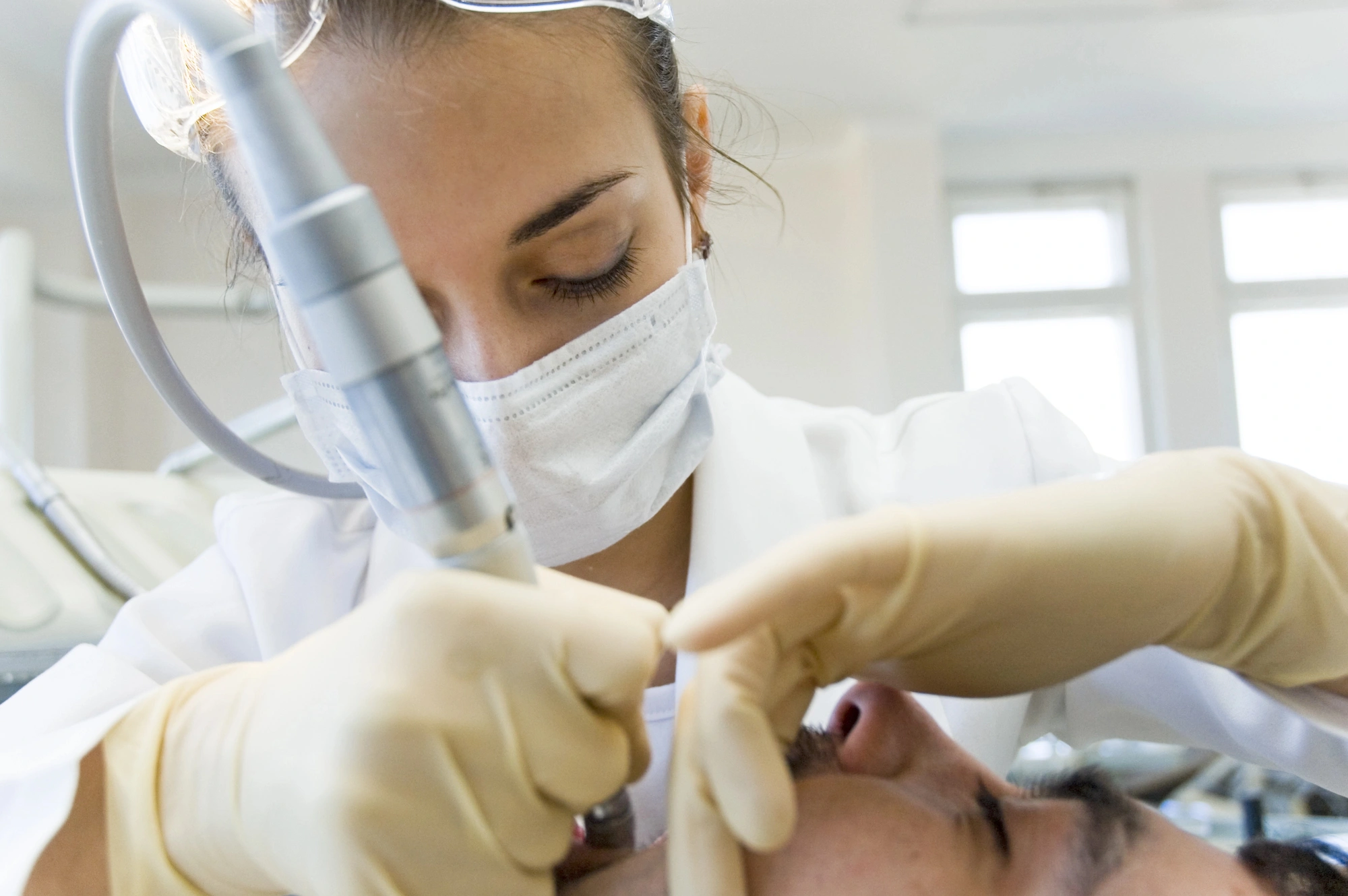
Don’t Wait When Pain Strikes. Visit an Emergency Dentist in Georgetown, KY, Today!
Dental emergencies are stressful—but you don’t have to navigate them alone. Knowing what to do in those first few minutes can protect your teeth and reduce complications. Acting quickly and contacting an emergency dentist in Georgetown, KY, ensures you receive the care needed to relieve pain and restore your smile safely.
If you’re experiencing sudden tooth pain, trauma, swelling, or a broken restoration, reach out to our team at Georgetown Sedation Dentistry immediately. Prompt treatment can prevent further damage and bring fast relief when you need it most.

150 Mt Vernon Dr, Georgetown, KY 40324 Suite 201
Monday 8 AM - 5 PM
Tuesday 8 AM - 5 PM
Wednesday CLOSED
Thursday 8 AM - 5 PM
Friday 8 AM - 5 PM
Saturday CLOSED
Sunday CLOSED

.svg)
.svg)
.svg)
.svg)
© 2024. Georgetown Sedation Dentistry | Privacy Policy | ADA Compliance
Website by: Digital Resource