
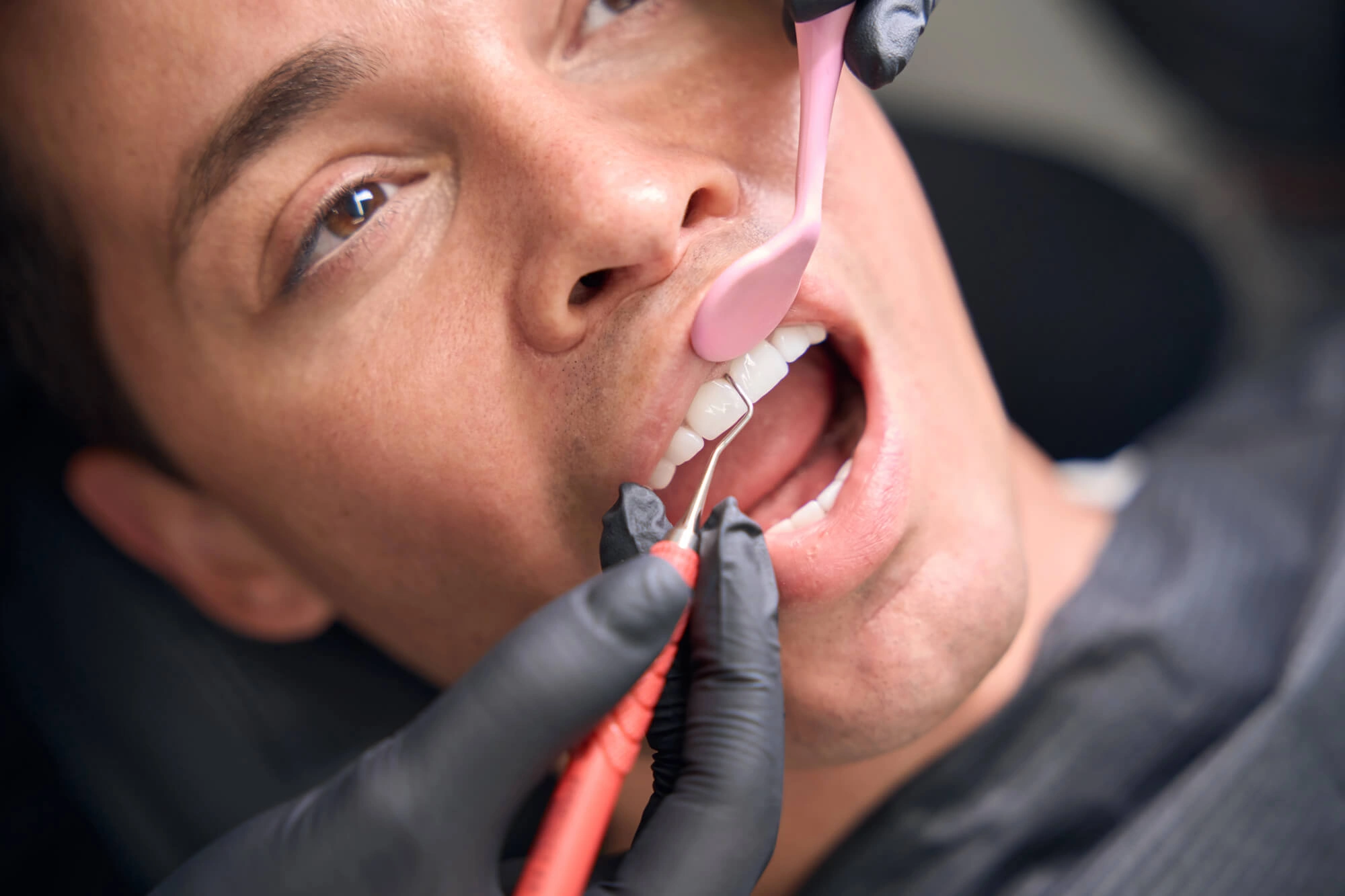
You can look at your teeth every day and still miss problems developing inside your mouth. A mirror can show visible changes, but it cannot provide the same level of detail as a professional dental examination. When you visit a dentist in Georgetown, KY, the evaluation may involve your teeth, gums, bite, oral tissues, and areas that are difficult or impossible to see at home.
Some dental problems also develop without obvious pain, which is why an examination can reveal concerns before they become more noticeable.
Problems Hidden Between Teeth
Some of the hardest areas to inspect at home are the spaces between your teeth.
A mirror has limits
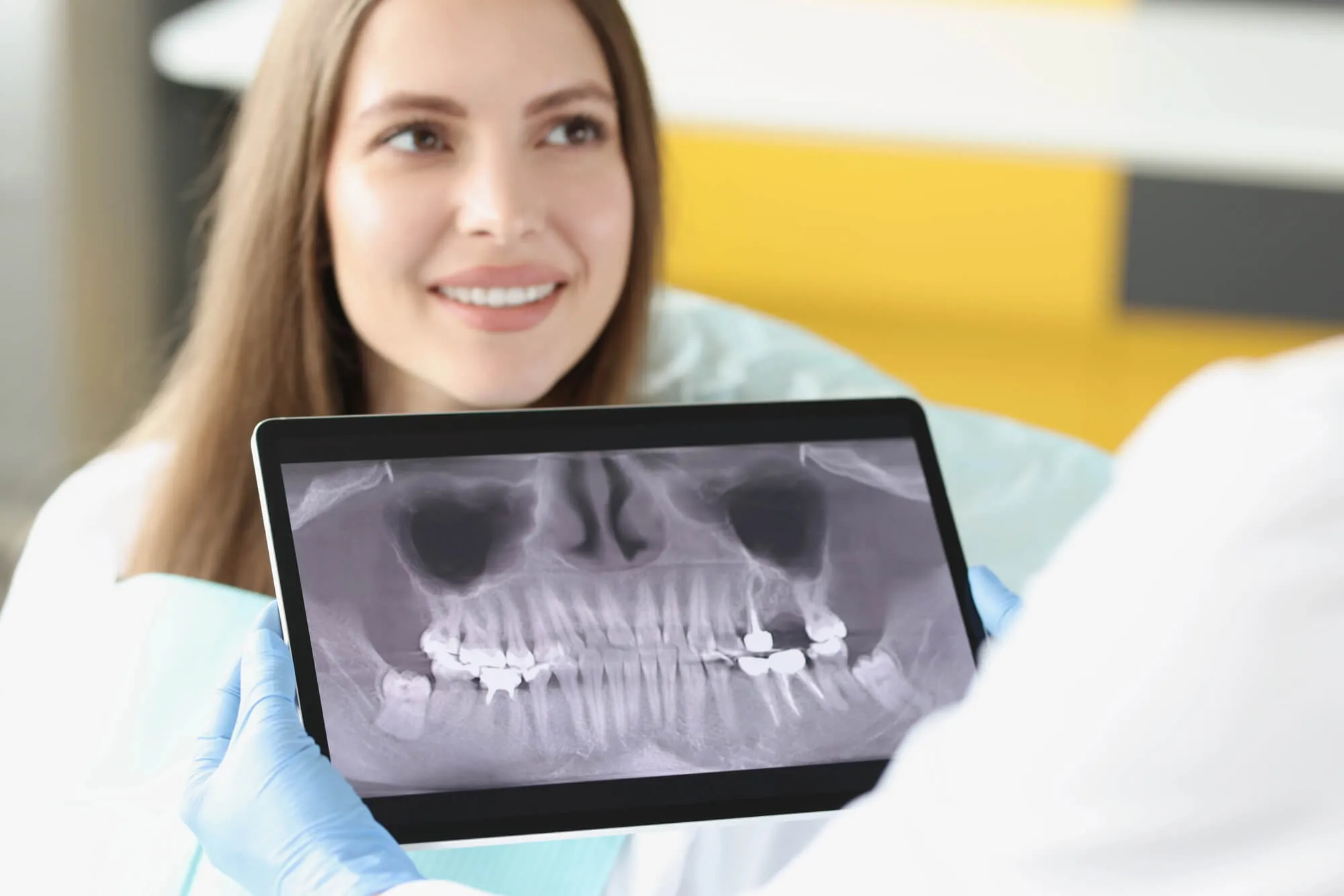
You may be able to see the front and chewing surfaces of your teeth, but areas between teeth can be difficult to inspect. Plaque buildup, cavities, and other changes may develop in places you cannot easily see.
Dental X-rays may help identify problems that are not visible during a visual examination, although they are recommended based on your individual needs rather than automatically at every visit
Early Gum Problems
Your gums can provide clues about your oral health that may be easy to overlook.
Your dentist checks more than whether your gums look pink
During an examination, your dental team can evaluate the condition of your gums and look for signs of inflammation or periodontal problems.
Bleeding during brushing or flossing, swelling, tenderness, or changes around the gumline can all be reasons to discuss your gum health with your dentist.
Cracks and Damage You May Not Notice
Not every damaged tooth looks dramatically different.
Tiny changes can be difficult to spot
A tooth can have structural damage that is difficult to see in a bathroom mirror. Your dentist can examine the tooth from different angles and assess how it responds.
This is particularly important if you have sensitivity when biting, discomfort when chewing, or a history of dental work on the tooth.
A professional evaluation can help determine whether the problem needs treatment or should be monitored.
Changes in Your Bite
Your teeth do not work independently. They interact whenever you chew, speak, or close your mouth.
Your dentist can evaluate how your teeth come together
Changes in tooth position, missing teeth, worn surfaces, or restorations can affect the way your bite feels. You may not notice a gradual change because your mouth can adapt over time.
Your dentist can examine how your upper and lower teeth meet and look for signs that certain areas are receiving unusual pressure.
What X-Rays Can Reveal
Dental X-rays provide information that a mirror cannot.
They can show what is below the surface
Depending on the type of image and the reason it is needed, X-rays can help reveal problems involving teeth and surrounding structures that may not be visible during a routine visual examination.
Your dentist considers your dental history, current oral health, symptoms, and risk factors when deciding whether imaging is appropriate.
Your Tongue, Gums, and Other Oral Tissues
A dental examination is not limited to your teeth.
Your entire mouth matters
Dentists may examine the tongue, inside of the cheeks, gums, roof and floor of the mouth, throat, jaw, and neck. These areas can contain changes you might not notice yourself.
Oral cancer screenings are also part of many dental examinations. The ADA notes that dentists can be among the first healthcare professionals to notice concerning changes in the mouth.
A finding does not automatically mean something serious is present. If your dentist notices an unusual area, they may recommend monitoring, another examination, or additional testing.
Why Regular Exams Matter Even Without Pain
One of the biggest misconceptions about dental health is that a problem will always hurt before it needs attention.
Some problems stay quiet
Cavities, gum disease, and other oral health concerns may not cause noticeable symptoms in their early stages. The ADA specifically recommends regular dental visits because some problems can be identified before they become more advanced.
That does not mean everyone needs the same appointment schedule. Your dentist can recommend a frequency based on your individual needs.
What If Dental Visits Make You Anxious?
Knowing that an exam involves more than looking at your teeth may make some anxious patients even more nervous. If dental anxiety has caused you to delay care, tell your dental team before the appointment.
Sedation may be part of your comfort plan
Depending on your health history and the type of treatment you need, sedation options may be available. Before sedation, your dental team should explain preparation requirements, medication instructions, transportation arrangements, and what to expect afterward.
During treatment, monitoring will depend on the sedation approach. Afterward, you may need someone to drive you home and should follow instructions about eating, driving, medications, and activity.
The goal is not to hide what is happening. Your dental team should explain your care so you know what to expect.
FAQs
Can a dentist find cavities I cannot see?
Yes. Some cavities develop in areas that are difficult to inspect visually. Your dentist may use an examination and, when clinically appropriate, dental X-rays to look for problems that are not visible to you.
Can gum disease exist without pain?
Yes. Gum problems do not always cause obvious discomfort, especially in earlier stages. Your dentist can examine your gums for signs that may not be apparent at home.
Does my dentist check for anything besides cavities?
Yes. A comprehensive examination can include your gums, bite, oral tissues, jaw, neck, and overall dental health. Oral cancer screening may also be part of the examination.
Do I need an X-ray at every appointment?
Not necessarily. The ADA recommends that X-rays be taken when your dentist determines they are needed to provide diagnostic information based on your individual circumstances.
Are You Looking for a Dentist in Georgetown, KY?
If it has been a while since your last dental examination, we can help you understand what your mouth needs and answer your questions about treatment.
At Georgetown Sedation Dentistry, we can also discuss sedation options if anxiety makes dental visits difficult. Contact our office to schedule a consultation.

150 Mt Vernon Dr, Georgetown, KY 40324 Suite 201
Monday 8 AM - 5 PM
Tuesday 8 AM - 5 PM
Wednesday CLOSED
Thursday 8 AM - 5 PM
Friday 8 AM - 5 PM
Saturday CLOSED
Sunday CLOSED


© 2024. Georgetown Sedation Dentistry | Privacy Policy | ADA Compliance
Website by: Digital Resource