

If you have ever felt nervous about dental sedation, you may have more questions than answers. Will you be awake? Can you eat beforehand? What medications matter? What will you feel afterward?
Understanding the plan can make the experience much less intimidating. Sedation dentistry in Georgetown can involve different levels and methods, so your dentist needs to know about your health, medications, concerns, and the procedure itself before choosing an approach.

Sedation Dentistry: What to Expect
Sedation Is Not the Same as Being Fully Asleep
One of the biggest misconceptions is that sedation always means being completely unconscious.
Depending on the method, you may remain awake and able to respond to your dentist. You may feel deeply relaxed or drowsy, and you may remember little or none of the appointment.
The goal is not to make you sleep, and careful monitoring throughout the appointment matters.
Your dentist chooses the level for a reason
Nitrous oxide, oral sedation, and IV sedation can affect you differently. Your dentist considers factors such as your anxiety level, the treatment being performed, your medical history, and how the sedative may interact with other medications.
That means a sedation plan should be individualized rather than based on what worked for someone else.
Your Medical History Matters More Than You Think
Your dentist needs more than a list of dental concerns before sedation, especially before deeper forms of sedation. Medical conditions, allergies, prior medication reactions, and current prescriptions can all affect the plan.
Be open about everything you take, including prescription drugs, over-the-counter medicines, and supplements.
Do not leave out medications
Some medications can affect how sedation works. Your dentist may give you specific instructions about whether to continue, change, or temporarily avoid certain medicines.
Do not stop a prescription on your own. If a medication needs to be changed, your dental team can explain the plan or, when appropriate, coordinate with another healthcare professional.
Fasting Instructions Are Not Optional
You may be told not to eat or drink for a certain period before sedation. The exact instructions depend on the type of sedation and your planned procedure.
Following the instructions helps your dental team manage the risks associated with sedation.
Ask before assuming
Do not rely on instructions from a previous appointment or something you read online. Different sedation methods can have different preparation requirements.
If you are unsure whether you can drink water, take a medication, or have a small meal, call the dental office before your appointment.
Tell Your Dentist How Anxious You Actually Are
Some people minimize their dental anxiety because they worry they will sound dramatic. You do not need to.
Tell your dentist what makes you uncomfortable. Maybe you fear needles, feel trapped in the dental chair, have a strong gag reflex, or become anxious when you hear dental instruments.
Specific details can help
Clear details help your dental team understand what you need.
You can also ask what will happen step by step. Knowing when you will receive sedation, a local anesthetic, and treatment can make the appointment feel more predictable.
Sedation Does Not Replace Numbing
Another common misconception is that sedation means you will not need local anesthesia.
Sedation and local anesthesia do different jobs. Sedation helps you relax, while local anesthesia numbs the area being treated so you do not feel pain from the procedure.
Your dentist may use both when appropriate. You should still tell the dental team if you feel discomfort during treatment so they can respond.
You May Not Remember the Appointment
Depending on the type and level of sedation, you may remember parts of the procedure, very little of it, or almost nothing afterward.
This does not necessarily mean something went wrong. Some sedatives can affect memory while they are working.

Feeling groggy afterward can be normal
After certain forms of sedation, you may feel sleepy, less coordinated, or mentally foggy for a while. That is why you may need someone to take you home and stay with you according to your dentist's instructions.
Plan your day around recovery rather than immediately returning to work or errands.
Your Ride Home Is Part of the Plan
If your dentist tells you to arrange transportation, treat that instruction as part of your treatment plan.
Do not assume you will be able to drive because you feel awake after the appointment. Sedation can affect alertness and coordination even when you think you feel fine.
Prepare Before the Appointment Day
Arrange your ride ahead of time. If your dental team gives you written recovery instructions, review them before your appointment so you know what to expect when you get home.
Ask These Questions Before Sedation
A short conversation before treatment can prevent a lot of uncertainty. Consider asking:
- What type of sedation will I receive?
- Will I be awake and able to respond?
- Do I need to fast?
- Which medications should I take or avoid?
- How long might I feel the effects?
- Do I need someone to drive me home?
- What should I do if I feel anxious during treatment?
You are not being difficult by asking these questions. Understanding the plan is part of preparing for care.
FAQ About Sedation Dentistry
Can I eat before dental sedation?
It depends on the sedation method and your procedure. Follow the fasting instructions given by your dental team rather than guessing.
Will I feel pain during sedation?
Sedation helps with relaxation, but it does not automatically replace local anesthesia. Your dentist may use local numbing medication as part of your treatment.
Can I drive myself home afterward?
Not necessarily. For oral or IV sedation, you may need someone to take you home. Follow your dentist's specific instructions.
What if I take daily medication?
Tell your dentist about every medication and supplement you use. Do not change your usual medications unless your dentist or another healthcare professional instructs you to do so.
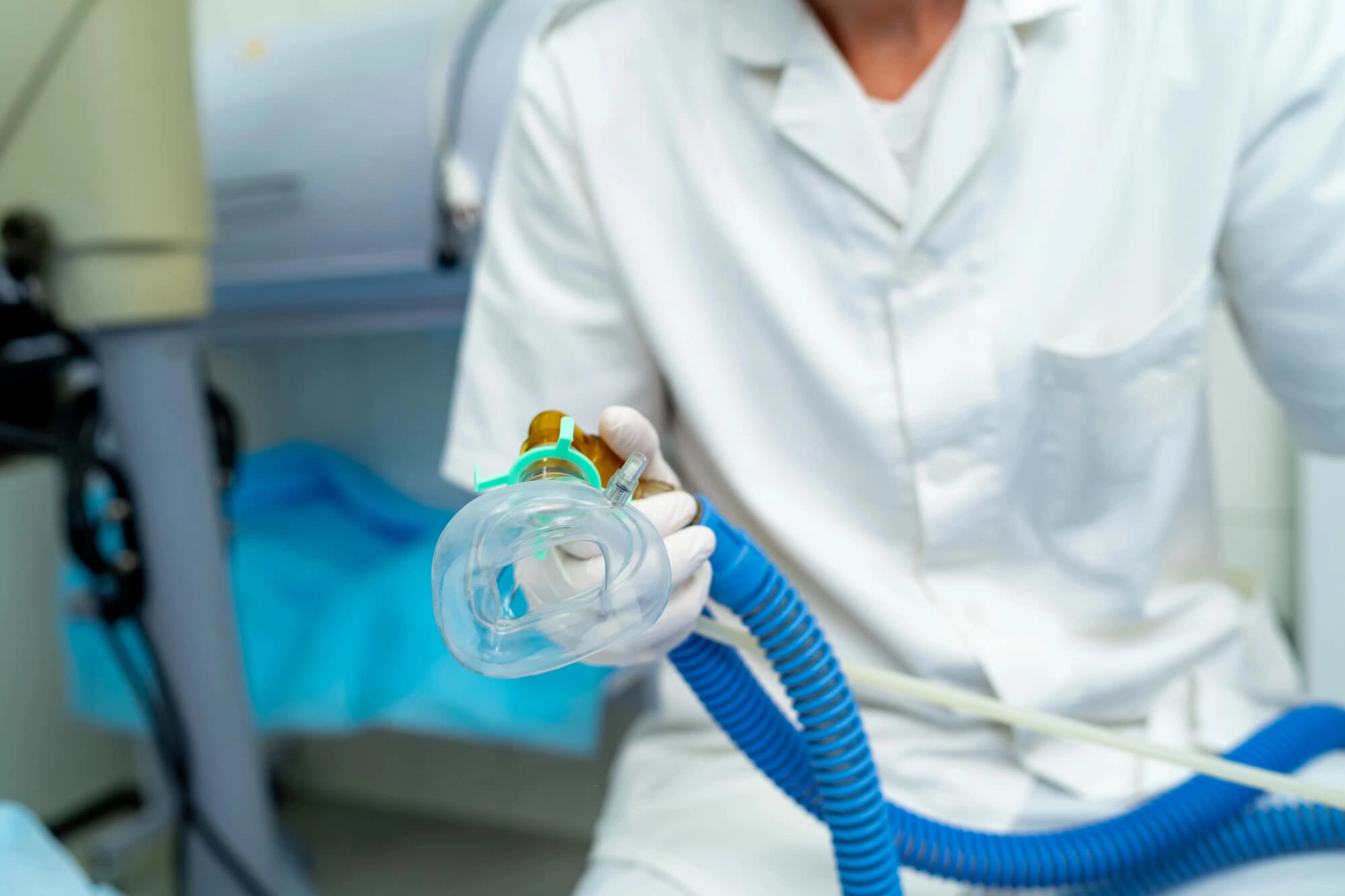
Are You Considering Sedation Dentistry in Georgetown?
At Georgetown Sedation Dentistry, we want you to feel informed before treatment begins. If you are considering sedation, contact our team to discuss your concerns, learn which options may be appropriate, and understand how to prepare. We can also answer questions about what to expect before, during, and after your appointment.

150 Mt Vernon Dr, Georgetown, KY 40324 Suite 201
Monday 8 AM - 5 PM
Tuesday 8 AM - 5 PM
Wednesday CLOSED
Thursday 8 AM - 5 PM
Friday 8 AM - 5 PM
Saturday CLOSED
Sunday CLOSED


© 2024. Georgetown Sedation Dentistry | Privacy Policy | ADA Compliance
Website by: Digital Resource