
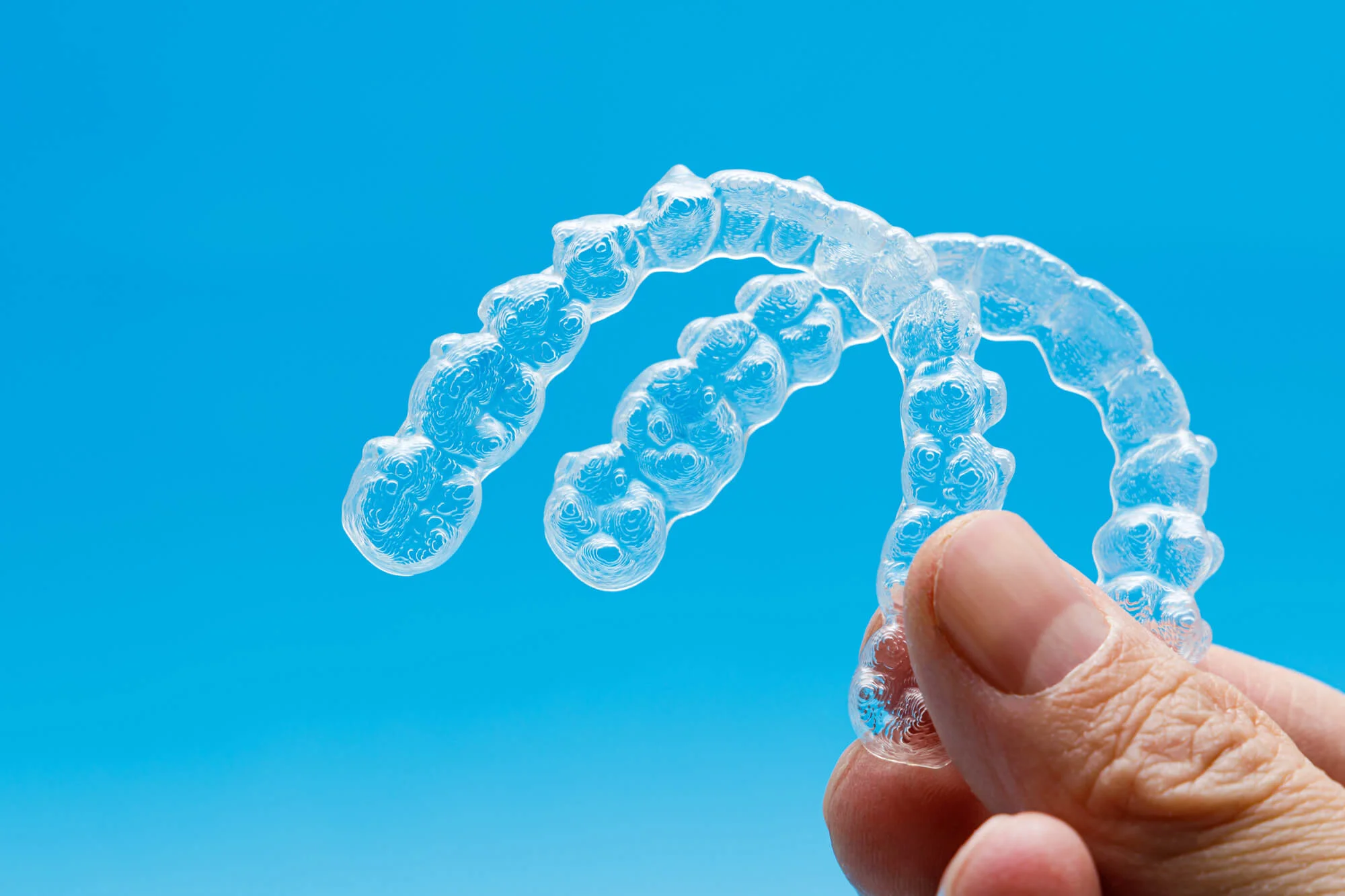
When people search for an Invisalign dentist near you, they often assume that wearing their aligners exactly as instructed guarantees straight teeth. While compliance is essential, successful treatment depends on more than simply wearing the aligners.
Invisalign® has helped many patients improve their smiles, but results vary because every person's teeth, bite, jawbone, and biological response to tooth movement are unique. Even patients who follow every instruction may experience treatment that progresses differently than expected.
This doesn't necessarily mean Invisalign has failed. Often, it simply means the treatment plan needs minor adjustments along the way. Understanding this helps patients approach treatment with realistic expectations and greater confidence.

Factors That Can Affect Invisalign Results
Every Tooth Doesn't Move at the Same Speed
One of the biggest surprises for many patients is that teeth don't always move according to schedule. While Invisalign treatment is carefully planned using digital technology, the body ultimately determines how quickly teeth respond to orthodontic pressure.
Factors such as bone density, age, oral health, previous dental work, and individual healing responses all influence tooth movement. Some teeth simply move faster than others.
Slower progress isn't necessarily a setback. Tooth movement is a biological process, so treatment timelines naturally vary. Regular checkups allow your provider to monitor progress and make adjustments when needed.
Some Bite Problems Are More Complex Than They Appear
Not every orthodontic issue is obvious. While crooked or crowded teeth are easy to notice, underlying bite problems often require additional correction.
Patients with severe crowding, rotated teeth, large gaps, or significant bite discrepancies may need a more comprehensive approach. In some cases, Invisalign may be combined with other orthodontic or restorative treatments.
This doesn't mean treatment has failed—it simply means achieving both a healthy bite and an attractive smile sometimes requires more than the original digital plan.
Attachments and Refinements Are Often Part of the Plan
Patients are often surprised when attachments or refinement trays are recommended, assuming the aligners aren't working.
In reality, attachments help guide specific tooth movements, while refinement trays fine-tune alignment after your provider evaluates progress.
These adjustments are common and help improve precision based on how your teeth actually respond, rather than relying solely on the initial digital simulation.
Wearing Aligners Correctly Is Only One Part of Success
Wearing aligners for 20 to 22 hours a day is essential, but compliance alone doesn't guarantee perfect results.
Successful Invisalign treatment also depends on accurate diagnosis, personalized treatment planning, regular monitoring, and each patient's unique biological response.
Routine appointments help ensure your aligners fit properly and allow your provider to make timely adjustments. Consistent communication is just as important as consistent aligner wear.
Small Changes During Treatment Can Affect Progress
Teeth don't always move exactly as predicted by digital treatment planning, and that's completely normal. The treatment simulation serves as a guide rather than a guarantee.
As treatment progresses, your provider may recommend refinements, new attachments, or minor plan adjustments to keep your teeth moving efficiently.
These changes are a normal part of personalized care and often lead to more accurate, stable long-term results.
Common Misconceptions About Invisalign
"If I Wear Them 22 Hours a Day, They'll Definitely Work"
Wearing your aligners consistently is essential, but it's not the only factor. Treatment planning, tooth anatomy, bite alignment, and biological response also influence results. Regular monitoring helps ensure treatment stays on track.
"Refinements Mean Something Went Wrong"
Refinements are a normal part of many Invisalign treatments. They allow providers to make small adjustments that improve precision and help teeth reach their planned positions.
"Every Case Can Be Treated with Invisalign"
While Invisalign is suitable for many patients, some orthodontic conditions may require alternative treatments or a combination of approaches. A comprehensive evaluation helps determine the best option for each individual.
Before, During, and After Invisalign Treatment
Before Treatment
Treatment begins with a comprehensive examination, digital scans, photographs, and bite analysis. These evaluations help determine whether Invisalign is an appropriate solution and allow the provider to develop a personalized treatment plan. Careful planning at this stage helps identify potential challenges before active treatment even begins.
During Treatment
Patients wear a series of custom aligners that gradually guide tooth movement. Regular appointments allow the provider to monitor progress, evaluate fit, and determine whether attachments or refinements are needed. These periodic evaluations help ensure treatment stays aligned with the patient's changing response rather than relying solely on the original plan.
After Treatment
Once active treatment is complete, retainers play a critical role in maintaining the new tooth positions. Teeth naturally have a tendency to shift over time, making retention an important part of long-term success. Following retainer instructions helps preserve the results patients worked hard to achieve.
Frequently Asked Questions About Invisalign
Why are my teeth moving slower than expected?
Tooth movement depends on more than how often you wear your aligners. Bone density, age, bite forces, and your body's natural response to orthodontic pressure can all influence the speed of treatment. Slower movement does not necessarily mean Invisalign isn't working.
Your provider can evaluate your progress during follow-up visits and determine whether small adjustments are needed to keep treatment moving in the right direction.
What are Invisalign refinements?
Refinements are additional sets of aligners created after your provider evaluates your progress. They are used to make precise adjustments that help achieve the planned result. Refinement trays are a normal part of many Invisalign cases and are designed to improve accuracy rather than correct a failed treatment.
Can treatment take longer than originally planned?
Yes. Although many patients finish close to their estimated timeline, some treatments require additional time because teeth may not respond exactly as predicted. Extending treatment slightly is often preferable to rushing the process and compromising the final outcome.
What happens if Invisalign doesn't achieve the expected result?
If teeth are not responding as anticipated, your provider may recommend refinement of aligners, additional attachments, or modifications to the treatment plan. In some situations, another orthodontic approach may be discussed if it better addresses your needs. The goal is always to achieve a healthy, functional bite rather than simply following the original timeline.
Do I have to wear retainers forever?
Retainers are an essential part of maintaining your results because teeth naturally tend to shift throughout life. Your provider will recommend a wear schedule based on your individual treatment. Consistently wearing your retainer is one of the most effective ways to protect the time and effort invested in orthodontic treatment.

Talk to Our Team About Finding an Invisalign Dentist Near You
At Georgetown Sedation Dentistry, we’re here to help you determine whether clear aligners are right for your smile. If you’re looking for an Invisalign dentist, contact our team to schedule a consultation, discuss your goals, ask questions, and explore a personalized treatment plan designed around your comfort and needs.
*Invisalign®, the Invisalign logo, and iTero®, among others, are trademarks and/ or service marks of Align Technology, Inc. or one of its subsidiaries or affiliated companies and may be registered in the U.S. and/or other countries.

150 Mt Vernon Dr, Georgetown, KY 40324 Suite 201
Monday 8 AM - 5 PM
Tuesday 8 AM - 5 PM
Wednesday CLOSED
Thursday 8 AM - 5 PM
Friday 8 AM - 5 PM
Saturday CLOSED
Sunday CLOSED

.svg)
.svg)
.svg)
.svg)
© 2024. Georgetown Sedation Dentistry | Privacy Policy | ADA Compliance
Website by: Digital Resource