

When a tooth becomes significantly weakened, your dentist may recommend a crown to protect and restore it. But what happens if you put off that treatment while waiting for a more convenient time? Depending on the condition of the tooth, continued biting and chewing can allow damage to progress.
A same-day crown can sometimes restore a tooth in a single visit. But not every damaged tooth is automatically a candidate. If you are looking for a same-day crown dentist near me in Versailles, KY, the first step is determining whether the tooth can safely receive one.
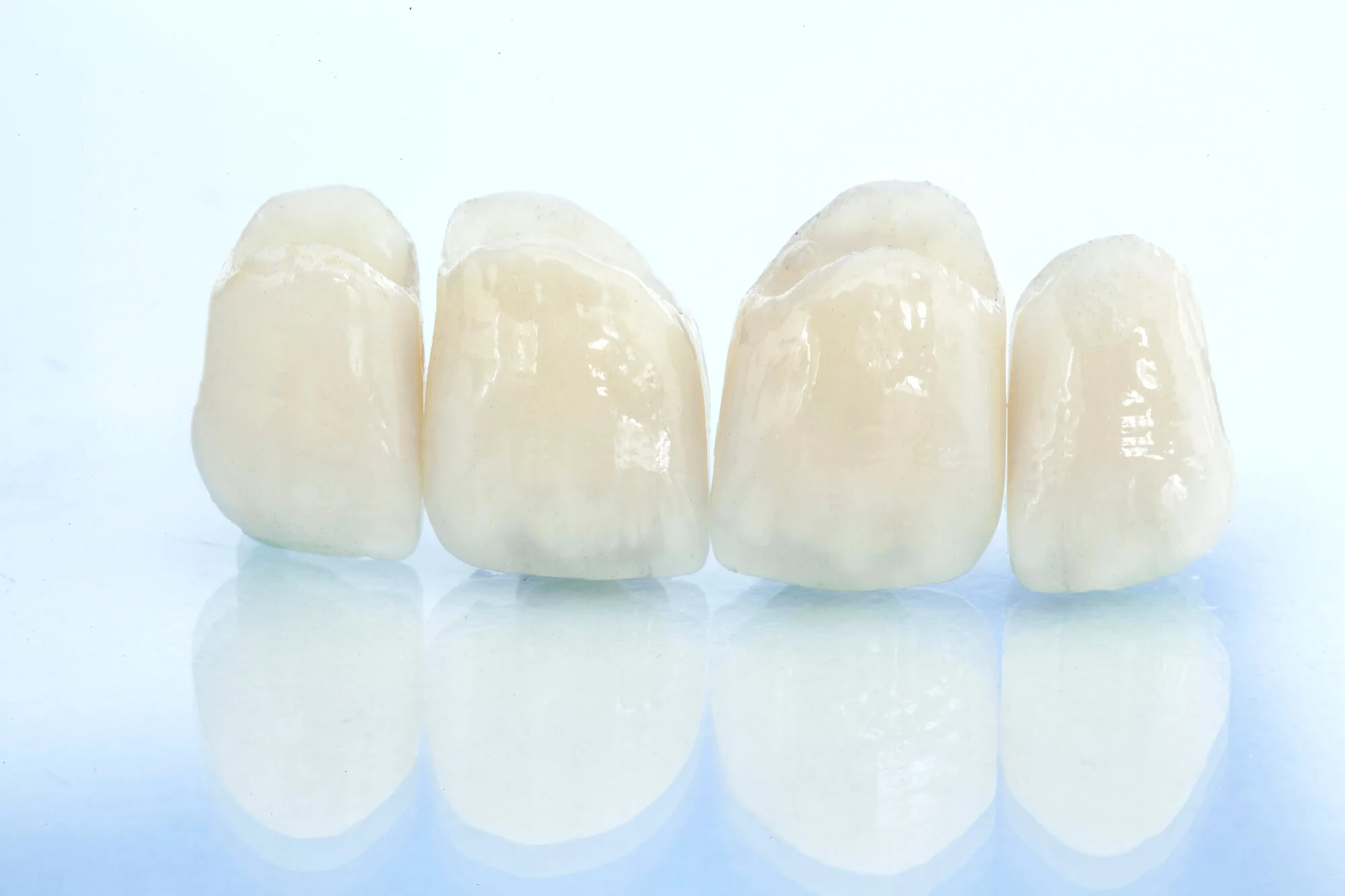
When a Tooth Needs More Than a Filling
Fillings restore certain areas of decay or damage, but they aren't appropriate for every weakened tooth.
A crown can provide more coverage
When a tooth has lost substantial structure, a crown can cover and protect it. Crowns are commonly used for teeth that are weakened, broken, heavily restored, or significantly decayed.
Your dentist will evaluate how much healthy tooth structure remains before recommending one.
Why Waiting Can Be a Problem
A tooth that needs a crown may keep functioning, but that doesn't mean it is safe to ignore.
More chewing can mean more stress
A weakened tooth is exposed to everyday biting forces. Continued stress can contribute to additional cracking or fracture.
That does not mean every tooth will suddenly break if you wait. It means your dentist's recommendation is based on the tooth's condition at the time of the examination, and that condition can change.
When a Same-Day Crown May Help
Same-day crown technology can combine digital scanning, computer-aided design, and in-office milling to create a crown during a single appointment.
Convenience is not the only consideration
The advantage is that an appropriate tooth may be prepared, scanned, restored, and evaluated without waiting for an outside laboratory to produce the crown.
Your dentist still needs to determine whether the tooth is healthy enough and structurally suitable for this approach.
Why Not Every Tooth Qualifies
Same-day treatment does not mean every tooth can automatically be crowned.
Some problems need treatment first
If a tooth has an infection that has reached the pulp, root canal treatment may be needed. A tooth with extensive damage may also lack enough healthy structure to support a crown.
In some cases, the tooth may require another treatment altogether, including extraction and replacement. The fastest procedure is not necessarily the appropriate procedure.
What Happens During Same-Day Treatment?
If your tooth qualifies, the appointment generally begins with examination and preparation.
Digital technology helps create the restoration
After the tooth is prepared, digital impressions or scans can be used to design the crown. An in-office milling system can then produce the restoration.
Before the crown is permanently placed, your dentist checks its fit, shape, contacts, and bite. Adjustments can be made when necessary.

What If You Need Sedation?
Some patients are comfortable with crown treatment but feel anxious about dental procedures.
Sedation can be discussed in advance
Depending on your medical history and planned treatment, sedation may be an option. Before treatment, ask what preparation is required, whether you need someone to drive you home, and what restrictions apply afterward.
During treatment, your dental team will monitor you in accordance with the planned approach. Afterward, follow instructions about driving, eating, medications, and activity.
Sedation can address anxiety and comfort, while local anesthesia helps control sensation during dental treatment.
What Happens After the Crown Is Placed?
Your tooth may feel different temporarily after treatment. Some sensitivity can occur, particularly to temperature.
Don't ignore an uncomfortable bite
If your crown feels unusually high when you bite or remains uncomfortable, contact your dentist. A crown should be evaluated if it feels loose, becomes damaged, or causes persistent symptoms.
Keeping a Same-Day Crown in Good Condition
A same-day crown can feel and function like a natural tooth once it settles into your bite. A few habits can help it last.
Good habits protect the restoration
Brushing twice a day and carefully flossing around the edges of the crown help prevent decay where the restoration meets your natural tooth. A soft-bristled brush is generally gentler on both the crown and the surrounding gum tissue.
Routine dental visits matter. Regular checkups allow a dentist to monitor a crown for wear, chipping, or shifts in fit before minor issues become bigger problems.
Avoid biting ice, pens, fingernails, or other hard, non-food objects. These habits can crack a crown or loosen the cement holding it in place, even on a well-fitted restoration.
If your bite feels uneven once the numbness fades, contact your dentist for an adjustment instead of waiting to see if it resolves on its own. Catching fit issues early helps prevent added wear on nearby teeth.
With reasonable care, a same-day crown can remain a reliable part of your smile for years after placement.
Questions to Ask About Same-Day Crowns
Ask why a crown is recommended, whether the tooth is a candidate for same-day treatment, and whether it has signs of infection or extensive structural damage.
You can also ask what material will be used, what the appointment involves, and whether sedation is available if anxiety is a concern.
FAQ
Can any tooth receive a same-day crown?
No. The tooth needs enough healthy structure and must be appropriate for crown treatment. Some teeth require additional treatment first.
Is a same-day crown permanent?
A crown is designed as a long-term restoration, but it can still experience wear or damage. Good oral hygiene and regular dental care remain important.
What if my tooth needs a root canal?
Root canal treatment may need to be completed before the permanent crown is placed. Your dentist will determine the appropriate sequence.

Ready to Talk to a Same-Day Crown Dentist Near Me in Versailles, KY?
If you are worried about a damaged or weakened tooth, we can evaluate your options and explain whether same-day treatment may be appropriate.
At Georgetown Sedation Dentistry, we can also discuss sedation options if dental anxiety is making treatment difficult. Contact our office to schedule a consultation and learn what approach may work for your tooth.

150 Mt Vernon Dr, Georgetown, KY 40324 Suite 201
Monday 8 AM - 5 PM
Tuesday 8 AM - 5 PM
Wednesday CLOSED
Thursday 8 AM - 5 PM
Friday 8 AM - 5 PM
Saturday CLOSED
Sunday CLOSED


© 2024. Georgetown Sedation Dentistry | Privacy Policy | ADA Compliance
Website by: Digital Resource