
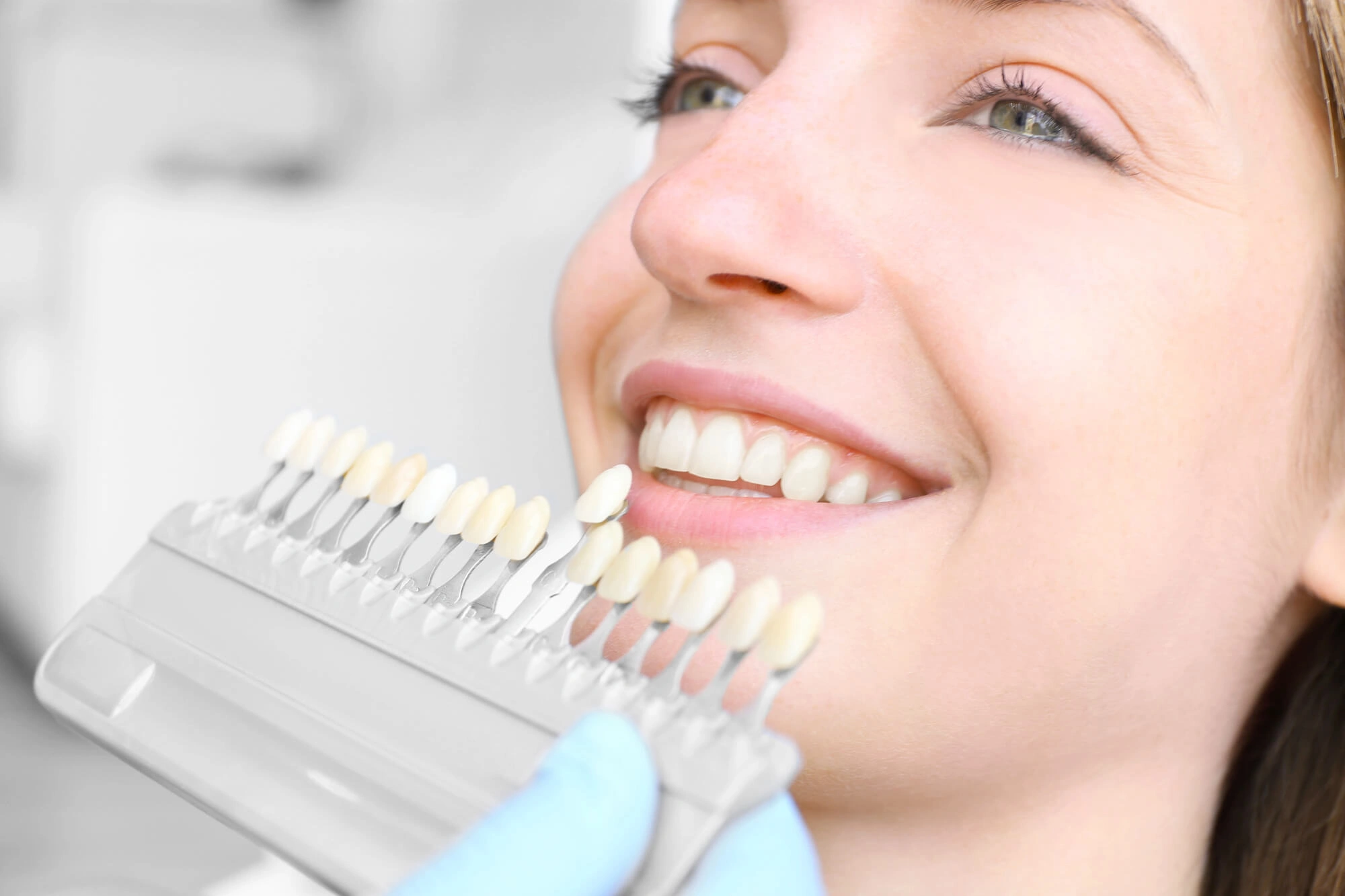
If you've whitened your teeth and noticed that one still looks darker, that's common. Teeth whitening in Georgetown can brighten natural teeth, but results vary depending on the type and cause of discoloration. Surface stains often respond well, while deeper stains, dental restorations, previous injuries, and natural differences in enamel may be more resistant.
Knowing why your teeth respond differently can help you avoid over-whitening and choose the right solution for a more even smile.
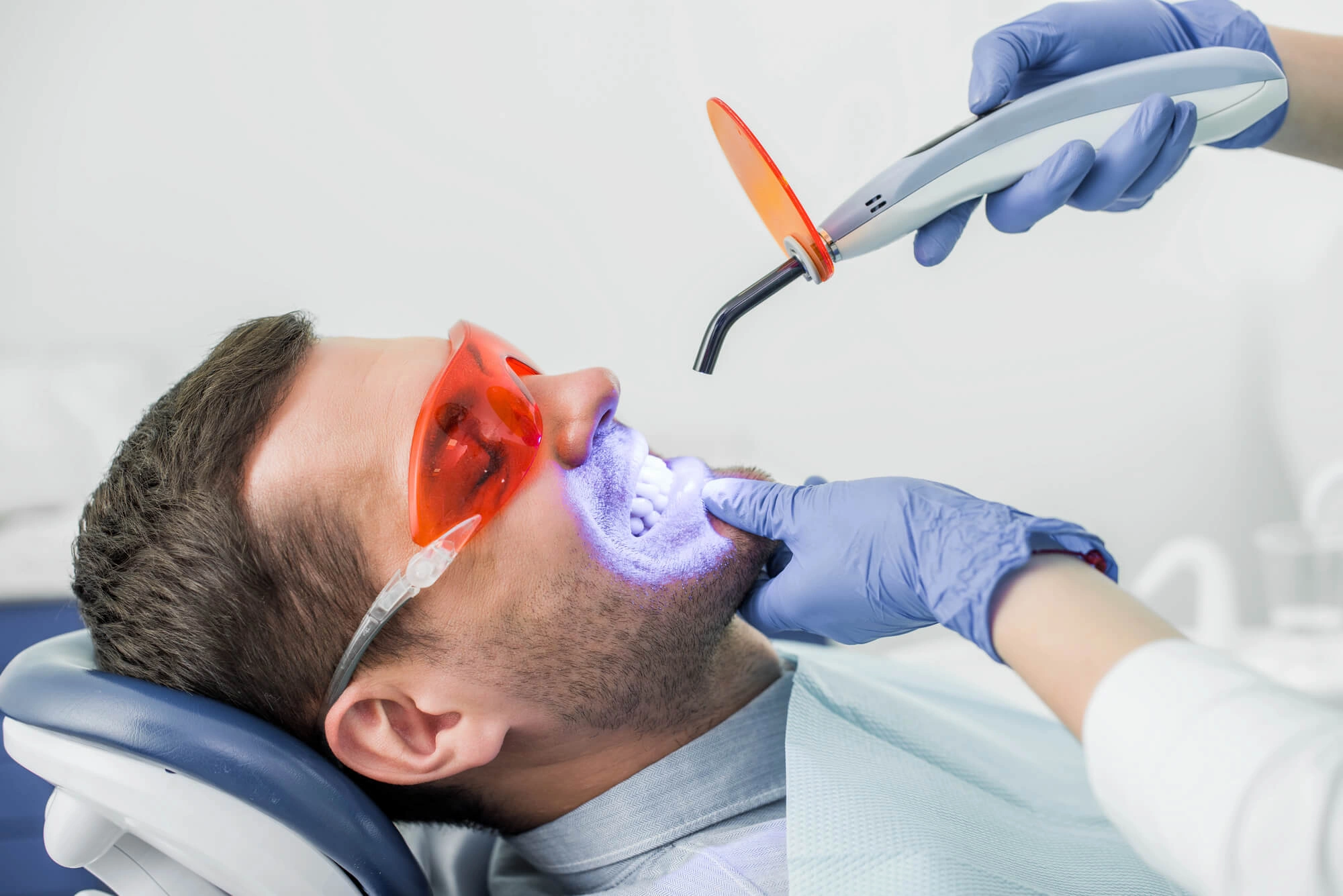
Not All Tooth Stains Are the Same
Before whitening can work effectively, it's important to understand what you're trying to remove.
Surface Stains
Surface stains develop on the outside of the teeth. Coffee, tea, tobacco, red wine, and strongly pigmented foods can contribute to this type of discoloration.
Because these stains are closer to the surface, they may respond well to professional whitening or products designed to remove surface discoloration.
Deeper Discoloration
Some discoloration develops inside the tooth rather than simply sitting on the enamel.
Trauma, certain medications, natural aging, and changes within the tooth can contribute to deeper discoloration. These stains may not respond as predictably to traditional whitening.
That's why two teeth exposed to the same whitening treatment can end up looking different.
Your Natural Tooth Color Matters
Whitening doesn't give everyone the same shade of white.
Teeth Naturally Have Different Shades
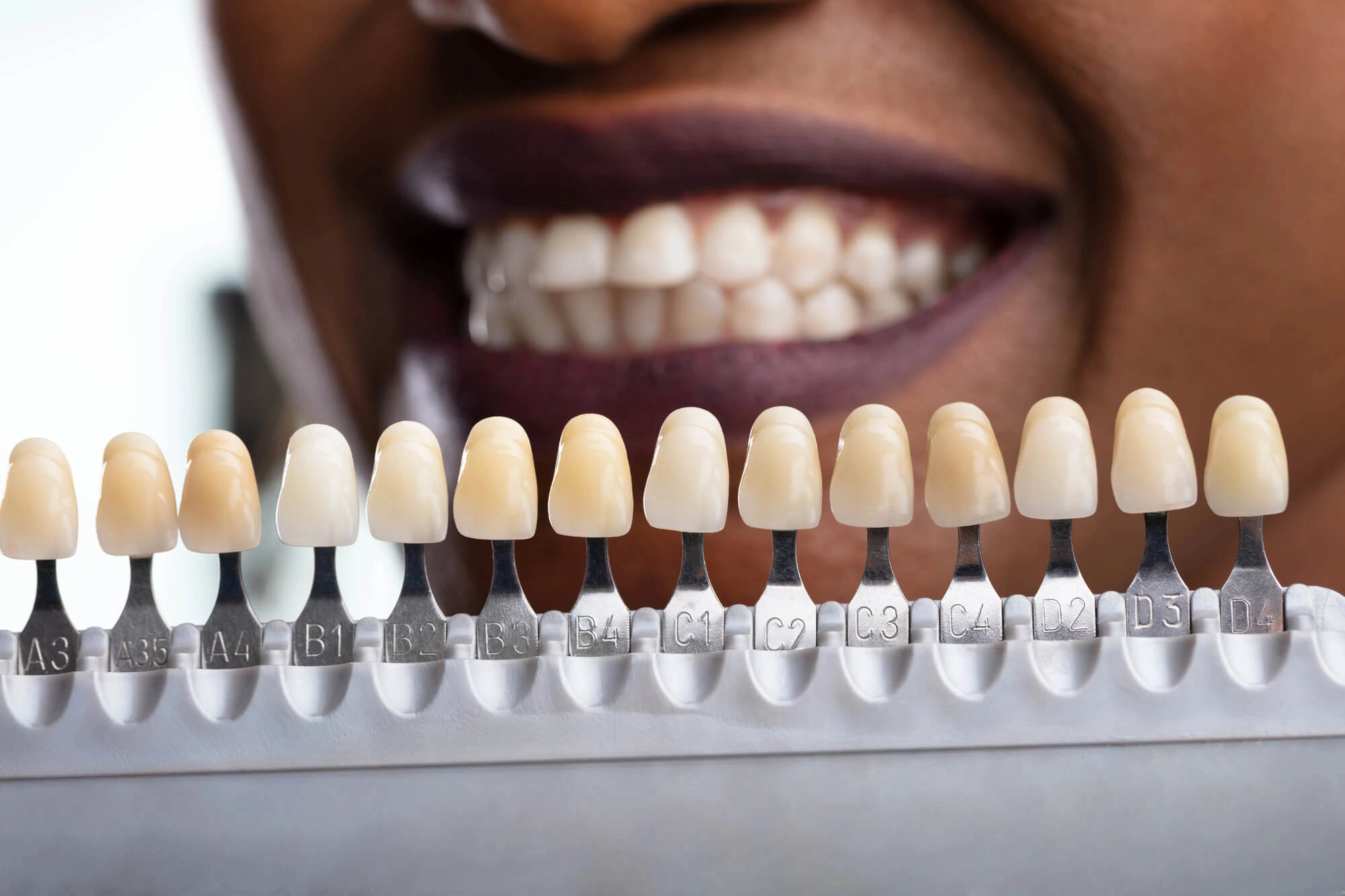
Natural teeth aren't usually bright white. They can have yellow, gray, or slightly translucent tones, and individual teeth may naturally differ in color.
Whitening can lighten your existing tooth color, but it doesn't completely replace your natural underlying shade.
Enamel Thickness Can Affect Appearance
Enamel is somewhat translucent. The dentin underneath contributes significantly to the overall color of a tooth.
As enamel becomes thinner, more of the underlying dentin may show through. This is one reason older teeth can appear different from younger teeth and why whitening results may vary across a smile.
One Tooth May Stay Darker Than the Others
If a single tooth doesn't respond like the rest, there may be a reason.
A Previously Injured Tooth
A tooth that has experienced trauma can sometimes become darker because of changes inside the tooth. This type of discoloration may not respond to standard whitening in the same way as surface stains.
If one tooth is noticeably darker, your dentist can determine whether an underlying issue should be evaluated before additional whitening.
A Tooth With a Large Filling
Whitening products affect natural tooth structure, but they don't whiten fillings in the same way.
If you have a tooth-colored filling, crown, veneer, or other restoration that matches your previous tooth shade, whitening the surrounding natural teeth can make the restoration appear darker by comparison.
This is particularly important to consider before cosmetic whitening.
Dental Crowns and Veneers Don't Whiten Like Natural Teeth
This is one of the most common misunderstandings about teeth whitening.
A crown or veneer is made from dental material rather than natural enamel. Whitening treatment doesn't simply change its color the way it can change the appearance of natural tooth structure.
If you already have visible restorations, your dentist can help you determine how whitening may affect the overall appearance of your smile.
Sometimes whitening is performed before replacing a restoration so the new restoration can be selected to better match the brighter shade.
Why Results Can Look Uneven
Even when whitening works properly, your teeth may not all brighten at precisely the same rate.
Tooth Position Can Affect Appearance
The shape, position, and amount of visible tooth structure can influence how color is perceived.
Teeth toward the back of the mouth may also appear different from front teeth because of differences in lighting and visibility.
Existing Discoloration Can Respond Differently
A smile can contain several types of discoloration at once. For example, surface staining may improve while an internal stain remains.
That doesn't necessarily mean the whitening treatment failed. It may mean that whitening isn't the right solution for every area of discoloration.
Can You Whiten a Stubborn Tooth More?
It may be tempting to keep applying whitening products to a tooth that remains darker. However, more whitening isn't always the answer.
Repeated or excessive whitening can increase tooth sensitivity and irritate the gums. Instead of continuing treatment on your own, ask your dentist why that particular tooth isn't responding.
The appropriate solution may depend on the cause of the discoloration.
What If Whitening Doesn't Fix the Color Difference?
If a tooth remains noticeably darker after whitening, your dentist can evaluate other options.
Depending on the situation, treatment could involve a restoration or another cosmetic approach rather than additional whitening. The right choice depends on whether the discoloration is on the surface, inside the tooth, or related to an existing restoration.
An examination is particularly important when a single tooth has suddenly changed color.
How to Get More Even Whitening Results
You can't always make every tooth respond identically, but you can improve your chances of getting a more consistent result.
Have Your Teeth Evaluated First
A dental examination can identify cavities, gum problems, damaged teeth, and existing restorations before cosmetic treatment begins.
Follow Whitening Instructions
Whether you're using professional whitening or an at-home system recommended by your dentist, use it exactly as directed. Increasing the amount or frequency doesn't necessarily produce better results.
Maintain Your Results
Good oral hygiene and regular dental cleanings can help control surface staining. Limiting frequent exposure to staining foods, beverages, and tobacco can also help keep your smile brighter.
Frequently Asked Questions
Why did some teeth whiten more than others?
Different teeth may have different types or depths of discoloration. Natural differences in enamel and dentin can also affect how each tooth responds.
Can fillings be whitened?
Whitening treatments don't change the color of fillings the same way they change natural tooth structure. Existing restorations may therefore look different after surrounding teeth are whitened.
Why is one tooth darker than the rest?
A darker tooth may have internal discoloration, previous trauma, or another dental issue. Your dentist can evaluate the tooth to determine the likely cause.
Are You Considering Teeth Whitening in Georgetown?
At Georgetown Sedation Dentistry, we understand that getting a brighter smile isn't always as simple as applying a whitening treatment. If you're considering teeth whitening in Georgetown, our team can evaluate your teeth, discuss your goals, and help determine whether whitening is appropriate for your smile.
We can also discuss your concerns and available sedation options if dental treatment makes you anxious. Contact us to learn more and find an approach that fits your needs.

150 Mt Vernon Dr, Georgetown, KY 40324 Suite 201
Monday 8 AM - 5 PM
Tuesday 8 AM - 5 PM
Wednesday CLOSED
Thursday 8 AM - 5 PM
Friday 8 AM - 5 PM
Saturday CLOSED
Sunday CLOSED

.svg)
.svg)
.svg)
.svg)
© 2024. Georgetown Sedation Dentistry | Privacy Policy | ADA Compliance
Website by: Digital Resource