
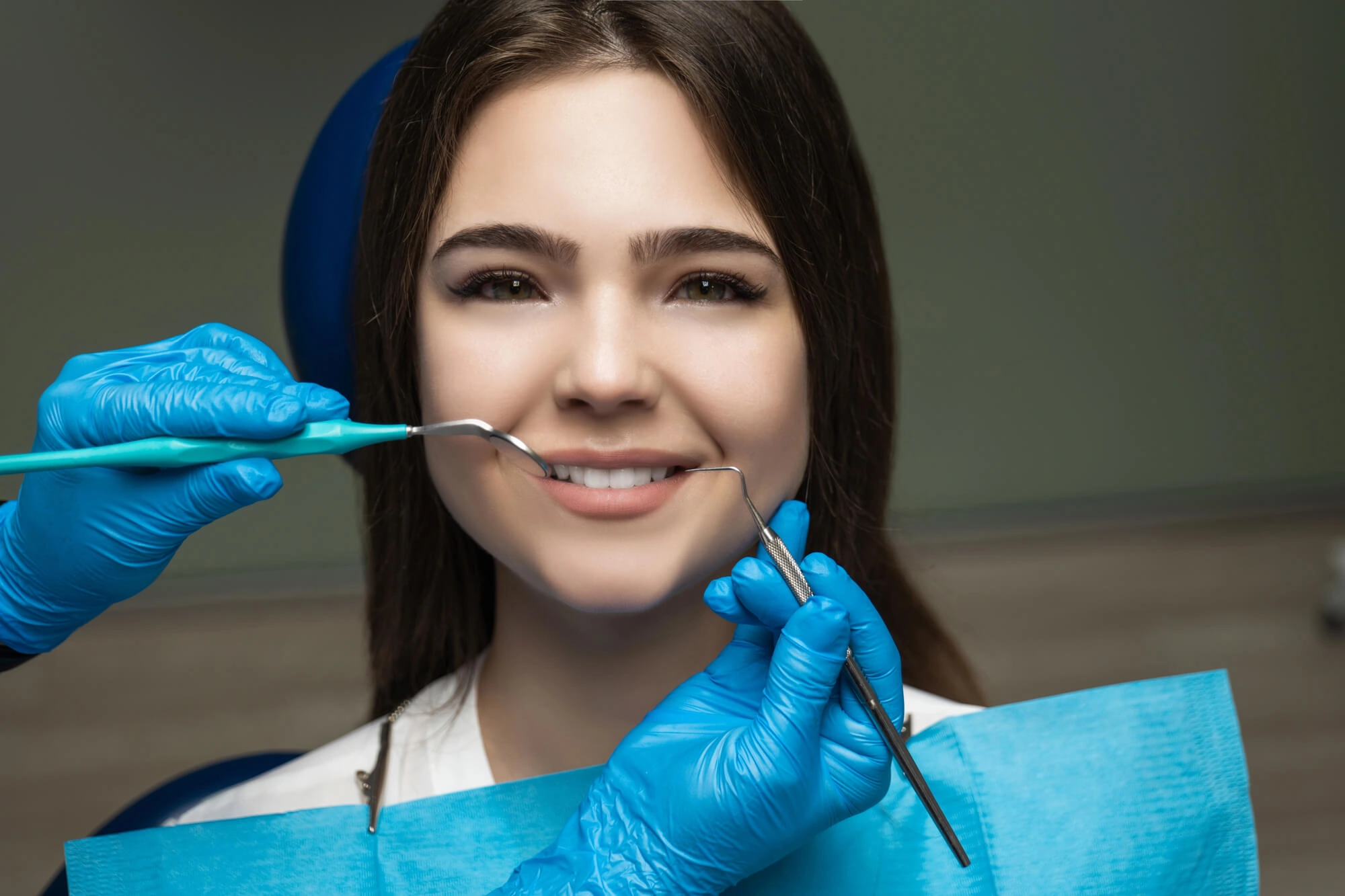
Teeth whitening can make your smile brighter, but brighter does not always mean perfectly even. You might finish a whitening treatment and still notice a yellow spot, a gray tooth, white patches, or darker areas near an old filling. If you are considering teeth whitening in Georgetown, it helps to know why this happens before deciding that the treatment did not work.
Why Results Can Vary
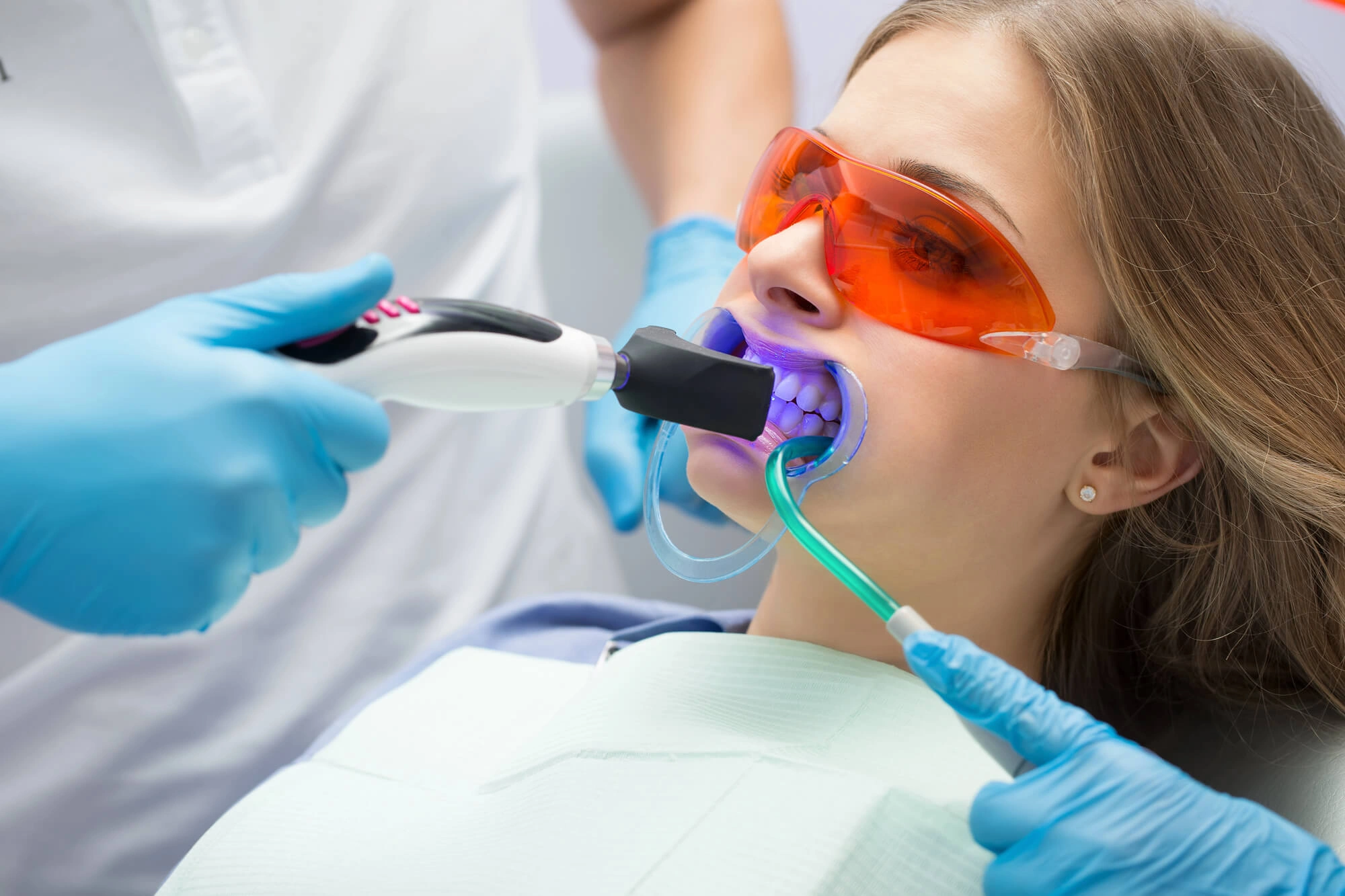
Whitening Does Not Change Every Type of Discoloration
One reason results can look uneven is that not every stain responds to whitening in the same way.
Surface Stains Can be Easier to Lighten
Coffee, tea, red wine, tobacco, and some foods can leave stains on the outer surface of your teeth. Professional whitening can often improve these types of discoloration.
Other stains start deeper inside the tooth. These are called intrinsic stains. They can be related to aging, certain medications, trauma, or changes that occurred while the tooth was developing.
Whitening may improve some deeper discoloration, but it may not remove it completely.
Your Teeth Do Not All Start at the Same Shade
It is easy to assume that all your teeth are naturally the same color. They are not.
Natural tooth color varies
Teeth can naturally differ in shade, brightness, and translucency. Your front teeth may also look different from your back teeth because of their shape and thickness.
As you age, enamel can thin, letting more of the naturally yellowish dentin underneath show through. That can make some teeth look darker even after whitening.
So if your teeth become lighter but do not all reach the same shade, that does not automatically mean something went wrong.
Old Dental Work Will Not Whiten Like Natural Teeth
This is one of the most important things to know before whitening.
Crowns, Veneers, Fillings, and Bonding are Different
Whitening products work on natural tooth structure. They do not bleach crowns, veneers, fillings, or other restorations in the same way.
That means a tooth with an existing restoration may look different from the natural teeth around it after whitening. A filling that matched your old tooth shade may suddenly look darker once the surrounding teeth become brighter.
Your dentist can evaluate the color difference and discuss whether another cosmetic treatment would make the smile look more balanced.
One Dark Tooth May Need More Than Whitening
If one tooth looks noticeably darker than the others, do not automatically assume it needs a stronger whitening treatment.
The Cause of the Discoloration Matters

A single discolored tooth can sometimes be related to an old injury or changes inside the tooth. In some cases, discoloration can also be associated with decay or a problem affecting the tooth's nerve.
That is why it is worth having unusual or sudden discoloration checked before trying additional whitening products. Whitening is a cosmetic treatment, not a way to diagnose or treat the underlying cause of a dark tooth.
White Spots Can Still Be Visible
Whitening can make some white spots stand out more instead of making them disappear.
Contrast Can Change After Whitening
White spots can have different causes, including changes in enamel development or fluorosis. When the surrounding tooth becomes lighter, the contrast between the spot and the rest of the tooth may remain noticeable.
Depending on the cause and appearance, your dentist may discuss options such as whitening, bonding, veneers, or other cosmetic treatments. The best approach depends on what is causing the discoloration.
Your Final Shade May Take Some Time to Settle
You may notice a change in color soon after whitening, but that does not necessarily mean the result is finished.
Give Your Teeth Time to Adjust
Some people experience temporary sensitivity after whitening. Following the instructions provided with your treatment can help you manage this while your teeth settle.
Your dentist may also recommend limiting foods and drinks that can stain your teeth, especially around the time of treatment. Coffee, tea, red wine, and tobacco can contribute to surface discoloration over time.
Brush twice a day, clean between your teeth, and keep up with routine dental visits.
More Whitening Is Not Always the Answer
If your teeth do not look perfectly even after whitening, it can be tempting to keep using whitening products.
Overdoing It Can Create New Problems
Using whitening products more often or for longer than directed does not guarantee better results. Overuse can contribute to tooth sensitivity and may damage enamel or irritate your gums.
If you are unhappy with the result, talk with your dentist before trying a stronger product. The issue may not be the strength of the whitening. It may be the type of discoloration.
What If You Are Nervous About Whitening?
Teeth whitening is usually less involved than many dental procedures, but dental anxiety can still make an appointment uncomfortable.
Sedation May Matter When Other Treatment Is Involved
Sedation is not normally necessary for whitening alone. If whitening is combined with other dental treatment, however, your dental team can explain whether a sedation option is appropriate. Before sedation, ask about preparation, medications, transportation, and recovery. Afterward, follow instructions about driving, eating, activity, and medications.
FAQs About Teeth Whitening
Why are some teeth harder to whiten?
Teeth can respond differently because discoloration has different causes. Surface stains may respond well to whitening, while some deeper stains, medication-related discoloration, trauma-related changes, or restorations may not respond in the same way.
Can whitening make white spots more noticeable?
Yes. If the surrounding tooth becomes lighter, existing white spots may remain visible because the contrast has changed.
Can fillings and crowns be whitened?
No. Whitening products change the color of natural tooth structure, not existing restorations. Your dentist can discuss options if a restoration no longer matches your newly whitened teeth.
Should I keep whitening if my teeth are not perfectly white?
Not without guidance. More whitening is not always the solution, particularly when the discoloration has an underlying cause or comes from a restoration. Ask your dentist before increasing treatment.
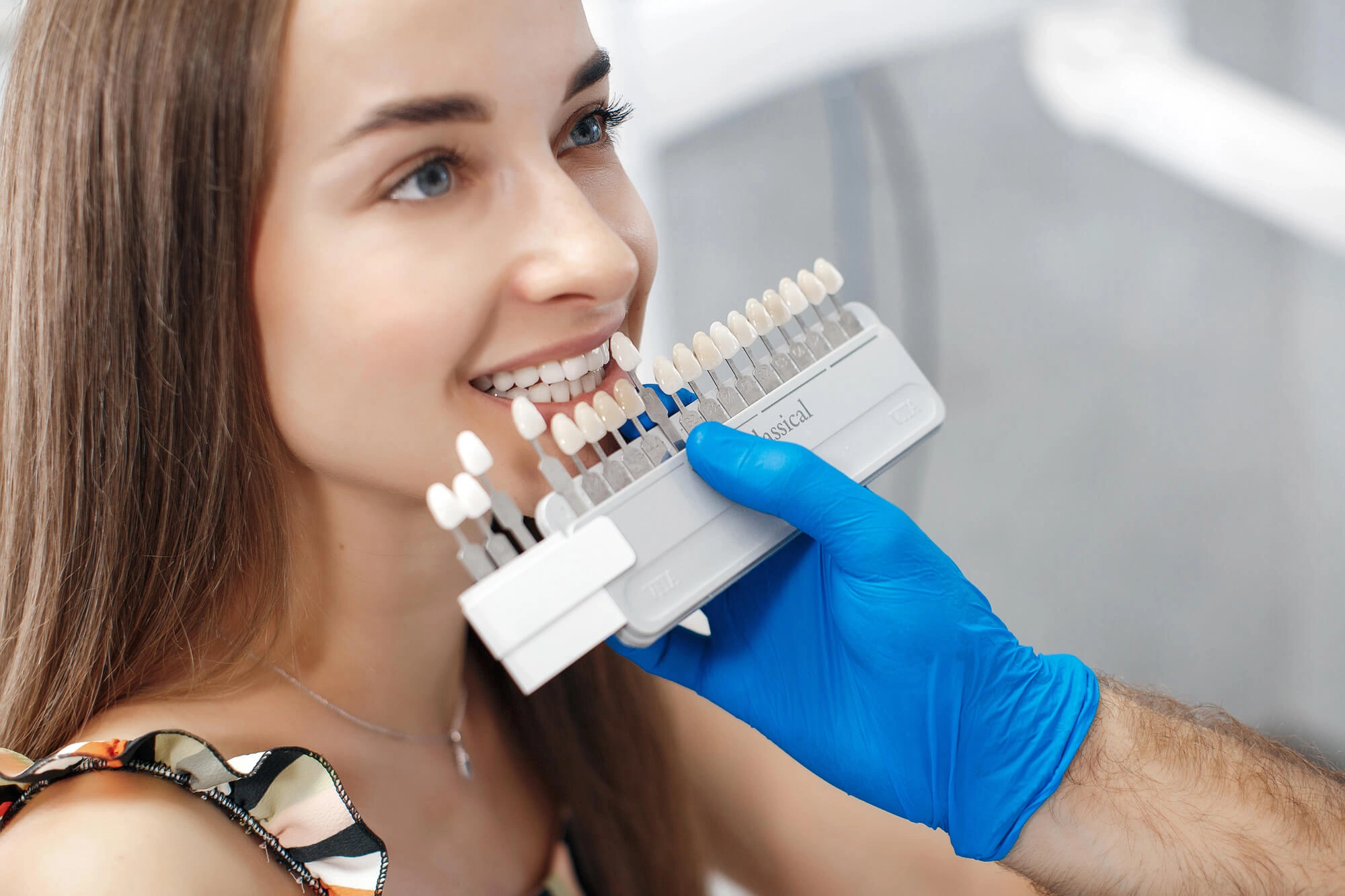
Are You Ready to Explore Teeth Whitening in Georgetown?
If you want a brighter smile but are unsure why your teeth may not whiten evenly, we can help you understand your options.
At Georgetown Sedation Dentistry, we can evaluate your teeth, discuss cosmetic treatments, and answer questions about comfort and sedation when other procedures are involved. Contact our office to schedule a consultation and learn what approach may best suit your smile.

150 Mt Vernon Dr, Georgetown, KY 40324 Suite 201
Monday 8 AM - 5 PM
Tuesday 8 AM - 5 PM
Wednesday CLOSED
Thursday 8 AM - 5 PM
Friday 8 AM - 5 PM
Saturday CLOSED
Sunday CLOSED


© 2024. Georgetown Sedation Dentistry | Privacy Policy | ADA Compliance
Website by: Digital Resource