

Getting your teeth whitened can make your smile look noticeably brighter, but the results aren't permanent. If you're considering teeth whitening in Georgetown, it's important to know that your teeth can gradually pick up new stains after treatment. Coffee, tea, tobacco, certain foods, aging, and even your natural tooth color can affect how long your results last.
That doesn't mean whitening was unsuccessful. It simply means your teeth continue to change over time. The good news is that a few everyday habits can help slow new discoloration and keep your smile looking brighter for longer.
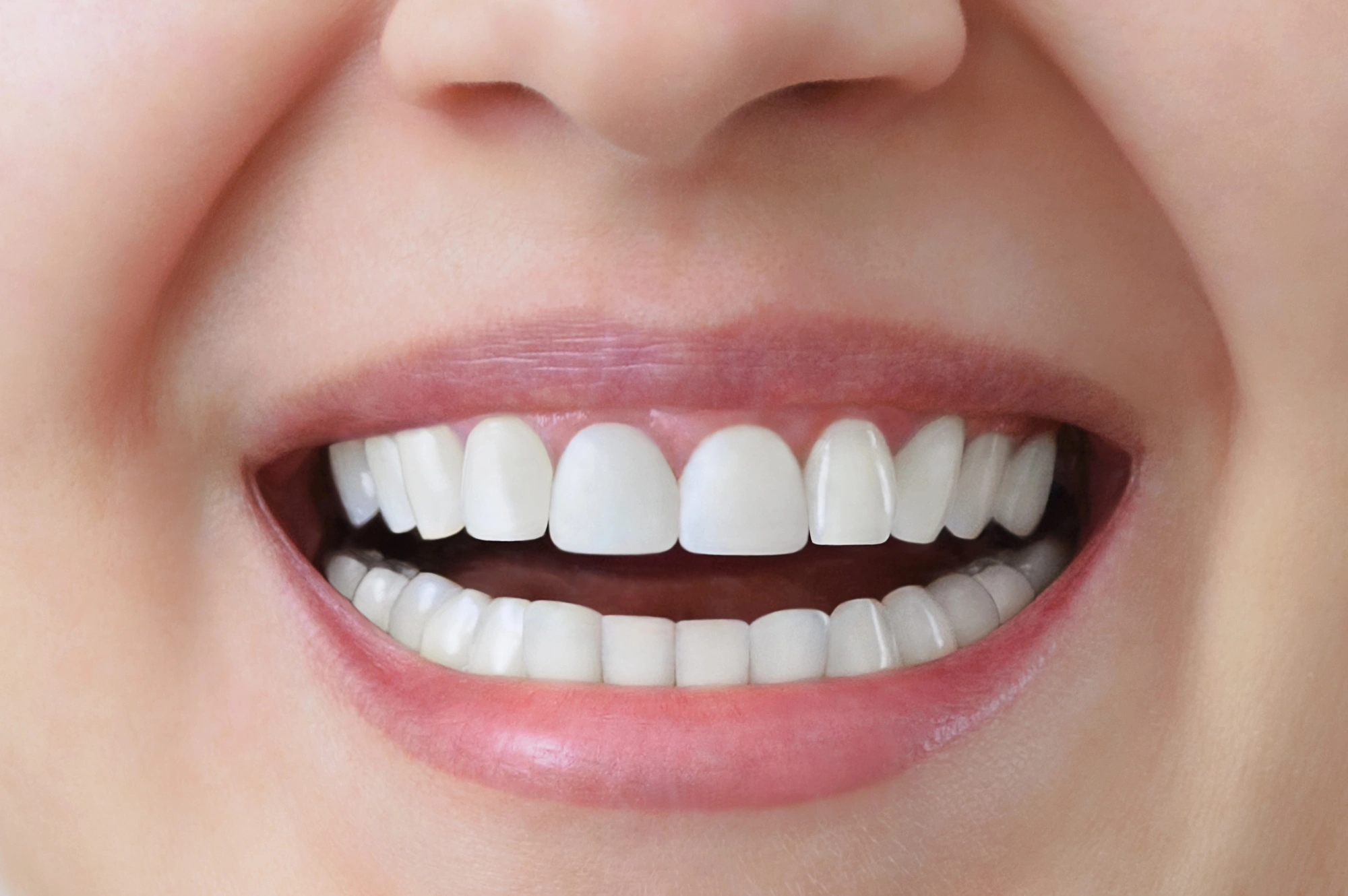
Why Do Teeth Become Discolored Again?
Your Teeth Keep Picking Up Surface Stains
Whitening treatments can break down discoloration, but your teeth remain exposed to foods and drinks that can cause new stains. Coffee, tea, red wine, dark sauces, berries, and other deeply colored foods can gradually affect the appearance of your enamel.
Aging Also Changes Your Smile
Some discoloration is simply part of getting older. As enamel naturally becomes thinner, more of the yellowish dentin underneath can become visible. Whitening can improve the appearance of your teeth, but it can't stop natural changes caused by aging.
Not Every Type of Discoloration Responds the Same Way
Whitening generally works best on surface stains and certain types of yellowing. Deeper discoloration caused by trauma, some medications, dental materials, or other factors may not respond as well.
If a tooth remains noticeably darker than the others after whitening, ask your dentist whether another treatment may be more appropriate.
5 Habits That Can Help Your Whitening Results Last
1. Limit Foods and Drinks That Cause Stains
You don't necessarily have to give up coffee, tea, or your favorite foods completely. Instead, consider how often you're consuming them.
When possible, rinse your mouth with water after consuming staining foods or drinks. This can help wash away some of the substances that contribute to surface discoloration.
2. Keep Up With Your Oral Hygiene
Plaque can make teeth look dull and provides a surface where stains can accumulate. Brush your teeth twice a day with fluoride toothpaste and clean between your teeth daily.
A whitening toothpaste with the ADA Seal of Acceptance may also help remove surface stains. Keep in mind that whitening toothpaste primarily removes surface discoloration rather than dramatically changing the natural color of your teeth.
3. Be Careful With Tobacco
Smoking and other tobacco use can stain teeth and may make whitening results less noticeable or shorter-lasting. Tobacco can cause teeth to become yellow or brown over time.
If you use tobacco, reducing or quitting can benefit your smile as well as your overall oral health.
4. Drink More Water
Water can help rinse your mouth between meals and after beverages that may stain your teeth. It can also be an easy alternative to frequently sipping darker or sugary drinks.
You don't need to completely change your diet to maintain a brighter smile. Small changes in what you drink throughout the day can make a difference over time.
5. Keep Your Dental Appointments
Professional cleanings can remove plaque and surface stains that brushing alone may not eliminate. Regular dental visits also allow your dentist to check for problems that could affect the appearance of your teeth.
Your dentist can also help determine when touch-up whitening may be appropriate.
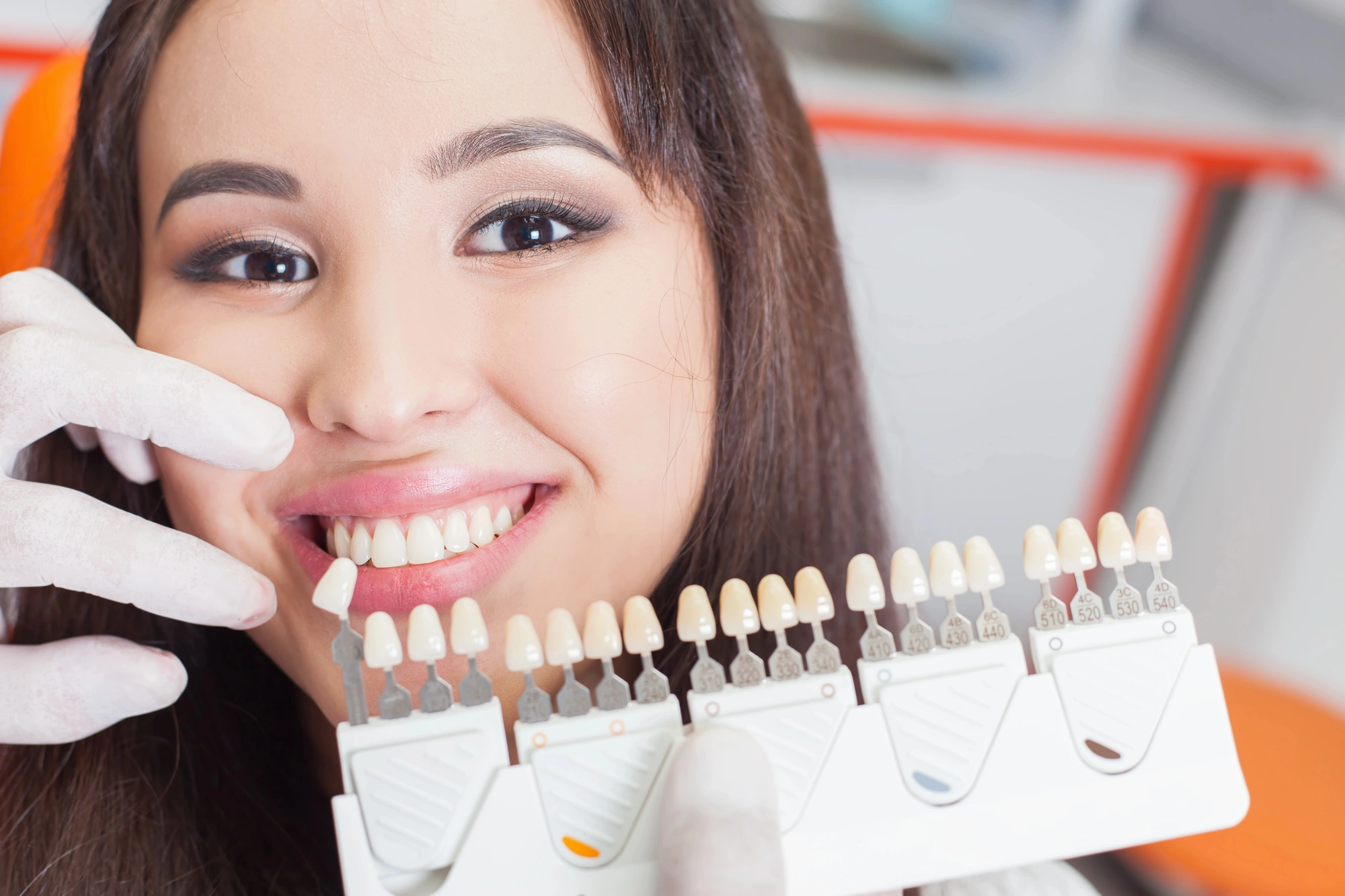
What Can Make Whitening Results Fade Faster?
Frequent Staining Foods and Drinks
Regular exposure to coffee, tea, red wine, soda, colorful sauces, and deeply pigmented foods can contribute to new surface stains.
Tobacco Use
Tobacco is one of the more significant lifestyle factors associated with tooth discoloration. Continuing to use tobacco can work against your efforts to maintain a brighter smile.
Poor Oral Hygiene
When plaque isn't removed consistently, teeth can look duller and stains may become more noticeable. Daily brushing and cleaning between your teeth are simple ways to help maintain your results.
Expecting Whitening to Stop Natural Changes
Whitening isn't a permanent change to your teeth. Your smile will continue to age naturally, and new discoloration can develop. Touch-up treatment may eventually be appropriate depending on your teeth and your dentist's recommendations.
Should You Whiten Your Teeth Again When They Start to Darken?
Not necessarily right away.
If your teeth look slightly darker months after whitening, start by reviewing your daily habits. Better brushing, regular cleanings, and limiting staining foods and drinks may help.
If you're still unhappy with the color, talk with your dentist before repeating treatment. Your dentist can determine whether additional whitening is appropriate and whether another issue is contributing to the discoloration.
Avoid trying aggressive DIY whitening methods. The ADA notes that some popular alternatives, including charcoal-based products and oil pulling, don't have reliable evidence showing that they whiten teeth safely or effectively.
Common Misconceptions About Whitening
“Whitening Makes Teeth Permanently White”
It doesn't. Whitening can brighten your teeth, but new stains and natural aging can gradually change their appearance.
“I Can't Drink Coffee After Whitening”
You don't necessarily have to eliminate coffee forever. Limiting exposure, drinking water afterward, and maintaining good oral hygiene can help reduce staining.
“More Whitening Always Means Better Results”
More isn't always better. Whitening products should be used according to professional or product instructions. Excessive or inappropriate use can increase the chance of tooth sensitivity or irritation.
Frequently Asked Questions
How long do teeth whitening results last?
There isn't one timeline that applies to everyone. Results depend on your starting tooth color, whitening method, diet, oral hygiene, tobacco use, and natural aging.
Can I drink coffee after teeth whitening?
Yes, but coffee can contribute to new staining. Limiting how often you drink it and rinsing with water afterward can help reduce its effect on your smile.
Why are some teeth harder to whiten?
Different types of discoloration respond differently to whitening. Deep or internal stains may not respond as well as surface stains.
Can whitening damage my teeth?
When used appropriately, professional and properly formulated whitening products can be safe. However, sensitivity and gum irritation can occur. Your dentist can help determine which option is appropriate for you.
Are You Considering Teeth Whitening in Georgetown?
At Georgetown Sedation Dentistry, we can help you determine why your teeth have become discolored and whether professional whitening is right for you. We'll discuss your goals, examine your smile, and recommend an approach based on your needs.
If dental treatment makes you anxious, we can also discuss available sedation options. Contact Georgetown Sedation Dentistry to learn more about teeth whitening and how to maintain a brighter smile.

150 Mt Vernon Dr, Georgetown, KY 40324 Suite 201
Monday 8 AM - 5 PM
Tuesday 8 AM - 5 PM
Wednesday CLOSED
Thursday 8 AM - 5 PM
Friday 8 AM - 5 PM
Saturday CLOSED
Sunday CLOSED

.svg)
.svg)
.svg)
.svg)
© 2024. Georgetown Sedation Dentistry | Privacy Policy | ADA Compliance
Website by: Digital Resource