

Most people don't think about oral surgery until they have to. Then suddenly there's a referral on the table, a procedure name they've never heard before, and a list of questions they don't quite know how to ask.
Whether it's a wisdom tooth that's been making its presence known for months, a missing tooth that needs a permanent solution, or a damaged tooth that simply can't be saved, oral surgery covers more ground than most patients realize. Knowing what each procedure actually involves makes the entire process feel significantly less overwhelming.
If you've been searching for a trusted oral surgeon in Lexington, KY, for these exact situations, here's an honest breakdown of the three most common procedures and what to expect from each.
Wisdom Teeth Removal
Why Wisdom Teeth Cause Problems
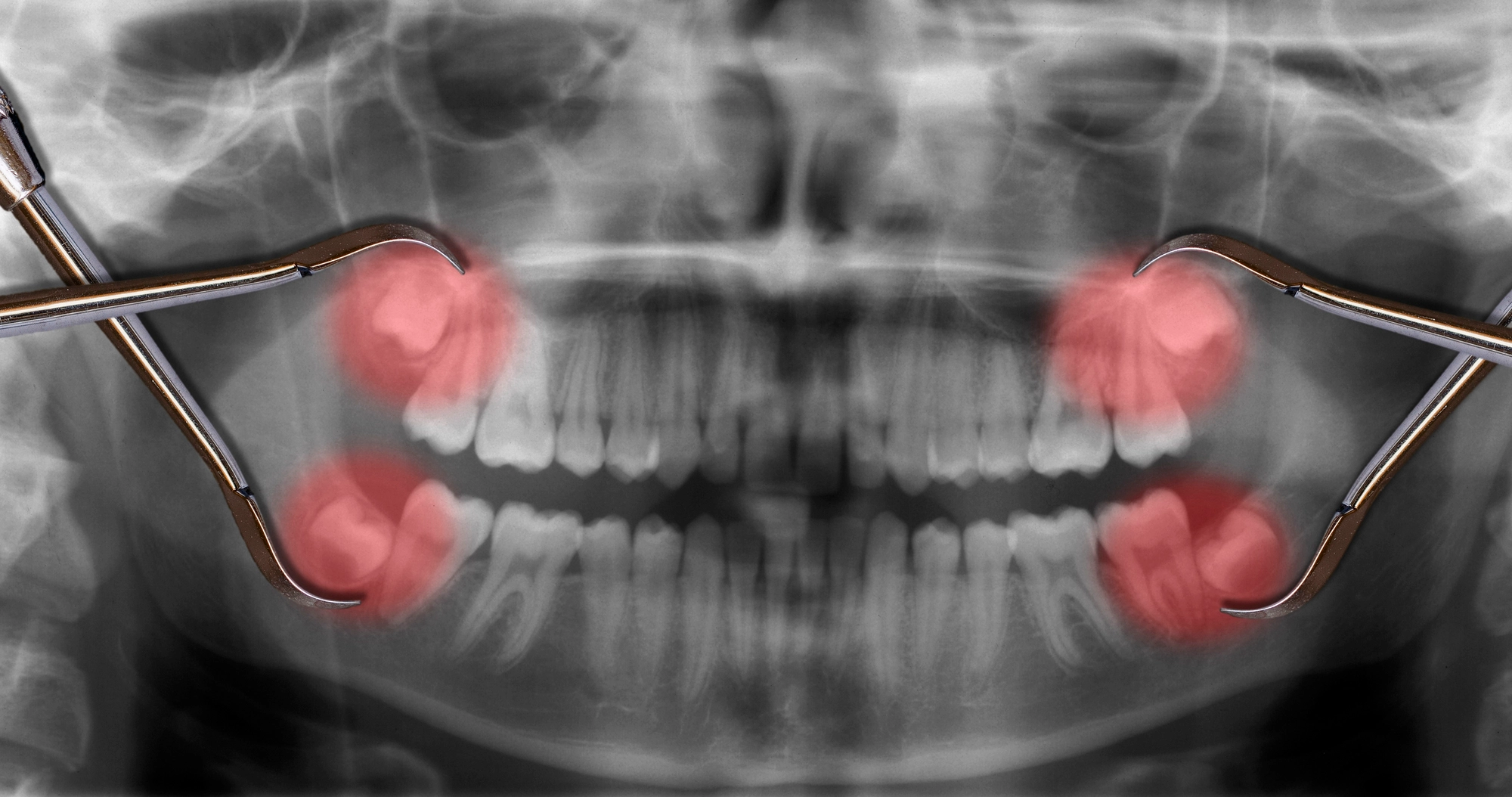
Wisdom teeth — the third molars that typically emerge in the late teens or early twenties — are a near-universal rite of passage, and not a pleasant one for most people. The human jaw has largely evolved to a size that simply doesn't accommodate a third set of molars comfortably, which means these teeth frequently cause problems whether they fully erupt or not.
The most common issues include:
- Impaction: When the tooth is unable to fully emerge and remains partially or fully trapped beneath the gumline
- Crowding: Pressure on neighboring teeth that can undo years of orthodontic work
- Infection: Partially erupted wisdom teeth create pockets where bacteria accumulate, leading to painful and recurring infections
- Cyst Formation: In some cases, impacted wisdom teeth develop cysts that can damage surrounding bone and tissue if left untreated
What the Removal Process Looks Like
Wisdom tooth extraction ranges from a straightforward in-office procedure for fully erupted teeth to a more involved surgical extraction for impacted cases. Sedation options are available and widely used — most patients have little to no memory of the procedure itself and are back home resting the same day. Recovery typically involves a few days of soft foods, some swelling, and diligent care of the extraction sites to prevent dry socket.
The earlier wisdom teeth are addressed, the simpler the process tends to be. Younger patients generally have less developed tooth roots, which makes extraction more straightforward and recovery faster.
Dental Implants
The Case for Implants Over Other Tooth Replacement Options
When a tooth is lost — whether through extraction, injury, or decay — the options for replacement include dentures, bridges, and dental implants. Of these, implants are widely regarded as the gold standard, and for good reason.
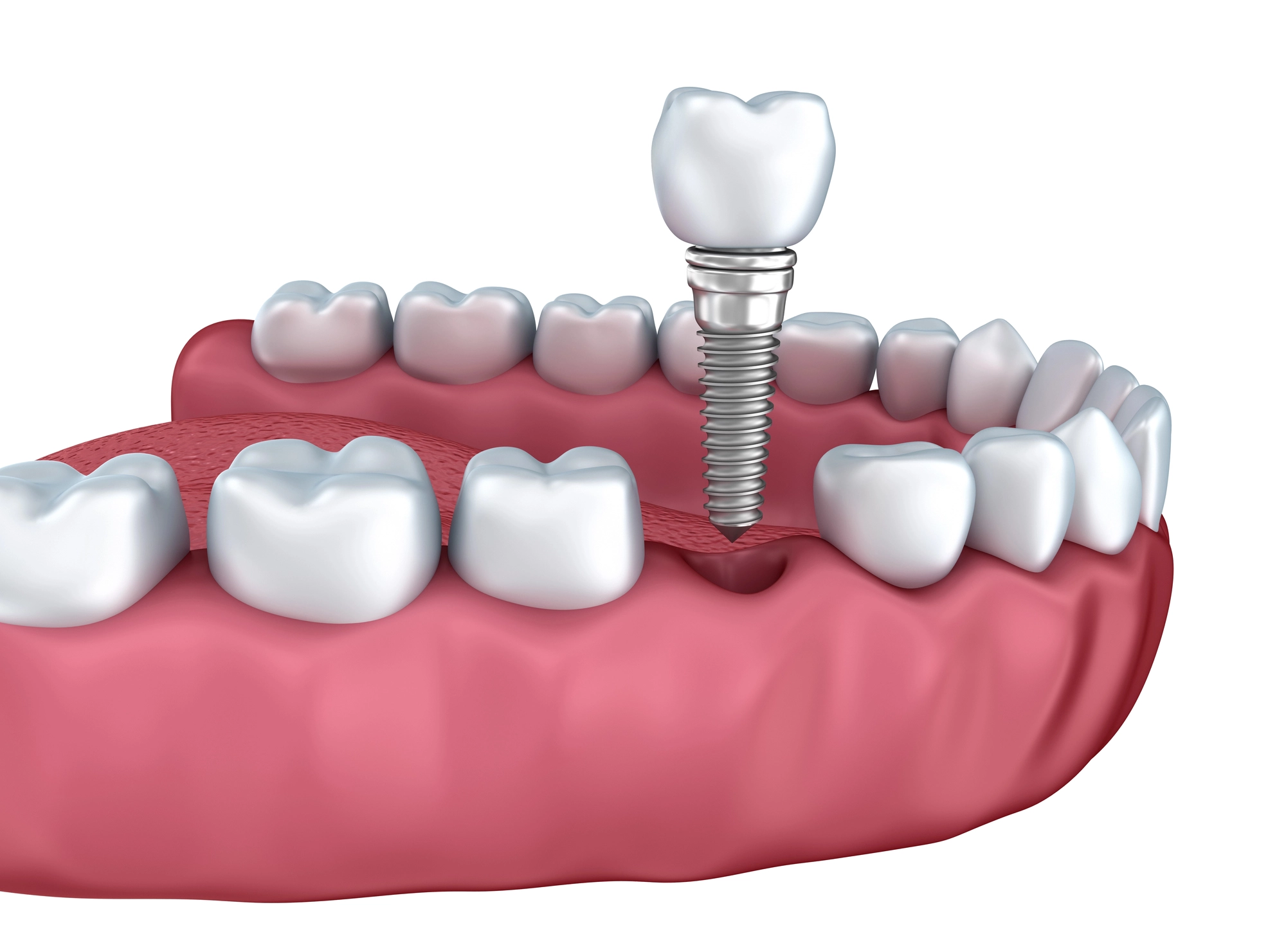
Unlike dentures or bridges, a dental implant replaces the entire tooth structure from root to crown. A titanium post is surgically placed into the jawbone, where it fuses with the surrounding bone through a process called osseointegration. This integration is what gives implants their stability, their longevity, and their ability to preserve jawbone density in a way that no other tooth replacement option can replicate.
What the Implant Process Involves
The implant process is more involved than a single appointment, and patients should go in understanding that. The full timeline typically unfolds across several stages:
- Initial Consultation and Imaging: Detailed X-rays or 3D scans are used to assess bone density and determine the precise placement of the implant
- Implant Placement: The titanium post is surgically inserted into the jawbone under local anesthesia or sedation
- Osseointegration: A healing period of several months during which the implant fuses with the bone
- Abutment and Crown Placement: Once integration is complete, a connector piece and custom-fabricated crown are attached, completing the restoration
The result is a tooth that looks, feels, and functions like a natural one — and with proper care, can last a lifetime.
Who Is a Good Candidate?
Most adults with good general health and adequate bone density are candidates for implants. Patients who have experienced significant bone loss may require a bone grafting procedure first, which adds time to the overall process but significantly expands eligibility. Smoking and certain medical conditions can affect healing, so a thorough health review is always part of the planning process.
Tooth Extractions
When Extraction Is the Right Call
Extraction is never the first choice — preserving natural teeth is always the priority. But there are situations where a tooth simply cannot be saved, and attempting to do so would cause more harm than good. Common reasons a tooth may need to be extracted include:
- Severe decay that has compromised too much of the tooth structure to support a restoration
- Advanced periodontal disease that has destroyed the bone and tissue holding the tooth in place
- A fracture that extends below the gumline
- An infection that has spread beyond the point where root canal therapy can resolve it
- Overcrowding in preparation for orthodontic treatment
Simple vs. Surgical Extractions
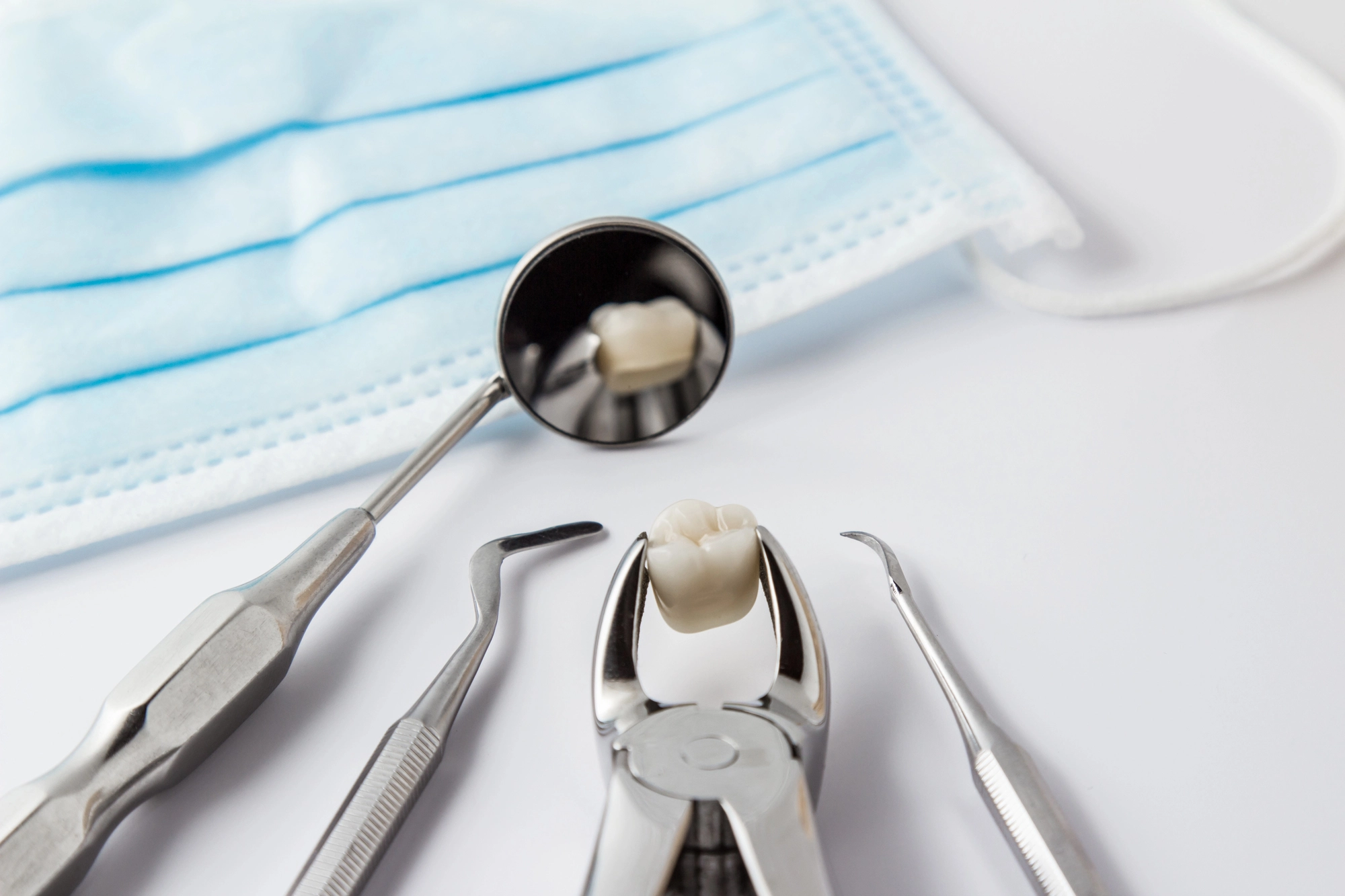
Not all extractions are created equal. A simple extraction involves a tooth that is fully visible above the gumline and can be loosened and removed without incisions. A surgical extraction — used for broken, impacted, or deeply rooted teeth — involves making a small incision in the gum tissue to access the tooth.
Both procedures are performed with appropriate anesthesia and sedation to ensure patient comfort. Recovery is typically straightforward, with the most important post-extraction instruction being protection of the blood clot that forms at the site — the foundation of proper healing.
Speak With a Trusted Oral Surgeon in Lexington, KY
Understanding what a procedure involves is the first step toward feeling confident about moving forward. The second step is sitting down with a team that takes the time to explain your specific situation clearly and build a treatment plan around your needs — not a one-size-fits-all protocol.
Whether you're dealing with problematic wisdom teeth, exploring implants as a long-term tooth replacement solution, or facing an extraction you've been putting off, the right care is closer than you think. Reach out to your trusted oral surgeon in Lexington, KY, at Georgetown Sedation Dentistry today to schedule a consultation and get the answers you've been looking for.
Call our office or book online — your first step toward a healthier smile starts here.

150 Mt Vernon Dr, Georgetown, KY 40324 Suite 201
Monday 8 AM - 5 PM
Tuesday 8 AM - 5 PM
Wednesday CLOSED
Thursday 8 AM - 5 PM
Friday 8 AM - 5 PM
Saturday CLOSED
Sunday CLOSED

.svg)
.svg)
.svg)
.svg)
© 2024. Georgetown Sedation Dentistry | Privacy Policy | ADA Compliance
Website by: Digital Resource