

If you’ve been researching long-term solutions for missing or failing teeth, you’ve likely come across full arch implants. This treatment can restore an entire row of teeth with stability and a natural look. It’s a major step, though—one that deserves careful thought and the right questions upfront.
Before you commit, it helps to slow down and get clear on what the process involves, what to expect, and whether it fits your needs.
1. Am I a Good Candidate for Full Arch Implants?

Candidacy is one of the first and most important factors to explore. Full arch implants rely on strong bone support and healthy oral tissues, but that doesn’t mean you’re automatically disqualified if you’ve experienced bone loss or dental issues.
A thorough evaluation will include digital imaging, a review of your medical history, and a close look at your oral health. In many cases, patients who don’t initially qualify can still move forward after preparatory procedures like bone grafting or extractions.
2. What Does the Full Process Look Like?
Full arch implants are not a one-day decision—they’re a multi-phase process that requires planning and coordination. While some patients qualify for same-day temporary teeth, others follow a more gradual approach depending on their needs.
Your dentist should walk you through each stage, from consultation and imaging to surgery and final restoration. This includes any preparatory work, the implant placement procedure, the healing phase where implants integrate with the bone, and the placement of your permanent teeth.
3. How Experienced Is the Provider With Full Arch Implants?
Full arch implant procedures require a high level of precision, training, and experience. This isn’t a routine dental treatment—it’s a complex procedure that blends surgical skill with restorative expertise.
Ask how often your provider performs this type of treatment and whether they have advanced training in implant dentistry or sedation techniques. Reviewing before-and-after cases can also give insight into their work and attention to detail.
Experience often translates into smoother procedures, better outcomes, and a more comfortable overall experience. It also means your provider is better equipped to anticipate challenges and adjust your treatment plan when needed.
4. What Type of Implants and Materials Are Being Used?
Not all implants or restorations are created equal. The materials used in your treatment will directly affect how your new teeth look, feel, and perform over time.
Dental implants are typically made from titanium or zirconia, both known for their strength and biocompatibility. The visible portion—the prosthetic arch—can be crafted from materials such as acrylic or zirconia, each offering distinct benefits in terms of durability, appearance, and cost.
Acrylic options may be more budget-friendly, while zirconia restorations are known for their strength and lifelike aesthetics. Understanding these differences helps you make a choice that aligns with your priorities and expectations.
5. What Are the Risks and Potential Complications?
Even with careful planning and skilled execution, every surgical procedure carries some level of risk. The key is understanding those risks and how your dental team works to minimize them.
Common concerns may include infection, delayed healing, or implant failure if the bone does not properly integrate with the implant. Your provider should explain how they reduce these risks through sterilization protocols, advanced imaging, and precise placement techniques.
It’s also important to discuss what happens if complications arise. Knowing there is a clear plan in place can provide reassurance and help you feel more comfortable moving forward.

6. What Will Recovery Be Like?
Recovery is often one of the biggest unknowns for patients considering full arch implants. While the idea of surgery can feel intimidating, most people find the healing process more manageable than expected.
You may experience swelling, mild discomfort, or temporary dietary restrictions in the days following the procedure. Your dentist will provide detailed aftercare instructions, including how to manage discomfort, maintain oral hygiene, and protect the implant sites during healing.
It’s also helpful to ask about downtime. Many patients return to normal activities within a few days, though full healing and integration take longer. Understanding what recovery looks like helps you prepare both physically and mentally.
7. What Is the Total Investment?
Full arch implants are a long-term investment in your oral health, comfort, and quality of life. Because of their complexity, costs can vary based on your individual treatment plan.
It’s important to get a clear, detailed breakdown of what’s included. This should cover consultations, imaging, surgical procedures, temporary restorations, final prosthetics, and follow-up care.
You’ll also want to explore financing options, payment plans, and any potential insurance contributions. Transparency around cost helps you plan ahead and avoid unexpected expenses down the line.
8. How Long Will My Full Arch Implants Last?
One of the biggest advantages of full arch implants is their longevity. With proper care, the implants themselves can last decades, often a lifetime.
The prosthetic teeth, however, may require maintenance or replacement over time, depending on the material used and daily wear. Your dentist can explain what lifespan to expect and which factors influence durability.
Understanding the long-term outlook helps you see the full value of your investment—not just in years, but in daily comfort and functionality.
9. What Kind of Maintenance and Follow-Up Care Is Required?
Even though full arch implants are designed to be low-maintenance, they still require consistent care to stay in excellent condition.
You’ll need to maintain a strong at-home hygiene routine, which may include specialized tools for cleaning around the implants. Regular dental visits are also essential to monitor the health of the implants and surrounding tissues.
Your provider should outline a clear maintenance plan, including how often to schedule check-ups and what to watch for between visits. Staying proactive helps protect your results and ensures long-term success.
10. What Will My Smile Look and Feel Like?
Beyond function, aesthetics and comfort play a major role in your satisfaction. Full arch implants are designed to look natural and feel secure, but customization is key.
Ask how your new smile will be designed. This includes tooth shape, color, alignment, and how it complements your facial features. Many practices use digital planning tools to give you a preview of your expected results.
It’s also important to discuss how your new teeth will feel during everyday activities, such as eating and speaking. A well-crafted restoration should feel stable, balanced, and comfortable—so much so that it becomes second nature.
Why Asking the Right Questions Matters
Choosing full arch implants is about more than replacing teeth. It’s about restoring function, improving quality of life, and feeling comfortable in your own smile again.
When you ask thoughtful questions, you:
- Avoid surprises
- Feel more in control of your decision
- Build trust with your dental provider
- Set yourself up for a smoother experience
No one should feel rushed into a procedure like this. The right team will take the time to answer every question and tailor the plan to your needs.
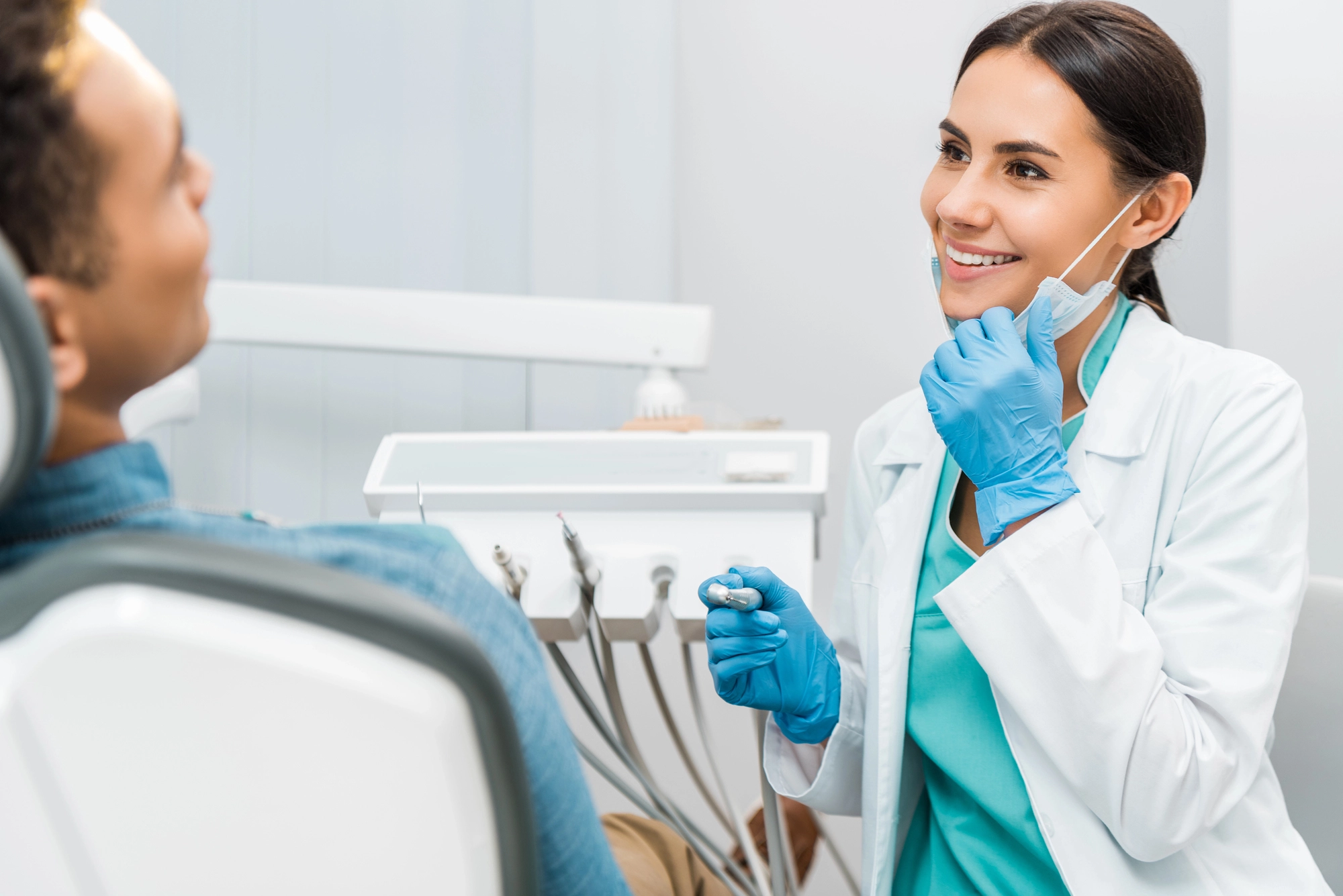
Take A Confident Next Step with Full Mouth Reconstruction
Full arch implants can be life-changing, offering stability and a natural feel that removable options often can’t match. Still, the outcome depends heavily on planning, communication, and choosing the right provider.
If you’re considering full arch implants, schedule a consultation with our team at Georgetown Sedation Dentistry. The more you understand upfront, the easier it becomes to move forward with confidence—and get back to enjoying everyday moments without hesitation.

150 Mt Vernon Dr, Georgetown, KY 40324 Suite 201
Monday 8 AM - 5 PM
Tuesday 8 AM - 5 PM
Wednesday CLOSED
Thursday 8 AM - 5 PM
Friday 8 AM - 5 PM
Saturday CLOSED
Sunday CLOSED

.svg)
.svg)
.svg)
.svg)
© 2024. Georgetown Sedation Dentistry | Privacy Policy | ADA Compliance
Website by: Digital Resource