

For some patients, going to the dentist is not just about nerves. It is about a physical reaction they cannot easily control. A strong gag reflex can make cleanings, X-rays, impressions, and dental treatments feel uncomfortable or even impossible.
If this sounds familiar, you are not alone. Many people avoid dental care because they are embarrassed or worried they will gag during an appointment. The good news is that your dental team has ways to help. With sedation dentistry, Lexington patients can receive care in a calmer, more comfortable way, even when a strong gag reflex has made past visits difficult.
Why Does Dental Care Trigger a Gag Reflex?
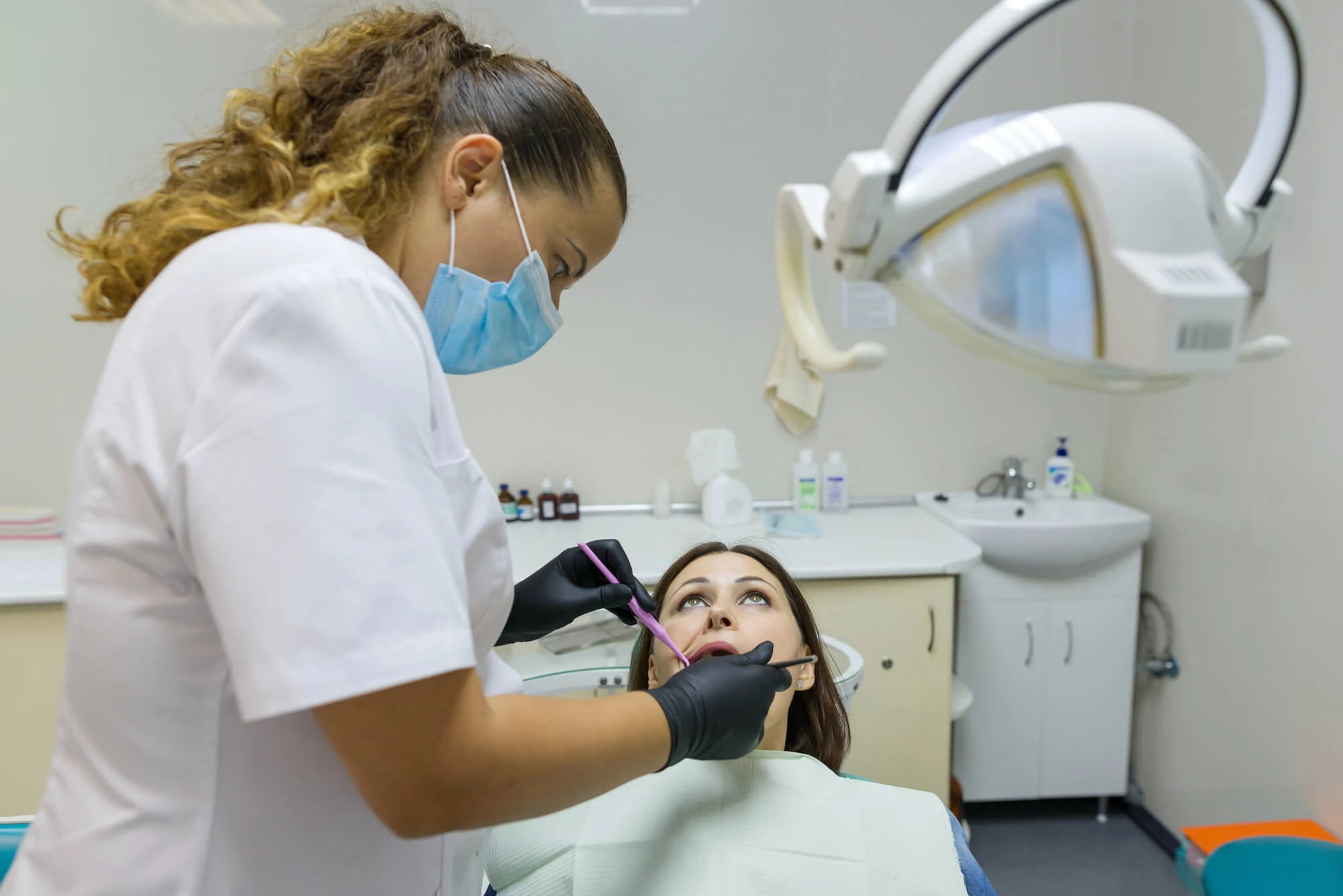
The gag reflex is a natural protective response. It helps keep objects from entering the throat or airway. However, some people have a more sensitive gag reflex than others. For these patients, even routine dental tools or X-ray sensors can trigger discomfort.
A strong gag reflex may be caused or worsened by:
- Dental anxiety
- Sensitive areas of the mouth or throat
- Past negative dental experiences
- Difficulty breathing through the nose
- Certain medical conditions
- Fear of choking
- Strong tastes, smells, or textures
Once gagging happens during a dental visit, it can create a cycle. The patient worries it will happen again, anxiety increases, and the gag reflex may become even easier to trigger.
How a Strong Gag Reflex Can Affect Your Oral Health
When dental appointments feel stressful, it is natural to delay them. Unfortunately, avoiding the dentist can allow small problems to become more serious.
Patients with a strong gag reflex may put off:
- Routine cleanings
- Dental exams
- X-rays
- Fillings
- Crowns
- Root canals
- Tooth extractions
- Denture or implant care
Over time, this can lead to tooth decay, gum disease, pain, infection, or tooth loss. That is why finding a comfortable approach to care is so important. The goal is not to “push through” discomfort. The goal is to make treatment easier to tolerate.
How Sedation Dentistry Can Help
Sedation dentistry uses medication to help patients feel more relaxed during dental treatment. Depending on the level of sedation, you may feel calm, drowsy, deeply relaxed, or have little memory of the procedure afterward.
For patients with a strong gag reflex, sedation can help by reducing anxiety and lowering sensitivity to triggers during treatment. When the body is more relaxed, the mouth and throat may be less reactive.
Sedation can be especially helpful for procedures that require instruments, impressions, X-rays, or longer treatment times.
Types of Sedation Dentistry

Different patients need different levels of support. Your dentist can help determine which option is best based on your health history, anxiety level, treatment needs, and gag reflex sensitivity.
Nitrous Oxide
Often called laughing gas, nitrous oxide is inhaled through a small mask. It helps you feel calmer and more at ease while still allowing you to remain awake and responsive during treatment.
This option may be helpful for patients with mild dental anxiety or a gag reflex that becomes worse when they feel nervous. One of the biggest benefits of nitrous oxide is that it wears off quickly after the appointment, so many patients can return to their normal routine soon after treatment.
Oral Sedation
Oral sedation involves taking prescribed medication before your appointment to help you feel more relaxed. Depending on the dosage, you may feel drowsy, calm, or less aware of your surroundings.
This can be a good option for patients whose gag reflex is closely tied to anxiety or past dental experiences. While you will still be able to respond to the dental team, the appointment may feel easier to tolerate. Because oral sedation can take time to wear off, you will typically need someone to drive you to and from your visit.
IV Sedation
IV sedation is delivered through a vein and allows the dental team to adjust the level of sedation throughout treatment. This may be helpful for patients with significant anxiety, a severe gag reflex, or more complex dental needs.
General Anesthesia
General anesthesia provides the deepest level of sedation. Under general anesthesia, you are fully asleep during treatment and will not be aware of the procedure as it happens.
This option is typically reserved for patients who need extensive dental work, have severe dental anxiety, or cannot comfortably tolerate treatment with lighter sedation methods. It may also be considered when a strong gag reflex makes it especially difficult to safely complete care while the patient is awake. Your dentist will review your health history carefully before recommending this level of sedation.
You Should Not Feel Embarrassed
A strong gag reflex is not a character flaw. It is not something you are doing on purpose, and you should not feel ashamed of it. Dentists who offer sedation care understand that every patient has different comfort needs.
Being honest with your dental team is the best thing you can do. Let them know what has happened during past visits, what triggers your gag reflex, and what makes you feel more in control. This gives them the information they need to adjust your care.
Other Ways Your Dentist May Help
Sedation is often part of a larger comfort-focused plan. Your dental team may also use techniques to reduce gagging during treatment, such as:
- Changing your chair position
- Using smaller instruments
- Taking breaks when needed
- Applying numbing spray
- Encouraging slow nasal breathing
- Using digital scanning instead of traditional impressions
- Explaining each step before it happens
Small adjustments can make a big difference, especially when combined with sedation.
Who Is a Good Candidate for Sedation Dentistry?
You may be a good candidate for sedation dentistry if you have avoided dental care because of gagging, fear, anxiety, or difficulty tolerating treatment. Sedation may also be helpful if you need multiple procedures completed or have a history of uncomfortable dental experiences.
Before recommending sedation, your dentist will review your medical history, medications, and overall health. This helps ensure the option chosen is safe and appropriate for you.

Make Dental Care Feel Possible Again with Sedation Dentistry in Lexington
A strong gag reflex should not keep you from getting the dental care you need. With the right approach, your appointments can feel calmer, more manageable, and less stressful.
If you have been looking for sedation dentistry Lexington patients can trust for a more comfortable experience, Georgetown Sedation Dentistry can help. Contact our team today to schedule a consultation and learn how sedation options may make your next dental visit easier.

150 Mt Vernon Dr, Georgetown, KY 40324 Suite 201
Monday 8 AM - 5 PM
Tuesday 8 AM - 5 PM
Wednesday CLOSED
Thursday 8 AM - 5 PM
Friday 8 AM - 5 PM
Saturday CLOSED
Sunday CLOSED

.svg)
.svg)
.svg)
.svg)
© 2024. Georgetown Sedation Dentistry | Privacy Policy | ADA Compliance
Website by: Digital Resource